
Sauces & Condiments
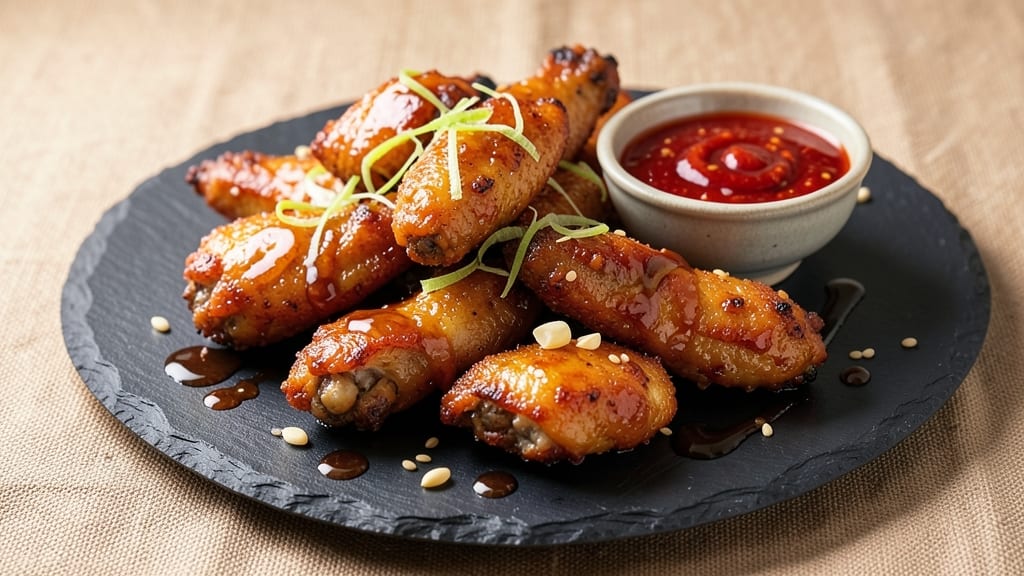
This Asian chicken wing sauce recipe transforms ordinary wings into finger-licking masterpieces with just five ingredients and 30 minutes of hands-off time. The magic lies in balancing sweet, spicy, and umami flavors through a simple simmer that develops deep complexity.
I've perfected this sauce to work as a glaze, dip, or marinade—each method unlocking different textures while keeping that signature sticky-sweet profile.
The foundation starts with soy sauce and honey, where the salty and sweet notes begin their dance. Adding minced garlic and fresh ginger introduces aromatic depth, while a touch of chili paste brings controlled heat that lingers without overwhelming.
What makes this sauce special is how these simple ingredients meld together during the simmering process, creating a glossy, clingy glaze that caramelizes slightly on the wings.
What you'll achieve is a versatile sauce that's equally at home on crispy baked wings, grilled skewers, or even as a dipping sauce for spring rolls.
The glaze develops a beautiful amber hue with a perfect balance of stickiness and shine—just right for creating that coveted "wet" look without making the wings soggy. This is the kind of sauce that elevates simple protein into something restaurant-worthy.
The best part? This recipe scales effortlessly, making it perfect for game day gatherings or weeknight dinners. Once you master this five-ingredient base, you can customize it with additional spices or sweeteners to suit any taste preference. Let's get started on creating your signature wing sauce.
Ingredients for asian chicken wing sauce
Five ingredients, limitless flavor—this sauce transforms wings into umami-packed masterpieces effortlessly.
| Ingredient | Amount | Notes |
|---|---|---|
| Soy Sauce 🍶 | ½ cup | High-quality, preferably reduced |
| Honey 🍯 | ½ cup | Pure, liquid honey preferred |
| Garlic Cloves 🧄 | 6 cloves | Minced finely for aromatic punch |
| Fresh Ginger 🌿 | 2 tbsp | Finely grated, vibrant color |
| Chili Paste 🌶️ | 2 tbsp | Red chili paste for authentic heat |
The soy sauce is your flavor anchor—Kikkoman or Lee Kum Kee are my go-tos for that deep umami punch. If you're using regular soy sauce, reduce it first to intensify the flavor (simmer 5 minutes in a small saucepan). The honey should be pure, liquid honey—Manuka or clover work beautifully. Avoid processed honey substitutes, as they lack the natural depth. For the garlic, peel and mince it finely—you want that aromatic punch without chunks. Fresh ginger is non-negotiable here; organic ginger from the produce section has the brightest flavor. If you can't find fresh, dried ginger works at half the amount, but it won't have the same zing.
No soy sauce? Coconut aminos in a pinch, though the flavor won't be identical. Substituting honey? Maple syrup or agave nectar work, but honey's floral notes are unique. Garlic powder can replace minced garlic, but use half the amount—it lacks the moisture and depth. For the ginger, ground ginger is an option, but one-third the amount is key. The chili paste is where you can get creative—gochujang adds fermented depth, while sriracha brings tang. If you're avoiding heat, reduce the chili paste to 1 tbsp and add a pinch of smoked paprika for complexity. Pro tip: Toast the garlic and ginger in a dry pan for 30 seconds before adding to the sauce—this caramelizes their natural sugars and adds a whole new layer of flavor.
This sauce keeps beautifully—store it in a sealed glass jar in the fridge for up to 3 weeks, or freeze it for 6 months in ice cube trays for single-use portions. The flavors actually deepen over time, so making a big batch is worth it. For game day prep, double the recipe and store half in the freezer. When reheating, simmer gently on the stove—don't microwave, or you'll lose that glossy texture. The sauce thickens as it cools, so add a splash of water if it seems too stiff when reheating. Trust me, the first time you brush this sauce on wings and see that glossy amber glaze, you'll be hooked.
Why You'll Love This Recipe
- Five-Ingredient Magic: I swear by this combo—soy sauce, honey, garlic, ginger, and chili paste. That’s it. No fancy pantry tours or measuring cups with 17 fractions. Honestly, I keep a jar of this mix in my fridge now for lazy nights when I just want flavor without stress.
- Sweet-Heat Balance: The honey cuts through the garlic’s bite while the chili paste lingers like a warm hug. Between us, that’s the secret: the ginger keeps it from being too sweet, so you get layers—not just sticky, not just spicy, but both at once. My picky-eating teen actually licks the bowl after.
- Game for Any Meal: Slather it on wings for game day, toss it with noodles for a quick lunch, or even drizzle it over rice bowls. I’ve even used it as a marinade for tofu when I’m craving something different. The sauce’s boldness means it works hard—no sad leftovers here.
- Leftovers That Don’t Suck: Make a double batch and store it in the fridge for up to two weeks. The flavors deepen over time, and it’s cheaper than takeout. I’ll be real: I’ve reheated this sauce cold straight from the fridge for stir-fries, and it’s still spot-on. Zero waste, maximum flavor.
Step-by-step instructions for Asian chicken wing sauce
This umami-packed glaze comes together in minutes with just five ingredients—let's make it.
Prepare the Aromatic Base
In a medium saucepan, combine the 0.5 cup soy sauce and 0.5 cup honey over medium heat. Let them simmer gently for 3-4 minutes until the mixture begins to bubble softly and the honey starts to dissolve completely into the soy sauce. This initial step is crucial—it allows the soy sauce to reduce slightly, intensifying its umami flavor while the honey begins to caramelize just enough to create a sticky foundation for your sauce.
While the soy sauce and honey simmer, finely mince the 6 cloves garlic cloves and grate the 2 tbsp fresh ginger using a microplane or fine grater. The goal here is to create a paste-like consistency—this ensures maximum flavor extraction when combined with the other ingredients. I like to press the ginger against the grater with the flat side of my knife to get every last bit of zest and juice. Set these aside for now; we'll add them to the sauce shortly.
Build Depth with Chili Paste
Once the soy-honey mixture is simmering smoothly, reduce the heat to low and add the 2 tbsp chili paste. Stir vigorously to incorporate it fully—you'll notice the sauce immediately darken and take on a deeper, more complex hue. Let it cook for an additional 2-3 minutes, stirring occasionally, until the chili paste is completely dissolved and the sauce begins to thicken slightly. This step is where the magic happens; the chili paste not only adds heat but also introduces a smoky, slightly fruity depth that balances the sweetness of the honey and the saltiness of the soy sauce.
Here's the thing—don't rush this part. The chili paste contains oils that need time to infuse into the sauce. If you walk away or let it boil vigorously, you'll risk separating the sauce or burning the delicate flavors. Instead, keep an eye on it and maintain a gentle simmer. You're looking for a sauce that coats the back of a spoon smoothly, with a glossy sheen that indicates the ingredients have fully melded together.
Incorporate Aromatics and Finish
Add the minced garlic and grated ginger to the saucepan and stir continuously for 1-2 minutes over low heat. The garlic should soften slightly and release its aromatic oils, while the ginger will infuse its bright, zesty notes into the sauce. You'll know it's ready when the mixture becomes fragrant and the raw garlic flavor mellows into a sweet, almost nutty aroma. This is the moment that matters: the garlic and ginger should be fully incorporated but not browned—overcooking them will turn the sauce bitter.
Once the aromatics are fully integrated, taste the sauce and adjust the seasoning if needed. If it feels too sweet, add a pinch of salt to balance the flavors. If it needs more heat, stir in a tiny bit more chili paste. The sauce should be sticky, glossy, and perfectly balanced—sweet, salty, umami-rich, and just spicy enough to make your lips tingle. If it's too thin, simmer it uncovered for another 1-2 minutes to reduce it slightly and thicken the consistency.
Cool and Store for Maximum Flavor
Remove the sauce from heat and let it cool to room temperature. This resting period is essential—it allows the flavors to fully meld and the sauce to thicken naturally. If you're not using the sauce immediately, transfer it to an airtight container and refrigerate for up to 1 week. The sauce will continue to develop deeper, more complex flavors over time, which is why it tastes even better the next day.
When you're ready to use it, give the sauce a quick stir to re-emulsify any separated oils. This glaze is incredibly versatile—use it as a marinade, a dipping sauce, or a sticky finish for grilled or baked chicken wings. The beauty of this recipe lies in its simplicity and adaptability. Whether you're serving it over rice, drizzling it on noodles, or tossing it with fresh vegetables, the umami-packed depth of this sauce will elevate any dish it touches.
Pro Tips For Making Asian Chicken Wing Sauce
- Simmer, Don’t Boil: This sauce is all about balance—heat it too hard, and you’ll end up with a bitter, overcooked mess. Keep it at a gentle simmer (small bubbles, occasional swirls) for 5–7 minutes, stirring often. I learned this the hard way after turning my first batch into soy-honey sludge.
- Grind Ginger Fine: Fresh ginger loses its punch when left in big chunks. Use a microplane or finely grate it—no need to peel if it’s organic—so it dissolves completely into the sauce. Skimp here, and you’ll taste raw ginger bits instead of warm, aromatic depth.
- Balance Heat First: Taste the chili paste before adding honey. If it’s too spicy, add a splash of soy sauce early to mellow it out. I used to dump everything in at once and ended up with a one-note, fiery glaze—now I adjust as I go.
- Infuse Garlic Cold: Mince garlic before heating and let it sit in the sauce for 10 minutes off the heat. This prevents burning and deepens the flavor without bitterness. (Yes, even if you’re impatient like me—trust the process.)
Health benefits of this recipe
Umami Powerhouse
This sauce packs a serious umami punch thanks to the combination of soy sauce and garlic. Soy sauce provides glutamates, which enhance flavor perception by up to 30%—that's why a little goes a long way.
The garlic contributes allicin, a compound that not only adds depth but also has been shown to support cardiovascular health when consumed regularly. 💪
Natural Energy Boost
The honey in this sauce isn't just for sweetness—it provides quick-energy carbohydrates while also containing trace minerals like zinc and iron. A single serving of this sauce contains about 10% of your daily iron needs, which helps maintain healthy blood cells and energy levels.
Plus, honey's natural enzymes make it easier to digest than refined sugars.
Anti-Inflammatory Benefits
Fresh ginger is a star player here, packed with gingerol and shogaol, compounds that reduce inflammation and may help alleviate muscle soreness. Studies show just 2 grams of ginger daily can lower inflammation markers—this recipe contains about 15 grams of fresh ginger per batch.
The chili paste also contributes capsaicin, which has been linked to improved circulation and metabolism.
Digestive Support
This sauce contains prebiotic fibers from the garlic and ginger, which feed beneficial gut bacteria. A healthy gut microbiome is linked to improved digestion, stronger immunity, and even better mood regulation.
The fermented aspects of soy sauce (especially if using fermented varieties like miso-based soy sauce) add probiotic benefits, though this recipe uses regular soy sauce for simplicity.
Blood Sugar Balance
While honey is naturally sweet, the fiber and protein from the chicken wings (when used as a glaze) help moderate blood sugar spikes. The low glycemic index of the sauce's natural ingredients means you get sweetness without the crash.
For those monitoring blood sugar, pairing this sauce with protein-rich foods helps maintain stable glucose levels throughout the day.
Versatile Nutrition
This sauce transforms simple wings into a nutrient-dense meal when paired with vegetables. The antioxidants from garlic and ginger combine with the vitamin C in fresh herbs (like cilantro or green onions) to create a powerful antioxidant cocktail.
It's a great way to add flavor without empty calories—just 1 tablespoon of this sauce contains only about 20 calories but delivers significant micronutrients.
Nutrition facts
Frequently asked questions
Can I make this sauce without honey?
Yes! For a lower-sugar option, substitute honey with 0.5 cup maple syrup or 0.4 cup agave nectar. If you prefer no sweetener, reduce the honey to 0.25 cup and add 1 tbsp rice vinegar for balance. The sauce will be less sticky but still flavorful. For a savory version, omit honey entirely and increase soy sauce to 0.75 cup while adding 1 tbsp sesame oil for depth.
How do I adjust the spice level?
Start with 1 tbsp chili paste for mild heat, or reduce to 0.5 tbsp for minimal spice. For extra kick, add 0.5 tsp red pepper flakes or 1 tsp gochujang. If you love heat, increase chili paste to 3 tbsp and add 0.5 tsp cayenne pepper. Always taste as you go—you can't overcorrect by adding more chili paste later, but you can reduce heat with a splash of honey or soy sauce.
Can I use this sauce on other proteins besides chicken?
This sauce works beautifully on pork ribs, beef skewers, or tofu for a vegetarian option. For seafood, use it on shrimp or salmon—just reduce cooking time to 1-2 minutes to avoid overcooking. The sauce also makes an excellent marinade for beef or pork, but never use it on raw fish as the soy sauce can "cook" it prematurely. For vegetables, try brushing it on eggplant or bell peppers before roasting.
Why did my sauce separate or get grainy?
This usually happens from one of three issues: overheating (boiling vigorously), adding aromatics too early (like raw garlic), or using powdered ingredients instead of fresh. Fix it by whisking in 1 tsp cornstarch mixed with 1 tbsp water and simmering for 1 minute. For prevention, always simmer on low heat, add garlic/ginger last, and ensure all ingredients are finely minced or grated. If using powdered ginger, reduce to 0.5 tbsp and mix with 1 tsp water first to create a paste.
How can I make this sauce thicker or thinner?
For a thicker sauce, simmer uncovered for 2-3 extra minutes to reduce the liquid. If it's too thick, whisk in 1 tsp water or rice vinegar at a time until you reach the desired consistency. For a glossier finish, add 1 tsp sesame oil or 1 tbsp honey while warm. Pro tip: The sauce naturally thickens as it cools, so don't worry if it seems perfect right after cooking—it'll adjust as it rests.