
Sauces & Condiments
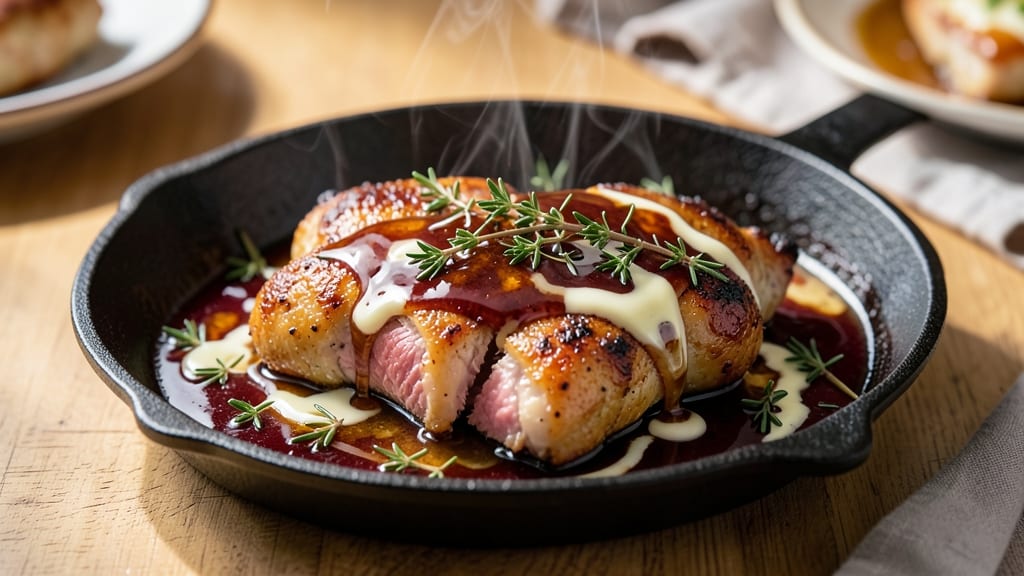
This baked chicken thigh sauce recipe transforms simple pan drippings into a rich, sticky honey-mustard glaze that elevates any roasted chicken thighs. The secret lies in reducing those golden brown bits with vinegar and honey, then finishing with Dijon mustard for a perfect balance of sweet and tangy.
I developed this sauce after realizing how much flavor gets wasted when discarding pan juices—now, every drop becomes part of the magic.
The process is straightforward: after baking your chicken, carefully deglaze the pan with apple cider vinegar to lift those flavorful browned bits. Then, let the liquid reduce to a thick, glossy sauce while you whisk in honey and mustard.
This method ensures maximum flavor concentration without requiring additional ingredients or complicated techniques. The result? A sauce that's glossy, slightly sweet, and packed with umami that clings beautifully to crispy chicken skin.
What makes this sauce truly special is its versatility—it works as a finishing drizzle, a marinade for extra flavor, or even a dip for roasted vegetables. The honey-mustard combination adds depth while keeping the sauce light enough to complement rather than overpower the chicken.
Plus, it comes together in just 10 minutes while your chicken finishes baking, making it the ultimate no-fuss sauce for weeknight dinners or special occasions.
Store any leftovers in an airtight container in the refrigerator for up to 5 days, or freeze for longer storage. Reheat gently over low heat, adding a splash of water if the sauce thickens too much.
This sauce is the perfect way to turn a simple baked chicken thigh into a restaurant-worthy centerpiece without the fuss of complicated techniques.
Ingredients for baked chicken thigh sauce
Eight simple ingredients transform leftover pan drippings into restaurant-quality honey-mustard magic.
| Ingredient | Amount | Notes |
|---|---|---|
| Pan Drippings from Baked Chicken Thighs 🍗 | 1 cup | From 4-6 chicken thighs |
| Apple Cider Vinegar 🍏 | ¼ cup | Raw, unfiltered preferred |
| Honey 🍯 | ¼ cup | Wildflower or clover variety |
| Dijon Mustard 🌿 | 2 tbsp | High-quality, smooth texture |
| Unsalted Butter 🧈 | 2 tbsp | Cold, cubed for finishing |
| Fresh Thyme Leaves 🌿 | 1 tsp | Or 0.25 tsp dried thyme |
| Diamond Crystal Kosher Salt 🧂 | ¼ tsp | For balancing flavors |
| Freshly Ground Black Pepper 🌶️ | ⅛ tsp | Freshly cracked preferred |
The pan drippings are the heart of this sauce—don't skip scraping up every last bit! Cast iron pans yield the most flavor, but stainless steel works too. For vinegar, Bragg or Texas Pete add depth, but any raw, unfiltered apple cider vinegar will do. The honey should be wildflower or clover for subtle floral notes—Manuka honey is overkill here. Dijon mustard is non-negotiable; Grey Poupon or Maille work perfectly. Buy unsalted butter for better flavor control, and keep it cold until the very end for that perfect finish.
No apple cider vinegar? White wine vinegar or balsamic work in a pinch, though the flavor profile shifts slightly. Substituting honey? Maple syrup or agave nectar keep it vegan-friendly, though the texture may be slightly thinner. For a tangier finish, add an extra 1/2 tsp of vinegar. The thyme can be swapped for rosemary or tarragon, though thyme's earthy notes complement the honey-mustard perfectly. If you're short on time, dried thyme at one-third the amount works, but fresh is always better. The butter is optional but adds incredible richness—skip it if you're watching calories.
This sauce is best used immediately, but leftovers keep beautifully in the fridge for 5 days in an airtight container. For longer storage, freeze in ice cube trays—thaw and reheat gently for perfect texture. Reheat over low heat, adding a splash of water if it thickens too much. The sauce thickens as it cools, so don't be alarmed if it looks too thin right after making. This sauce is the ultimate flavor multiplier—use it on chicken, roasted veggies, or even as a marinade for next time.
Why You'll Love This Recipe
- I’ll be real: this sauce costs next to nothing but tastes like you spent hours slaving. Chicken thighs are affordable, and the ingredients? Pantry staples. Plus, it keeps for days in the fridge, so I can make a big batch and use it for everything from sandwiches to roasted veggies. Smart, simple, and satisfying.
- No Pan Waste: I swear by this trick—those golden chicken drippings? They’re the secret. Instead of tossing them, I scrape them into the sauce pot and let them thicken into a glossy, savory base. The richness from the skin transforms into something silky smooth.
- Sweet-Tangy Magic: Honestly, the balance here is chef’s kiss—honey and apple cider vinegar play off each other like old friends. A splash of Dijon mustard ties it all together, adding just enough bite to cut through the sweetness. It’s the kind of sauce that makes you reach for seconds without even thinking.
- Weeknight Superstar: Between us, this is my go-to when I’ve got a crowd and zero energy. Toss the chicken thighs in the oven, then while they bake, I whip up the sauce in the same pan. Done. No chopping, no fuss—just flavor that feels like a hug.
Step-by-step instructions for honey-mustard pan reduction magic
This sauce transforms simple pan drippings into a velvety, tangy masterpiece—easy but packed with depth.
Deglaze the Pan with Vinegar
Immediately after removing the baked chicken thighs from the pan, place the hot skillet over medium heat. Pour in the 0.25 cup apple cider vinegar and use a wooden spoon to scrape up all the browned bits clinging to the bottom—this is where all the flavor hides. The vinegar will sizzle and bubble as it dissolves those caramelized chicken bits, creating the sauce's rich foundation.
Let the mixture simmer for 2-3 minutes until it reduces by about half and the sharp vinegar aroma gives way to a deeper, slightly sweet scent. This reduction step concentrates the flavors and removes excess acidity. If you see the liquid trying to boil over, reduce the heat to low-medium—you want gentle simmering, not violent bubbling.
Sweeten and Thicken with Honey and Mustard
Lower the heat to medium-low and stir in the 0.25 cup honey and 2 tbsp Dijon mustard. The honey will dissolve almost instantly, creating a glossy sheen on the surface. Stir constantly for 3-4 minutes until the sauce thickens slightly and coats the back of a spoon. You're looking for a consistency that's thick enough to cling to the chicken but still pourable enough to drizzle.
Here's where the magic happens: the honey balances the vinegar's acidity while the mustard adds a subtle tang and depth. If the sauce feels too thin after a few minutes, let it simmer uncovered for another 1-2 minutes—the heat will evaporate excess moisture. But don't let it boil, or you'll risk burning the honey and creating a bitter taste.
Finish with Butter and Seasonings
Remove the pan from heat and let it cool slightly for 30 seconds. Then whisk in the 2 tbsp unsalted butter, cut into small cubes, until fully melted and incorporated. The butter adds richness and helps create a silky texture. Stir in the 1 tsp fresh thyme leaves, 0.25 tsp Diamond Crystal kosher salt, and 0.125 tsp freshly ground black pepper.
Return the pan to low heat and let the sauce warm through for 1 minute, stirring constantly. The thyme should release its aromatic oils, filling your kitchen with a fragrant, earthy scent. Taste and adjust the seasoning—you might need a touch more salt or pepper to balance the sweetness and acidity. The sauce should be harmonious, with all flavors working together rather than competing.
Strain and Serve with Confidence
For the smoothest texture, strain the sauce through a fine-mesh sieve into a clean bowl, pressing gently on the solids with a spoon to extract every last drop of flavor. This step removes any thyme stems or larger chicken particles, giving you a silky, restaurant-quality sauce. If you prefer a slightly textured sauce, skip the straining—just give it one last stir to ensure everything is well combined.
Serve the sauce immediately over the baked chicken thighs, drizzling generously over each piece. The sauce should cling beautifully to the crispy skin and tender meat, enhancing every bite with its perfect balance of sweet, tangy, and savory flavors. If you have leftovers, store them in an airtight container in the refrigerator for up to 5 days, though I doubt you'll have any—this sauce disappears faster than you can say "pan reduction magic."
Pro Tips For Making Baked Chicken Thigh Sauce
- STRAIN THOSE DRIPPINGS: Don’t just scrape the pan—let the drippings sit for 2-3 minutes after removing the chicken, then strain them through a fine-mesh sieve. That extra fat separation keeps your sauce from turning greasy, and you’ll get a cleaner, glossier finish every time.
- SIMMER LOW AND SLOW: Start the sauce on medium heat to melt the butter, then drop it to a bare simmer—no boiling. I used to rush this and end up with a thin, vinegary glaze instead of a rich, balanced sauce. A gentle bubble for 5-7 minutes lets the flavors meld without curdling the honey.
- MEASURE THE VINEGAR FIRST: Add the apple cider vinegar last when combining ingredients, and taste immediately. Too much upfront will make the sauce taste harsh before the honey and mustard can balance it. Start with 1 tablespoon, then adjust—your pan drippings might already be tangy.
- USE COLD BUTTER: Cut the unsalted butter into small cubes and add it to the warm drippings off the heat if possible. This prevents the butter from separating or creating a split sauce. Stir in the remaining ingredients, then return to low heat—this guarantees a silky texture instead of lumps.
Make-ahead tips for this recipe
Prep Ahead for Efficiency
Measure out all your sauce ingredients—apple cider vinegar, honey, and Dijon mustard—into small bowls while your chicken bakes. This keeps your workflow seamless and prevents last-minute scrambling. I like to use quart-sized glass jars for easy storage and measuring. 📅
Freeze Sauce Bases
Make a double batch of the sauce base (vinegar, honey, and mustard) and freeze it in ice cube trays. Once frozen, transfer the cubes to a ziplock freezer bag for up to 3 months.
When ready to use, thaw one cube and combine with fresh pan drippings—this cuts prep time in half. Perfect for busy weeknights!
Chicken Prep Shortcuts
Pat your chicken thighs dry and season them 12-24 hours ahead of baking. Store them uncovered on a wire rack in the fridge to dry the skin thoroughly—this ensures crispy skin without extra effort.
I also like to marinate them in a mix of olive oil, garlic powder, and paprika for added flavor. 🍗
Sauce Storage Hacks
Store leftover sauce in small glass jars (like Ball mason jars) for easy reheating. These jars are microwave-safe and stack neatly in the fridge. To reheat, add 1 tsp water per ¼ cup sauce and warm on low heat—this prevents burning and restores the glossy texture.
Label jars with dates for easy tracking.
Double-Duty Ingredients
Use the same apple cider vinegar and honey for other recipes—like marinades or salad dressings—to minimize waste. The Dijon mustard also works in deviled eggs or mashed potatoes.
I keep a small jar of each on hand specifically for this sauce, but I use them regularly in other dishes too. 💡
Make-Ahead Timeline
For a stress-free dinner, bake your chicken thighs 2 hours ahead and store them at room temperature (covered loosely with foil). Reheat in a 375°F oven for 15-20 minutes before making the sauce.
This gives you time to prepare everything else while the chicken finishes warming through. The sauce takes just 10 minutes to make once the chicken is out of the oven! ⏰
Nutrition facts
Frequently asked questions
Can I make this sauce without pan drippings?
The drippings are essential for authentic flavor, but you can substitute with 2 tbsp chicken broth or 1 tbsp olive oil if needed. The sauce will be lighter but still delicious. For best results, use a mix of 1 tbsp drippings + 1 tbsp broth to maintain depth.
How do I adjust the sweetness if I don't like honey?
Swap the honey for maple syrup (1:1 ratio) or reduce it to 2 tbsp and add 1 tbsp balsamic vinegar for tang. For a savory twist, replace honey with 1 tbsp soy sauce and 1 tsp brown sugar. Taste as you go—this sauce is flexible!
Why did my sauce turn grainy or separate?
This usually happens if the honey didn't dissolve fully or if you stirred too aggressively while hot. To fix it, whisk in 1 tsp warm water and heat gently until smooth. For future batches, stir constantly on low heat and avoid boiling. The butter should melt completely before adding seasonings.
Can I use this sauce on other proteins?
This sauce works beautifully with duck breast, pork chops, or even tofu for a vegetarian option. For fish, reduce the vinegar to 2 tbsp to prevent overpowering delicate flavors. The honey-mustard balance shines on roasted vegetables too—try Brussels sprouts or carrots!
How can I make this sauce spicier?
Add ½ tsp smoked paprika or ¼ tsp cayenne pepper during the final seasoning step. For heat with depth, stir in 1 tsp hot sauce (like Cholula) or ½ tsp red pepper flakes when the sauce is off the heat. Adjust to taste—start small, as spices intensify when reduced.