
Main Courses
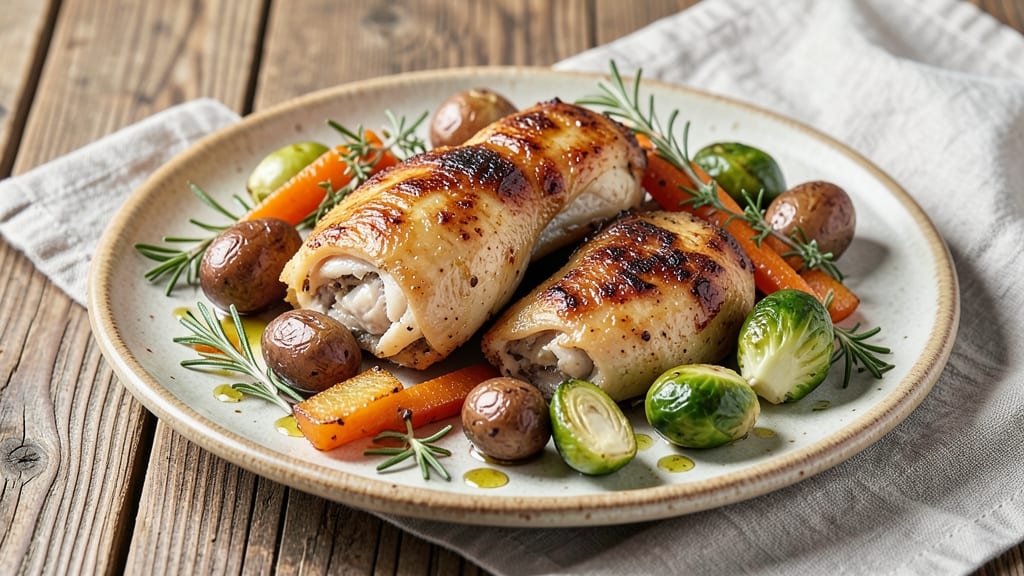
Baked chicken thighs and veggies transform a weeknight into a restaurant-quality meal with minimal effort and maximum flavor. The secret lies in high-heat searing followed by slow-roasting, which locks in juices while caramelizing edges into crispy perfection. This one-pan technique ensures tender, golden-brown chicken thighs paired with perfectly roasted vegetables—no complicated steps required.
The magic happens with a simple yet powerful herb blend—rosemary, thyme, and garlic—that infuses every bite with aromatic depth. Chicken thighs, with their rich flavor and forgiving cooking window, become the star, while seasonal vegetables like potatoes, carrots, and Brussels sprouts add texture and color.
The result is a harmonious dish that's hearty enough for dinner but easy enough for any night of the week.
What you'll end up with is a plate that looks as impressive as it tastes: succulent chicken thighs with crispy skin, tender vegetables with caramelized edges, and a fragrant herb sauce that ties everything together.
The best part? It all comes together in 45 minutes with just one pan to clean. This is the kind of meal that makes weeknight cooking feel effortless and satisfying.
Serve with a side of crusty bread or a fresh salad to complete the dish. The technique is foolproof, the flavors are bold, and the results are restaurant-quality without the fuss. Let's get started on creating this one-pan masterpiece.
Ingredients for baked chicken thighs and veggies
High-quality chicken thighs and seasonal vegetables create this restaurant-worthy one-pan masterpiece with aromatic herbs and crispy perfection.
| Ingredient | Amount | Notes |
|---|---|---|
| Bone-In Chicken Thighs 🍗 | 1 ½ lb | Skin-on, trimmed of excess fat |
| Baby Potatoes 🥔 | 1 ½ lb | Halved, unpeeled for texture |
| Carrots 🥕 | 1 ½ lb | Whole, scrubbed, cut into 2-inch pieces |
| Brussels Sprouts 🥬 | 1 lb | Trimmed, halved lengthwise |
| Fresh Rosemary 🌿 | ¼ cup | Chopped, stems removed |
| Fresh Thyme 🌿 | 2 tbsp | Leaves only, finely chopped |
| Garlic Cloves 🧄 | 6 cloves | Smashed, skins left on |
| Extra-Virgin Olive Oil 🫒 | ½ cup | For searing and basting |
| Diamond Crystal Kosher Salt 🧂 | 1 ½ tbsp | Divided for seasoning |
| Freshly Ground Black Pepper 🌶️ | 1 tsp | Coarsely cracked |
| Unsalted Butter 🧈 | 2 tbsp | Melted for basting |
| Honey 🍯 | 1 tbsp | For caramelizing edges |
The chicken thighs are the foundation—bone-in, skin-on delivers maximum flavor and crispy edges. Look for thighs with good marbling but not excessive fat; Costco or Whole Foods often carry the best quality in bulk. Fresh herbs elevate the dish, so grab rosemary and thyme from the grocery store's produce section—avoid dried unless absolutely necessary. Brussels sprouts should be firm and bright green, while potatoes and carrots should feel heavy for their size, indicating freshness. Prep the vegetables uniformly for even cooking, and don't skip trimming the Brussels sprouts—they cook faster than you'd expect.
No fresh rosemary? Dried works at half the amount, but fresh is ideal for that aromatic depth. Substitute dried thyme if needed, but reduce to one-third the quantity. For the honey, maple syrup is a suitable alternative if you prefer vegan options. The garlic can be roasted whole for a sweeter flavor—simply wrap whole cloves in foil with a drizzle of olive oil and roast alongside the dish. If you're short on time, pre-cut vegetables from the grocery store's fresh-cut section save effort, though fresh is always better. The olive oil should be high-quality extra-virgin—it's the base for searing and basting, so don't skimp.
Store any leftovers in an airtight container for up to 3 days in the fridge, though this dish reheats beautifully and tastes even better the next day. The herbs lose potency quickly, so use them within 2 days of purchase if not fresh from the garden. For meal prep, roast extra vegetables and store separately—they reheat well for salads or wraps. The chicken thighs can be reheated gently in a skillet with a splash of water to retain moisture. Freeze portions for up to 3 months by wrapping tightly in foil or plastic wrap.
Why You'll Love This Recipe
- One-Pan Magic: I swear by this for nights when I’d rather not wash a million dishes. Toss everything—thighs, potatoes, carrots, sprouts—on a sheet pan, drizzle with olive oil, and let the oven do the work. The rosemary wafts through the house while you’re scrolling, and by the time you’re done, dinner’s golden and ready.
- Crispy-Creamy Thighs: That crispy skin with tender, juicy meat inside? It’s the star. Bone-in thighs stay moist while the edges get that perfect caramelized crunch, and the potatoes turn into fluffy, buttery bites. Honestly, I’ve tried fancier cuts, but these deliver every time.
- Weeknight to Weekend: Make it for a rushed Tuesday or a lazy Sunday brunch—it’s that adaptable. Add a splash of lemon for brightness, swap in green beans if you’re feeling fancy, or double the batch for leftovers that taste just as good reheated. My college roommate still asks for this one.
- Budget Meal, Big Payoff: Bone-in thighs and seasonal veggies stretch your dollar without sacrificing flavor. Brussels sprouts get charred and sweet, carrots caramelize into little nuggets, and the rosemary makes it feel gourmet. I’ll be real: it’s my go-to when I’m broke but still want to eat well.
Step-by-step instructions for one-pan herb-roasted chicken thighs and vegetables
This method delivers perfectly crisp skin on the chicken and caramelized edges on the vegetables.
Prep and Season the Chicken Thighs
Pat the 1.5 lb bone-in chicken thighs completely dry with paper towels—this is crucial for crispy skin. Place them skin-side up on a cutting board and season both sides generously with ½ tablespoon diamond crystal kosher salt and ½ teaspoon freshly ground black pepper. The salt should adhere visibly to the skin.
In a small bowl, combine the 0.25 cup fresh rosemary and 2 tbsp fresh thyme. Rub this herb mixture all over the chicken, pressing gently to ensure even coverage. The aromatic oils will infuse into the meat during roasting. Let the seasoned thighs sit at room temperature for 15 minutes before cooking—this ensures even cooking from edge to center.
Prep and Toss the Vegetables
In a large bowl, combine the 1.5 lb baby potatoes, 1.5 lb carrots, and 1 lb brussels sprouts. Drizzle with 0.25 cup extra-virgin olive oil and toss gently to coat evenly. Season with the remaining 1 tablespoon diamond crystal kosher salt and ½ teaspoon freshly ground black pepper. The vegetables should glisten slightly from the oil.
Add the 6 smashed garlic cloves to the vegetable mixture and toss again. The garlic skins will soften during roasting, releasing their mellow sweetness without becoming bitter. Spread the seasoned vegetables evenly on a large baking sheet, leaving about ½ inch between pieces to allow for even browning.
Sear the Chicken and Arrange Everything
Preheat your oven to 425°F. Heat a large oven-safe skillet over medium-high heat until very hot. Add the 1.5 lb bone-in chicken thighs skin-side down and sear for 4-5 minutes until the skin is golden brown and crispy in spots. Flip the thighs and sear the other side for 2-3 minutes until golden.
Remove the chicken from the skillet and arrange it skin-side up on top of the prepared vegetables. This creates a layered effect where the chicken juices will baste the vegetables below. Drizzle the 2 tbsp melted unsalted butter evenly over the chicken and vegetables, then sprinkle with the 1 tbsp honey. The butter will create a glossy finish while the honey adds subtle caramelization.
Roast Until Golden and Tender
Transfer the skillet to the preheated oven and roast for 35-40 minutes. The chicken is done when its internal temperature reaches 175°F at the thickest part of the thigh, and the vegetables should be tender when pierced with a fork. Halfway through roasting, rotate the skillet for even browning.
Watch for the edges of the vegetables to develop a deep golden color—this indicates caramelization. If the skin on the chicken starts to darken too quickly, tent it loosely with aluminum foil for the last 10 minutes of cooking to prevent over-browning while still allowing the vegetables to finish.
Rest and Serve with Herb-Infused Juices
Remove the skillet from the oven and let the entire pan rest for 10 minutes before serving. This resting period allows the juices to redistribute in the chicken, ensuring each bite is moist and flavorful. The vegetables will continue to absorb the herb-infused juices, intensifying their flavor.
Serve directly from the skillet, spooning the crispy chicken and caramelized vegetables onto plates with their accompanying juices. The combination of crispy chicken skin, tender vegetables, and aromatic herbs creates a harmonious one-pan meal that requires minimal cleanup and maximum flavor.
Pro Tips For Making Baked Chicken Thighs And Veggies
- CRISP FIRST, THEN SOFT: Start your chicken thighs skin-side down on a cold baking sheet—no oil needed. After 15 minutes at 425°F (400°C), they’ll render their own fat and develop a golden crust. Flip them and lower the heat to 375°F (190°C) for the rest of the cook. I learned this the hard way after serving rubbery, pale thighs that tasted like they’d been steamed.
- TRIM BRUSSELS SPROUTS: Cut each Brussels sprout in half lengthwise, then slice the thick stem end into ¼-inch pieces. This ensures even cooking—no one wants a tough, underdone stem while the leaves turn to mush. (Yes, even if you’re impatient like me, resist the urge to skip this step.)
- SALT POTATOES BEFORE ROASTING: Toss baby potatoes in 1 tablespoon olive oil and ½ teaspoon salt before baking. The salt draws out moisture, helping them crisp up instead of steaming into a sad, doughy mess. I was skeptical until I tried it—now it’s non-negotiable for me.
- STACK VEGGIES STRATEGICALLY: Place Brussels sprouts and carrots in the pan first, then nestle potatoes around them. The denser veggies (potatoes) go on top to absorb heat longer, while the lighter sprouts and carrots stay tender. Does it look weird? Yes. Does it work? Every single time.
Wine and beer pairings for these flavors
Red Wine Classics
A medium-bodied Pinot Noir from Oregon or California is my go-to pairing for this dish—its bright acidity and red fruit notes complement the rosemary and thyme beautifully. Look for bottles labeled "Willamette Valley" or "Sonoma Coast" for optimal balance.
The wine's earthy undertones mirror the caramelized vegetables, while its smooth finish won't overpower the crispy chicken skin. 🍷
Crisp White Options
For those who prefer white wine, a dry Sauvignon Blanc from New Zealand or Loire Valley shines with its citrus and herbal notes. The grapefruit and lime flavors cut through the richness of the butter and honey, while its crisp acidity cleanses your palate between bites.
I recommend Cloudy Bay or Oyster Bay for reliable quality. Chill slightly before serving—around 50°F—to enhance its refreshing qualities.
Beer Pairings
A Belgian-style witbier like Hoegaarden or Stella Artois adds a fun, effervescent contrast to the dish's richness. The coriander and orange peel notes in these beers complement the rosemary and honey beautifully, while the carbonation helps cut through the butter's richness.
For a darker option, try a German Helles Lager—its malty sweetness balances the dish's savory-sweet profile without overpowering it.
Non-Alcoholic Choices
Don't overlook sparkling water with citrus—San Pellegrino Aranciata or LaCroix Lemon add a refreshing zing that mirrors the dish's herbaceous flavors. For something more substantial, try a ginger beer like Feather's—the spicy kick enhances the caramelized edges of the vegetables.
I also love serving this dish with iced hibiscus tea (like Ahmad Tea), which adds a floral note that harmonizes with the rosemary.
After-Dinner Digestifs
If you're saving room for dessert, consider a Portuguese tawny port (like Graham's 10-Year) to complement the dish's rich flavors. The nutty, caramel notes echo the honey and roasted vegetables, while its smooth finish prepares your palate for something sweet.
For a lighter option, a dry vermouth (such as Martini Rosso) bridges the gap between the savory main and dessert beautifully.
Nutrition facts
Frequently asked questions
Why do you recommend bone-in chicken thighs for this recipe?
Bone-in thighs stay juicier than boneless cuts because the bone acts as an insulator, keeping the meat moist during roasting. The bone also adds rich flavor as it infuses into the meat—plus, you get that satisfying crunch when cutting through it. For best results, look for thighs with a good layer of fat but not excessive marbling.
Can I use boneless, skinless chicken thighs instead?
Yes, but expect slightly drier results. To compensate, pat the thighs extra dry before seasoning, and baste them generously with melted butter during roasting. Reduce oven temperature by 25°F (to 400°F) and add 5-10 minutes to the cooking time to prevent overcooking.
What's the best way to substitute Brussels sprouts?
Try asparagus (trimmed, halved lengthwise) or green beans (blanched first for 2 minutes in boiling water). For heartier options, swap in butternut squash cubes (tossed with extra olive oil) or cauliflower florets. Adjust roasting time by 5-10 minutes based on the vegetable's density.
My chicken skin isn't crispy—what went wrong?
Most likely, the thighs weren't dry enough before seasoning or the oven temperature wasn't high enough. Next time, pat them thoroughly with paper towels and sear them longer (up to 6-7 minutes per side) in a very hot skillet. Also ensure your oven is properly calibrated—use an oven thermometer to confirm it reaches 425°F.
Can I make this recipe ahead of time?
The flavors actually improve overnight. Assemble the dish as directed, then refrigerate uncovered for 12 hours before roasting. This allows the herbs to infuse deeper. For leftovers, store in an airtight container for 3 days—reheat gently in a 350°F oven for 15 minutes to restore crispiness.