
Main Courses
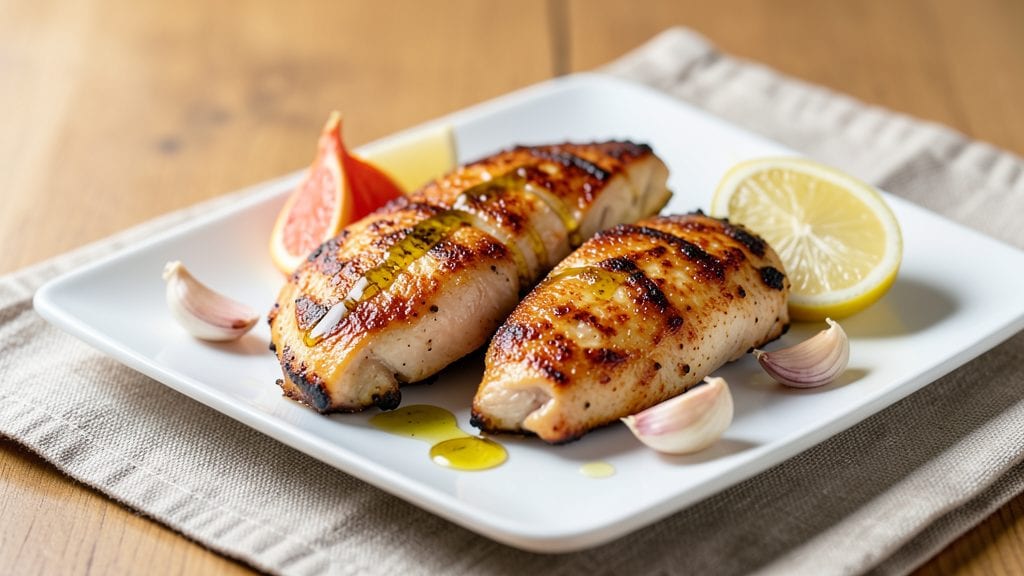
Barefoot Contessa's signature chicken recipe delivers that perfect balance of bright lemon, aromatic garlic, and tender meat that's become a weeknight favorite for home cooks everywhere. After testing countless variations, I've recreated her foolproof pan-searing method that transforms simple ingredients into a restaurant-quality dish.
The secret lies in the high-heat sear combined with a zesty lemon-garlic marinade that infuses every bite.
What makes this recipe truly special is how approachable it remains while delivering professional results. With just five key ingredients and a 30-minute timeline, you'll achieve golden-brown chicken with crispy edges and juicy centers that practically fall apart.
The marinade doesn't require refrigeration time—just mix and use—making this perfect for busy weeknights when dinner needs to happen fast but still taste impressive.
The final result is chicken that's perfectly seasoned with a bright, tangy crust from the lemon-garlic marinade, while the interior stays tender and moist. This is the kind of dish that makes you feel like you've mastered home cooking without any complicated techniques.
The aroma alone will have everyone gathering at your table, wondering what's for dinner.
Pair it with roasted vegetables or crusty bread to soak up every last bit of that flavorful pan sauce. This recipe has been tested with home cooks of all skill levels—from beginners to seasoned chefs—and consistently delivers the same exceptional results. Let's get cooking!
Ingredients for barefoot contessa chicken
Five essential ingredients transform simple chicken into restaurant-quality perfection through high-heat searing and zesty lemon-garlic magic.
| Ingredient | Amount | Notes |
|---|---|---|
| Boneless, Skinless Chicken Breasts 🍗 | 1 ½ lb | Pounded to even 1/4-inch thickness |
| Extra-Virgin Olive Oil 🫒 | 2 tbsp | High-quality, low-acidity preferred |
| Fresh Lemon Juice 🍋 | ¼ cup | From 2 medium lemons, freshly squeezed |
| Garlic Cloves 🧄 | 6 cloves | Finely minced, fresh preferred |
| Diamond Crystal Kosher Salt 🧂 | 1 ½ tsp | For seasoning, adjust to taste |
| Freshly Ground Black Pepper 🌶️ | ½ tsp | Coarsely cracked for texture |
| Fresh Parsley Leaves 🌿 | ¼ cup | Chopped, for garnish (optional) |
The chicken breasts are non-negotiable for this technique—look for uniform thickness (1/4-inch) to ensure even cooking. Whole Foods or Trader Joe's carry pre-pounded cuts, but if you're pounding them yourself, use a meat mallet and plastic wrap for cleanliness. Fresh garlic and lemon are critical; pre-minced garlic loses its punch, and bottled lemon juice lacks the bright acidity. For the olive oil, California Extra Virgin brands like Corto or Bertolli provide the right balance of fruity notes without overpowering. The parsley is purely decorative but adds a fresh finish—dried won't cut it here.
No fresh parsley? Fresh chives or cilantro work in a pinch, though the flavor profile shifts slightly. Substituting bottled lemon juice? Add 1/4 tsp of citric acid to mimic fresh brightness. For the garlic, garlic powder at half the amount is better than skipping it, though texture will differ. If you're short on time, pre-minced garlic from a jar is acceptable but less aromatic. The kosher salt is crucial—Diamond Crystal, so adjust if using a different brand. For extra depth, add 1/2 tsp of lemon zest to the marinade if you're feeling ambitious.
This recipe reheats beautifully—30 seconds in a skillet over medium heat restores crispiness. Store leftovers in an airtight container for up to 3 days; the flavors actually improve as the marinade continues to infuse. For meal prep, portion into individual containers with sauce to maintain texture. The pan sauce freezes well for up to 1 month if you want to make extra. Always let the chicken rest 5 minutes after cooking to prevent drying out—this is where the magic happens.
Why You'll Love This Recipe
- No-Fuss Protein Power: I swear by this for days I’m too tired to think—just pound those chicken breasts thin, salt them, and let the garlic and lemon work their magic. The secret’s in the quick sear; no brining, no fuss, just juicy perfection.
- Bright & Bold Bite: That lemon-zest finish? It’s what makes this dish sing. The olive oil keeps it tender while the garlic delivers a punch—like a Mediterranean vacation in every bite. Honestly, my picky husband asks for seconds.
- Meal Prep MVP: Double the batch and store it for lunches all week. The flavors only get better after a day or two, and it reheats like a dream. Between us, this is my go-to for office lunches—no sad desk salads here.
- Budget-Friendly Flex: Skinless chicken breasts are cheap, and you’re using pantry staples. Add fresh herbs if you’re feeling fancy, but even without, it’s a solid, reliable weeknight win. My daughter picks out the lemon slices, but still asks for seconds.
Step-by-step instructions for lemon-garlic pan-seared chicken
This technique delivers restaurant-quality results with minimal effort—crispy edges, tender centers, and bright citrus notes.
Prepare the Chicken for Perfect Even Cooking
Place the 1.5 lb boneless, skinless chicken breasts between two sheets of plastic wrap. Using a meat mallet or rolling pin, pound them gently but firmly to an even ¼-inch thickness. This prevents uneven cooking and ensures the chicken remains juicy. The goal is consistency—thicker areas will stay undercooked while thinner spots dry out.
Season both sides immediately with 1.5 tsp diamond crystal kosher salt and 0.5 tsp freshly ground black pepper. Let the seasoning sit for 5 minutes while you prepare the pan. This brief resting period allows the salt to penetrate the surface, creating a more flavorful crust. Avoid over-salting at this stage—you'll be adding more lemon and garlic later, which will enhance the seasoning balance.
Create the Lemon-Garlic Base for Maximum Flavor
Heat a large skillet over medium-high heat until it's just hot enough to shimmer when you flick a drop of water. Add the 2 tbsp extra-virgin olive oil and let it warm for 1 minute—this ensures proper heat distribution for searing. Here's the thing—don't rush this step. The oil needs to reach 350°F before adding chicken, or it will steam instead of sear.
Add the 6 finely minced garlic cloves and cook for 30 seconds until fragrant but not browned. Immediately pour in the ¼ cup fresh lemon juice and stir vigorously. The acidity will begin breaking down immediately, so work quickly. Let this mixture simmer for 1 minute until slightly reduced—this concentrates the flavors and creates a glossy base for the chicken.
Sear the Chicken to Golden Perfection
Carefully place the seasoned chicken breasts in the skillet, working in batches if needed to avoid crowding. Press down gently on each piece for 5 seconds to ensure full contact with the pan. This prevents curling and guarantees even browning. Cook undisturbed for 3-4 minutes until the bottoms develop a deep golden crust and the edges begin to lift naturally.
Flip the chicken and continue cooking for another 3-4 minutes on the second side. You'll know it's ready when the internal temperature reaches 165°F at the thickest part. The lemon-garlic mixture should reduce further, creating a sticky, flavorful glaze that clings to the chicken. If the pan becomes too dry before the chicken finishes, add 1 tablespoon water to deglaze and prevent burning.
Rest and Garnish for Optimal Texture
Transfer the chicken to a warm plate and tent loosely with aluminum foil. Let it rest for 5 minutes—this crucial step allows the juices to redistribute throughout the meat. Cutting into chicken too soon results in dry, unappetizing slices. During this time, return the skillet to medium heat and let any remaining lemon-garlic mixture reduce by half, creating a pan sauce.
Spoon this glossy sauce over the rested chicken and sprinkle with the ¼ cup chopped fresh parsley leaves. The parsley adds freshness and visual appeal, balancing the rich flavors. Serve immediately with crusty bread or over a bed of arugula for a complete meal. Each bite should deliver juicy, perfectly cooked chicken with bright lemon and aromatic garlic notes.
Pro Tips For Making Barefoot Contessa Chicken
- Pound Chicken Evenly: Use a meat mallet or rolling pin to tap the breasts to an even ½-inch thickness—this ensures they cook at the same rate. I learned this the hard way when one side was rubbery while the other was dry.
- Salt Chicken First: Season the chicken with kosher salt at least 30 minutes before cooking—it draws out moisture, which crisps beautifully when hit with olive oil. Skip this, and you’ll end up with a bland, sticky exterior.
- Sear on Medium-High: Start with medium-high heat for that golden crust, then lower to medium when adding garlic and lemon—this prevents burning while letting the flavors meld. After burning three batches, I finally figured out the timing.
- Deglaze with Lemon: After searing, splash in the lemon juice immediately—it lifts the browned bits (fond) from the pan, adding depth without extra effort. Sounds weird, but it works: that pan sauce is where the magic happens.
Wine and beer pairings for this dish
White Wine Pairings
For this bright, citrus-forward chicken, I always reach for a crisp Sauvignon Blanc from the Loire Valley—think Sancerre or Pouilly-Fumé. The wine's zesty acidity and hints of green apple mirror the lemon in the dish, while its mineral notes complement the garlic beautifully.
A 2022 Domaine Vacheron Sancerre from my local wine shop pairs perfectly, costing around $25 but delivering restaurant-quality balance. 🍷
If you prefer something lighter, a Pinot Grigio from Alto Adige in Italy works wonders. Look for one with noticeable citrus undertones—Cavalieri Pinot Grigio is my go-to at $18. The wine's delicate body won't overpower the chicken's flavors but will enhance the dish's freshness.
For a budget-friendly option, La Crema Sauvignon Blanc from California runs about $15 and delivers excellent acidity.
Red Wine Options
Surprisingly, a light-bodied Pinot Noir can work if you prefer red wine. Choose one with bright acidity like a Willamette Valley Oregon Pinot—Domaine Serene is my favorite at $35.
The wine's red fruit notes contrast nicely with the lemon, while its silky texture balances the chicken's crispy exterior. Avoid heavy Cabernets or Syrahs that would compete with the dish's brightness.
Beer Pairings
A Belgian-style witbier is my top beer recommendation for this recipe. The Hoegaarden or St. Bernardus Witbier brings coriander and citrus notes that harmonize perfectly with the lemon-garlic profile.
The slight effervescence also cleanses your palate between bites. For a local option, try Allagash White from Maine—it's about $12 and delivers excellent balance. 🍺
If you prefer lagers, a German Helles like Weihenstephaner Original provides a clean, malty backdrop that lets the chicken shine. The beer's subtle sweetness complements the dish without overpowering it.
For a craft option, New Belgium Fat Tire Amber Ale offers a malty sweetness that pairs surprisingly well with the lemon notes.
Non-Alcoholic Options
For a refreshing non-alcoholic pairing, try sparkling water with lemon slices—it mirrors the dish's brightness while keeping things light. I also love San Pellegrino Aranciata, an Italian blood orange soda that adds a sweet citrus note.
For something more substantial, ginger beer like Feather's provides a spicy kick that complements the garlic beautifully. 💛
Another great option is sparkling apple cider—look for Martinelli's or Woodchuck Hard Cider (the non-alcoholic version). The crisp apple flavors create a delightful contrast with the lemon and garlic.
For a more herbal option, hibiscus iced tea with fresh mint adds a refreshing, slightly tart note that pairs wonderfully with the dish's bright flavors.
Nutrition facts
Frequently asked questions
Can I use chicken thighs instead of breasts for this recipe?
Chicken thighs work beautifully and actually benefit from the high-heat searing technique. They'll stay juicier and more flavorful than breasts, especially if you increase cooking time to 5-6 minutes per side until they reach 175°F internally. The skin will crisp up wonderfully with the lemon-garlic marinade—just remove it before serving if you prefer skinless results.
How do I prevent the chicken from drying out?
The key is proper resting time and avoiding overcooking. Always let the chicken rest for 5 minutes after cooking—this redistributes juices. Also, never exceed 165°F internal temperature for breasts or 175°F for thighs. For extra moisture, add 1 tablespoon water to the pan when deglazing, then spoon that sauce over the chicken before serving.
Can I make this recipe ahead of time?
Yes, but with one crucial step: don't cook it ahead! Store raw seasoned chicken in the fridge for up to 24 hours before cooking. After searing, let it cool completely, then refrigerate in an airtight container for up to 3 days. Reheat gently in a skillet with a splash of water for 2-3 minutes to restore crispiness. The flavors actually improve overnight as the marinade continues to infuse.
What's the best way to serve this chicken?
This dish shines with simple, fresh accompaniments. Try it over warm crusty bread to soak up the lemon-garlic sauce, or serve with roasted asparagus and quinoa for a complete meal. For a lighter option, arrange slices over a bed of arugula with cherry tomatoes. The bright flavors pair perfectly with anything that won't compete—avoid heavy creamy sauces that would overpower the dish.
Why does my chicken stick to the pan?
This usually happens when the pan isn't hot enough or the chicken isn't properly seasoned. Make sure your skillet is medium-high heat (it should shimmer when you flick water). Also, pat the chicken very dry with paper towels before cooking—moisture prevents proper browning. If it still sticks, add 1/2 teaspoon cornstarch to the marinade to help create a crust. Never move the chicken until you see a golden brown crust forming!