
Sauces & Condiments
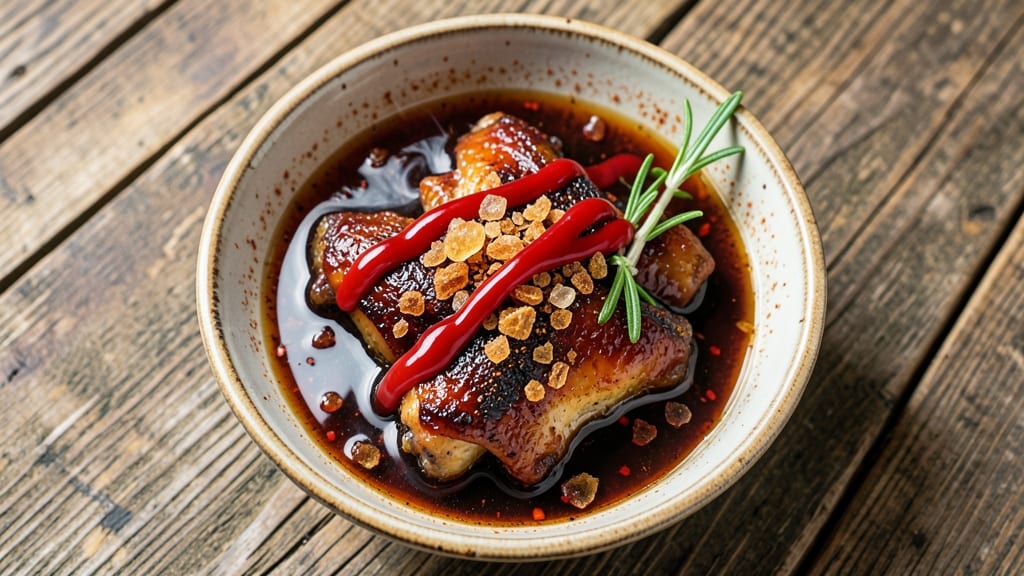
The best BBQ chicken wings marinade transforms ordinary wings into finger-licking masterpieces with sticky-sweet glaze and smoky depth. After years of experimenting with late-night sauce batches, I perfected this blend that balances heat, sweetness, and tang—no shortcuts, just bold flavor.
The key lies in the right oil-to-acid ratio and a precise spice mix that develops overnight, ensuring every bite delivers that perfect crunch and caramelized finish.
This marinade isn’t just another sauce—it’s a foolproof flavor foundation that works whether you bake, grill, or fry your wings. The combination of apple cider vinegar and bourbon creates that signature tangy-sweet profile, while smoked paprika and liquid smoke deliver that unmistakable BBQ aroma.
What makes it special? The 30-minute marinating time (minimum) allows the spices to penetrate deeply, creating wings that stay tender yet develop that irresistible bark.
By the time you toss these wings in your preferred cooking method, you’ll have restaurant-quality results with minimal effort. The marinade clings to the wings, creating a glossy glaze that caramelizes beautifully under heat.
It’s the kind of sauce that turns a simple appetizer into the star of any gathering—whether you’re feeding a crowd or treating yourself to a game-day feast.
Use this marinade as a base for customization: Add cayenne for heat, honey for extra sweetness, or a splash of hot sauce for complexity. The possibilities are endless, but the foundation remains the same—bold, balanced, and impossible to resist. Let’s get marinating!
Ingredients for best bbq chicken wings marinade
Eleven ingredients that pack a punch—this marinade turns wings into sticky-glazed perfection.
| Ingredient | Amount | Notes |
|---|---|---|
| Apple Cider Vinegar 🍎 | ½ cup | Raw, unfiltered for depth |
| Bourbon 🥃 | ¼ cup | High-quality, 80-proof minimum |
| Smoked Paprika 🌶️ | 2 tbsp | Honduran or Spanish for authentic smoke |
| Liquid Smoke 💨 | 1 tbsp | Pure, no added flavors |
| Brown Sugar 🍚 | ¼ cup | Light or dark, packed firmly |
| Hot Sauce 🌶️ | 1 tbsp | Frank's RedHot preferred |
| Garlic Powder 🧄 | 1 tbsp | Freshly ground preferred |
| Onion Powder 🧅 | 1 tbsp | Not onion salt |
| Extra-Virgin Olive Oil 🫒 | ¼ cup | Fruity, low-acid variety |
| Salt 🧂 | 1 tsp | Diamond Crystal kosher |
| Black Pepper 🌶️ | ½ tsp | Freshly cracked |
The apple cider vinegar is non-negotiable—Bragg brand or organic options from Whole Foods deliver that tangy backbone. Bourbon adds depth, so Buffalo Trace or Maker's Mark elevate it from cheap liquor to flavor enhancer. Smoked paprika? Penzeys or Gourmet Spice Kitchen carry the best Honduran varieties—look for deep red color and no bitter aftertaste. Liquid smoke is where the magic happens: Queen City or Wright's are the gold standards. Brown sugar should be packed firmly; Domino brand works perfectly. Pro tip: Toast your spices in a dry pan for 30 seconds before mixing—amplifies the aroma instantly.
No bourbon? Apple brandy or even extra apple cider vinegar works in a pinch, but you'll lose that caramelized depth. Smoked paprika shortage? Substitute chipotle powder at half the amount—it's smoky but has a different heat profile. Hot sauce hater? Extra lemon juice or a splash of Worcestershire keeps the tang. Olive oil quality matters here—California avocado oil is a great neutral alternative. Want more sweetness? Add 1 tbsp honey or maple syrup. Need heat? Double the hot sauce or add cayenne. This marinade is your flavor playground—just don't skip the vinegar and smoke combo.
Store in an airtight glass jar in the fridge for up to 2 weeks—flavor actually improves over time. For longer storage, freeze in ice cube trays for 6 months—thaw overnight in the fridge. The marinade thickens when cold, so give it a quick whisk before using. Double the batch—trust me, you'll want leftovers. The bourbon smell dissipates after cooking, but if you're sensitive, reduce to 2 tbsp. This stuff keeps perfectly in the pantry for 3 months if you skip the bourbon, making it ideal for game-day prep.
Why You'll Love This Recipe
- Five-Ingredient Magic: I swear, this marinade is the kind of shortcut that makes you feel like a chef. Just toss those five ingredients—apple cider vinegar, bourbon, smoked paprika, liquid smoke, and brown sugar—into a bowl, stir, and you’re done. No chopping, no measuring cups, no stress.
- Smoky-Sweet Obsession: That liquid smoke and bourbon combo? It’s like a campfire in your mouth. The brown sugar caramelizes into a sticky glaze, while the apple cider vinegar keeps it bright—not too heavy, not too sweet. Honestly, it’s the kind of flavor that makes you reach for seconds without even thinking.
- Game-Day Everyday: Between us, this marinade works for game day and lazy Tuesdays. Use it for wings, toss it on chicken thighs, or even drizzle it over a burger. My college-aged kids still ask for it when I’m cooking for a crowd, and that’s saying something.
Step-by-step instructions for smoky-sweet BBQ chicken wings marinade
This marinade delivers an irresistible balance of smoky depth and sweet caramelization—every wing will be sticky, crispy, and packed with flavor.
Whisk Together the Wet Ingredients for Maximum Flavor Extraction
In a medium bowl, combine the 0.5 cup apple cider vinegar and 0.25 cup bourbon. The vinegar cuts through the richness of the bourbon while adding tangy brightness that penetrates the wings deeply. Stir vigorously to fully integrate these liquids—they form the acidic base that tenderizes the meat and prevents the marinade from becoming greasy.
Next, add the 0.25 cup extra-virgin olive oil and 1 tbsp liquid smoke. The olive oil carries the smoky flavors into every crevice of the chicken, while the liquid smoke delivers that unmistakable barbecue aroma. Whisk until the mixture is completely emulsified—this ensures even distribution when you coat the wings. Here's the thing: don't skip the whisking. A well-emulsified marinade clings better and delivers more consistent flavor.
Incorporate the Dry Seasonings and Sweetener for Complex Layers
In a separate small bowl, measure out the 2 tbsp smoked paprika, 1 tbsp garlic powder, 1 tbsp onion powder, 1 tsp salt, and 0.5 tsp black pepper. This dry blend forms the aromatic backbone of your marinade—smoky, savory, and slightly spicy. Sift the smoked paprika first to prevent clumping, then add the remaining dry ingredients and mix thoroughly with a fork.
Now, gradually sprinkle the dry mixture into the wet ingredients while whisking continuously. The goal is to create a smooth, paste-like consistency that will cling to the wings without dripping off. Here's where it gets fun: add the 0.25 cup brown sugar and 1 tbsp hot sauce last. The sugar will dissolve into a syrupy consistency, while the hot sauce adds a subtle heat that balances the sweetness. If the mixture looks too thick, add 1-2 tablespoons of water to loosen it—you want it to coat a spoon easily without being runny.
Marinate the Wings for Optimal Flavor and Texture
Place the wings in a large resealable plastic bag or glass container with a tight-fitting lid. Pour the marinade over the wings, ensuring they're completely submerged. Seal the bag or container and refrigerate for at least 4 hours, but I recommend marinating overnight for maximum flavor penetration. The acidity in the vinegar and bourbon will begin breaking down the muscle fibers almost immediately, while the sugar and smoke infuse the meat deeply.
Here's the critical part: don't skip the refrigeration. Marinating at room temperature can cause bacterial growth and uneven cooking. After 4 hours, the wings will be tender and infused with flavor, but overnight marinating (up to 12 hours) ensures the absolute best results. When ready to cook, discard any excess marinade that hasn't touched the chicken—this prevents cross-contamination and ensures the best flavor concentration on your wings.
Prepare for Cooking (Optional: Double-Dip for Extra Crunch)
Before cooking, remove the wings from the marinade and let them air-dry on a wire rack for 15-20 minutes. This step is non-negotiable for crispy skin. The drying process evaporates surface moisture, allowing the marinade residues to caramelize into a sticky, glossy glaze during cooking. While the wings dry, preheat your oven or grill to 400°F—this high heat is essential for creating that perfect smoky-sweet bark.
For an extra layer of flavor and texture, I like to give the wings a second dip in the marinade right before cooking. Simply toss them in the reserved marinade (the portion that didn't touch the chicken) to create a thick, flavorful crust. This double-dip technique ensures every bite delivers that signature sticky glaze you're craving. Now your wings are ready to be baked, grilled, or fried—each method will yield incredible results with this marinade.
Pro Tips For Making Best Bbq Chicken Wings Marinade
- Reduce the Vinegar First: Simmer the apple cider vinegar with brown sugar for 2–3 minutes before adding bourbon—this cuts the harsh acidity and lets the caramelized sweetness develop. I used to skip this, and the marinade always tasted sharp and underdeveloped.
- Use Real Smoked Paprika: Skip the "smoked paprika" labeled for baking—it’s weak. Look for "smoked paprika" or "pimentón de la Vera" with actual smoke flavor, not just color. The difference in depth is night and day, especially when paired with liquid smoke.
- Marinate Overnight (Minimum): Two hours is better than nothing, but 12+ hours lets the bourbon mellow and the liquid smoke integrate. I learned this the hard way after rushing a batch and getting a harsh, alcoholic bite instead of a balanced flavor.
- Add Liquid Smoke Last: Stir in the liquid smoke right before using it—it fades quickly and can make the marinade taste burnt if left too long. A splash (½ teaspoon) is enough; more just overpowers the bourbon’s warmth.
Make-ahead tips for best bbq chicken wings marinade
Marinade Prep Ahead
Make this marinade 2 days in advance—it develops deeper flavor as the spices meld together. Store in an airtight glass jar in the fridge, where the bourbon and vinegar mellow into a rich, complex base.
I always double the batch because it disappears fast during game days or wing nights. The longer it sits, the better it gets—just give it a quick whisk before using to re-emulsify any separated oils. 💫
Wing Prep Timeline
Marinate wings for at least 4 hours, but I swear by the overnight method for maximum tenderness. Use a resealable plastic bag or glass container—both work well, but glass is easier to clean.
Pro tip: Poke holes in the bag if using plastic to prevent condensation buildup, which can make wings soggy. Label with the date and store flat to save fridge space. This marinade works equally well on drumettes, flats, or even whole wings.
Freezer-Friendly Trick
Freeze wings in the marinade for up to 3 months using freezer-safe bags. Squeeze out excess air before sealing to prevent freezer burn. When ready to cook, thaw overnight in the fridge—never at room temperature—and proceed with your usual cooking method.
The marinade will be slightly thicker after freezing, so add 1 tbsp water to loosen it before using. This is my go-to for lazy Sundays when I want wings without the prep. ❄️
Batch Cooking for Crowds
For large gatherings, marinate 4-6 pounds of wings at once in a gallon-sized Ziploc bag. Divide the marinade evenly between bags to ensure thorough coating. Cook in batches if needed—this marinade holds up perfectly to reheating.
I like to bake wings at 400°F for 45 minutes, flipping halfway, for crispy results. Keep cooked wings warm in a 200°F oven while finishing the next batch. This method ensures everyone gets perfectly sticky wings without waiting.
Flavor Boost Hacks
Add 1 tsp ground chipotle for smoky heat or 1 tbsp honey for extra sweetness when marinating. For a tangy twist, mix in 1 tbsp lemon juice before coating the wings. These adjustments work best when added fresh—don’t overthink it.
The marinade’s balance is already perfect, but these tweaks let you customize based on your crowd’s preferences. I often test a small batch first to adjust heat levels before committing to the full marinade. 🌶️
Leftovers Strategy
Use leftover marinade as a dipping sauce by thinning it with 2 tbsp water and simmering for 5 minutes to reduce slightly. It also makes an amazing glaze for grilled meats or roasted veggies.
Store unused marinade in the fridge for up to 2 weeks or freeze in ice cube trays for single-use portions. I’ve even used it as a base for BBQ chicken sandwiches—just brush on lightly before grilling. Waste not, want not! 💡
Nutrition facts
Frequently asked questions
Can I use this marinade on other meats besides chicken wings?
This marinade works beautifully on pork ribs, beef brisket, or even salmon fillets. The smoky-sweet balance translates perfectly to other proteins—just adjust cooking times based on meat thickness. For ribs, marinate for 6-8 hours and use the double-dip technique before slow-cooking.
How do I fix a marinade that's too thick or too thin?
If your marinade is too thick, whisk in 1-2 tablespoons of water until it reaches a spoonable consistency. For a runny marinade, add 1 tablespoon of brown sugar or a splash of bourbon to thicken it. The goal is a paste-like texture that clings to the wings without dripping.
Can I make this marinade without bourbon?
Yes! Substitute bourbon with extra apple cider vinegar or apple brandy for depth. For a non-alcoholic version, use 1 tablespoon of lemon juice plus 1 tablespoon of honey to maintain balance. The flavor will be slightly different but still delicious—just expect less caramelization during cooking.
Why do my wings turn out soggy after marinating?
Soggy wings usually happen from excess moisture during marinating or cooking. Always pat wings dry before marinating, and use a plastic bag with holes or a glass container to prevent condensation buildup. For extra crispiness, air-dry wings for 15-20 minutes before cooking. This step is non-negotiable for that perfect bark!
How long can I store leftover marinade?
Store unused marinade in an airtight container in the fridge for up to 2 weeks or freeze in ice cube trays for 6 months. Thaw frozen marinade overnight in the fridge—never at room temperature. The flavor actually improves over time as the spices meld together.