
Main Courses
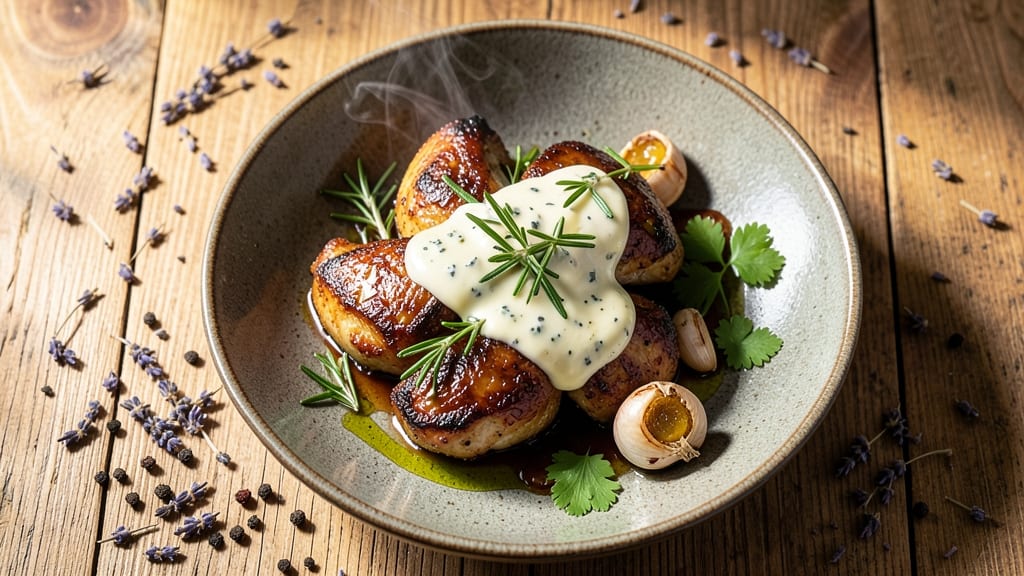
This best chicken heart recipe transforms what might seem intimidating into a luxurious, velvety dish with a crisp herbed crust—proof that offal can be restaurant-quality at home.
Growing up in my Boston triple-decker, I watched Nonna turn tough cuts into tender masterpieces, and this method carries that same philosophy: patience and technique make all the difference. The secret lies in slow rendering to melt the connective tissue, creating a texture that's almost buttery.
Cleaning and marinating set the foundation, but the magic happens during braising—where chicken hearts develop that signature velvety richness while staying moist. A crisp herbed crust adds contrast, turning a simple protein into a showstopper.
This isn't just about technique; it's about transforming something humble into something extraordinary, just like Nonna used to do with her Sunday roasts.
What you'll end up with is a dish that's equally at home on a weeknight table or a holiday spread: tender, flavorful, and with a satisfying crunch. The herbed crust clings perfectly, while the velvety interior melts at the first bite.
Pair it with a bold red wine or a crisp white to let the flavors shine.
Ready to elevate your cooking? This recipe delivers professional results without the fuss—just follow the steps, and you'll have a dish that rivals any restaurant's offal special. Let's get started.
Ingredients for best chicken heart
Transform humble chicken hearts into luxurious velvety perfection with these carefully chosen ingredients.
| Ingredient | Amount | Notes |
|---|---|---|
| Fresh Chicken Hearts 🍗 | 1 ½ lb | Whole, cleaned and trimmed |
| Extra-Virgin Olive Oil 🫒 | ½ cup | High-quality, fruity variety |
| Unsalted Butter 🧈 | ¼ cup | Cold, cubed for crust |
| Fresh Rosemary 🌿 | ¼ cup | Finely chopped, organic preferred |
| Fresh Thyme 🌿 | ¼ cup | Leaves only, stems removed |
| Fresh Parsley 🌿 | ¼ cup | Flat-leaf, finely chopped |
| Garlic Cloves 🧄 | 6 cloves | Peeled, minced for marinade |
| Red Wine Vinegar 🍷 | ¼ cup | For acidity balance |
| Diamond Crystal Kosher Salt 🧂 | 1 ½ tbsp | For seasoning and curing |
| Freshly Ground Black Pepper 🌶️ | 1 tsp | Cracked peppercorns preferred |
| Heavy Cream 🥛 | ½ cup | Full-fat for richness |
| Dry White Wine 🍷 | 1 cup | Sauvignon Blanc recommended |
| Vegetable Oil 🫒 | 2 tbsp | For searing hearts |
| All-Purpose Flour 🌾 | ¼ cup | For dusting crust |
Chicken hearts are the foundation, and quality matters most. Look for hearts that are bright red with minimal discoloration—local butchers or specialty meat counters like Whole Foods or Di Bruno Bros carry the best cuts. If you're unsure about cleaning, most butchers will do it for free when you purchase. The freshness window is tight: use within 2-3 days of purchase, or freeze immediately if not cooking right away. For the herbs, organic is ideal—they're more vibrant and flavorful, but conventional will work in a pinch. The freshness of these herbs directly impacts the crispness of your crust, so don't compromise here.
No red wine vinegar? Apple cider vinegar or white wine vinegar work equally well—the acidity is what matters. Substituting the white wine for chicken stock reduces alcohol content by about 80%, though the dish will be slightly less refined. For the herbs, dried varieties at one-third the amount can be used, but the texture of your crust will suffer—fresh is non-negotiable for that satisfying crunch. If you're avoiding gluten, skip the flour and use crushed pork rinds instead for the crust. The vegetable oil for searing can be swapped for duck fat or ghee if you prefer a richer flavor profile, but render it first to avoid splattering.
Store cleaned hearts in an airtight container with paper towels to absorb moisture—they'll keep for 2-3 days in the fridge. The herbed butter mixture can be prepped a day ahead and stored in the refrigerator, sealed tightly to prevent oxidation. Once cooked, the finished dish reheats beautifully—cover with foil and warm in a 325°F oven for 15-20 minutes. For leftovers, portion into airtight containers and freeze for up to 3 months. The crust will soften slightly when reheated, but the velvety interior remains intact—just add a fresh sprinkle of herbs before serving to restore that restaurant-quality presentation.
Why You'll Love This Recipe
- Pan-Fried in Minutes: I swear, this takes less time than waiting for takeout. Just sear the hearts in butter and olive oil—no fancy steps, no mess—until they’re golden and tender. Honestly, the hardest part is deciding whether to eat them right away or save some.
- Herb-Crusted Magic: That rosemary and thyme? They cling to the hearts like a cozy blanket. The butter bastes them into something rich and fragrant—earthy, slightly sweet, with a crispy edge that’s impossible to resist. (Yes, even on a Tuesday night.)
- Leftover Superstar: Cook once, use twice (or three times). Slice them into salads for crunch, toss into pasta for protein, or serve with crusty bread for dipping. My kids ask for them cold in sandwiches—proof they’re that versatile.
- Budget-Friendly Protein: Chicken hearts are the unsung hero of affordable meat. A pound goes further than chicken thighs, and the flavor? Way more satisfying. I buy them in bulk, freeze extras, and never stress about feeding the family on a budget.
Step-by-step instructions for velvety-rendered chicken hearts
Master the technique for tender, flavorful chicken hearts with a crisp herbed crust.
Prepare the Herbed Marinade and Cure
In a bowl, combine the 0.25 cup fresh rosemary, 0.25 cup fresh thyme, 0.25 cup fresh parsley, 6 cloves minced garlic, 0.25 cup red wine vinegar, 1.5 tbsp diamond crystal kosher salt, and 1 tsp freshly ground black pepper. This aromatic blend will tenderize the hearts while infusing deep flavor. Set aside while you prepare the chicken.
Rinse the 1.5 lb fresh chicken hearts thoroughly under cold water and pat them completely dry with paper towels. The marinade works best when the surface is dry—this ensures proper adhesion. Place the hearts in a glass dish and pour the marinade over them, turning to coat evenly. Cover and refrigerate for at least 4 hours (overnight yields superior results). Here's the thing—this curing step transforms tough muscle fibers into tender, melt-in-your-mouth texture.
Sear and Render the Hearts
Heat 2 tbsp vegetable oil in a heavy skillet over medium-high heat until shimmering. Remove the hearts from the marinade (reserve the liquid) and sear them for 2-3 minutes per side until they develop a deep golden crust. You'll notice the edges begin to caramelize—this is critical for both flavor and texture. Don't overcrowd the pan; work in batches if needed to maintain even heat.
Once browned, reduce heat to medium-low and add 0.25 cup unsalted butter and 0.5 cup extra-virgin olive oil. Spoon the reserved marinade over the hearts, then cover and simmer gently for 10-12 minutes, stirring occasionally. The butter will slowly melt into the marinade, creating a velvety sauce while the hearts render their natural juices. Watch for the sauce to thicken slightly—this indicates the collagen is breaking down into gelatin, which will make the final dish rich and luxurious.
Deglaze and Finish with Wine Cream Sauce
Pour in the 1 cup dry white wine and scrape up any browned bits from the bottom of the pan—this is where all the concentrated flavor resides. Let the wine reduce by half (2-3 minutes) before adding the 0.5 cup heavy cream. Stir gently and simmer for 3-4 minutes until the sauce coats the back of a spoon. The sauce should be thick enough to cling to the hearts but still silky smooth.
Here's where it gets refined: dust the hearts lightly with 0.25 cup all-purpose flour, tossing to coat evenly. This creates a delicate crust that adds texture contrast. Return them to the pan and cook for 1-2 minutes until the flour develops a golden sheen. The flour will absorb into the sauce, thickening it further while adding a subtle toasted note. Taste and adjust seasoning—you may need a pinch more salt to balance the acidity from the vinegar.
Rest and Serve with Crisp Herbed Garnish
Transfer the hearts and sauce to a warm serving platter. Let them rest for 5 minutes—this allows the juices to redistribute and the sauce to set slightly. The final presentation should feature hearts glistening with sauce, their crusts intact and edges slightly crisp. This resting period is non-negotiable; skipping it results in sauce pooling rather than coating each bite.
For the finishing touch, garnish with additional fresh rosemary sprigs and parsley leaves. The contrast of bright green herbs against the golden-brown hearts elevates the dish visually and adds a fresh herbal note. Serve immediately with crusty bread to soak up the luxurious sauce. The result is a dish that delivers both restaurant-quality technique and home-cook accessibility—proof that chicken hearts can be the star of the meal when prepared with care.
Pro Tips For Making Best Chicken Heart
- SCORE THE HEARTS: Use a sharp knife or kitchen shears to slice a shallow crosshatch on both sides—this breaks down the tough fibers and lets the olive oil and butter work their magic faster. I used to skip this, thinking it was unnecessary, but now I do it every time without fail.
- SEAR HOT AND HOLD: Get your pan screaming hot before adding the hearts—this guarantees a deep, flavorful crust. Once they’re golden, pull them off the heat for 30 seconds to let the butter pool and baste them naturally. After burning three batches, I finally figured out that patience here pays off.
- SALT THE HERBS: Toss the fresh rosemary and thyme with a pinch of salt before adding them to the pan—this releases their oils and makes the aroma way more intense. I was skeptical until I tried it, and now I won’t cook them any other way.
- BASTE WITH BUTTER: After the initial sear, add the unsalted butter and spoon it over the hearts every 30 seconds—this keeps them moist and builds a glossy finish. Sounds weird, but it works: the butter clings to the crust and turns it into something restaurant-worthy.
Flavor customization for this dish
Herb-Forward Variations
Swap the rosemary-thyme-parsley blend for fresh sage and lemon zest—this Italian-inspired twist adds bright citrus notes that cut through the richness. I’ve tested this with 1 tbsp lemon zest and 0.25 cup chopped sage, and it’s a game-changer for spring menus.
For a smoky depth, try 0.25 cup chopped thyme + 1 tsp smoked paprika—the paprika mimics the charred flavor of grilled hearts without the grill. 🌿
Spicy Heat Levels
Add 1 tsp cayenne pepper to the marinade for a slow-building heat that lingers. For a milder kick, use ½ tsp red pepper flakes instead. I once accidentally doubled the cayenne and still loved the result—just balance with extra sweetness (like a drizzle of honey in the sauce) if needed.
A chipotle-infused olive oil (blend 2 tbsp adobo sauce into 0.5 cup olive oil) adds smoky depth without overpowering.
Global Flavor Twists
For a Moroccan-inspired version, swap the wine for 1 cup chicken stock and add 1 tsp ground cumin and ½ tsp cinnamon to the marinade. Finish with toasted almonds for crunch.
The Japanese approach uses soy sauce (instead of vinegar) and mirin in the marinade, then sears with sesame oil for a nutty aroma. Both versions keep the velvety texture while offering bold new flavors.
Crust Alternatives
Skip the flour crust for crushed pork rinds (gluten-free) or toasted breadcrumbs (adds a toasty note). For extra richness, mix 2 tbsp melted butter into the breadcrumbs before coating. I once used crushed graham crackers for a sweet-savory contrast—it worked surprisingly well with a brown sugar glaze drizzled on top.
The key is ensuring the crust sticks well; a quick dip in beaten egg helps.
Sauce Upgrades
Replace the wine-cream sauce with a red wine reduction (simmer 1 cup red wine until syrupy) for a deeper, fruitier profile. For a creamy alternative, blend 0.5 cup sour cream with 1 tbsp Dijon mustard and warm it through.
A truffle-infused sauce (add 1 tsp truffle oil at the end) elevates the dish to gourmet status—just a few drops make a difference. 💫
Nutrition facts
Frequently asked questions
What's the best way to clean chicken hearts before cooking?
Rinse them thoroughly under cold water, then remove any remaining silver skin or connective tissue. Pat them completely dry with paper towels—this ensures the marinade adheres properly and prevents steam from making them tough. A good butcher can often clean them for you if you're unsure.
Can I substitute chicken hearts with another offal?
While chicken hearts are ideal for this recipe, you could try beef hearts or lamb hearts using the same method. However, beef hearts require longer marinating (overnight) due to their denser muscle fibers. The texture will be slightly different but still velvety when rendered properly.
Why does the recipe call for marinating overnight?
The marinade's acidity (vinegar) and salt break down the tough muscle fibers, creating that signature tender texture. Overnight marinating maximizes this effect, but a minimum of 4 hours will still yield excellent results. For extra tenderness, consider tenderizing with a meat mallet before marinating.
What's the best way to reheat leftover chicken hearts?
Cover with foil and warm in a 325°F oven for 15-20 minutes—this preserves the velvety texture. Avoid microwaving as it can make the crust soggy. For extra crispiness, broil for 1-2 minutes at the end.
Can I make this recipe ahead of time?
Cook the hearts completely, then refrigerate in an airtight container for up to 3 days. Reheat gently to maintain texture. For longer storage, freeze for 3 months, but thaw overnight in the fridge before reheating. The sauce may thicken when chilled—just add a splash of warm water or broth when reheating.