
Soups & Stews
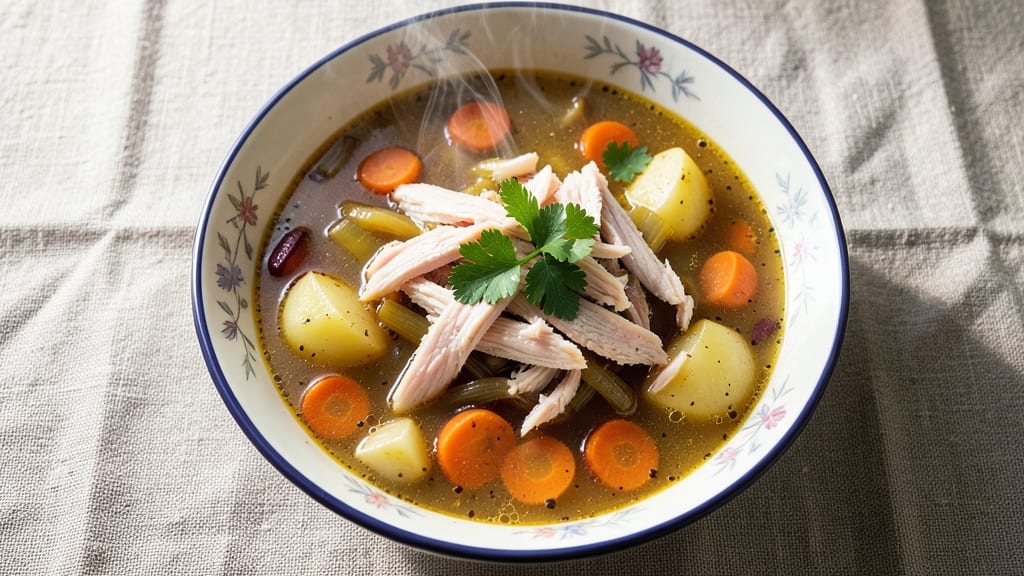
Betty Crocker's iconic chicken soup recipe brings that nostalgic, comforting warmth to your kitchen with just one pot and simple ingredients. Growing up in small-town Georgia, I remember my grandmother's version—this is the modern, foolproof adaptation that keeps all the homestyle charm.
The secret lies in tender chicken, perfectly softened vegetables, and a broth that's rich without being heavy, all achieved with minimal effort.
What makes this recipe stand out is its balance of tradition and convenience—no fancy techniques required, just a 30-minute prep followed by a 45-minute simmer that transforms tough chicken into melt-in-your-mouth bites. The vegetables caramelize beautifully, adding natural sweetness to the broth, while the herbs infuse deep, aromatic flavor.
It's the kind of soup that tastes even better the next day, making it perfect for meal prep or cozy weeknight dinners.
By the time you're done, you'll have a steaming bowl of golden broth, tender chicken, and creamy potatoes that feel like a hug in soup form. The aroma alone will have everyone gathering around the table, and the texture—soft but not mushy—is exactly what makes this a classic.
This is comfort food at its finest, with the added bonus of being restaurant-quality without the fuss.
Serve it with crusty bread for dipping or as-is with a sprinkle of fresh parsley—either way, it's a recipe that delivers on warmth, tradition, and simplicity. Here's everything you need to make it your own.
Ingredients for betty crocker chicken soup
Six simple ingredients transform into nostalgic, homestyle chicken soup that warms the soul.
| Ingredient | Amount | Notes |
|---|---|---|
| Chicken Breasts 🍗 | 2 lbs | Boneless, skinless, cut into bite-sized pieces |
| Carrots 🥕 | 4 medium | Peeled, cut into 1-inch chunks |
| Russet Potatoes 🥔 | 2 lbs | Peeled, cut into 1-inch cubes |
| Yellow Onion 🧅 | 1 whole | Chopped, medium dice |
| Celery Stalks 🌿 | 3 whole | Chopped, medium dice |
| Garlic Cloves 🧄 | 4 cloves | Minced, fresh preferred |
| Chicken Broth 💧 | 6 cups | Low-sodium preferred |
| All-Purpose Flour 🌾 | 2 tbsp | For thickening broth |
| Fresh Parsley 🌿 | ¼ cup | Chopped, for garnish |
| Dried Thyme 🌿 | 1 tsp | Or 1 tbsp fresh thyme |
| Bay Leaves 🌿 | 2 whole | Remove before serving |
| Salt 🧂 | 1 ½ tsp | Kosher or sea salt |
| Black Pepper 🌶️ | ½ tsp | Freshly ground preferred |
| Extra-Virgin Olive Oil 🫒 | 2 tbsp | For sautéing vegetables |
The chicken is the heart of this soup—bone-in, skin-on pieces yield the most flavor, but boneless works fine for convenience. Costco or local butchers often have pre-cut chicken at great prices. For the carrots and potatoes, organic varieties have better flavor, but regular store-bought works too. The key is even cutting—1-inch chunks ensure everything cooks at the same rate. Fresh herbs make all the difference here, so if you're using dried, measure sparingly—it's easy to overdo it. For the broth, low-sodium options give you better control over seasoning.
No fresh thyme? Dried works at one-third the amount, but fresh has that bright, floral note. Short on parsley? Fresh cilantro or basil can substitute for garnish, though parsley's classic. No olive oil? Butter works too, though it burns easier when sautéing. The flour is just for thickening—cornstarch works too if you prefer. For a lighter broth, reduce the broth to 5 cups and add an extra cup of water. The bay leaves add depth, but they're optional if you're sensitive to their flavor. The carrots can be baby carrots if that's what you've got—no need to peel them.
This soup tastes even better the next day—4-5 days in the fridge, 3 months frozen. I always make extra and portion it into containers for easy lunches. To reheat, add a splash of water or broth and simmer until hot. The potatoes will firm up slightly, but they soften right back up. For meal prep, freeze the broth separately if you prefer it less concentrated. The herbs? Add them fresh when serving so they stay vibrant. Store the broth in the freezer for up to 6 months—it's perfect for quick weeknight dinners.
Why You'll Love This Recipe
- Minimal Chopping Required: I swear by this recipe because you only need to dice onions and celery—no fancy prep. The carrots and potatoes stay whole until they’re tender, so I’m not stuck peeling or cutting tiny pieces that disappear down the sink.
- Creamy Without the Effort: That velvety texture? Just chicken broth, a splash of milk, and a little flour to thicken—no heavy cream or complicated roux. The potatoes practically melt into the broth, giving it that restaurant-style richness without the fuss.
- Leftover Goldmine: This soup tastes even better the next day, honestly. I double the batch on Sundays and freeze half—perfect for those nights when I’m too tired to cook. The chicken stays juicy, and the veggies hold up like champs.
- Budget-Friendly Staples: Chicken breasts, carrots, and potatoes are cheap but feel special. I buy them in bulk, and this recipe stretches them across multiple meals. Plus, the onion and celery add depth without breaking the bank—just the basics, done right.
Step-by-step instructions for betty Crocker's chicken soup
Here's how to create a hearty, comforting chicken soup that brings classic home-cooked flavor to your table.
Sauté the Vegetable Base
Heat the 2 tablespoons extra-virgin olive oil in a large Dutch oven or heavy pot over medium heat. Add the 1 whole yellow onion, 3 whole celery stalks, and 4 medium carrots, all chopped to medium dice. Cook for 5-6 minutes, stirring occasionally, until the vegetables begin to soften and release their natural juices.
Here's the thing—you want these vegetables to develop a slight caramelization without browning. This builds deep flavor that carries through the entire soup. If the oil starts to smoke, reduce the heat slightly. After about 3 minutes, add the 4 cloves minced garlic and cook for another 30 seconds until fragrant. This quick garlic toast prevents bitterness and infuses the oil with its aromatic essence.
Brown the Chicken and Season
Push the sautéed vegetables to one side of the pot, leaving space in the center. Add the 2 pounds chicken breasts, cut into bite-sized pieces, and let them sear undisturbed for 2-3 minutes until they develop a golden crust. This step is crucial for creating rich, meaty flavor in the broth.
Once the chicken is golden on one side, stir gently to cook the other sides. You'll notice the chicken releases juices as it cooks—this is where all the flavor develops. Sprinkle the chicken with 1.5 teaspoons salt and 0.5 teaspoon black pepper, then stir to coat evenly. Add the 1 teaspoon dried thyme and 2 whole bay leaves, stirring again to distribute the seasonings.
Build the Soup Foundation
Return all the vegetables to the chicken, stirring to combine. Sprinkle the 2 tablespoons all-purpose flour over everything and stir vigorously for 1-2 minutes until the flour coats the chicken and vegetables evenly. This creates a light roux that will thicken the broth beautifully.
Slowly pour in the 6 cups chicken broth, stirring constantly to prevent lumps from forming. Bring the mixture to a gentle boil, then immediately reduce the heat to medium-low. The reason we wait until the broth comes to a boil before reducing heat is to ensure all the flour is fully incorporated and the soup begins cooking properly.
Simmer Until Tender
Add the 2 pounds russet potatoes, cut into 1-inch cubes, and stir gently to submerge them in the broth. Cover the pot and let the soup simmer gently for 20-25 minutes, stirring occasionally, until the potatoes are fork-tender and the chicken reaches an internal temperature of 165°F.
I know it seems like a long wait, but this slow cooking ensures the potatoes absorb all that rich, flavorful broth while the chicken becomes perfectly tender. If you peek and see the broth is too thin, you can uncover and simmer for another 5 minutes to thicken it slightly. The soup should have a velvety consistency with just enough body to coat a spoon.
Finish and Serve
Once the potatoes are tender, remove the 2 whole bay leaves and discard them. Taste the soup and adjust the seasoning if needed—you might need a pinch more salt or pepper to balance the flavors. Ladle the soup into bowls and garnish each serving with 0.25 cup chopped fresh parsley.
This is the moment that matters: serving the soup immediately while it's piping hot. The parsley adds a fresh, bright note that cuts through the richness of the chicken and vegetables. For extra warmth, serve with crusty bread or a simple green salad. The leftovers will taste even better the next day as the flavors continue to meld.
Pro Tips For Making Betty Crocker Chicken Soup
- Trim the Chicken Right: Cut chicken breasts into 1-inch cubes—not thin strips—so they cook evenly without drying out. I used to leave them too thick, and they’d turn rubbery by the time the veggies were tender. Even slices guarantee juicy bites every time.
- Sweat the Veggies First: Cook onions, celery, and carrots in a little oil for 5 minutes before adding broth—this builds flavor instead of just boiling them raw. Skipping this step means your soup tastes like diluted broth, no matter how long you simmer.
- Don’t Overload the Pot: Use a pot big enough for the soup to bubble freely; cramming it forces the chicken to stew instead of simmer. My first attempt ended with gray, watery chicken because the pot was too small. Give it room to breathe.
- Stir in Potatoes Last: Add diced potatoes 10 minutes before the chicken is done—they’ll absorb broth and turn mushy if you toss them in too early. I learned this when my soup ended up with gluey spuds and sad, dry chicken. Timing matters.
Make-ahead tips for this betty crocker chicken soup
Prep Ahead Strategy
I always start by prepping all my vegetables the night before—chopping the onions, celery, carrots, and potatoes into 1-inch chunks and storing them in airtight containers in the fridge. This saves 20 minutes of prep time the next day.
The chicken can also be cut into pieces and stored separately. I even go as far as measuring out the 6 cups chicken broth and 2 tbsp flour into separate containers so everything is ready to go. 💡
Freezing for Later
This soup freezes beautifully for up to 3 months, making it perfect for those busy weeks. I like to freeze it in quart-sized freezer bags, leaving 1 inch headspace for expansion. When reheating, I add ¼ cup water or broth to prevent drying out.
The potatoes might firm up slightly, but they soften right back up with gentle simmering. Honestly, the flavor actually deepens after freezing—it's like the spices meld together even more. ❄️
Broth Separation
For maximum flexibility, I often separate the broth from the solids before freezing. The broth alone keeps for 6 months in the freezer and can be used as a base for other soups or sauces.
When you're ready to serve, simply reheat the broth and add the thawed chicken and vegetables. This method also prevents the potatoes from getting mushy during storage. The solids can be stored separately in a sealed container for up to 2 months in the freezer.
Slow Cooker Adaptation
For ultimate convenience, I transfer everything to a 6-quart slow cooker after the initial sautéing and flour step. Set it to Low for 6-7 hours or High for 3-4 hours. The slow cooker does all the work while you're at work or running errands.
I've even made it in my Instant Pot on the Soup setting for 20 minutes after pressure release—it's that easy. The texture comes out slightly different but still delicious. 🔥
Portion Control
When making this for meal prep, I divide the soup into 4-cup portions in glass containers with tight-sealing lids. This makes it perfect for lunchboxes or quick dinners. I always label them with the date and reheating instructions.
For reheating, I microwave on 70% power for 2-3 minutes, stirring halfway through. The leftovers taste even better the next day—it's like the flavors get married in the fridge. 💛
Herb Freshness Tip
Fresh herbs like parsley and thyme can be prepped ahead and stored in the fridge for up to 5 days in a small container with a damp paper towel. For thyme, I like to strip the leaves from the stems and store them separately.
When serving, I add the fresh parsley right before eating so it stays vibrant. The dried thyme can be added directly to the soup during cooking—just remember it's more concentrated than fresh. This keeps your soup tasting bright and fresh, even after storage. 🌿
Nutrition facts
Frequently asked questions
Can I use chicken thighs instead of breasts for more flavor?
Chicken thighs have more fat and connective tissue, which adds incredible depth of flavor to the broth. Use 2 pounds bone-in, skin-on thighs instead of breasts, and simmer them for 30-35 minutes to render the fat and collagen. The skin will crisp up beautifully, and the meat will practically fall apart—just remove it from the bones before serving.
How do I make this soup creamier without dairy?
For a rich, creamy texture without dairy, blend 1 cup of the cooked soup (without chicken) until smooth, then stir it back into the pot. This creates a velvety consistency. Alternatively, mash ½ cup of the potatoes directly in the pot with a potato masher—it thickens the broth naturally. Both methods keep the soup dairy-free while adding body.
What if my soup turns out too thin?
If the broth is too thin, mix 1 tablespoon cornstarch with 2 tablespoons cold water to make a slurry. Stir it into the simmering soup and cook for 3-5 minutes until thickened. For a quicker fix, stir in 1 tablespoon flour or 1 teaspoon instant potato flakes and simmer for 2 minutes. Always thicken gradually to avoid clumping.
Can I make this soup gluten-free?
Yes! Simply replace the 2 tablespoons all-purpose flour with 2 tablespoons gluten-free flour blend or 2 tablespoons cornstarch. The thickening method remains the same—just whisk it into the broth and simmer until the desired consistency is reached. Always check your chicken broth label to ensure it's also gluten-free.
Why did my potatoes get mushy?
Mushy potatoes usually happen from overcooking or cutting them too small. Stick to 1-inch cubes and simmer for no longer than 20-25 minutes—they should be tender but still hold their shape. For extra insurance, parboil the potatoes for 3 minutes in boiling water before adding them to the soup. This jumpstarts their cooking and prevents them from absorbing too much liquid at once.