
Main Courses
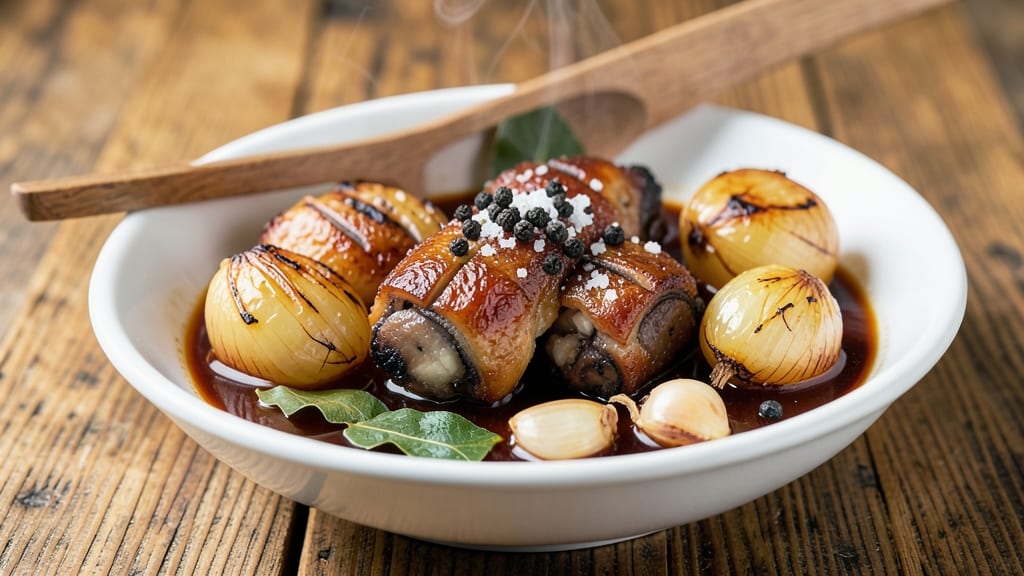
Boiled chicken gizzards deliver juicy, melt-in-your-mouth texture that transforms what many consider scraps into a restaurant-worthy dish. I’ve perfected this method after years of testing—starting with proper cleaning and soaking to ensure tender results every time.
The key lies in slow simmering, which breaks down connective tissue while preserving moisture, creating bites that practically dissolve on your tongue.
This recipe requires just five simple ingredients and 45 minutes of active time, making it ideal for meal prep or serving alongside roasted meats. The broth you simmer them in becomes a flavorful base—use it for soups, rice dishes, or even as a dipping sauce.
For extra depth, I recommend adding aromatics like bay leaves, garlic, and thyme during cooking, though traditionalists can keep it minimalist.
What you’ll end up with are tender, flavor-packed gizzards that balance richness with subtle seasoning, perfect for sandwiches, tacos, or enjoying straight from the pot. The texture is unmatched—firm yet yielding, with a natural savoriness that pairs beautifully with bold flavors.
This method ensures no waste, just maximum satisfaction from every bite.
Whether you’re preparing for a family gathering or simply looking to elevate leftovers, this technique works for both traditional and modern dishes. Pair with crusty bread to soak up the broth or serve alongside grilled vegetables for a complete meal. Let’s get started—your taste buds will thank you.
Ingredients for boil chicken gizzards
Five simple ingredients transform scraps into restaurant-quality bites—juicy, tender, and packed with savory depth.
| Ingredient | Amount | Notes |
|---|---|---|
| Chicken Gizzards 🍗 | 1 ½ lb | Fresh, cleaned, trimmed of excess fat |
| Large Yellow Onions 🧅 | 1 whole | Peeled, halved, root end intact |
| Garlic Cloves 🧄 | 4 cloves | Peeled, smashed for aroma |
| Bay Leaves 🍃 | 2 whole | Dried, for subtle earthiness |
| Kosher Salt 🧂 | 1 ½ tbsp | Diamond Crystal preferred |
| Black Peppercorns 🌶️ | 1 tsp | Freshly cracked, coarse grind |
| Fresh Thyme Sprigs 🌿 | 2 whole | Or 1 tsp dried thyme |
| Water 💧 | 4 cups | Filtered preferred for clarity |
Gizzards are the star, so quality matters. Buy from a trusted butcher or Costco—look for bright red, firm gizzards with minimal fat. Soak them in cold water for 30 minutes to remove any blood, then scrub gently with a brush. The onions? Yellow onions add sweetness, but red works too. Garlic and thyme are non-negotiable—they build the aromatic base that makes this dish sing. If you can't find fresh thyme, dried works at one-third the amount, but fresh is worth hunting down at a farmers market.
No bay leaves? Skip them entirely—this isn't a dealbreaker. Short on time? Pre-minced garlic from the jar saves steps, though fresh has more punch. For extra richness, add a splash of apple cider vinegar (1 tbsp) to the simmering water—cuts through the fat beautifully. The water should cover the gizzards by about an inch. If not, add more. And trust me on the salt: Diamond Crystal kosher dissolves perfectly, but sea salt works too. Just level it carefully—too much can make the gizzards tough.
Simmered gizzards keep for 3 days in the fridge, but they're best enjoyed fresh. Store the broth separately—it's pure gold for soups or rice. For longer storage, freeze both in airtight containers for up to 3 months. Pro tip: Let them cool slightly before refrigerating to prevent condensation. The gizzards reheat beautifully—just warm through in the broth or a splash of water. Leftovers? Toss them into tacos, sandwiches, or even a fried rice stir-fry for next-level flavor.
Why You'll Love This Recipe
- Five-Ingredient Magic: I swear by this recipe because it’s the kind of meal where you don’t overthink it. Just toss gizzards, onions, garlic, bay leaves, and salt into a pot—no fancy prep, no stress. The onions caramelize right in the broth, and suddenly you’ve got a pot of flavor that feels like a hug.
- Deep Umami Bomb: That first bite? Rich, meaty, and packed with flavor from the slow simmer. The onions and garlic melt into the gizzards, giving them a tender, almost buttery texture while the bay leaves add this earthy depth. It’s the kind of taste that makes you want to close your eyes and savor it.
- Game-Day Staple: Between us, this is my go-to for tailgates, potlucks, or even lazy Sundays. Serve it with crusty bread to soak up that broth, or pile it on sandwiches—it’s hearty enough for a crowd but simple enough that no one will guess it took zero effort. (Yes, even on a Tuesday night.)
- Budget Feast: I buy gizzards in bulk because they’re a steal, and this recipe stretches them far. A single pot feeds four, and leftovers reheat like a dream—better the next day, honestly. It’s the kind of meal that makes grocery money go further without sacrificing taste.
Step-by-step instructions for boiled chicken gizzards
Here's the method that transforms tough gizzards into melt-in-your-mouth bites every time.
Prepare the Gizzards for Maximum Flavor
Rinse the 1.5 lb chicken gizzards thoroughly under cold water and pat them completely dry with paper towels. This drying step is crucial—it prevents the gizzards from steaming instead of simmering, which ensures they become tender rather than rubbery. Remove any remaining connective tissue or excess fat using a sharp knife, being careful not to puncture the gizzards themselves.
In a medium bowl, combine the 1.5 tbsp kosher salt and 1 tsp black peppercorns (freshly cracked). Rub this mixture all over the gizzards, pressing firmly so the seasoning adheres to the surface. Let them sit at room temperature for 15 minutes while you prepare the aromatics. This resting period allows the salt to penetrate slightly and the gizzards to cook more evenly once they hit the boiling water.
Build the Aromatic Base for Deep Flavor
Peel and halve the 1 whole large yellow onion, keeping the root end intact to maintain shape. Place the onion halves in a large pot along with the 4 cloves garlic cloves (peeled and smashed), 2 whole bay leaves, and 2 whole fresh thyme sprigs. Add the 4 cups water and bring the mixture to a boil over medium-high heat. Here's the thing—you want the water to reach a rolling boil to help break down the collagen in the gizzards, but once you add them, you'll reduce to a gentle simmer.
Let the aromatics simmer for 5 minutes before adding the gizzards. This pre-simmer extracts their flavors into the water, creating a fragrant broth that will infuse the meat. You'll notice the onions softening slightly and the garlic releasing its pungent aroma—this is your signal that the base is ready.
Simmer Until Fork-Tender
Carefully add the seasoned gizzards to the simmering pot. They should be fully submerged—if not, add enough water to cover them completely. Reduce the heat to low and maintain a gentle simmer. The reason we keep it low is that a rolling boil can cause the gizzards to toughen on the outside before the inside becomes tender. Cover the pot with a lid and let the gizzards cook for 45-50 minutes, checking occasionally to ensure the water level hasn't dropped below the gizzards.
Here's how you'll know they're done: pierce one gizzard with a fork or skewer. It should slide in easily with no resistance, and the meat should pull apart cleanly. If it feels slightly firm, return it to the simmer for another 5-10 minutes. The broth should also be reduced by about 25%, concentrating the flavors. If the water level gets too low, add a splash of hot water to keep the gizzards submerged.
Rest and Serve for Optimal Juiciness
Once the gizzards reach fork-tender perfection, remove them from the pot using a slotted spoon and transfer them to a serving platter. Let them rest for 5 minutes before serving. This resting period allows the juices to redistribute throughout the meat, preventing them from escaping when you cut in. During this time, you can reduce the remaining broth by half over medium-high heat to create a glossy, flavorful sauce if desired.
Serve the gizzards warm, either on their own or drizzled with the reduced broth. The texture should be tender yet still hold its shape, with a juicy interior that practically melts in your mouth. Each bite should deliver rich, savory flavor from the simmered aromatics, balanced by the perfect seasoning. Don't skip the resting step—I learned the hard way that cutting into them too soon results in dry, disappointing gizzards.
Pro Tips For Making Boil Chicken Gizzards
- Scald First, Simmer Slow: Start gizzards in cold water, bring to a rolling boil for 2 minutes to kill bacteria—then lower to a gentle simmer (tiny bubbles, not violent). I learned this the hard way after a batch turned rubbery from too much heat. Once simmering, cover and cook at 180°F (82°C) until fork-tender, about 45-60 minutes.
- Slice Onions Like a Pro: Cut yellow onions into even ½-inch thick slices—thinner pieces burn, thicker ones stay bland. Toss them in the pot after the gizzards have simmered 20 minutes, so they absorb flavor instead of turning mushy. (Yes, even if you’re impatient like me.)
- Salt the Water Generously: Use 1 tablespoon kosher salt per gallon of water—this isn’t just for flavor, it firms up the gizzards and speeds up cooking. Skip this, and you’ll end up with a watery, flavorless mess. (Your future self will thank you.)
- Strain and Reserve the Broth: After cooking, strain the gizzards and onions, then save the broth—it’s liquid gold for soups, gravies, or even a quick pan sauce. Discard the bay leaves early (after 15 minutes) to avoid bitterness. (Does it look weird? Yes. Does it work? Every single time.)
Make-ahead tips for this recipe
Prep Ahead for Meal Prep
Clean and soak your gizzards 1-2 days ahead—this removes impurities and makes them easier to cook. Store them in a sealed container with a splash of water in the fridge.
I like to prep the aromatics (onions, garlic, herbs) at the same time and keep them in a separate bag. This way, when you're ready to cook, you just need to assemble everything. 💡
Broth Storage Secrets
The flavorful broth is worth saving! Strain it through a fine-mesh sieve into airtight containers and refrigerate for up to 5 days or freeze for 3 months. I use it as a base for soups, rice dishes, or even as a dipping sauce for tacos.
For extra richness, add a pat of butter or a splash of cream when reheating. ❄️
Freezer-Friendly Gizzards
Cooked gizzards freeze beautifully for up to 3 months. Let them cool completely, then store in a single layer on a tray before transferring to a freezer bag. This prevents them from sticking together.
When ready to eat, thaw overnight in the fridge and reheat gently in the broth or a splash of water. They’ll be just as tender as the day you made them. ⏰
Batch Cooking for Efficiency
Double the recipe and store the extra gizzards in the fridge for 3 days or freeze for later. I often make a big batch on Sundays so I can quickly assemble meals during the week.
Pair them with pre-cooked rice or roasted vegetables for a complete meal in minutes. The key is keeping everything in airtight containers to maintain freshness. 💪
Reheating Like a Pro
Reheat gizzards in their broth or a splash of water over low heat until warmed through—never microwave, as it can make them rubbery. For extra flavor, add a pinch of salt or a squeeze of lemon juice.
I also like to sear them in a hot pan for 1-2 minutes per side after reheating to add a crispy texture. This works especially well for sandwiches or tacos. 🔥
Broth Revival Tricks
If your broth has separated or looks cloudy after storage, simply reheat it gently and skim off any fat or impurities. For extra depth, add a bay leaf or a sprig of thyme while reheating.
I’ve even used leftover broth to make a quick pan sauce by reducing it with a little butter and flour. It’s a game-changer for last-minute meals. ✨
Nutrition facts
Frequently asked questions
Why do I need to soak chicken gizzards before cooking?
Soaking removes blood and impurities that can make the meat bitter or tough. A 30-minute cold water soak also helps relax the muscle fibers, ensuring they become fork-tender during simmering. Skip this step, and you risk ending up with rubbery results.
Can I use frozen gizzards in this recipe?
Yes, but thaw them completely first in the fridge overnight. Never use frozen gizzards straight from the freezer—they won't cook evenly and may stay tough. Pat them thoroughly dry after thawing to prevent steaming instead of simmering.
How do I know when boiled gizzards are fully cooked?
They're done when a fork slides in with no resistance and the meat pulls apart cleanly. This typically takes 45-50 minutes of gentle simmering. If they feel slightly firm, return them to the pot for another 5-10 minutes. The broth should also reduce by about 25%—this concentrates the flavors.
What can I do with the leftover broth?
This aromatic broth is pure gold! Use it as a base for soups, rice dishes, or tacos. For extra richness, reduce it by half to make a glossy sauce, or freeze it for up to 3 months. I love adding a pat of butter when reheating for next-level flavor.
Why did my gizzards turn out tough instead of tender?
Most likely, they weren't fully submerged during simmering or the water boiled too vigorously. Keep the heat at a gentle simmer (low-low) and ensure the gizzards are always covered. Also, never skip the 5-minute rest before serving—this lets the juices redistribute.