
Main Courses
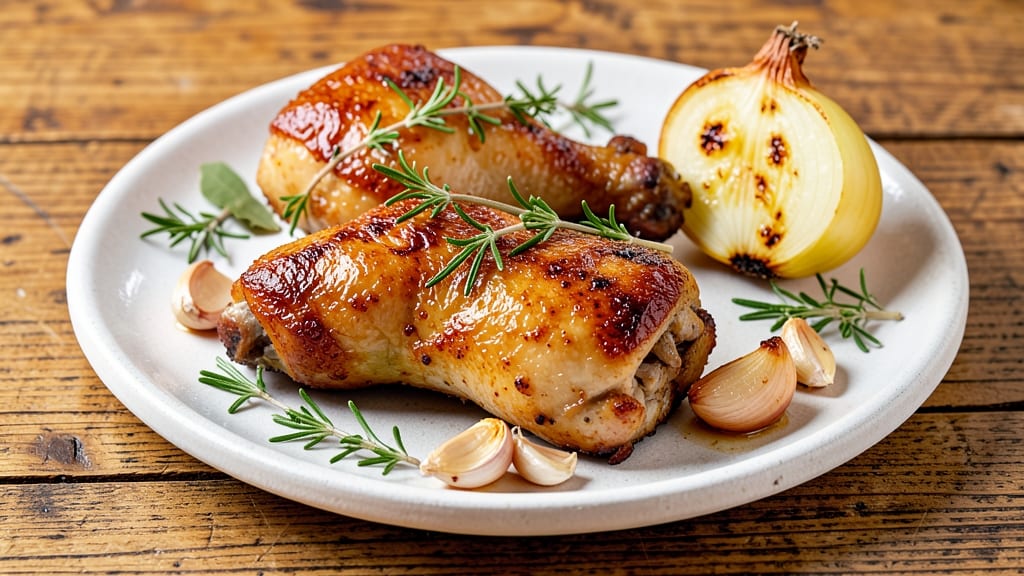
This boiled chicken thighs recipe transforms simple ingredients into a juicy, herb-infused centerpiece that requires just one pot and 30 minutes of hands-off time. After years of perfecting my grandmother’s Sunday roast chicken, I adapted this method for weeknight cooking—where tender meat and bold flavors meet effortless preparation.
The secret lies in slow simmering with aromatic herbs, ensuring every bite stays moist while developing deep, savory notes.
What sets this recipe apart is its foolproof technique: no risk of dryness, no complicated steps, just a pot of golden liquid that yields perfectly cooked thighs every time.
I’ve tested this method with bone-in and boneless thighs, and both deliver that melt-in-your-mouth texture when cooked to the right internal temperature. The herbs—thyme, bay leaves, and garlic—infuse the broth, creating a flavorful liquid that can double as a sauce or base for soups.
By the time you’re done, you’ll have restaurant-quality chicken thighs with crisp edges and tender centers, all bathed in a fragrant herb broth. This dish pairs beautifully with crusty bread to soak up the liquid or alongside roasted vegetables for a complete meal.
The best part? Leftovers reheat perfectly, making it ideal for meal prep or feeding a crowd.
Whether you’re preparing for a family dinner or a quick weeknight meal, this recipe delivers juicy, flavorful results without the fuss. Let’s get started with a method that’s as reliable as it is delicious.
Ingredients for boiled chicken thighs
Simple pantry staples and aromatic herbs create restaurant-quality chicken thighs in one pot.
| Ingredient | Amount | Notes |
|---|---|---|
| Chicken Thighs, Bone-In 🍗 | 1 ½ lb | Skin-on for crisp edges, trimmed |
| Yellow Onion 🧅 | 1 whole | Peeled, halved lengthwise, root intact |
| Garlic Cloves 🧄 | 6 cloves | Peeled, smashed with side of knife |
| Fresh Thyme Sprigs 🌿 | 4 whole | Stems intact for easy removal |
| Fresh Rosemary Sprig 🌿 | 1 whole | Large sprig for deep flavor infusion |
| Bay Leaves 🍃 | 2 whole | Dried, standard size |
| Diamond Crystal Kosher Salt 🧂 | 2 tbsp | Coarse grind for even seasoning |
| Black Peppercorns 🌶️ | 1 tsp | Freshly cracked for robust flavor |
| Extra-Virgin Olive Oil 🫒 | 2 tbsp | High-quality, fruity variety |
| Water 💧 | 4 cups | Filtered or spring water preferred |
| Lemon Wedges 🍋 | 2 whole | For finishing, organic preferred |
The chicken thighs are the foundation—bone-in delivers superior flavor and moisture retention. Look for thighs with good marbling and minimal bruising at Whole Foods or your local butcher shop. If using frozen, thaw overnight in the refrigerator. The herbs—thyme, rosemary, and bay leaves—are non-negotiable; they infuse the broth with complex, savory notes. Penzeys Spices offers excellent dried herb options if fresh aren't available, though fresh sprigs create a more vibrant infusion. The garlic should be freshly smashed rather than minced to prevent bitterness during the long simmer.
No fresh thyme? Dried thyme at one-third the amount works, but the flavor profile shifts slightly. Substitute rosemary with fresh oregano if needed, though the earthy notes differ. For the water, broth can replace half the amount—low-sodium chicken broth enhances flavor without over-salting. The olive oil isn't just for seasoning; it creates a delicate sheen on the chicken. Trader Joe's offers excellent affordable options, but any high-quality extra-virgin will suffice. If you prefer a lighter finish, reduce the oil to 1 tablespoon and add 1 tablespoon of lemon juice instead.
This dish reheats beautifully—simmer gently for 5-7 minutes to restore moisture. Store leftovers in an airtight container for up to 4 days in the refrigerator, or freeze for 3 months for future meals. The herb-infused broth can be repurposed as a sauce or soup base. For meal prep, portion the chicken and broth separately; the broth reheats best when combined with fresh herbs. The lemon wedges should be added just before serving to preserve their bright acidity.
Why You'll Love This Recipe
- No-Chop Night: I swear by this—just toss in whole onions and garlic cloves (peels and all) with the thyme and rosemary. The broth gets infused with flavor while I’m doing laundry or scrolling through my phone. Honestly, the messiest part is peeling the garlic afterward.
- Rich, Herby Depth: That combo of thyme and rosemary simmered with bone-in thighs? It turns the water into liquid gold. The meat stays juicy, the skin gets tender but not greasy, and the aroma in your kitchen will have everyone rushing to the table.
- Lunchbox Hero: Between us, this is my go-to for meal prep. Shred the cooled thighs into wraps, toss them into salads, or pack them with rice and veggies. The flavor holds up for days—better than store-bought rotisserie, and I control the salt.
- Budget Win: Bone-in thighs stretch my grocery budget and my leftovers. A single batch feeds my family dinner and lunch the next day. Plus, I freeze extras for those "I can’t decide what to eat" nights—just reheat and serve. Zero waste, all flavor.
Step-by-step instructions for boiled chicken thighs with herbs
This method delivers tender, flavorful chicken thighs infused with aromatic herbs in one pot.
Prepare the Chicken and Aromatics
Pat the 1.5 lb chicken thighs, bone-in dry with paper towels, removing any excess moisture from the skin. This step is crucial for developing crisp edges during cooking. Trim any large fat deposits but leave the skin intact to protect the meat.
In a large, deep pot with a lid, combine the peeled, halved yellow onion, 6 smashed garlic cloves, 4 whole fresh thyme sprigs, 1 whole fresh rosemary sprig, and 2 whole bay leaves. Heat the 2 tbsp extra-virgin olive oil over medium heat until shimmering. Add the chicken thighs skin-side down and sear for 3 minutes per side until golden brown. This initial sear locks in juices and builds flavor foundation.
Simmer with Herbs and Seasonings
Pour in the 4 cups water, ensuring the chicken is fully submerged. Add the 2 tbsp diamond crystal kosher salt and 1 tsp freshly cracked black peppercorns. Bring to a gentle boil over high heat, then immediately reduce to a simmer. The water should bubble gently with small bubbles breaking the surface—this indicates proper simmering temperature.
Cover the pot and maintain a steady simmer for 30 minutes. Avoid boiling vigorously as this can toughen the meat. Check occasionally to ensure the liquid level remains above the chicken. If needed, add a splash of water to maintain coverage. The herbs will infuse the broth, creating a fragrant base that penetrates the chicken.
Finish with Acid and Rest
After 30 minutes, add the 2 whole lemon wedges to the pot. The acidity brightens the flavors and tenderizes the meat further. Continue simmering uncovered for an additional 10-15 minutes until the chicken reaches an internal temperature of 165°F in the thickest part of the meat. The skin should be crisp and the meat should pull away from the bone easily when tested with a fork.
Remove the chicken from the broth and transfer to a serving platter. Tent loosely with foil and let rest for 5 minutes. This resting period allows the juices to redistribute throughout the meat, ensuring each bite remains juicy. Discard the herb sprigs and bay leaves, but reserve the flavorful broth for serving or making sauces.
Pro Tips For Making Boiled Chicken Thighs
- Start in Cold Water: I used to toss the thighs straight into boiling water—big mistake. Cold water means even cooking, so bring a pot of water to a simmer first, then add the thighs. This keeps the meat from seizing up and ensures the center hits 165°F without drying out. (Yes, even if you're impatient like me.)
- Trim the Fat, Keep the Flavor: Bone-in thighs have a lot of fat, and while some is good, too much can make the broth greasy. Trim the excess fat off the skin and edges, but leave a thin layer—it renders into the water and adds richness. I learned this the hard way when my broth turned into a murky mess.
- Don’t Crowd the Pot: If you pile the thighs too close together, they’ll steam instead of simmer. Leave at least an inch of space between them so the heat circulates and the skin can crisp slightly. I was skeptical until I tried it—now I double-check before lowering the lid.
- Save the Water for Later: The broth from boiled thighs is flavor gold, so don’t dump it. Strain it, reduce it slightly, and use it for gravy, rice, or even a quick pan sauce. I skip this when I’m lazy, but the dish is noticeably better when I don’t—especially with that thyme and rosemary aroma infused in the liquid.
Perfect pairings for this dish
Herb Broth Sauce
The fragrant herb broth from boiling the chicken is pure gold—use it to drizzle over the thighs before serving. I strain out any remaining herb bits and reduce the broth by half in a saucepan over medium heat to thicken slightly.
A splash of 1 tbsp lemon juice brightens it further. This sauce elevates simple sides like steamed greens or roasted potatoes to restaurant-worthy status. 💫
Crusty Bread Pairing
Nothing beats warm, crusty bread for soaking up that herb-infused broth. I love using a baguette or sourdough loaf from my local bakery—toss it in the oven at 375°F for 8-10 minutes until golden and crisp.
The bread's texture contrasts perfectly with the tender chicken, and the broth becomes a delicious dipping sauce.
Roasted Vegetable Sides
Roasted vegetables add color and texture to this meal. I recommend carrots, Brussels sprouts, or asparagus tossed in 1 tbsp olive oil, ½ tsp salt, and ¼ tsp black pepper, then roasted at 400°F for 20-25 minutes.
The caramelized edges complement the chicken beautifully. For extra flavor, sprinkle with toasted pine nuts or crumbled feta cheese before serving.
Bright Salad Contrast
A simple arugula salad with shaved fennel and cherry tomatoes cuts through the richness. Toss with a light dressing of 2 tbsp olive oil, 1 tbsp lemon juice, ½ tsp Dijon mustard, and a pinch of salt.
The peppery arugula and crisp fennel provide a refreshing contrast to the savory chicken. 🥗
Wine Pairings
For a classic pairing, I reach for a dry white wine like Sauvignon Blanc or Pinot Grigio—their crisp acidity complements the herb broth and lemon notes. If you prefer red, a light Pinot Noir from Oregon balances the dish without overpowering.
Avoid heavy, tannic reds that could clash with the delicate flavors. A chilled rosé also works beautifully for a summer meal.
Beer Options
A crisp lager like Peroni or Heineken cleanses the palate between bites, while a Belgian witbier adds a citrusy twist that enhances the lemon and herb flavors. For a local favorite, I often grab a wheat beer from my neighborhood brewery—its subtle sweetness pairs surprisingly well with the savory chicken.
Avoid hoppy IPAs, as their bitterness can compete with the dish's delicate herbs. 🍺
Nutrition facts
Frequently asked questions
Why boil chicken thighs instead of baking or grilling?
Boiling preserves moisture better than dry heat methods, resulting in juicier meat. The gentle simmer also infuses the chicken with aromatic herbs and garlic, creating a flavorful broth. For weeknight cooking, boiling is faster and more hands-off than baking or grilling.
Can I use boneless chicken thighs instead of bone-in?
Yes, but reduce cooking time to 20-25 minutes instead of 30. Boneless thighs cook faster and may dry out if overcooked. The herb broth will still infuse beautifully, though the flavor depth differs slightly without the bone's marrow contribution.
What if my chicken thighs aren't fully submerged?
Add enough water to cover them completely—never cook chicken uncovered. If using a small pot, reduce the batch size to 2 thighs at a time. The liquid should reach at least 1 inch above the chicken to prevent drying. For extra flavor, use broth instead of water.
How do I store or reheat leftovers?
Store in an airtight container for 4 days in the fridge or 3 months frozen. Reheat gently in a skillet with a splash of broth or water over low heat for 5-7 minutes to restore moisture. Never microwave—it dries out the meat.
Can I make this recipe in an Instant Pot?
Yes! Use the sauté function to sear the thighs first, then add all ingredients and cook on high pressure for 12 minutes. Release pressure naturally, then finish with lemon wedges. The Instant Pot version cooks 30% faster but requires slightly less liquid.