
Main Courses
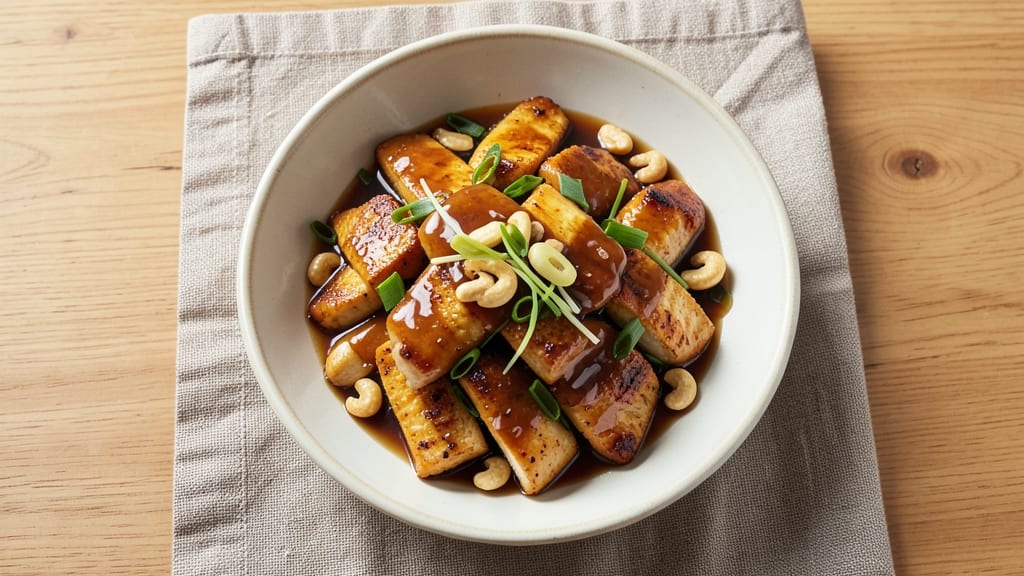
Transforming a weeknight dinner into a restaurant-quality stir fry is easier than you think when you use Campbell's chicken broth as the flavor base. This quick one-pan recipe delivers bold, savory flavors without requiring a wok or advanced techniques—just high heat and a few simple ingredients.
I developed it during a particularly busy month when I needed a meal that was both satisfying and fast, and it became an instant family favorite.
The secret lies in balancing Campbell's chicken broth with soy sauce, garlic, and ginger to create a sauce that's rich yet light, perfect for coating tender chicken and crisp vegetables.
You'll achieve that classic stir-fry texture with a cast iron skillet or even a large nonstick pan, and the entire process takes less than 30 minutes from start to finish. This method works equally well with pre-cut vegetables for convenience or fresh produce for maximum flavor.
By the time you're done, you'll have perfectly seared chicken pieces, vibrant vegetables, and a sauce that clings beautifully to everything. The aroma alone will have everyone gathering around the table, and the first bite delivers that perfect combination of savory, slightly sweet, and umami-rich flavors.
Serve it over steamed rice or noodles to soak up every last drop of that flavorful sauce.
This recipe scales effortlessly for leftovers or meal prep, making it ideal for busy schedules. The high-heat cooking method keeps the vegetables crisp-tender while sealing in the chicken's juices, ensuring every bite is packed with flavor.
Whether you're feeding a family or meal prepping for the week, this stir fry delivers professional-quality results with minimal effort.
Ingredients for campbell's chicken stir fry
Pantry staples meet quick weeknight magic—no wok needed for this Campbell's chicken stir fry.
| Ingredient | Amount | Notes |
|---|---|---|
| Boneless, Skinless Chicken Breast 🍗 | 1 ½ lb | Cut into 1-inch strips |
| Campbell's Chicken Broth 🍲 | 1 cup | Low-sodium preferred |
| Low-Sodium Soy Sauce 🥢 | ¼ cup | Or regular soy sauce |
| Garlic Cloves 🧄 | 4 cloves | Minced, or 1 tsp garlic powder |
| Fresh Ginger 🌿 | 1 tbsp | Grated, or 1 tsp ground ginger |
| Brown Sugar 🍯 | 1 tbsp | Light or dark |
| Sesame Oil 🫒 | 1 tbsp | For aroma, optional |
| Vegetable Oil 🫒 | 2 tbsp | High smoke point |
| Bell Peppers 🌶️ | 1 ½ cups | Mixed colors, sliced |
| Carrots 🥕 | 1 cup | Julienned or thinly sliced |
| Snap Peas 🌱 | ½ cup | Fresh or frozen |
| Green Onions 🧅 | 2 whole | Sliced, white and green parts |
| Sesame Seeds 🌾 | 1 tbsp | Toasted for garnish |
| Steamed White Rice 🍚 | 2 cups | Cooked, for serving |
| Salt 🧂 | ½ tsp | Adjust to taste |
The Campbell's chicken broth is the flavor foundation here. Grab the low-sodium version if you're watching salt, but regular works too—just cut back on added salt later. I always keep a few cans of this in my pantry because it's perfect for quick meals like this. The soy sauce? Low-sodium is better if you're using it as the primary seasoning, but regular works if that's what you've got. Fresh ginger and garlic make all the difference—don't skip them if you've got them. For the chicken, cutting it into even strips ensures it cooks perfectly every time. Pre-cut veggies from the store are a lifesaver when you're short on time, but fresh ones taste better if you've got them.
No Campbell's broth? Chicken bouillon powder mixed with hot water works in a pinch, but it won't have the same depth of flavor. Short on soy sauce? Coconut aminos or tamari are great substitutes. The sesame oil is all about aroma—use sparingly if you're sensitive to strong flavors. For the vegetables, frozen peas and carrots work perfectly if you're in a hurry. Just make sure they're thawed before cooking. The bell peppers can be any color you like—red, yellow, or green all work great. If you don't have sesame seeds for garnish, toasted slivered almonds add a nice crunch instead.
This stir fry tastes even better the next day—leftovers keep for 3-4 days in the fridge. I always double the recipe so I have enough for lunches. The sauce thickens as it cools, so you might want to add a splash of water or broth when reheating. Store it in an airtight container with a paper towel on top to keep the veggies crisp. For meal prep, portion the stir fry over rice in containers so everything stays together. Freezes well for up to 2 months if you want to make a big batch ahead of time.
Why You'll Love This Recipe
- Pantry Magic: I swear by this when I forget to grocery shop—just chicken, Campbell’s broth, and a few pantry staples. The broth does all the heavy lifting, turning a simple protein into something rich and savory without extra effort.
- Ginger-Garlic Kick: That fresh ginger and minced garlic? Oh, it’s a game-changer. The broth soaks up the aroma while the soy sauce ties it all together—bright, warm, and just salty enough. Honestly, I’ve tried fancier stir-fries, but this one’s the most balanced.
- Lunchbox Hero: Between us, this is my go-to for meal prep. Cook a big batch, let it cool, and it reheats like a dream—no soggy rice or bland flavors. My kids grab it for school lunches, and I take leftovers to work. (Yes, even on a Tuesday night.)
- Budget Win: Chicken breast is affordable, and Campbell’s broth stretches it into three meals. I’ll be real: I’ve made this for under $1.50 per serving, and it still feels like a restaurant dish. That’s the kind of practicality I live for.
Step-by-step instructions for Campbell's chicken stir fry
Here's how to make this flavorful one-pan meal in under 30 minutes.
Prep and Sear the Chicken
Cut the 1.5 lb boneless, skinless chicken breast into 1-inch strips and pat them dry with paper towels. This helps the chicken brown better and prevents steaming. Place the strips in a bowl and season with 0.5 tsp salt and 1 tbsp brown sugar, tossing to coat evenly.
Heat 2 tbsp vegetable oil in a large skillet or wok over medium-high heat until shimmering. Add the chicken in a single layer and cook undisturbed for 3-4 minutes until the edges are golden brown. Here's the thing—don't overcrowd the pan. If needed, work in batches to ensure proper browning. Once golden, transfer the chicken to a plate and set aside.
Stir-Fry the Vegetables
In the same skillet, add 1.5 cups bell peppers (sliced), 1 cup carrots (julienned), and 0.5 cup snap peas. Stir-fry over medium-high heat for 4-5 minutes until the vegetables begin to soften but still retain a crisp texture. You want them tender-crisp, not mushy.
Add 4 cloves garlic cloves (minced) and 1 tbsp fresh ginger (grated) to the skillet, stirring for 30 seconds until fragrant. The aroma will fill your kitchen—this is when the stir-fry starts to come together. Pour in 1 cup Campbell's chicken broth and 0.25 cup low-sodium soy sauce, scraping up any browned bits from the bottom of the pan. These bits are packed with flavor, so don't miss this step.
Combine and Simmer
Return the chicken to the skillet and stir to combine with the vegetables and sauce. Add 1 tbsp sesame oil and bring the mixture to a gentle simmer. Let it cook for 3-4 minutes until everything is heated through and the sauce has thickened slightly. The stir-fry should look glossy and well-coated.
Taste and adjust seasoning if needed. If the sauce is too thin, let it simmer uncovered for another minute or two to reduce slightly. Here's where it gets good—sprinkle with 1 tbsp toasted sesame seeds and 2 whole green onions (sliced) just before serving to add texture and freshness.
Serve Over Steamed White Rice
Divide 2 cups steamed white rice evenly among four plates. Spoon the chicken stir-fry over the rice, ensuring each serving gets a generous portion of both chicken and vegetables. The rice acts as a perfect base to soak up all that delicious sauce.
This stir-fry is best served immediately while everything is hot and the flavors are at their peak. Garnish with extra green onions if desired, and enjoy your quick, protein-packed meal. The combination of tender chicken, crisp vegetables, and savory sauce makes this a perfect weeknight dinner.
Pro Tips For Making Campbell'S Chicken Stir Fry
- CRISPCROSS CHICKEN FIRST: Cut the chicken into 1-inch strips before seasoning—thicker pieces soak up Campbell’s broth unevenly and stay dry. I used to slice them paper-thin for "quick cooking," but they’d turn into rubber by the end. Bigger chunks stay juicy even when stir-frying.
- GRATE GINGER FINE: Use a microplane or the smallest holes on a box grater for ginger—this releases flavor without bitter chunks. I learned this the hard way after pulling out a big, chewy piece that ruined the sauce. A teaspoon of freshly grated packs more punch than a whole clove.
- SALT THE BROTH NOW: Add a pinch of salt to the Campbell’s broth before heating it—low-sodium soy sauce won’t cut it alone. The broth’s flavor is the backbone here, and if it’s bland, the whole dish tastes flat. (Yes, even if the label says "low-sodium," it’s still worth it.)
- LOWER HEAT LATE: Start stir-frying on high to sear the chicken, but drop to medium-low once the broth comes in—this keeps the sauce from curdling. I burned the garlic twice before realizing the broth needs to simmer, not boil. Let the heat work with you, not against you.
Flavor customization for this dish
Sweet and Savory Balance
Adjust the sweetness by adding more or less brown sugar—I like 1 tbsp for a subtle caramel note, but 2 tbsp brings out deeper umami flavors. For a spicy-sweet twist, add ½ tsp red pepper flakes or 1 tsp sriracha to the sauce.
If you prefer a fruitier profile, swap the brown sugar for 1 tbsp honey or maple syrup—it pairs beautifully with the soy and broth. 🌶️
Umami Boosters
For extra depth, stir in 1 tbsp oyster sauce or 1 tsp fish sauce when combining the sauce. These add a rich, savory punch that elevates the dish without overpowering it.
If you're vegetarian, use ½ cup mushrooms (sliced) and a dash of soy sauce to mimic umami. Trust me, your taste buds will thank you.
Herb and Spice Variations
Swap the ginger for 1 tsp cinnamon or ½ tsp five-spice powder for a warm, aromatic twist. Fresh herbs like cilantro or basil add brightness—toss in 2 tbsp chopped cilantro at the end for a fresh finish.
For a smoky flavor, add ½ tsp smoked paprika to the chicken marinade. The possibilities are endless!
Protein Swaps
Use tofu or shrimp instead of chicken—just adjust cooking times. For tofu, press and cube it before searing; shrimp cooks in 2 minutes per side. Swap in chicken thighs for juicier, richer bites.
If you're feeling adventurous, try beef strips (like flank steak) for a heartier stir-fry. The sauce works beautifully with all of them. 🥩
Vegetable Customizations
Add broccoli florets or zucchini slices for extra veggies. For a crunchier texture, toss in water chestnuts or snap peas after cooking. If you love heat, stir in 1 tbsp chopped Thai chilies or 1 tsp chili crisp.
The key is balancing textures—soft veggies with crispy chicken and tender greens.
Sauce Thickness Control
Need a thicker sauce? Simmer uncovered for 2-3 minutes to reduce. Too thick? Add 1-2 tbsp water or broth. For a creamier version, stir in 2 tbsp coconut milk at the end.
The sauce should coat the back of a spoon but still be pourable—this ensures every bite is flavorful without being soggy. 💫
Nutrition facts
Frequently asked questions
Can I substitute Campbell's chicken broth with another brand?
Yes, but the flavor will differ slightly. Use 1 cup of any good-quality chicken broth or bouillon made with water. For best results, choose a low-sodium option to match the recipe's balance. If using bouillon powder, dissolve it in 1 cup of hot water first. The key is maintaining the same liquid volume for proper sauce consistency.
How do I prevent the chicken from drying out?
Pat the chicken strips completely dry before cooking and don't overcrowd the pan. Cook in batches if needed, and remove the chicken when it reaches 165°F internal temperature. The quick sear at medium-high heat locks in juices, while the sauce helps keep it moist. For extra tenderness, marinate the chicken for 15-20 minutes in soy sauce and a touch of oil before cooking.
Can I make this stir fry ahead of time?
Prepare it up to 2 days in advance and store in an airtight container in the fridge. The flavors actually improve overnight. When reheating, add 1-2 tbsp of water or broth to prevent drying. For best texture, serve over freshly cooked rice. If freezing, portion with rice and freeze for up to 2 months. Thaw overnight in the fridge before reheating.
What's the best way to adjust the spice level?
For mild heat, add ¼ tsp red pepper flakes to the sauce. For medium spice, increase to ½ tsp. For heat lovers, stir in 1 tsp sriracha or 1 tbsp chopped fresh chili at the end. Always taste first—you can't remove spice, but you can balance it with a touch of brown sugar or extra soy sauce.
Why does my sauce turn out too thin?
This happens when the sauce doesn't reduce enough. After combining all ingredients, simmer uncovered for 2-3 extra minutes to thicken. If it's still too thin, mix 1 tbsp cornstarch with 1 tbsp water, stir into the sauce, and cook for 1 minute until thickened. For a quicker fix, use ½ cup of broth instead of 1 cup in the recipe.