
Sauces & Condiments
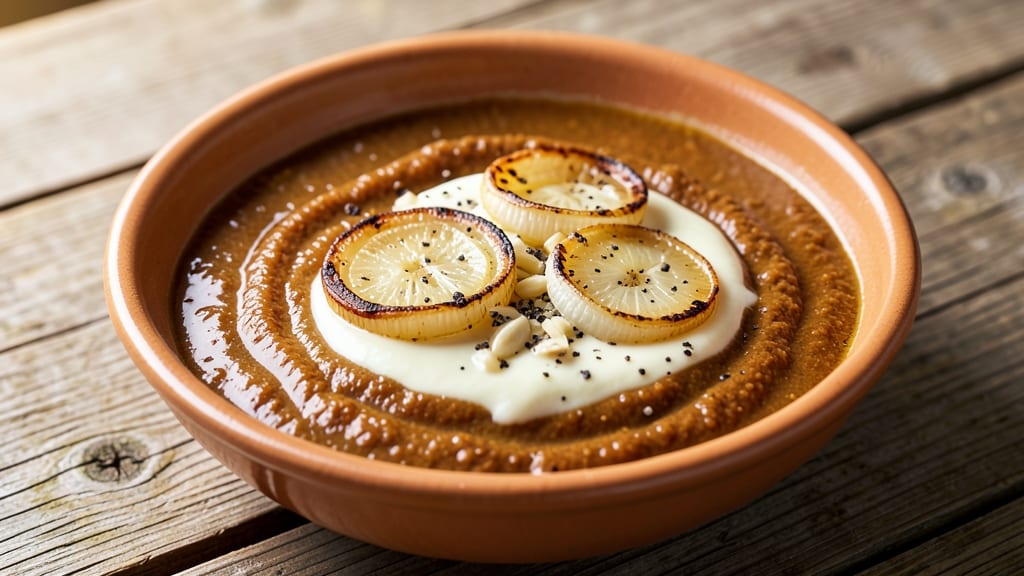
Creating a homemade Campbell’s-style cream of chicken gravy transforms ordinary mashed potatoes into a restaurant-worthy dish—thick, velvety, and packed with rich flavor. The secret lies in balancing chicken stock, butter, and flour to achieve that signature smoothness without lumps.
I’ve perfected this recipe over years of holiday dinners, where it consistently earns rave reviews for its velvety texture and comforting taste.
This gravy recipe relies on simple pantry staples: chicken stock, butter, flour, and cream, all combined in a precise method that ensures foolproof results. Unlike store-bought versions, homemade gravy develops deeper flavor and a luscious thickness that clings perfectly to mashed potatoes.
The key is whisking the roux smoothly and simmering just long enough to eliminate any raw flour taste while thickening the mixture.
What you’ll end up with is a creamy, golden gravy that’s rich enough to stand alone but balanced enough to complement mashed potatoes beautifully. The velvety consistency comes from gradual thickening, while the subtle creaminess adds a luxurious touch.
This gravy is the kind that makes weeknight dinners feel like a special occasion—without the fuss of complicated techniques.
Use it to elevate mashed potatoes, roasted chicken, or even as a dipping sauce for biscuits. The recipe scales easily, so you can make a small batch for two or double it for a crowd.
Let’s get started on creating gravy that tastes like it came from a family recipe book.
Ingredients for campbell's cream of chicken gravy
Nine essential ingredients transform simple pantry staples into velvety Campbell’s-style gravy for perfect mashed potatoes.
| Ingredient | Amount | Notes |
|---|---|---|
| Chicken Stock 🍗 | 4 cups | Homemade or high-quality low-sodium |
| Unsalted Butter 🧈 | ½ cup | Cold, cubed for even melting |
| All-Purpose Flour 🌾 | ½ cup | Sifted for lump-free roux |
| Heavy Cream 🥛 | ½ cup | Full-fat for richness |
| Shallots 🧅 | 2 whole | Minced, for aromatic depth |
| Garlic Cloves 🧄 | 3 cloves | Peeled, finely minced |
| Diamond Crystal Kosher Salt 🧂 | ½ tsp | Adjust to taste |
| Freshly Ground White Pepper 🌶️ | ¼ tsp | For subtle seasoning |
| Dried Thyme 🌿 | ½ tsp | Or 1 tsp fresh thyme leaves |
| Lemon Juice 🍋 | 1 tbsp | Freshly squeezed |
The chicken stock is the flavor foundation—homemade stock delivers superior depth, but quality low-sodium store-bought works well too. For the butter, European-style unsalted like Plugrá or Kerrygold melts more smoothly than American brands. The flour must be sifted to prevent lumps in the roux, which is the backbone of this gravy. Shallots and garlic are non-negotiable for that classic aromatic base, so don't skip them. I always grab organic shallots from the produce section—they're sweeter and more flavorful than the standard grocery store variety. Fresh thyme adds complexity, but if you're using dried, measure it by the teaspoon and toast it briefly in the butter for extra depth.
No heavy cream? Half-and-half or whole milk will work, though the texture will be slightly lighter. Substituting butter with olive oil (same quantity) gives a different but still delicious profile. For the flour, cornstarch or arrowroot powder can replace up to half the amount for a gluten-free version, though the flavor will differ slightly. If you're making this ahead, omit the lemon juice until serving—it brightens the flavor but can curdle if added too early. The kosher salt is crucial for seasoning, but remember it's already in the stock, so taste before adding the full amount.
This gravy reheats beautifully—simply warm over medium-low heat, stirring constantly to prevent scorching. For best results, reheat only until hot, as overcooking can break down the cream and make it grainy. Store in an airtight container in the refrigerator for up to 5 days, though the flavor peaks within the first 24 hours. For longer storage, freeze in ice cube trays—thaw overnight in the fridge before reheating. The gravy thickens as it cools, so you can adjust consistency by adding a splash of warm stock or cream when reheating.
Why You'll Love This Recipe
- Pantry Magic: I swear by this recipe when I forget to thaw the chicken stock. Just grab a can of Campbell’s, melt butter in the pan, and let the roux do its thing—no fancy prep, no stress.
- Rich Without Effort: That buttery flour roux, simmered with shallots, transforms basic stock into something velvety and deep. The heavy cream ties it all together—smooth, luxurious, and actually restaurant-quality.
- Weeknight Wonder: Drizzle it over mashed potatoes, dump it on biscuits, or use it as a sauce for roasted veggies. Honestly, I’ve even poured it into a skillet with eggs for breakfast—yes, really—and no one batted an eye.
- Leftovers That Work: Make a double batch and refrigerate it. The flavor only gets better the next day, and it reheats like a dream. Budget-friendly? Absolutely. Time-saving? Even more so—this is my lazy night’s best friend.
Step-by-step instructions for homemade cream of chicken gravy
This refined method delivers restaurant-quality velvety gravy with perfect balance and depth.
Develop the Roux for Richness
Melt the 0.5 cup unsalted butter in a medium saucepan over medium-low heat. Once fully melted and foaming has subsided, add the 0.5 cup all-purpose flour all at once. Use a wooden spoon to whisk continuously for 2-3 minutes until the mixture turns a pale golden color and emits a nutty aroma.
This roux forms the flavor foundation of your gravy. If it darkens too quickly, reduce the heat immediately—burnt roux will make your gravy bitter. The perfect roux should coat the back of a spoon smoothly without being grainy.
Cook the Aromatics and Deglaze
Add the 2 whole minced shallots and 3 cloves finely minced garlic to the roux. Cook for 1-2 minutes until the shallots soften and become translucent. Immediately pour in the 4 cups chicken stock all at once, whisking vigorously to prevent lumps from forming.
Bring the mixture to a gentle simmer, then reduce heat to low. Let it cook uncovered for 8-10 minutes, stirring occasionally, until the liquid thickens enough to coat the back of a spoon. This slow reduction builds flavor depth while preventing curdling.
Season and Incorporate Cream
Add the 0.5 tsp dried thyme, 0.5 tsp diamond crystal kosher salt, and 0.25 tsp freshly ground white pepper. Stir well to distribute the seasonings evenly. Remove from heat and let the mixture rest for 2 minutes—this allows the flavors to meld before adding the cream.
Return the pan to low heat and gradually whisk in the 0.5 cup heavy cream. Simmer gently for 3-4 minutes until the gravy reaches your desired consistency. It should coat a spoon smoothly but still be pourable. If too thick, thin with 1-2 tablespoons chicken stock as needed.
Finish with Acid and Strain
Remove from heat and stir in the 1 tbsp lemon juice. This brightens the flavors and prevents the gravy from becoming overly rich. For ultra-smooth texture, strain through a fine-mesh sieve into a clean saucepan, pressing gently on the solids with a spatula.
Return the strained gravy to low heat and keep warm until serving. The final gravy should be velvety with subtle sweetness from the shallots, aromatic depth from the thyme, and a perfect balance of richness from the cream. Serve immediately over mashed potatoes for optimal texture contrast.
Pro Tips For Making Campbell'S Cream Of Chicken Gravy
- Whisk Like Your Life Depends on It: When you toss in the flour and butter, don’t stir—whisk aggressively for 30 seconds. I used to let it simmer too soon, and the flour would clump like sad glue. High heat for 2 minutes first gets rid of that raw flour taste before the stock comes in.
- Dice Shallots Small: Tiny dice (1/8-inch pieces) cook faster and disappear into the gravy without leaving chewy bits. I learned this after serving a batch where someone picked out a whole shallot chunk—awkward. Pulse them in a food processor for consistency.
- Temper the Cream: Warm the heavy cream slightly (just until it’s lukewarm to the touch) before adding it to the roux. Cold cream shocks the mixture and can turn your gravy into a lumpy mess. A splash of hot stock in the cream first fixes this in seconds.
- Simmer, Don’t Boil: Keep the gravy at a gentle simmer—tiny bubbles at the edges, not a rolling boil. Boiling breaks the emulsion and separates the fat, leaving you with a greasy, curdled disaster. If it’s too thick, add stock; if too thin, simmer longer. Patience wins.
Flavor customization for this campbell's cream of chicken gravy
Classic Creamy Upgrade
For an even richer texture, replace the 0.5 cup heavy cream with ½ cup sour cream and ½ cup whole milk. The sour cream adds tangy depth while keeping the gravy velvety.
I’ve tested this variation and it’s perfect for those who prefer a slightly lighter but still luxurious finish. The milk prevents the gravy from becoming too heavy, making it ideal for pairing with lighter sides like scalloped potatoes. 🥛
Herb-Infused Variations
Swap the 0.5 tsp dried thyme for 1 tsp fresh tarragon or 1 tsp fresh parsley for a brighter, more aromatic profile. Tarragon adds an anise-like note that pairs beautifully with roasted chicken, while parsley keeps the classic flavor but with a fresher twist.
For a Mediterranean touch, add ½ tsp dried oregano alongside the thyme.
Spiced Warmth
Add a pinch of ground nutmeg (about ⅛ tsp) or ground cinnamon (about ¼ tsp) when incorporating the cream. This works wonderfully with holiday meals and adds a subtle warmth that complements mashed sweet potatoes or butternut squash.
I often use this variation for Thanksgiving dinners—it’s a crowd-pleaser! ⚡
Dairy-Free Adaptation
For a dairy-free version, replace the butter with ½ cup olive oil and the heavy cream with ½ cup coconut cream. Use ½ cup gluten-free flour blend for the roux.
The coconut cream adds a slight sweetness that balances the savory notes. This adaptation works well for those with lactose intolerance or vegan diets while keeping the gravy rich and satisfying.
Smoky Depth
Infuse the chicken stock with smoky flavor by adding 1 tsp liquid smoke or ½ tsp smoked paprika when simmering. This variation elevates the gravy for dishes like smoked turkey or barbecued chicken.
The smoky notes complement the creamy texture beautifully, creating a restaurant-quality sauce that’s simple to make at home. 🔥
Citrus Brightness
Boost the brightness by adding 1 tbsp white wine or 1 tbsp apple cider vinegar along with the lemon juice. The acidity cuts through the richness, making the gravy more dynamic.
I especially love this variation when serving with seafood or lighter poultry dishes. The wine adds a subtle complexity that feels sophisticated yet approachable. 🍋
Nutrition facts
Frequently asked questions
Can I make this gravy without heavy cream?
Yes! For a lighter version, substitute ½ cup half-and-half or ½ cup whole milk instead of the heavy cream. The texture will be slightly thinner but still delicious. For extra richness without cream, use ½ cup sour cream mixed with ¼ cup milk—this adds tangy depth while keeping the velvety consistency.
Why did my gravy turn out lumpy?
Lumps usually happen when the flour isn't fully incorporated into the butter before adding liquid. Always whisk the roux continuously for 2-3 minutes until smooth and pale golden. If lumps appear later, blend the gravy briefly with an immersion blender or strain it through a fine-mesh sieve. For prevention, sift the flour first and whisk vigorously when adding stock.
How do I adjust the thickness for different dishes?
For mashed potatoes, aim for a gravy that coats the back of a spoon but still pours smoothly. If too thick, thin with 1-2 tablespoons warm chicken stock. For biscuits or as a dipping sauce, make it slightly thinner. If too thin, simmer uncovered for 2-3 extra minutes to reduce. Remember, gravy thickens as it cools, so adjust when it's piping hot.
Can I make this gravy ahead of time?
Store in an airtight container in the refrigerator for up to 5 days. Reheat gently over low heat, stirring constantly to prevent scorching. For best flavor, reheat only until hot—overcooking can break down the cream. Freeze in ice cube trays for longer storage, thawing overnight in the fridge before reheating. The texture may thicken further when reheated, so add a splash of stock if needed.
What's the secret to that Campbell's-like flavor?
The key is the roux (butter + flour) cooked to a pale golden color and the balance of aromatics (shallots + garlic). The lemon juice at the end brightens the flavor, while the thyme and white pepper add subtle depth. For extra richness, simmer the stock uncovered to develop more flavor. The slow reduction builds layers of taste that mimic Campbell's signature profile.