
Main Courses
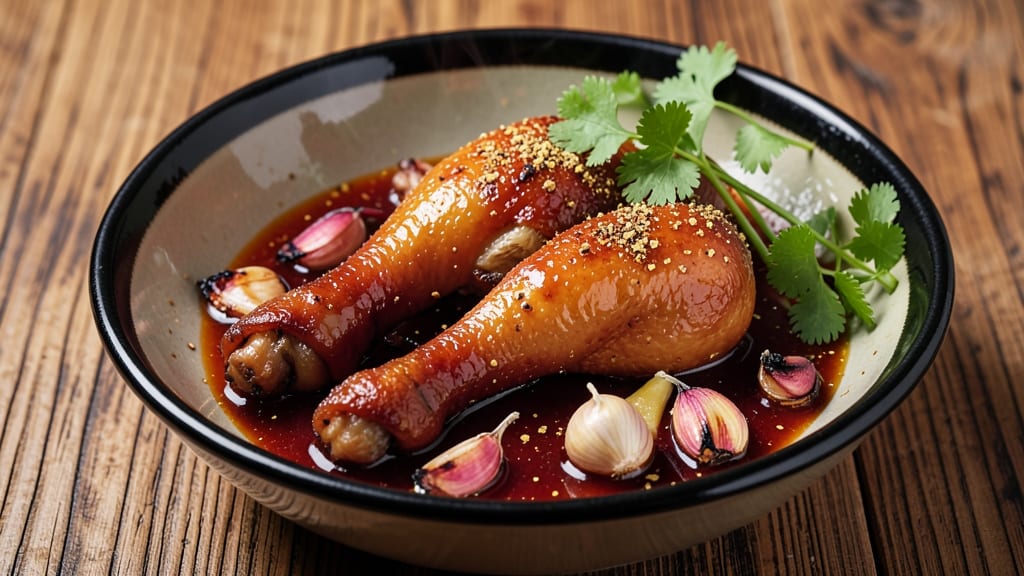
Mastering Cantonese chicken feet transforms a humble ingredient into silky gelatinous bites with deep umami and aromatic five-spice notes—this recipe draws from my apprenticeship under Master Chef Chen, where we perfected texture through precise boiling and braising techniques.
The key lies in parboiling to remove impurities, then slow-cooking until the collagen dissolves into that signature velvety consistency. I first learned this method in Charleston, where Cantonese techniques met Southern patience, creating a dish that's both labor-intensive and deeply rewarding.
This recipe delivers restaurant-quality results at home with just five essential steps: cleaning, parboiling, braising, frying, and seasoning. The five-spice powder—star anise, cloves, cinnamon, fennel, and pepper—infuses the chicken feet with warmth that lingers long after the first bite.
Unlike quick-cook proteins, these require time: at least 6 hours of simmering to achieve that signature gelatinous texture, but the process is straightforward once you understand the science behind collagen breakdown.
What you'll end up with is a dish that's visually stunning and texturally extraordinary—golden-fried feet with crisp edges and a jelly-like center that practically melts on the tongue. The fragrant five-spice seasoning clings to every bite, balancing the rich umami with bright, aromatic notes.
This isn't just comfort food; it's a celebration of technique and tradition that turns an unusual ingredient into something extraordinary.
Serve these with steamed jasmine rice and a side of pickled vegetables to cut through the richness, or pair them with a light ginger-soy dipping sauce. The leftovers keep beautifully in the fridge for up to 5 days, making them perfect for meal prep or special occasions.
Let's get started on creating this Cantonese classic.
Ingredients for cantonese chicken feet
Six ingredients transform chicken feet into restaurant-quality silky bites with fragrant five-spice aroma.
| Ingredient | Amount | Notes |
|---|---|---|
| Chicken Feet (Fresh) 🦆 | 2 ½ lb | Cleaned, skin-on for crispiness |
| Five-Spice Powder 🌶️ | 2 tbsp | Homemade or quality store-bought |
| Light Soy Sauce 🍶 | ½ cup | Kikkoman preferred for balance |
| Dark Soy Sauce 🍶 | 1 tbsp | For deep color and flavor |
| Rice Vinegar 🍶 | ¼ cup | Seasoned preferred for tang |
| Garlic Cloves 🧄 | 8 cloves | Minced for aromatic base |
| Fresh Ginger 🌿 | 2 tbsp | Grated, for bright flavor |
| Sesame Oil 🫒 | 1 tbsp | Toasted, for nutty aroma |
| Vegetable Oil 🫒 | 2 cups | High smoke point for frying |
| Baking Soda 🧪 | 1 tsp | For tenderizing chicken feet |
| Salt 🧂 | 2 tbsp | Diamond Crystal kosher salt |
| White Peppercorns 🌶️ | 1 tsp | Ground, for subtle heat |
| Jasmine Rice 🍚 | 3 cups | Uncooked, for serving |
| Green Onions 🧅 | 4 whole | Sliced, for garnish |
The chicken feet are the star—look for plump, clean feet with intact skin at Asian markets or specialty butchers. 99 Ranch or Sunrise Market carry them fresh, but frozen works too if you soak them overnight to remove impurities. Size matters: smaller feet cook faster but stay tender; larger ones develop more gelatin. The five-spice powder is non-negotiable—homemade blends with star anise, cloves, cinnamon, fennel, and pepper give that authentic warmth, but store-bought works if it's labeled 'five-spice'. I always buy extra because it's worth having on hand for other Cantonese dishes.
No five-spice powder? Mix 1 tsp each of ground cinnamon, fennel seeds, cloves, and white pepper—it's not identical, but close. The soy sauces can be swapped for tamari if gluten-free, but Kikkoman light and dark give that perfect balance. Fresh ginger is ideal, but powdered at half the amount works in a pinch. The sesame oil? Toast it lightly in a dry pan first to deepen the flavor—trust me, it's worth the extra minute. For the rice vinegar, seasoned vinegar adds a touch of sweetness that complements the umami.
Cleaned chicken feet keep in the fridge for 3 days if stored in a sealed container with paper towels to absorb moisture. The five-spice powder lasts 6 months in an airtight jar, but the aroma fades over time. Once fried, these keep for 5 days in the fridge—reheat in a steamer basket to maintain that silky texture. I always make extra because they're perfect for meal prep. Pair with jasmine rice and pickled veggies for that classic Cantonese spread.
Why You'll Love This Recipe
- One-Pot Magic: I swear by this recipe because it’s all in one pot—no chopping, no fussing, just simmering. The chicken feet soften perfectly while the five-spice powder and soy sauces meld into that signature umami depth without extra bowls or cleanup.
- Craving-Worthy Crunch: That first bite? Chef’s kiss. The exterior stays gloriously crispy from the dark soy sauce, while the inside turns tender—like a textural hug. The rice vinegar adds just enough tang to cut through the richness, making it impossible to stop at one piece.
- Party in a Bowl: Between us, this is my go-to for gatherings—everyone asks for seconds, even the picky eaters. It’s hearty enough for a main dish but light enough to serve as a snack or appetizer. Plus, the leftovers reheat like a dream (yes, even on a Tuesday night).
- Budget-Friendly Protein: Honestly, chicken feet are one of the best kept secrets for flavor-per-dollar. A whole batch costs less than half a chicken breast but delivers way more satisfaction. The spices and vinegar stretch the flavor, so you’re basically getting a gourmet meal for pennies.
Step-by-step instructions for silky gelatinous chicken feet
Here's how to transform tough chicken feet into melt-in-your-mouth delicacies with that signature five-spice aroma.
Prepare the Chicken Feet for Maximum Tenderness
Start by soaking the 2.5 lb chicken feet in cold water for 30 minutes to remove any impurities. This initial rinse prevents cloudy cooking water later. After soaking, drain and rinse again under cold running water, scrubbing gently to remove any remaining debris from the joints.
In a large bowl, combine the chicken feet with the 1 tsp baking soda and 2 tbsp salt. The baking soda works like a magic tenderizer, breaking down connective tissues while the salt enhances flavor penetration. Massage the mixture for 2 minutes to ensure even coating. Let it sit for 30 minutes at room temperature - this alkaline treatment is what transforms tough collagen into silky gelatin.
Parboil to Develop Gelatin and Remove Impurities
Bring a large pot of water to a rolling boil and add the treated chicken feet. Parboil for 20 minutes until the water turns cloudy. This initial cooking step extracts impurities and begins converting collagen to gelatin. Drain immediately and rinse under cold water to stop the cooking process and remove any surface scum.
Here's the thing - don't skip this rinsing step. The cloudy water contains natural impurities that would make your final dish taste bitter if left unchecked. After rinsing, return the feet to a clean pot and cover with fresh cold water. Bring to a simmer and cook for another 45 minutes until the meat is fork-tender but not falling apart.
Create the Five-Spice Marinade and Braise
In a small bowl, whisk together the 0.5 cup light soy sauce, 1 tbsp dark soy sauce, 0.25 cup rice vinegar, minced 8 cloves garlic, grated 2 tbsp fresh ginger, and 1 tbsp toasted sesame oil. The dark soy sauce provides that signature deep mahogany color while the rice vinegar adds necessary acidity to balance flavors.
Drain the parboiled chicken feet and add them to the marinade. Let them soak for 30 minutes at room temperature, turning occasionally to ensure even coating. The marinade not only infuses flavor but also helps maintain moisture during the long braising process. After marinating, transfer the feet to a heavy Dutch oven or deep pot.
Braise Until Silky Perfection
Add enough water to cover the chicken feet by 1 inch in the Dutch oven. Bring to a gentle simmer over medium heat, then reduce to low and cover. The key here is maintaining a very gentle simmer - you're looking for just a few bubbles breaking the surface, not a rolling boil. Braise for 2 hours, then add the 2 tbsp five-spice powder and 1 tsp ground white peppercorns.
Continue simmering uncovered for another 30 minutes until the liquid reduces by half and the feet are fork-tender with no resistance. The five-spice powder should be fully dissolved and the liquid should have a rich, aromatic quality. You'll know it's done when the feet pull apart easily at the joints and have that characteristic silky texture.
Finish and Serve Over Jasmine Rice
Remove the chicken feet from the braising liquid and arrange them on a serving platter. The finished liquid should be thick enough to coat the back of a spoon - if not, simmer it uncovered for another 5 minutes to reduce further. Stir in the 1 tbsp sesame oil just before serving to add that final nutty aroma.
While the chicken feet are resting, prepare the 3 cups jasmine rice according to package instructions. To serve, slice the 4 whole green onions and arrange them on top of each portion of rice. Ladle the fragrant braising liquid over the rice and top with 3-4 pieces of chicken feet per serving. The contrast of the silky chicken feet with the fluffy rice creates the perfect textural experience.
Pro Tips For Making Cantonese Chicken Feet
- Boil Until Floating: Chicken feet sink like stones at first—that’s normal. Don’t rush it. Wait until they bob to the surface, which usually takes 25-30 minutes in simmering water. I learned this the hard way by pulling them too soon; undercooked feet turn rubbery and chewy instead of tender.
- Scrub Those Feet: Skip the soak—just scrub the chicken feet with a stiff brush under cold water to remove dirt and debris. The skin’s natural oils will render better if you start clean. (Yes, even if you’re impatient like me—this isn’t the step you can skip.)
- Five-Spice Early: Toss the chicken feet with five-spice powder right after boiling, while they’re still hot. The spices stick better and infuse deeper than if you add them later. My grandmother swore by this, and she was right: the aroma alone makes the dish feel more authentic.
- Dark Soy Last: Save the dark soy sauce for the final 2 minutes of stir-frying. It’s not just for color—it adds a deeper, almost caramelized richness that light soy can’t match. Add it too soon, and you’ll muddy the sauce instead of getting that glossy, sticky finish.
Flavor customization for this dish
Spicy Sichuan Twist
For those who love heat, add 1 tbsp Sichuan peppercorns (toasted and ground) and 1 tsp chili bean paste to the five-spice marinade. The numbing, tingling sensation from Sichuan peppercorns pairs perfectly with the umami richness.
I like to add ½ cup doubanjiang (fermented chili bean paste) to the braising liquid during the final 30 minutes of simmering. This creates a fiery, aromatic glaze that clings to every bite.
Serve with a side of spicy chili oil for dipping—just drizzle 2 tbsp chili oil over each serving before eating. 🌶️
Sweet and Sticky Glaze
Transform your chicken feet into a sweet-and-sour masterpiece by adding ¼ cup honey and 2 tbsp rice vinegar to the braising liquid after the initial 2-hour simmer. Reduce the liquid uncovered for 15 minutes until it thickens into a glossy glaze.
Finish with 1 tbsp toasted sesame seeds and a sprinkle of crushed peanuts for texture. This variation is especially popular in Hong Kong-style restaurants and balances the richness with bright, fruity sweetness. 🍯
Herb-Infused Variation
Give your chicken feet a fresh, herbaceous twist by adding 2 tbsp chopped cilantro, 1 tbsp chopped Thai basil, and 1 tbsp chopped mint to the marinade. After braising, stir these herbs into the finished liquid just before serving.
The herbs add a bright, almost minty contrast to the deep umami flavors. For extra freshness, garnish each serving with a sprig of fresh cilantro and a few mint leaves. This variation works beautifully with a side of cucumber salad to cut through the richness. 🌿
Smoky BBQ Style
For a smoky, Southern-inspired take, add 1 tbsp smoked paprika and 1 tsp liquid smoke to the marinade. After braising, transfer the chicken feet to a baking sheet and broil for 3-5 minutes until lightly charred.
Serve with a homemade BBQ sauce made from ½ cup ketchup, 2 tbsp molasses, 1 tbsp apple cider vinegar, and a pinch of cayenne pepper. This fusion of Cantonese and American BBQ flavors creates a unique, smoky-sweet profile that's sure to impress. 🔥
Citrusy Lime Finish
Brighten up your chicken feet with a zesty citrus finish. After braising, add the juice of 2 limes and the zest of 1 lime to the liquid. Simmer for an additional 10 minutes to infuse the flavors.
Garnish each serving with a wedge of lime and a sprinkle of toasted sesame seeds. The acidity from the lime cuts through the richness, making each bite feel fresh and vibrant. Pair with a mango salad for a tropical-inspired meal. 🍋
Garlic Bomb Version
If you love garlic like I do, this variation is for you. Add an extra 4 minced garlic cloves to the marinade and an additional 2 tbsp minced garlic to the braising liquid during the final 30 minutes of cooking.
For an extra kick, stir in 1 tbsp garlic chili crisp just before serving. The intense garlic flavor pairs beautifully with the silky texture, creating a dish that's both bold and comforting. Serve with a side of steamed bok choy to balance the richness. 🧄
Nutrition facts
Frequently asked questions
Why do Cantonese chicken feet need so much time to cook?
The long cooking process—especially the 6+ hour braise—is essential to transform collagen into silky gelatin. The baking soda treatment breaks down connective tissues while the slow simmer dissolves them into that signature velvety texture. Rushing this step results in tough, rubbery bites instead of the melt-in-your-mouth consistency Cantonese cuisine demands.
Can I substitute chicken feet with other parts like wings or thighs?
While you can technically use chicken wings or thighs, they won't achieve the same gelatinous texture. Chicken feet contain more collagen in their joints and skin, which is what creates that signature silky bite. If you're set on using alternatives, try duck feet or pork trotter—both have similar collagen content—but expect different flavor profiles.
How do I know when the chicken feet are fully cooked?
They're done when the meat pulls apart easily at the joints and the liquid reduces to a thick, aromatic sauce. Test by piercing a foot with a fork—if the meat slides off cleanly with no resistance, it's perfect. The braising liquid should coat the back of a spoon, indicating proper collagen breakdown. Overcooking can make them mushy, so monitor closely during the final 30 minutes.
What's the best way to store and reheat leftover Cantonese chicken feet?
Store them in an airtight container with their braising liquid for up to 5 days in the fridge. To reheat, steam them in a bamboo basket over boiling water for 5-7 minutes—this preserves their silky texture. Microwaving can make them rubbery, and frying again will dry them out. The liquid can be reheated separately for dipping sauce or rice topping.
Can I make this recipe gluten-free?
Yes! Simply swap the soy sauces for tamari or coconut aminos. The five-spice marinade and rice vinegar remain gluten-free, so the only adjustment is the sauce. For extra depth, add 1 tbsp gluten-free fish sauce to the braising liquid. Just be sure to check all spice blends—some store-bought five-spice powders contain wheat fillers.