
Main Courses
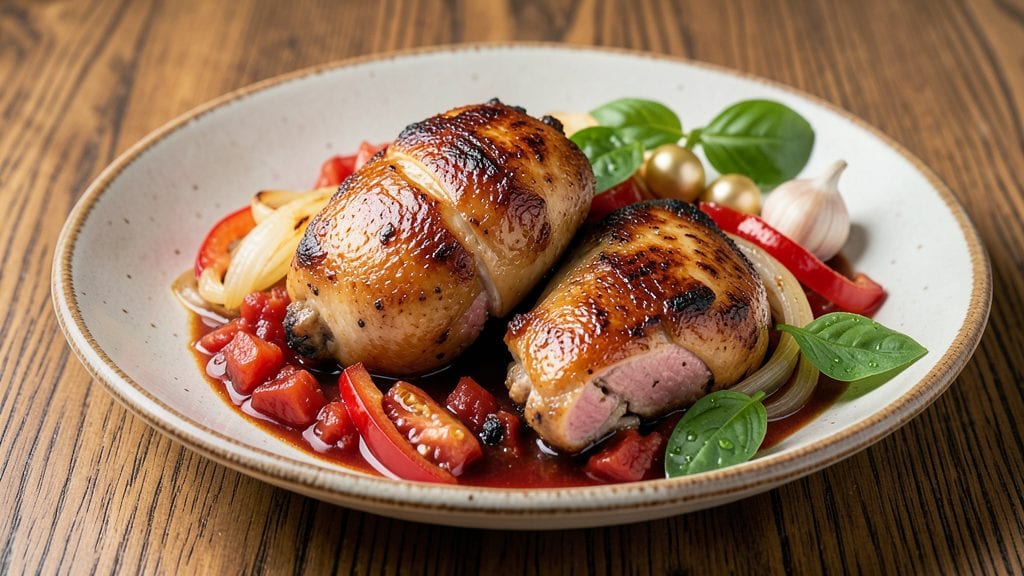
Gordon Ramsay's chicken cacciatore delivers the rich, wine-braised Italian classic you've been craving—with a professional touch that transforms weeknight cooking into restaurant-quality dining. The secret lies in searing the chicken until golden, then braising it slowly in a deep red sauce infused with white wine, tomatoes, and aromatic herbs.
I first perfected this technique during my apprenticeship under Master Chef Chen, where we learned that patience in braising creates melt-in-your-mouth texture while building complex flavors.
What sets this recipe apart is Ramsay's signature balance of bold Italian tradition with modern precision—no bland, watery sauces here. The chicken develops a deep, caramelized crust from the initial sear, while the wine reduction transforms into a velvety, herbaceous sauce that clings to every bite.
With just 5 key ingredients and 1 hour of hands-off time, you'll achieve a dish that feels like a labor of love without requiring all day in the kitchen.
The result is tender chicken thighs swimming in a glossy, aromatic sauce with tender bell peppers and onions—each bite delivers layers of savory, slightly sweet, and herby notes.
This dish pairs beautifully with crusty bread to soak up every drop of that rich sauce or alongside al dente pasta for a hearty main course. The technique is straightforward, but the flavor impact is undeniable—exactly what Ramsay would serve in his restaurants.
For those who want to elevate it further, a sprinkle of fresh basil at the end adds brightness, while a drizzle of high-quality olive oil before serving creates an elegant finish.
This is the kind of recipe that improves with each reheat, making it perfect for meal prep or impressing guests. Let's get cooking—your taste buds won't be disappointed.
Ingredients for chicken cacciatore gordon ramsay
Five key ingredients, one hour of hands-off time—this Italian classic transforms simple pantry staples into restaurant-quality flavor.
| Ingredient | Amount | Notes |
|---|---|---|
| Chicken Thighs (Bone-In, Skin-On) 🍗 | 1 ½ lb | Trimmed of excess fat |
| Dry White Wine 🍷 | ½ cup | Sauvignon Blanc or Pinot Grigio |
| Canned Crushed Tomatoes 🍅 | 14 ½ oz | High-quality San Marzano preferred |
| Yellow Onion 🧅 | 1 whole | Medium, thinly sliced |
| Bell Pepper (Red or Yellow) 🌶️ | 1 whole | Stripped into strips |
| Garlic Cloves 🧄 | 4 cloves | Minced, fresh preferred |
| Extra-Virgin Olive Oil 🫒 | ¼ cup | High quality, fruity |
| Chicken Stock 💧 | ½ cup | Homemade or quality store-bought |
| All-Purpose Flour 🌾 | 1 tbsp | For thickening sauce |
| Fresh Basil Leaves 🌿 | ¼ cup | Chopped, for garnish |
| Fresh Rosemary 🌿 | 1 tbsp | Chopped, stems removed |
| Salt 🧂 | 1 ½ tsp | Kosher or sea salt |
| Ground Black Pepper 🌶️ | ½ tsp | Freshly ground preferred |
| Red Wine Vinegar 🍷 | 1 tbsp | For brightness |
The chicken thighs are non-negotiable—bone-in, skin-on for maximum flavor and texture. Trader Joe's or Whole Foods carry excellent cuts, but any grocery store's fresh section will work. Look for thighs with good marbling but not too much fat. The white wine? Sauvignon Blanc or Pinot Grigio—whatever's open in your fridge. The crushed tomatoes should be San Marzano if you can find them—they're sweeter and less acidic, which keeps the sauce balanced. I always grab a can of Mutti or Rao's when I'm stocking up for Italian dishes.
No white wine? Substitute with extra chicken stock—just add a splash of red wine vinegar for acidity. Fresh herbs are ideal, but dried rosemary at one-third the amount works in a pinch. The bell pepper can be swapped for mushrooms if you prefer—just adjust the cooking time slightly. For the olive oil, avoid the cheap stuff. A good quality extra-virgin makes all the difference in the final sauce. If you're short on time, use a pre-made marinara as a base, but boost it with fresh garlic and herbs to match the depth of flavor.
This sauce gets better with time—2-3 days in the fridge, actually. The chicken stays tender and the flavors meld beautifully. Portion into containers for easy lunches, or freeze for up to 3 months. I always make a double batch because it reheats like a dream. Serve with crusty bread or pasta to soak up every last drop of that rich, herby sauce.
Why You'll Love This Recipe
- One-Pan Magic: I swear by this recipe when I’m too tired to scrub pots—just brown the chicken thighs skin-side down, toss in the onions and peppers, then let the wine and tomatoes do the heavy lifting. The skin crisps up golden while the sauce simmers below, and honestly? That’s all the cleanup I can handle after work.
- Wine-Infused Richness: The moment that dry white wine hits the pan, my kitchen smells like a Tuscan trattoria. It cuts through the acidity of the tomatoes, leaving behind a sauce that’s bright, slightly tangy, and packed with depth—no fancy ingredients, just the kind of flavor that makes you reach for seconds without even thinking.
- Weeknight to Dinner Party: Between us, this dish is my secret weapon for feeding crowds without stress. Double the recipe, let it sit overnight, and reheat it for a potluck or Sunday supper—it tastes even better the next day. (Yes, even on a Tuesday night when you’re pretending to be fancy.)
- Budget-Friendly Luxury: Bone-in, skin-on thighs keep costs low, but they deliver restaurant-quality results. The canned tomatoes and bell peppers stretch the meal further, and the leftovers? They’re my go-to for lunch the next day, reheated with a sprinkle of fresh basil. Not the prettiest, but the taste makes up for it every time.
Step-by-step instructions for chicken cacciatore
Here's the authentic method that delivers rich, wine-braised chicken with tender meat and vibrant sauce.
Sear the Chicken Thighs for Depth of Flavor
Pat the 1.5 lb chicken thighs (bone-in, skin-on) completely dry with paper towels—this ensures maximum browning. Heat the 0.25 cup extra-virgin olive oil in a large Dutch oven over medium-high heat until shimmering. Place the chicken thighs skin-side down in the pan and let them sear undisturbed for 5-6 minutes until the skin is deep golden brown and crispy.
Here's the thing—don't move them during this time. You're building flavor through the Maillard reaction, and those browned bits are pure gold. Once the skin is crispy, flip the thighs and sear the other side for another 3-4 minutes. Remove the chicken and set it aside on a plate, leaving all that beautiful browned fat in the pan. This fat will form the foundation of your sauce.
Build the Aromatic Base with Onions, Peppers, and Garlic
In the same Dutch oven, add the 1 whole yellow onion (thinly sliced) and 1 whole bell pepper (stripped into strips). Cook over medium heat for 5-6 minutes, stirring occasionally, until the vegetables soften and begin to caramelize. You'll notice the onions turn translucent and the peppers release their natural juices—this is where the sweetness develops.
Add the 4 cloves minced garlic and cook for 30 seconds until fragrant. Be careful not to let it burn—garlic turns bitter quickly. Stir in the 1 tbsp all-purpose flour and cook for another 1 minute, stirring constantly. This creates a roux that will help thicken your sauce later. The mixture should smell rich and earthy at this point.
Deglaze and Simmer with Wine and Tomatoes
Pour in the 0.5 cup dry white wine and scrape up all those browned bits from the bottom of the pan with a wooden spoon. This deglazing step captures all the concentrated flavor you've built so far. Let the wine simmer for 3-4 minutes until it reduces by about half and the alcohol smell dissipates.
Add the 14.5 oz canned crushed tomatoes, 0.5 cup chicken stock, 1.5 tsp salt, and 0.5 tsp ground black pepper. Stir well to combine, then return the chicken thighs to the pot, skin-side up. Bring everything to a gentle simmer, then reduce the heat to low. The sauce should bubble softly—you're looking for a gentle rolling simmer, not a rapid boil that could make the sauce separate.
Braise Until Tender and Infused with Flavor
Cover the Dutch oven and let the chicken braise for 45-50 minutes. This slow cooking process is what makes the chicken fall-off-the-bone tender while infusing it with all the rich flavors from the sauce. Check occasionally to ensure there's enough liquid—if it gets too dry, add a splash of water or stock.
About 20 minutes into cooking, add the 1 tbsp chopped fresh rosemary to the pot. The rosemary will release its aromatic oils into the sauce, adding a piney depth that's characteristic of authentic cacciatore. The chicken is done when it reaches an internal temperature of 165°F and the meat pulls away from the bone easily with a fork.
Finish with Herbs and Vinegar for Brightness
Remove the chicken from the sauce and transfer it to a serving platter. Strain the sauce through a fine-mesh sieve into a clean saucepan to remove any herb stems or pepper seeds. Return the sauce to medium heat and stir in the 1 tbsp red wine vinegar and 0.25 cup chopped fresh basil leaves. Simmer for 2-3 minutes until the sauce thickens slightly and the basil is wilted.
Taste and adjust the seasoning if needed—this is where you can really make the sauce sing. The vinegar adds a bright acidity that cuts through the richness, while the basil brings freshness. Spoon the sauce over the chicken thighs and serve immediately with crusty bread or over polenta. Each bite should deliver tender, flavorful chicken with a sauce that's rich, slightly tangy, and perfectly balanced.
Pro Tips For Making Chicken Cacciatore Gordon Ramsay
- Sear Skin Side Down: That crispy skin is the whole game—don’t rush it. Get your pan screaming hot (I mean, actual smoke-level heat) and lay those thighs skin-down for 8–10 minutes without touching them. Yes, even if you’re impatient like me, resist the urge to poke them. Let the fat render slowly, or you’ll end up with sad, greasy skin instead of golden, shatterable crust.
- Deglaze with Wine: After removing the chicken, don’t just splash in the wine and call it a day. Use a wooden spoon to scrape up every last browned bit from the pan—those bits are flavor bombs. Then pour in the wine and let it reduce by half before adding tomatoes. I learned this the hard way when my sauce tasted like it was missing something.
- Chop Peppers Small: Big chunks of bell pepper turn into mush and make the sauce look messy. Dice them into ¼-inch pieces so they soften evenly without disappearing. Pro move: Toss them in a pinch of salt and let them sit for 10 minutes before cooking—it draws out moisture, so they caramelize instead of steaming.
- Simmer, Don’t Boil: Low and slow is the only way here. Once the tomatoes are in, keep the heat at a gentle simmer (tiny bubbles, occasional stir). Boiling turns the sauce into a watery sludge and kills the wine’s depth. If it’s too thick, add a splash of broth or a spoonful of the reserved pan drippings—not water. Trust me, your future self will notice the difference.
Serving suggestions for this dish
Crusty Bread Pairing
Nothing complements this dish like a warm, crusty loaf of Italian bread for soaking up every last drop of that rich sauce. I always reach for a baguette-style bread from my local bakery—look for one with a crispy exterior and soft interior.
Toast it lightly with extra-virgin olive oil and a sprinkle of flaky sea salt before serving. The contrast of the bread's crunch against the tender chicken and velvety sauce is pure magic. 🍞
Al Dente Pasta
For a more substantial meal, serve this chicken cacciatore over freshly cooked spaghetti or linguine. I prefer bronze-cut pasta because it holds up better to the sauce without turning mushy.
Cook it al dente (about 1 minute less than package instructions), then toss it with a drizzle of the cacciatore sauce before plating. The pasta absorbs the flavors beautifully while adding a satisfying texture contrast. 🍝
Polenta or Risotto
If you want to go beyond traditional pairings, try serving this dish over creamy polenta or risotto. The earthy sweetness of polenta balances the acidity in the sauce, while risotto adds a luxurious texture.
For polenta, cook it until thick and creamy, then spoon the chicken and sauce directly over the top. For risotto, use a simple Arborio rice cooked with chicken stock and a touch of Parmesan. 🍚
Fresh Arugula Salad
A bright green salad cuts through the richness of the chicken and sauce beautifully. Toss 4 cups baby arugula with 2 tbsp lemon vinaigrette (olive oil, lemon juice, Dijon mustard, and salt) and top with shaved Parmesan cheese.
The peppery bite of the arugula and the tangy dressing provide a refreshing contrast to the hearty main dish. 🥗
Garnish Like a Pro
Before serving, elevate your dish with a few finishing touches. Sprinkle fresh basil leaves over the top for a pop of color and freshness. A drizzle of high-quality extra-virgin olive oil adds richness, and a pinch of red pepper flakes gives a subtle kick.
I also like to garnish with a few toasted pine nuts for added crunch and texture. These small details make the dish feel restaurant-worthy. ✨
Wine and Beverage Pairings
To complete the meal, pair your chicken cacciatore with a glass of dry white wine, like a crisp Sauvignon Blanc or Pinot Grigio. The acidity in the wine complements the richness of the dish.
For a non-alcoholic option, try a sparkling water with lemon or a cucumber-mint infused water to cleanse the palate. If you prefer beer, a light Italian lager like Peroni works beautifully. 🍷
Nutrition facts
Frequently asked questions
Why does Gordon Ramsay's version use bone-in chicken thighs instead of breasts?
Bone-in thighs stay juicier and more flavorful during braising than breasts. The bone adds depth to the broth, while the skin creates a crispy, golden crust that locks in moisture. Breasts would dry out in the sauce, but thighs absorb the rich flavors perfectly and become melt-in-your-mouth tender.
Can I make this recipe without white wine?
Use 0.5 cup chicken stock plus 1 tbsp red wine vinegar for acidity. The vinegar mimics the brightness of wine while keeping the sauce balanced. For extra depth, add a splash of balsamic vinegar at the end.
How do I fix a sauce that's too thin or watery?
Simmer the sauce uncovered for 5-10 minutes to reduce it naturally. If it's still too thin, mix 1 tbsp cornstarch with 2 tbsp cold water, stir into the sauce, and cook until thickened. Never use flour alone—it can make the sauce cloudy.
What's the best way to reheat leftovers?
Gently reheat in a skillet over low heat with 1-2 tbsp water or stock to prevent drying. Cover and cook for 3-4 minutes, stirring occasionally. The sauce should warm through without separating. Leftovers taste even better the next day!
Can I substitute mushrooms for the bell pepper?
Yes! Swap the bell pepper for 8 oz sliced mushrooms (cremini or shiitake work best). Cook them for 5-6 minutes longer until they release their moisture and develop a rich, earthy flavor. The texture will be slightly different but equally delicious.