
Sauces & Condiments
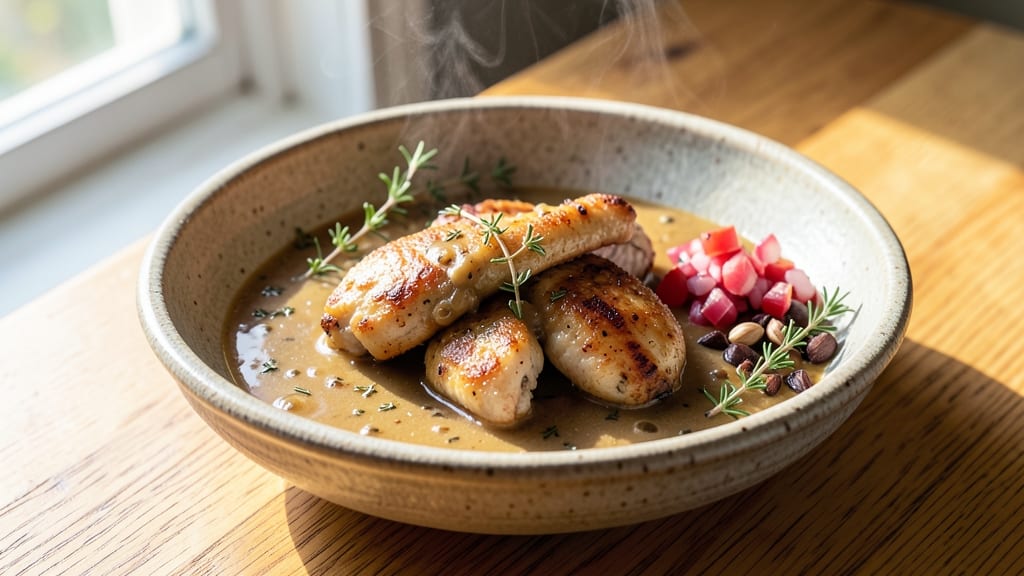
Transforming humble chicken gizzards into a rich, velvety gravy is where home cooking meets restaurant-quality depth. This recipe unlocks the natural umami and collagen-rich flavor of gizzards, turning them into a lush, deep sauce that elevates any meal.
I developed this method after years of experimenting with offal-based gravies—each step ensures maximum flavor extraction without bitterness.
The process begins with proper preparation: cleaning and scoring the gizzards to render their fat and collagen, which forms the gravy's velvety base. A slow simmer with aromatics like onions, garlic, and thyme builds layers of complexity, while a roux (butter and flour) thickens the sauce to perfection.
This isn’t just a side dish—it’s a flavor powerhouse that transforms simple proteins into something extraordinary.
What you’ll achieve is a gravy so rich and aromatic it rivals the best restaurant versions, with a texture that clings to every bite. The gizzards dissolve into the sauce, leaving behind a deep, savory essence that pairs beautifully with mashed potatoes, roasted vegetables, or even as a dipping sauce.
No shortcuts here—just precision and patience for a result that’s worth every minute.
Whether you’re serving a family dinner or hosting a gathering, this gravy delivers restaurant-quality depth with minimal effort. The key lies in the slow cooking and proper thickening—techniques that guarantee a sauce so flavorful, it becomes the star of the meal.
Let’s get started on creating this unforgettable gravy from scratch.
Ingredients for chicken gizzard gravy
Precision-cleaned gizzards and aromatic fundamentals transform into velvety, umami-rich gravy with restaurant-level depth.
| Ingredient | Amount | Notes |
|---|---|---|
| Chicken Gizzards 🍗 | 1 ½ lb | Fresh, cleaned and scored |
| Unsalted Butter 🧈 | ½ cup | Cold, cut into pieces |
| All-Purpose Flour 🌾 | ½ cup | Sifted for smooth roux |
| Yellow Onions 🧅 | 1 whole | Medium, finely diced |
| Garlic Cloves 🧄 | 4 cloves | Fresh, minced |
| Fresh Thyme 🌿 | ¼ cup | Leaves only, chopped |
| Fresh Parsley 🌿 | ⅛ cup | Leaves only, chopped |
| Dry White Wine 🍷 | ½ cup | Sauvignon Blanc preferred |
| Chicken Stock 💧 | 2 cups | Homemade, low-sodium |
| Diamond Crystal Kosher Salt 🧂 | 1 ½ tsp | Adjust to taste |
| Freshly Ground Black Pepper 🌶️ | ½ tsp | Cracked peppercorns |
| Bay Leaves 🍃 | 2 whole | Dried, removed before serving |
The gizzards are the heart of this gravy—source them from a trusted butcher where they’re cleaned and trimmed of excess membrane. Look for bright, moist gizzards with minimal offal odor; if they smell strongly, request fresher cuts. Whole Foods or local specialty butchers often carry them pre-cleaned, saving you time. For maximum collagen extraction, score the gizzards in a crosshatch pattern before cooking—this ensures they render their fat and gelatin properly. If you’re unsure about handling offal, gloves and a dedicated cutting board are non-negotiable.
No white wine? Substitute with additional chicken stock—just reduce the liquid by 0.25 cup to maintain balance. Fresh thyme and parsley can be swapped for dried at one-third the amount, but fresh delivers superior aroma. For the roux, use European-style butter (higher fat content) for a richer base, and avoid pre-sifted flour—sifting removes lumps that trap flavor. The stock is critical: homemade, low-sodium ensures purity; if using store-bought, simmer it first to evaporate excess salt. Diamond Crystal kosher salt is preferred for its coarse texture, allowing precise seasoning.
This gravy develops flavor over time—reheat gently on low heat, stirring frequently to prevent skin formation. For long-term storage, cool completely before refrigerating in an airtight container for up to 5 days or freezing for 3 months. To reheat, add 1-2 tbsp stock to prevent thickening; if too thick, thin with warm stock gradually. Portion into ramekins for individual servings—perfect for holiday gatherings or meal prep. The gravy’s texture improves with resting, so wait 10 minutes before serving to let it set.
Why You'll Love This Recipe
- Pantry Magic: I swear by this recipe when I forget to buy chicken thighs—gizzards are my secret weapon. Sear them until crispy, then deglaze with onions and garlic while you brown the flour into butter. No fancy prep, just pure flavor transformation.
- Rich Without Effort: That golden roux made from butter, flour, and onions? It’s the backbone of a gravy so velvety it’ll make you forget you’re using gizzards. The garlic cloves? Toast them first—crispy edges add depth that changes everything.
- Leftovers That Shine: This gravy thickens beautifully overnight, so I make a double batch for biscuits or dumplings. Reheat it with a splash of milk, and it’s even richer—like a hug in a bowl. (Yes, even on a Tuesday night.)
- Budget-Friendly Luxury: Gizzards cost a fraction of chicken breasts, but this gravy tastes like a restaurant dish. Honestly, I’d rather serve this to guests than any overpriced store-bought sauce. The flour and butter stretch far, too—perfect for feeding a crowd without breaking the bank.
Step-by-step instructions for chicken gizzard gravy
This method transforms humble gizzards into a velvety, aromatic gravy with deep umami richness.
Prepare and Score the Chicken Gizzards
Begin by thoroughly cleaning the 1.5 lb chicken gizzards under cold running water, removing any membrane or connective tissue. Pat them completely dry with paper towels—this ensures proper browning later. Using a sharp chef's knife, make several shallow diagonal cuts across the surface of each gizzard to create a crosshatch pattern. This scoring allows the seasonings to penetrate and the meat to render more evenly.
In a small bowl, combine 1.5 tsp diamond crystal kosher salt and 0.5 tsp freshly ground black pepper. Rub this mixture generously over the scored gizzards, pressing the seasoning into the cuts. Let them sit at room temperature for 20 minutes while you prepare the aromatics. This resting period ensures even cooking and maximum flavor extraction.
Sear and Render the Gizzards
Heat a large, heavy-bottomed skillet over medium-high heat until hot. Add the 0.5 cup unsalted butter cut into pieces and allow it to melt completely, foaming gently. Add the seasoned gizzards in a single layer, being careful not to overcrowd the pan. Cook undisturbed for 4-5 minutes until the undersides develop a deep golden-brown crust. Flip carefully and cook another 4-5 minutes until the second side is equally browned.
As the gizzards cook, they'll release their natural fats and juices into the pan. This rendered fat is the foundation of your gravy, so don't wipe or drain it—it carries incredible flavor. Once the gizzards are deeply browned on all sides, transfer them to a plate and set aside. The residual heat will continue cooking them slightly as you build the gravy.
Build the Gravy Base
Return the skillet to your heat source and reduce the temperature to medium. Add the 1 whole yellow onions that have been finely diced and the 4 cloves garlic cloves that have been minced. Cook for 3-4 minutes, stirring frequently, until the onions soften and become translucent. The garlic should be fragrant but not browned—this prevents bitterness in the final gravy.
Sprinkle the 0.5 cup all-purpose flour evenly over the onions and garlic, stirring constantly with a wooden spoon. Cook for 1-2 minutes until the mixture turns a pale golden color and emits a toasty aroma. This creates a roux that will thicken your gravy beautifully. Immediately pour in the 0.5 cup dry white wine, scraping up any browned bits from the bottom of the pan with your spoon. Allow the wine to simmer for 2-3 minutes until it reduces by half and the alcohol flavor cooks off.
Develop the Flavor and Finish
Gradually whisk in the 2 cups chicken stock, adding it slowly to prevent lumps from forming. Stir constantly to incorporate the stock completely into the roux mixture. Add the 2 whole bay leaves, 0.25 cup fresh thyme, and 0.125 cup fresh parsley, stirring to distribute these aromatics evenly. Bring the mixture to a gentle simmer and let it cook uncovered for 15-20 minutes, stirring occasionally. This slow cooking allows the flavors to meld and the gravy to thicken naturally.
After simmering, return the gizzards to the skillet, nestling them into the gravy. Cook for an additional 10 minutes, allowing the gizzards to finish cooking in their own juices and absorb the rich gravy flavors. Remove the gizzards and transfer them to a serving platter. Strain the gravy through a fine-mesh sieve into a clean saucepan, pressing gently on the solids to extract maximum flavor. Discard the bay leaves before serving.
Adjust Consistency and Serve
Taste the gravy and adjust the seasoning if needed, adding more diamond crystal kosher salt or freshly ground black pepper as required. If the gravy is too thick, thin it with a splash of warm water or additional chicken stock, whisking until smooth. For a silkier texture, you can also blend the strained gravy briefly with an immersion blender, though this is optional.
Serve the gizzards immediately, ladling the rich gravy generously over the top. The finished gravy should coat the back of a spoon with a velvety consistency and carry complex flavors of caramelized onions, thyme, and parsley. This method transforms simple gizzards into a luxurious centerpiece worthy of any table, with a gravy that pairs beautifully with crusty bread or roasted vegetables.
Pro Tips For Making Chicken Gizzard Gravy
- Trim and Score Gizzards: Cut off the tough membrane at the base of each gizzard—it’s the part that never softens no matter how long you cook. Then slice them thin (about ¼-inch) and score the surface lightly with a knife; this lets them render fat faster and absorb flavor better. I used to skip this, and my gravy always tasted like it was missing something.
- Sweat Onions Low and Slow: Don’t rush the onions—cook them in butter over medium-low heat until they’re deep golden, not browned. If they darken too fast, you’ll taste bitterness in the gravy. My grandmother swore by this, and she was right: patience here means a smoother, richer base.
- Deglaze with Wine First: After browning the gizzards, hit the pan with ¼ cup of dry white wine (or broth) before adding flour. Let it bubble for 30 seconds to lift up the browned bits—this is where all the flavor hides. Skip it, and your gravy will taste flat, no matter how much salt you add.
- Whisk Flour Like a Madman: When you toss in the flour, whisk it aggressively for at least 30 seconds before adding liquid. This breaks up lumps and creates a smoother roux, which means a silkier gravy. I learned this the hard way—lumpy flour = grainy gravy, and no one wants that.
Flavor customization for this dish
Smoky & Spiced Gravy
For a bold twist, add 1 tsp smoked paprika and ½ tsp ground cumin when searing the gizzards. After simmering, stir in 2 tbsp chipotle powder in adobo sauce for a smoky depth that pairs beautifully with roasted potatoes or cornbread.
I like to finish with a sprinkle of crumbled cotija cheese for a Mexican-inspired touch. 🌶️
Herb-Infused Variations
Swap thyme and parsley for rosemary and sage to create a Mediterranean-inspired gravy. Use ½ cup dry vermouth instead of white wine for a more aromatic base, and finish with a drizzle of high-quality extra virgin olive oil.
This version shines with grilled lamb chops or crusty focaccia. For a French twist, add 1 sprig fresh tarragon and a pinch of nutmeg to the roux.
Creamy & Rich Gravy
For a velvety texture, stir in ½ cup heavy cream at the end of cooking, just before removing the gizzards. This adds richness that balances the savory depth. I recommend using whipping cream (36% fat) for the best results.
Garnish with crispy fried shallots for an elegant touch. This version pairs perfectly with mashed potatoes or buttered noodles.
Citrus & Bright Gravy
Brighten the gravy with zest from 1 orange and 1 tbsp fresh lemon juice added during the final simmer. The citrus cuts through the richness while adding a refreshing contrast.
I also add 1 tsp grated ginger for warmth. This variation works wonderfully with grilled shrimp or as a dipping sauce for spring rolls. 🍊
Mushroom & Thyme Gravy
Sauté 8 oz sliced cremini mushrooms with the onions for a deeper umami base. After removing the gizzards, strain the gravy and blend it briefly with an immersion blender for a silky texture.
Finish with 1 tbsp truffle oil for a luxurious touch. This earthy version pairs beautifully with roasted root vegetables or steak.
Spicy & Tangy Gravy
Add 1 tbsp hot sauce (like Tabasco) and 1 tsp apple cider vinegar during the final simmer for a tangy kick. For extra heat, stir in ½ tsp cayenne pepper when building the roux.
This version is perfect for spicy lovers and pairs well with blackened fish or grilled corn on the cob. 🔥
Nutrition facts
Frequently asked questions
Why do I need to score the chicken gizzards before cooking?
Scoring creates a crosshatch pattern that allows seasonings to penetrate deeper and helps the meat render its natural fats and collagen more evenly. This is crucial for developing the gravy's rich, velvety texture—without scoring, you risk tough gizzards and a less flavorful sauce.
Can I substitute chicken stock with another liquid?
While chicken stock is ideal for its umami depth, you can use turkey or veal stock in a pinch. Avoid vegetable stock—the lack of meaty flavor will make the gravy taste flat. For a quick fix, dilute 1 cup low-sodium beef bouillon with 1 cup water as a substitute.
What if my gravy turns out too thick or too thin?
For a thick gravy that's too stiff, whisk in 1-2 tbsp warm stock or water gradually until smooth. If it's too thin, mix 1 tbsp flour with 1 tbsp cold water into a slurry and stir it in while simmering. The key is patience—thickening happens gradually.
How do I store leftover gizzard gravy?
Let the gravy cool completely, then transfer it to an airtight container. It keeps in the fridge for 5 days or freezes for 3 months. To reheat, warm over low heat and stir frequently—never microwave directly, as it can separate. Add a splash of stock if needed to restore texture.
What's the best way to clean chicken gizzards if they're not pre-cleaned?
Rinse them thoroughly under cold water, then soak in ice water for 10 minutes to firm up. Use a small knife to trim off any membrane or connective tissue. For stubborn grime, scrub gently with a vegetable brush. Always wear gloves—gizzards can be slippery!