
Sauces & Condiments
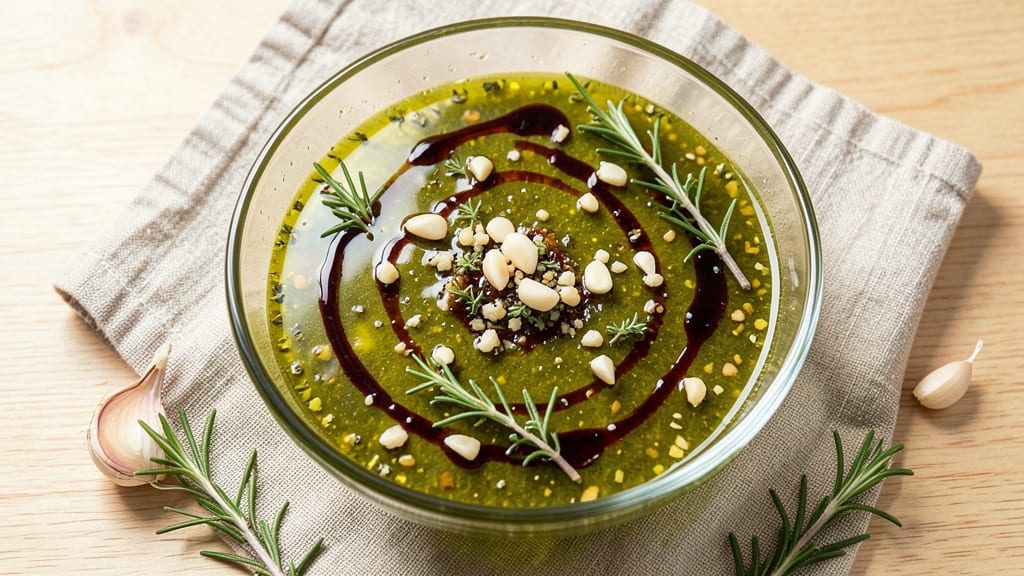
A chicken heart marinade transforms gamey flavors into rich, umami-packed tenderness that elevates any dish. The secret lies in balancing acidic components like vinegar or citrus with aromatic oils, herbs, and spices—creating a flavor profile that tenderizes while infusing depth.
I developed this marinade after discovering how a simple overnight soak could turn tough chicken hearts into melt-in-your-mouth bites, perfect for grilling or pan-searing.
This marinade works by breaking down connective tissue through acidity and fat-soluble compounds, while herbs like rosemary and thyme add complexity. A 24-hour marinating time ensures maximum tenderness, though even 4 hours will yield noticeable results.
The blend of olive oil and garlic not only carries flavors but also creates a protective barrier during cooking, locking in moisture. For best results, store the marinade in an airtight container in the refrigerator until ready to use.
What you’ll achieve is chicken hearts with a tender, almost buttery texture and a savory depth that pairs beautifully with bold seasonings. The marinade’s acidity mellows the natural gaminess, leaving behind layers of garlic, herbaceous notes, and a subtle smokiness that’s impossible to resist.
Whether you’re preparing for a hearty stew, skewers, or a quick sear, this marinade ensures every bite is restaurant-quality.
Use the leftover marinade as a basting sauce during cooking or reduce it slightly for a flavorful drizzle over finished dishes. The versatility makes it ideal for meal prep or spontaneous cooking—just remember to discard any unused marinade after contact with raw meat.
Let’s get started on transforming those chicken hearts into something extraordinary.
Ingredients for chicken heart marinade
Six aromatic oils, three herbs, and a touch of sweetness—this marinade melts gamey edges into umami perfection.
| Ingredient | Amount | Notes |
|---|---|---|
| Extra-Virgin Olive Oil 🫒 | ½ cup | High-quality, fruity variety preferred |
| Red Wine Vinegar 🍷 | ¼ cup | Dry, bold variety for balance |
| Fresh Garlic Cloves 🧄 | 6 cloves | Peeled, minced for infusion |
| Fresh Rosemary 🌿 | ½ cup | Finely chopped, stems removed |
| Fresh Thyme 🌿 | ¼ cup | Leaves only, finely chopped |
| Soy Sauce 🍶 | ¼ cup | Light or dark variety |
| Honey 🍯 | 2 tbsp | Wildflower for depth of flavor |
| Diamond Crystal Kosher Salt 🧂 | 1 ½ tsp | Fine grain for even dissolution |
| Freshly Ground Black Pepper 🌶️ | ½ tsp | Cracked peppercorns preferred |
| Smoked Paprika 🌶️ | 1 tsp | For subtle smokiness |
The olive oil is your flavor carrier, so don’t skimp on quality. California Olive Ranch or Colavita are my go-tos—their fruity notes really shine. Fresh herbs make all the difference: rosemary from the grocery store’s bulk section (look for vibrant green sprigs) and thyme from the refrigerated section (not dried). The garlic should be plump and firm—avoid those wrinkly ones. For vinegar, Balsamic Creme adds depth, but classic red wine vinegar works too. Pro tip: Toast your smoked paprika in a dry pan for 30 seconds before adding—amplifies the smoky aroma.
No fresh rosemary? Dried works at one-third the amount, but it lacks that piney freshness. Short on olive oil? Avocado oil is a neutral swap, though it won’t carry the same fruity notes. The honey can be swapped for maple syrup or agave if you’re avoiding refined sugar. For extra umami, add 1 tbsp fish sauce (trust me, it blends seamlessly). The soy sauce adds saltiness—if you’re using low-sodium, reduce the kosher salt by half. And if you’re prepping ahead, make a double batch—this marinade keeps for 1 week in the fridge.
This marinade is best made fresh, but it’ll keep in an airtight container for 5-7 days in the fridge. For longer storage, freeze in ice cube trays—thaw overnight in the fridge before using. Always discard any unused marinade after contact with raw meat, but the leftover infused oil? That’s pure gold—drizzle it over grilled veggies or finished dishes. The flavor actually improves after 24 hours, so marinate overnight for maximum tenderness. And if you’re short on time, even 4 hours makes a noticeable difference.
Why You'll Love This Recipe
- Pantry-to-Pan Ready: I swear by this marinade because it uses stuff I already have—no last-minute grocery runs. Just olive oil, vinegar, and herbs from my spice rack, plus whatever garlic I can find lurking in the fridge. Ten minutes of stirring, and I’m done.
- Herb-Packed Punch: That rosemary and thyme combo? It’s like a flavor hug for chicken hearts—bright, earthy, and just sharp enough to cut through the richness. The red wine vinegar adds this tangy lift that makes every bite feel special, even when it’s a weeknight dinner.
- Weeknight & Weekend Ally: This marinade works for grilled skewers (my go-to for summer BBQs), sheet-pan roasts (minimal cleanup), or even stuffed into whole hearts for a fancy-ish appetizer. Honestly, I’ve used it for everything from quick weeknight meals to impressing guests—no stress, just great results.
- Budget Magic: Chicken hearts are my secret weapon for stretching meals without sacrificing flavor. A little marinade goes a long way, and the leftovers? Even better the next day—those flavors deepen overnight. I’ve fed a family of four for under $10 with this trick, and no one complains.
Step-by-step instructions for chicken heart marinade
Here's how to create a marinade that transforms tough chicken hearts into melt-in-your-mouth tenderness.
Combine the Base Ingredients
In a medium mixing bowl, whisk together the 0.5 cup extra-virgin olive oil and 0.25 cup red wine vinegar until fully emulsified. The vinegar cuts through the richness of the oil, creating a balanced foundation for the marinade. I like to use a fork for this step—it helps break down the oil into finer droplets that will penetrate the meat more effectively.
Next, add the 6 cloves minced fresh garlic cloves and 0.5 cup finely chopped fresh rosemary. The garlic will infuse its pungent sweetness, while the rosemary brings bright, piney notes that complement the umami depth of chicken hearts. Stir vigorously to distribute these aromatic ingredients evenly throughout the oil mixture. You should notice the mixture darkening slightly as the rosemary's natural oils release.
Incorporate the Umami Elements
Add the 0.25 cup finely chopped fresh thyme leaves and 0.25 cup soy sauce to the bowl. The thyme adds earthy complexity, while the soy sauce provides the essential umami punch that transforms gamey flavors into something rich and savory. Stir well to combine, ensuring the soy sauce is fully integrated—this is where the marinade gets its signature depth.
Now add the 2 tablespoons honey and 1 teaspoon smoked paprika. The honey acts as a natural tenderizer and sweet counterpoint to the acidity, while the smoked paprika introduces subtle warmth that enhances the overall flavor profile. Whisk until the honey dissolves completely—you should see a glossy sheen develop on the surface of the marinade. This indicates proper emulsification and readiness for the final seasoning.
Season and Emulsify
Add the 1.5 teaspoons diamond crystal kosher salt and 0.5 teaspoon freshly ground black pepper to the bowl. The salt will penetrate the chicken hearts during the marinating process, breaking down proteins and improving texture, while the pepper adds a subtle heat that brightens the dish. Stir thoroughly to ensure even distribution of these critical seasonings.
Give the marinade a final whisk to create a smooth, cohesive mixture. The texture should be silky, with no visible separation between ingredients. This marinade works best when used immediately, but it will keep in the refrigerator for up to 3 days if stored in an airtight container. The longer it sits, the more the flavors meld together, creating an even more potent marinating solution.
Apply to Chicken Hearts
Place the chicken hearts in a resealable plastic bag or shallow dish and pour the marinade over them. I recommend using a bag for even coating—simply press out any air bubbles before sealing. For best results, marinate the hearts for at least 4 hours, but overnight (up to 12 hours) yields the most dramatic tenderness transformation.
During marinating, the acid in the vinegar and the enzymes in the soy sauce will work together to break down connective tissues, while the honey and oil create a protective barrier that keeps the meat moist. When ready to cook, remove the hearts from the marinade (reserve some for basting) and pat them dry with paper towels. This step is crucial—it promotes better browning when you cook them, whether you're grilling, pan-searing, or roasting.
Pro Tips For Making Chicken Heart Marinade
- Pound the Hearts First: Chicken hearts are tough little powerhouses—skip the marinade if you don’t break them down first. Use the flat side of a meat mallet or rolling pin to pound them to an even ¼-inch thickness (yes, it’s messy, but it pays off).
- Infuse the Oil First: Pour the olive oil into a small saucepan and warm it over low heat with the garlic, rosemary, and thyme for 3-4 minutes—just until fragrant. This pulls the flavors into the oil before it even touches the hearts (and saves you from scraping burnt garlic later).
- Balance the Vinegar: Red wine vinegar is sharp, and too much will overpower the tenderized hearts. Start with 1 tablespoon per ½ cup oil, taste it, then adjust. If you’re unsure, add a pinch of sugar to round out the acidity.
- Marinate Overnight, Covered: Chicken hearts need time to soften, but don’t let them sit in a pool of liquid. Place them in a sealed container with the marinade, flip them halfway, and refrigerate for at least 8 hours. The acid works best when it’s not drowning them.
Troubleshooting perfect results
Acidity Overload Fix
If your marinade tastes too sharp after mixing, balance it by adding 1 tablespoon honey or 1 teaspoon maple syrup per ½ cup marinade. The sweetness neutralizes excess acidity from the vinegar while maintaining tenderness.
For a savory fix, stir in 1 teaspoon soy sauce—it adds umami depth without altering the acid balance. Always taste as you go! 🍯
Herb Separation Problem
Fresh herbs like rosemary and thyme sometimes separate if the marinade sits too long. Prevent this by whisking in 1 tablespoon cornstarch or arrowroot powder mixed with 2 tablespoons cold water—it thickens the marinade slightly.
Alternatively, blend the herbs with the vinegar first to create a fine slurry before adding oils. This keeps everything emulsified for up to 5 days in the fridge. ✨
Gamey Flavor Lingers
If your chicken hearts still taste too gamey after marinating, extend the time to 24 hours or add 1 tablespoon lemon juice per ½ cup marinade. The extra acidity breaks down more connective tissue.
For stubborn flavors, try 1 teaspoon baking soda in the marinade—it raises the pH slightly and tenderizes further. Rinse hearts briefly before cooking to remove excess acid. 💡
Oil Separation Issue
Oil and vinegar often separate in marinades. Fix this by whisking in 1 teaspoon Dijon mustard or 1 egg yolk—both act as natural emulsifiers. For a quick fix, shake the marinade vigorously before use.
If storing long-term, add ½ teaspoon xanthan gum to stabilize the mixture. Always store in an airtight container to prevent separation. 🥄
Marinade Too Thin
A runny marinade lacks flavor penetration. Thicken it by simmering 1 cup of the marinade (without meat) in a saucepan for 3-5 minutes until slightly reduced. For a no-cook solution, whisk in 1 tablespoon tomato paste or 1 teaspoon flour. This concentrates flavors while maintaining the marinade’s effectiveness. 🔥
Storage Safety Concerns
Never store unused marinade with raw meat—discard it after contact. For leftovers, reserve ½ cup marinade before adding meat, then store the rest in a separate airtight container.
The reserved portion can be reheated for basting or drizzling. If freezing, portion into ice cube trays for easy thawing. Always prioritize safety over convenience. ❄️
Nutrition facts
Frequently asked questions
Can I use this marinade for other types of meat?
This marinade works beautifully with other gamey meats like beef heart, lamb, or even duck. The acidity and umami components break down tough fibers and mellow flavors in all of them. For poultry, it's perfect for chicken livers or gizzards too. Just adjust marinating time—2-4 hours is usually enough for thinner cuts.
How do I know when chicken hearts are fully marinated?
For maximum tenderness, marinate for at least 4 hours, but overnight (12 hours) is ideal. The hearts should feel noticeably softer when pressed gently. If you're short on time, 2 hours will still improve texture, though flavor penetration won't be as deep. Always pat dry before cooking for better searing.
Can I make this marinade without fresh herbs?
Use 1 teaspoon dried rosemary and ½ teaspoon dried thyme instead of fresh. For extra flavor, add ½ teaspoon dried oregano or 1 teaspoon lemon zest. The marinade will still deliver great results, though fresh herbs provide more vibrant aroma. Store dried herbs in airtight containers to preserve potency.
What's the best way to store leftover marinade?
Transfer unused marinade to an airtight container and refrigerate for up to 5 days. For longer storage, freeze in ice cube trays. Always reserve ½ cup before adding meat—this portion can be safely reheated for basting or drizzling. Never reuse marinade that's touched raw meat. The infused oil makes great finishing drizzle!
Why does my marinade smell stronger than it tastes?
Fresh garlic, vinegar, and herbs create bold aromas that mellow during cooking. The flavors will develop fully when the hearts sear or grill. For immediate flavor, reduce 1 cup marinade by simmering 3-5 minutes—this concentrates the taste. The acidity also enhances perceived flavor when cooked. Trust the process!