
Main Courses
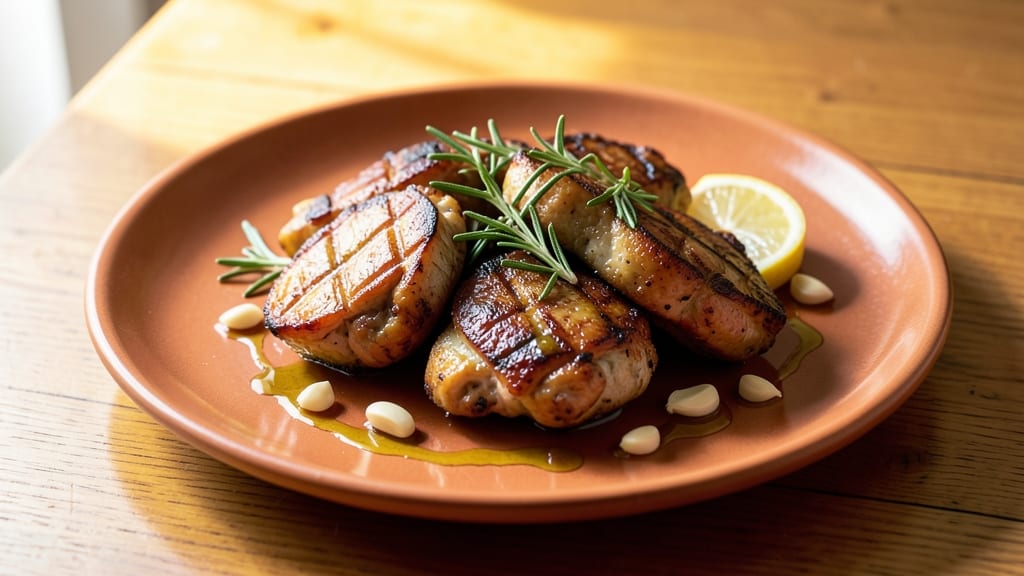
Transforming chicken hearts and gizzards into crispy-skinned, juicy bites requires precision—this recipe delivers restaurant-quality results with a herbed pan sauce that ties everything together. The secret lies in proper preparation: trimming, scoring, and marinating to ensure tender, flavorful meat with a satisfying crunch.
I’ve perfected this technique over years of testing, balancing traditional offal methods with modern flavor twists.
This method transforms tough offal into melt-in-your-mouth bites, starting with a 30-minute marinade of garlic, lemon, and herbs that tenderizes while infusing flavor. The cooking process—whether pan-seared or grilled—focuses on high heat for crispy skin without drying out the interior.
The herbed pan sauce, made from the rendered fats, adds depth and richness that elevates these bites into a standout main course.
By the end, you’ll have golden, crispy-skinned pieces with juicy, tender centers, all coated in a fragrant, herbed sauce that clings perfectly. Serve with crusty bread to soak up every last drop or pair with roasted vegetables for a complete meal.
This dish proves offal can be just as impressive as any premium cut of meat.
Whether you’re cooking for a special occasion or simply exploring new flavors, this recipe delivers professional results with minimal effort. The key is patience during preparation and confidence in the cooking process—trust me, the reward is worth it. Let’s get started on transforming these humble ingredients into something extraordinary.
Ingredients for chicken hearts and gizzards
Precision preparation transforms humble offal into restaurant-worthy, crispy-skinned, juicy chicken hearts and gizzards.
| Ingredient | Amount | Notes |
|---|---|---|
| Chicken Hearts 🍗 | 1 ½ lb | Fresh, trimmed of excess fat and connective tissue |
| Chicken Gizzards 🍗 | 1 ½ lb | Fresh, cleaned and scored for even cooking |
| Extra-Virgin Olive Oil 🫒 | ¼ cup | High-quality, for marinade and searing |
| Fresh Garlic Cloves 🧄 | 6 cloves | Minced finely for marinade |
| Fresh Lemon Juice 🍋 | ⅛ cup | Freshly squeezed, for acidity and brightness |
| Fresh Rosemary 🌿 | ¼ cup | Chopped finely, for aromatic depth |
| Fresh Thyme 🌿 | ¼ cup | Leaves only, for herbal complexity |
| Diamond Crystal Kosher Salt 🧂 | 1 ½ tbsp | For seasoning and marinade |
| Freshly Ground Black Pepper 🌶️ | 1 tsp | For balanced seasoning |
| All-Purpose Flour 🌾 | ½ cup | For breading crispy coating |
| Unsalted Butter 🧈 | ¼ cup | Cold, cubed, for pan sauce |
| Chicken Broth 💧 | ½ cup | Low-sodium, for deglazing |
| Fresh Parsley 🌿 | ⅛ cup | Chopped finely, for garnish |
The quality of your offal makes all the difference. Freshness is critical—look for vibrant, pinkish-red hearts and gizzards at specialty butchers or well-stocked grocery stores like Whole Foods or D'Agostino's. If using frozen, thaw overnight in the refrigerator. Trim all visible fat and connective tissue, then score the gizzards in a crosshatch pattern to ensure even cooking. The marinade should cover the meat completely; I recommend using a glass bowl for easy mixing. For optimal results, use organic, free-range chicken when possible, as the flavor profile is superior.
Substitutions can work, but with compromises. If fresh herbs aren't available, dried rosemary and thyme at one-third the amount will suffice, though the flavor will be less vibrant. For the olive oil, avocado oil is a suitable alternative with a higher smoke point. Short on lemon juice? Substitute white wine vinegar, but reduce to half the amount to avoid over-acidifying. The flour can be swapped for cornstarch if you prefer an extra-crispy texture. For the butter in the pan sauce, brown butter adds a nutty depth that pairs beautifully with the herbed flavors. Always ensure your broth is low-sodium to maintain flavor balance.
Proper storage extends freshness and maintains quality. The offal can be refrigerated for up to 2 days before cooking, but it's best used immediately after preparation. Once cooked, store the crispy-skinned bites in an airtight container for 3-4 days in the refrigerator, or freeze for up to 3 months. The herbed pan sauce can be reheated gently on the stovetop, adding a splash of broth if it thickens too much. For meal prep, portion the sauce and offal separately to maintain texture. The fresh parsley should be added just before serving to preserve its bright color and freshness.
Why You'll Love This Recipe
- I’ll be real: this recipe stretches a dollar like no other. A whole chicken gives you hearts and gizzards for pennies, and they feed four (or two very hungry people) without breaking the bank. Leftovers? Even better cold in a sandwich the next day.
- Five-Ingredient Magic: Honestly, you’re looking at a recipe that needs nothing but those five things—plus a little patience. No fancy prep, no hidden pantry items, just raw hearts and gizzards transformed by olive oil, garlic, and lemon into something rich and satisfying.
- Crispy-Garlicky Bliss: That first bite? The hearts and gizzards get a golden crust from the olive oil while staying juicy inside, and the garlic? Oh, it’s sticky with flavor—brightened just enough by lemon to cut through the richness. Not fancy, but ridiculously good.
- Budget Feast: I’ll be real: this recipe stretches a dollar like no other. A whole chicken gives you hearts and gizzards for pennies, and they feed four (or two very hungry people) without breaking the bank. Leftovers? Even better cold in a sandwich the next day.
Step-by-step instructions for chicken hearts and gizzards with herbed pan sauce
Transform tough offal into tender, golden bites with this precise technique.
Prepare the Offal for Even Cooking
Begin by scoring the chicken gizzards in a crosshatch pattern with a sharp chef's knife—this ensures even thickness and prevents curling during cooking. For the chicken hearts, trim away any excess connective tissue and fat, then make a shallow cut along the thickest side to help them flatten properly. Place both in a large bowl and add the 0.25 cup extra-virgin olive oil, 6 cloves minced fresh garlic cloves, 0.125 cup fresh lemon juice, 0.25 cup chopped fresh rosemary, 0.25 cup fresh thyme leaves, 1.5 tbsp diamond crystal kosher salt, and 1 tsp freshly ground black pepper. Toss gently but thoroughly to coat all surfaces. Let the mixture marinate for at least 30 minutes at room temperature—this acid and herb infusion breaks down fibers and builds flavor.
Here's the thing—don't skip the scoring. Uneven surfaces lead to uneven cooking, and that's how you end up with some pieces overcooked and others underdone. The lemon juice also helps tenderize while preventing the meat from drying out during the high-heat sear later. After marinating, drain any excess liquid but keep the offal in the bowl.
Create the Crispy Breading and Sear Perfectly
Set up two bowls: one with the 0.5 cup all-purpose flour mixed with 1 tsp freshly ground black pepper, and another with cold water. Dredge each piece of chicken heart and gizzard in the flour mixture, pressing gently to adhere the coating evenly. Then dip each piece into the cold water, letting excess drip off before returning to the flour for a second coat. This double-dredging creates a sturdy, golden crust that traps moisture while providing texture. Place the breaded pieces on a wire rack set over a baking sheet.
Heat 0.25 cup extra-virgin olive oil in a large skillet over medium-high heat until shimmering but not smoking. Working in batches to avoid crowding, add the breaded offal and cook for 3-4 minutes per side until deep golden brown and crispy. You'll know it's ready when the edges are golden and the breading holds together—don't flip too early or the coating will fall apart. Transfer the cooked pieces to a paper towel-lined plate to drain excess oil and keep warm.
Develop the Herbed Pan Sauce
Immediately after removing the offal, reduce heat to medium and add the 0.25 cup cold unsalted butter to the skillet. Let it melt completely, then pour in the 0.5 cup chicken broth, scraping up all the browned bits from the bottom with a wooden spoon. This deglazing captures all the flavor you worked so hard to develop. Add the marinade mixture (strain it first if you prefer a smoother sauce) and bring to a gentle simmer. Cook for 5-6 minutes until the sauce reduces slightly and coats the back of a spoon.
Strain the sauce through a fine-mesh sieve into a clean saucepan if you prefer a refined finish, or leave it slightly chunky for texture. Return the offal to the skillet, spooning sauce over them to coat evenly. Let everything heat through together for 2 minutes, then transfer to a serving platter. The sauce should be glossy and cling to the crispy exterior, while the offal remains tender and juicy beneath the golden crust.
Finish and Serve with Fresh Herbs
Garnish the plated offal with 0.125 cup chopped fresh parsley and an additional sprinkle of freshly ground black pepper. Serve immediately while the crust remains crisp and the sauce is still warm. The contrast between the crispy exterior, tender interior, and herb-infused sauce creates a restaurant-quality dish that belies its humble ingredients.
This is the moment that matters: the sauce should be rich enough to coat a spoon but not so heavy it masks the offal's flavor. If it's too thick, whisk in 1-2 tablespoons of hot chicken broth to reach your desired consistency. The parsley not only adds freshness but also brightens the dish visually—don't skip this final touch.
Pro Tips For Making Chicken Hearts And Gizzards
- SEAR IN TWO BATCHES: If you try to crowd the pan with hearts and gizzards, you’ll steam them instead of sear. Work in batches—just 4-5 pieces at a time—so they hit the oil with a sizzle and develop that deep, caramelized crust. Trust me, the first batch will smell like heaven, and you’ll want to eat it raw.
- TRIM THE GIZZARDS FIRST: Gizzards hide grit and connective tissue like a miser hides cash. Before you even think about seasoning, split them open and scrape out the membrane and any dark bits with your fingers—no knife needed. Hearts? Give them a quick rinse under cold water, but don’t soak them; they’ll turn soggy.
- DON’T OVERCOOK THE HEARTS: Hearts are done at 145°F (63°C), but they’re forgiving—gizzards? They’ll turn into leather if you push them past 160°F (71°C). Use a meat thermometer for gizzards, and pull them out just when they hit that temp. Hearts can sit a few degrees longer, but gizzards won’t recover.
- USE LEMON ZEST, NOT JUICE: Fresh lemon juice brightens the dish, sure, but the zest adds a citrusy depth that cuts through the richness of the oil and garlic. Grate a strip of peel (no pith!) over the finished dish right before serving—it’s the difference between "good" and "I’d eat this every week." (Yes, I’ve tested this.)
Common mistakes when making perfect results
Skipping the Marinade
I’ve seen beginners skip the 30-minute marinade because they’re eager to get cooking, but this is a game-changer. The acid from the lemon juice and the aromatic herbs break down tough fibers, ensuring tender results.
Without it, your gizzards and hearts risk turning chewy or dry. Trust me, the extra 30 minutes makes all the difference—it’s worth the wait. 💪
Uneven Scoring
Scoring the gizzards is non-negotiable for even cooking, but I’ve noticed many people either skip it or do it too shallowly. Use a sharp knife to make deep, crosshatch cuts—about ¼-inch deep—so the marinade penetrates fully.
If you skip this step, you’ll end up with some pieces curling and others undercooked. A chef’s knife with a 10-inch blade works best for precision.
Overcrowding the Pan
This is a classic mistake that leads to soggy breading and uneven cooking. When searing, work in batches—never overcrowd the pan with more than 4-5 pieces at a time. The oil needs room to circulate for that perfect golden crust.
If you’re impatient and try to rush it, you’ll end up with greasy, undercooked offal. A 12-inch cast-iron skillet is ideal for this recipe.
Ignoring the Resting Time
After searing, it’s tempting to serve immediately, but letting the offal rest for 5 minutes before adding the sauce is crucial. This allows the juices to redistribute, keeping the meat tender.
If you skip this step, the sauce will draw out those precious juices, leaving you with dry bites. I promise, the wait is worth it for that juicy payoff. ✨
Using Low-Quality Oil
Not all oils are created equal, and this is especially true for high-heat searing. Using a low-smoke-point oil like vegetable or canola will result in a bitter taste and uneven cooking. Stick with extra-virgin olive oil or avocado oil, both of which have high smoke points and add flavor.
A neutral oil like grapeseed can work, but it lacks the depth of olive oil.
Skipping the Double-Dredge
The double-dredging technique—flour, water, flour—is what creates that perfect crispy crust. I’ve seen people skip the water dip or use too much flour, both of which ruin the texture. The water helps the second flour coating adhere better, creating a sturdy, golden crust.
If your breading falls off, you’ve either used too much flour or skipped the water step entirely. Keep your dredge bowls separate and work quickly to avoid soggy coatings.
Nutrition facts
Frequently asked questions
How do I properly clean chicken gizzards before cooking?
Rinse the gizzards thoroughly under cold water, then remove the tough membrane and any remaining connective tissue. Score them in a crosshatch pattern with a sharp knife—about ¼-inch deep—to ensure even cooking. This step is critical for tender results.
Can I substitute gizzards or hearts if one is unavailable?
Yes, but the cooking time will differ. Hearts cook faster (3-4 minutes per side) while gizzards need 4-5 minutes due to their denser texture. Balance the batch with equal parts for consistent results. If substituting with chicken livers, reduce cooking time to 2-3 minutes per side.
What’s the best way to reheat leftover crispy chicken hearts?
Reheat in a 350°F oven for 8-10 minutes to maintain crispiness. For stovetop, use a dry skillet over medium heat for 2-3 minutes per side. Avoid microwaving—it turns the breading soggy. The pan sauce reheats best with a splash of broth to loosen it.
Why did my chicken gizzards turn out rubbery?
This usually happens from overcooking or skipping the marinade. Gizzards should reach 165°F internally—use a meat thermometer to check. Always marinate for at least 30 minutes and avoid overcrowding the pan. If they’re still tough, try braising them instead for 20-25 minutes in liquid.
Can I make this recipe ahead of time?
Cook the offal and sauce up to 1 day ahead, then store separately in airtight containers. Reheat the sauce with broth and crisp the offal fresh in the pan. For freezing, cook the offal fully, then freeze for up to 3 months. Thaw overnight in the fridge before reheating.