
Main Courses
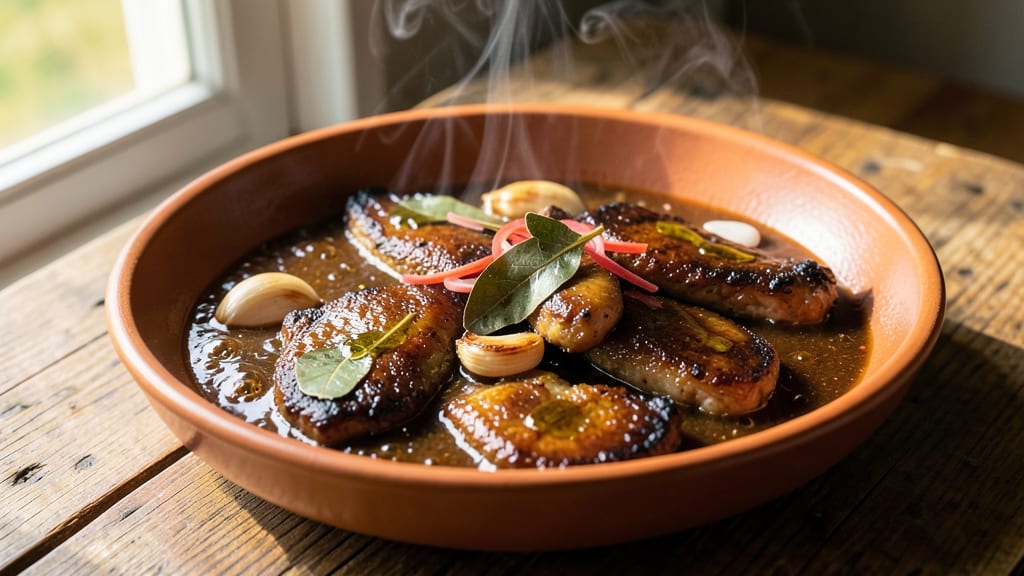
This chicken liver adobo recipe delivers the bold, tangy-savory richness of Filipino home cooking in one deeply flavorful dish. The secret lies in balancing vinegar’s sharp bite with soy sauce’s umami depth, creating a sauce that tenderizes the liver while building complex layers of taste.
I’ve perfected this method through countless batches—each time refining the balance between tang, salt, and subtle sweetness that defines adobo.
The process starts with browning the chicken livers in oil until just cooked through, then simmering them in a sauce made from vinegar, soy sauce, garlic, and bay leaves. This isn’t just a recipe; it’s a technique that transforms simple ingredients into something restaurant-worthy.
The result? Fork-tender livers swimming in a glossy, aromatic sauce that clings to every bite, with just the right amount of heat to linger.
What makes this dish truly special is how it comes together—minimal prep, maximum flavor. In about 45 minutes, you’ll have a complete meal ready to serve over steamed rice, where the sauce soaks into each grain.
The tangy-sweet balance makes it equally satisfying as a standalone dish or paired with pickled vegetables like atchara for contrast. This is comfort food at its finest, with professional-level results.
For those new to Filipino cooking, don’t let the vinegar intimidate you—it’s the star of the show, cutting through the richness of the liver while adding depth. The key is patience: letting the sauce reduce slowly to concentrate those flavors.
Trust the process, and you’ll end up with a dish that’s as impressive as it is delicious, perfect for weeknight dinners or special occasions where you want to showcase your skills.
Ingredients for chicken liver adobo
Simple ingredients transform into restaurant-style Filipino richness with this tangy-savory adobo.
| Ingredient | Amount | Notes |
|---|---|---|
| Chicken Livers 🍗 | 1 ½ lb | Fresh, trimmed of connective tissue |
| Canola Oil 🫒 | ¼ cup | For browning livers |
| White Vinegar 💧 | 1 cup | Distilled preferred for balance |
| Soy Sauce 🥢 | ½ cup | Regular or light soy |
| Garlic Cloves 🧄 | 8 cloves | Peeled, smashed for infusion |
| Bay Leaves 🍃 | 2 whole | Fresh or dried |
| Black Peppercorns 🌶️ | ½ tsp | Crushed for texture |
| Sugar 🍯 | 1 tbsp | White or brown |
| Salt 🧂 | 1 tsp | Kosher or sea salt |
| Water 💧 | ½ cup | For thinning sauce |
| White Onion 🧅 | 1 whole | Thinly sliced for aroma |
| Jalapeño Pepper 🌶️ | 1 whole | Seeded, sliced for heat |
The chicken livers are the star—freshness matters most. Look for vibrant, moist livers at Whole Foods or your local butcher shop; they should smell clean, not metallic. Trim any connective tissue carefully (it’s that white stuff) before cooking. For the vinegar, distilled white vinegar gives the cleanest tang—avoid apple cider vinegar unless you want extra fruitiness. The soy sauce? Regular or light soy works; dark soy would overpower the delicate flavors here. If you're feeling fancy, grab a bottle of Filipino calamansi vinegar from an Asian market for that authentic bite, but white vinegar delivers the same punch.
No white vinegar? Rice vinegar or apple cider vinegar will work, but taste first—you might need a splash more. Running short on soy sauce? Coconut aminos (like Soy Vay) work in a pinch, though the flavor will be subtly different. The garlic and onions can be swapped for green onions or shallots if that's what you have, but they won’t pack the same punch. For heat, skip the jalapeño? Add a pinch of red pepper flakes or a dash of Filipino siling labuyo powder if you're feeling adventurous. The sugar might seem odd, but it’s key—it balances the acidity and caramelizes slightly during cooking, adding depth. Don’t skip it!
This sauce gets better with time—make extra and store it. The livers and sauce keep for 3-4 days in the fridge, though the texture gets slightly softer. For longer storage, freeze the sauce separately (it’s even better reheated) and thaw the livers only when ready to serve. I like to portion the sauce into ice cube trays, then transfer to a bag for easy use in future dishes. The leftovers? Perfect over rice, in fried rice, or as a dip for fries. Trust me, you’ll find reasons to make this again and again.
Why You'll Love This Recipe
- Five-Ingredient Magic: I swear by this recipe—just livers, oil, vinegar, soy sauce, and garlic. That’s it. No fancy prep, no hidden pantry items, and it still delivers.
- Garlic-Soy Bomb: The moment those cloves hit the pan with the vinegar and soy, your kitchen smells like a restaurant. Rich, tangy, umami—it’s the kind of flavor that makes you forget it’s a weeknight.
- Leftovers? Please.: This keeps for days in the fridge, and reheats like a dream. Pack it for lunch, serve it cold with rice, or throw it in a scramble the next morning. Zero waste, maximum convenience.
- Budget Powerhouse: Chicken livers are cheap, and this recipe stretches them far. Feed four for under $8, or double the batch for meal prep. Honestly, it’s my go-to when I need to save money without skipping taste.
Step-by-step instructions for chicken liver adobo
Here's how to transform simple ingredients into a rich, tangy Filipino classic.
Prepare and Sear the Chicken Livers
Pat the 1.5 lb chicken livers completely dry with paper towels—this ensures they brown properly instead of steaming. Trim away any connective tissue or silver skin using a sharp knife, then slice each liver into ½-inch thick pieces for even cooking.
Heat the 0.25 cup canola oil in a large, heavy-bottomed skillet over medium-high heat until shimmering. Working in batches if needed, add the liver pieces and cook undisturbed for 2-3 minutes per side until they develop a deep golden-brown crust. You'll see the edges curl slightly—that's your signal they're ready. Remove the livers and set aside on a plate, leaving the rendered oil in the pan.
Build the Adobo Base with Aromatics
In the same skillet (no need to wipe it clean), add the thinly sliced 1 whole white onion and sliced 1 whole jalapeño pepper. Cook over medium heat for 3-4 minutes until the onions soften and the jalapeño releases its aroma. Add the 8 peeled garlic cloves and cook for another 30 seconds until fragrant—don't let them brown or they'll turn bitter.
Stir in the 0.5 tsp crushed black peppercorns and cook for 1 minute to toast their flavor. This step develops the foundation of your sauce, so don't rush it. The mixture should smell rich and slightly spicy with a hint of garlic's sweetness.
Simmer the Vinegar and Soy Sauce Mixture
Pour in the 1 cup white vinegar and 0.5 cup soy sauce, scraping up any browned bits from the bottom of the pan. Bring to a gentle simmer over medium heat, then add the 2 whole bay leaves, 1 tbsp sugar, and 1 tsp salt. Let it bubble away for 5-7 minutes until the liquid reduces by about one-third and becomes syrupy.
Here's where it gets good—the sauce should coat the back of a spoon and smell tangy with a touch of sweetness from the sugar. If it's too thick, add the 0.5 cup water to reach your desired consistency. The vinegar will mellow as it cooks, leaving behind bright, complex flavors.
Finish the Adobo with Perfect Texture
Return the browned chicken livers to the skillet with any accumulated juices. Gently stir to combine, then reduce heat to low and simmer uncovered for 8-10 minutes. You're looking for the livers to become tender but not mushy—they should still hold their shape when pierced with a fork. The sauce should cling beautifully to each piece.
Taste and adjust seasoning—you might need a touch more salt or sugar to balance the tangy-sweet profile. Remove the bay leaves before serving, as they can be bitter if swallowed. The finished dish should have a glossy sheen from the reduced sauce and a perfect balance of heat, acidity, and umami.
Pro Tips For Making Chicken Liver Adobo
- Blanching First: Dump those livers into boiling water for 30 seconds before cooking—this removes the bitter blood and tightens the texture. I learned this the hard way after making a batch that tasted like iron. Use a slotted spoon to transfer them directly to your pan.
- Sear in Batches: Don’t overcrowd the pan or you’ll steam the livers instead of searing. Work in 1-inch-thick layers, giving each batch 2-3 minutes per side until deeply browned. My first attempt looked pale and tasted raw—classic rookie move.
- Deglaze Aggressively: After searing, let the garlic brown fully before adding vinegar. Scrape every last bit from the bottom with a wooden spoon—this is where the flavor lives. Skip this, and you’re basically making a thinner sauce.
- Balance the Vinegar: Start with ¼ cup vinegar, taste, then add more if needed. Too much and it’ll curdle; too little and the soy sauce won’t shine. I once dumped in the whole bottle and ended up with a science experiment. Adjust gradually.
Serving suggestions for this chicken liver adobo
Steamed Rice Pairing
This dish practically begs for a bed of steamed jasmine rice—the slightly sticky grains soak up the tangy-savory sauce perfectly while providing a neutral base that lets the adobo flavors shine. Use a 1:2 rice-to-water ratio and cook until the grains are tender but still separate.
For extra flair, spread the rice on a tray and broil for 2-3 minutes to crisp the tops slightly before serving. 💛
Pro tip: Cook extra rice—Filipino meals often include rice as a side, and you’ll want seconds. I like to serve it in a banana leaf-lined bowl for that authentic touch, but a simple ceramic dish works just fine.
The contrast between the warm rice and the cool, glossy sauce makes every bite satisfying.
Pickled Vegetables
Atchara (Filipino pickled papaya) is the classic pairing—its sweet-tart crunch cuts through the richness of the liver and balances the sauce’s bold flavors. If you can’t find atchara, quick-pickle cucumbers or carrots in a mix of ½ cup vinegar, ½ cup water, 1 tbsp sugar, and ½ tsp salt for 30 minutes before serving. The acidity in both the adobo and pickles creates a harmonious contrast. 🥒
For a quicker option, toss sliced radishes, green onions, and jalapeño in 1 tbsp rice vinegar and ½ tsp sugar for 15 minutes. The freshness of these veggies brightens the dish, especially if you’re serving it with heavier sides like fried plantains or garlic rice.
Garlic Fried Rice
Transform leftover rice into garlic fried rice by stir-frying it with 2 tbsp oil, 4 minced garlic cloves, and 1 tbsp soy sauce until fragrant. Fold in the adobo livers and sauce from your dish—this turns leftovers into a hearty meal.
The garlic adds another layer of depth, while the crispy rice texture contrasts beautifully with the tender livers. 🍚
For extra richness, top with a fried egg and sprinkle of toasted garlic chips (store-bought or homemade). This version is perfect for brunch or a lazy weekend meal when you want to stretch your adobo into something new.
Crusty Bread
A warm, crusty baguette or sourdough is ideal for soaking up the sauce—tear pieces and serve on the side for dipping. The bread’s chewiness balances the tender livers, and the buttery crust adds a luxurious touch.
I love using Filipino pandesal (sweet bread rolls) if I can find them, but any crusty bread will do. 🥖
For a more interactive dining experience, serve the adobo in a bread bowl—hollow out a round loaf, fill it with the livers and sauce, and let guests tear off pieces to dip. This presentation elevates the dish from weeknight meal to restaurant-worthy centerpiece.
Garnishes That Elevate
Finish the dish with fresh cilantro or Thai basil for a bright, herbaceous note—chop 2 tbsp and scatter over the top just before serving. A drizzle of toasted sesame oil adds nutty depth, while crushed roasted peanuts bring crunch.
For heat lovers, sprinkle ½ tsp siling labuyo powder (Filipino chili) or red pepper flakes over individual portions. 🌿
A final touch of lime wedges lets diners adjust the tanginess to their taste. The citrus also brightens the dish if the sauce has reduced too much during cooking. Serve everything family-style so guests can customize their plates to perfection.
Nutrition facts
Frequently asked questions
Why do chicken livers need to be seared before simmering?
Searing creates a flavorful crust that locks in juices while developing deep caramelized notes. The high heat also helps break down any potential bitterness from the liver's blood, resulting in a more tender and rich final texture. Skipping this step can leave your dish bland or overly metallic-tasting.
Can I substitute chicken livers with another protein in this recipe?
While chicken livers are traditional, you can use duck livers (for richer flavor) or beef liver (leaner cut). For non-liver options, try chicken thighs or pork belly—simmer them longer (15-20 minutes) to achieve similar tenderness. The sauce ratio remains the same, but cooking times will vary.
How do I know when the adobo sauce is properly reduced?
The sauce is ready when it coats the back of a spoon and reduces by about one-third. It should smell tangy with a touch of sweetness from the sugar, and the liquid should be syrupy enough to cling to the livers. If it's too thin, simmer uncovered for another 2-3 minutes.
What if my chicken livers turn out too bitter?
Bitterness usually comes from overcooking or using old livers. To fix it, add ½ tsp sugar or 1 tsp honey to the sauce and simmer for 1-2 minutes. For prevention, always use fresh livers and avoid overcrowding the pan during searing. A splash of coconut milk (1 tbsp) can also help balance harsh flavors.
Can I make this recipe in a slow cooker?
Yes! Brown the livers first, then combine all ingredients in the slow cooker on low for 3-4 hours. The sauce will develop more depth, but check occasionally to prevent overcooking. For quicker results, use high for 1.5-2 hours. The texture will be slightly softer, but the flavors remain rich and balanced.