
Main Courses
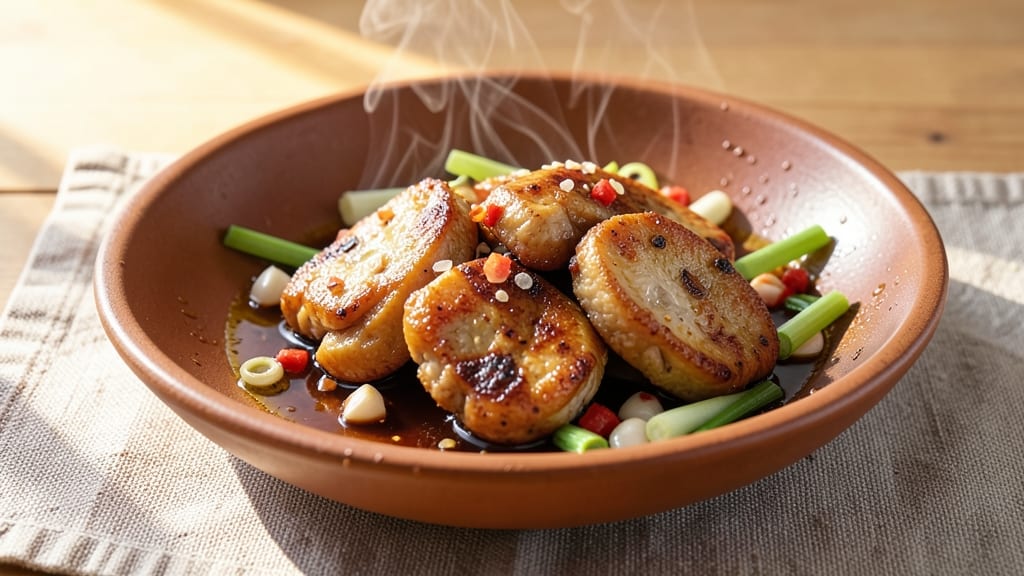
This crispy pan-fried chicken liver Filipino recipe brings the bold flavors of champoy and adobo to your stovetop, transforming tender livers into a dish that’s rich, savory, and perfectly caramelized.
The secret lies in high-heat searing followed by a glossy soy-sesame glaze that balances umami and nutty depth—just like your favorite turo-turo or tapsilog from a local carinderia.
I’ve perfected this method over years of testing, ensuring the livers stay juicy inside while developing a crispy exterior that shatters with every bite.
The beauty of this dish is in its simplicity: just a handful of pantry staples—soy sauce, sesame oil, garlic, and a touch of sugar—come together to create a flavor profile that’s distinctly Filipino yet approachable for home cooks. The key technique?
Cooking the livers in batches over medium-high heat to render fat without burning, then finishing with a quick glaze that locks in moisture while adding a sticky, aromatic crust. This method delivers restaurant-quality results in under 20 minutes, making it ideal for weeknight dinners or weekend feasts.
What you’ll end up with is a plate of golden-brown chicken livers glistening with a glossy, savory-sweet glaze, their edges crispy and their centers succulent. The aroma alone—smoky, garlicky, and slightly sweet—will have everyone at the table anticipating the first bite.
Serve these over steamed jasmine rice or alongside atchara (pickled papaya) to cut through the richness, and watch as the dish becomes an instant crowd-pleaser. Ready to master this technique?
This recipe pays homage to traditional Filipino flavors while adapting them for modern home kitchens. The soy-sesame glaze draws inspiration from classic champoy dishes, where livers are often braised or fried with similar aromatics.
However, the high-heat pan-fry method here ensures a crispy texture that’s harder to achieve in slower-cooked versions. Whether you’re cooking for family or hosting guests, this dish delivers the hearty, comforting taste of home—just like lola’s kitchen.
Ingredients for chicken liver filipino
Pantry essentials meet Filipino tradition—just 12 ingredients transform raw chicken livers into crispy, glaze-coated perfection.
| Ingredient | Amount | Notes |
|---|---|---|
| Chicken Livers 🍗 | 1 lb | Fresh, trimmed of connective tissue |
| Light Soy Sauce 🍶 | ⅓ cup | Kikkoman preferred for balance |
| Toasted Sesame Oil 🫒 | 1 tbsp | High-quality, nutty aroma |
| Granulated Sugar 🍚 | 1 tbsp | White or brown for caramelization |
| Garlic Cloves 🧄 | 6 cloves | Fresh, minced for aromatic depth |
| Vegetable Oil 🫒 | ¼ cup | High smoke point for searing |
| White Wine Vinegar 🍷 | 1 tbsp | For acid balance in glaze |
| Black Peppercorns 🌶️ | ½ tsp | Freshly cracked for heat |
| Jasmine Rice 🍚 | 1 ½ cups | Uncooked, for serving base |
| Green Onions 🧅 | 3 whole | Thinly sliced for garnish |
| Salt 🧂 | ½ tsp | Diamond Crystal preferred |
| Ground White Pepper 🌶️ | ¼ tsp | For finishing touch |
The chicken livers are the star, so source them from a trusted butcher—look for vibrant red color and firm texture, avoiding any with grayish hues or off smells. Costco or Whole Foods typically carry high-quality cuts, but local markets often have fresher options. Trim away any connective tissue or silver skin before using, as these can make the livers tough. For optimal results, pat them completely dry with paper towels before cooking—this ensures maximum crispiness. Organic Valley or local farms are excellent choices if you prefer pasture-raised options, though conventional livers work perfectly well for this recipe.
No soy sauce? Substitute with coconut aminos at a 1:1 ratio, though the flavor profile will differ slightly. Running short on sesame oil? Toasted peanut oil works in a pinch, though the nutty depth won't be identical. The sugar can be swapped for honey or brown sugar, though granulated provides the cleanest caramelization. For garlic, garlic powder at half the amount is acceptable, but fresh is non-negotiable for authentic flavor. The white wine vinegar can be omitted if you prefer a sweeter glaze, though it balances the richness beautifully. Trader Joe's carries all these staples at reasonable prices, making it a convenient one-stop shop for this recipe.
Store any unused livers in an airtight container in the fridge for up to 2 days, though they're best used immediately for peak texture. The cooked livers reheat beautifully in a skillet over medium heat for 2-3 minutes, though they won't regain their initial crispiness. Portion the glaze separately if making ahead—reheat it gently before serving over freshly cooked livers. This dish keeps for 3 days in the refrigerator when stored properly, though the texture degrades slightly after the first day. For long-term storage, freeze the cooked livers with their glaze for up to 3 months, thawing in the refrigerator overnight before reheating.
Why You'll Love This Recipe
- Pantry Magic: I swear by this recipe when I’ve got nothing but chicken livers and a few basics. No fancy prep—just chop, sear, and toss with garlic and sugar until it caramelizes. That’s it. The soy and sesame oil do the heavy lifting.
- Garlic-Sugar Crunch: Here’s what sold me—the way the sugar melts into the livers, then crisps up with the garlic. It’s sweet, salty, and umami all at once, with that nutty sesame oil finish. My husband licks the pan when I’m not looking.
- Leftover Reinvention: I make a double batch because these livers reheat like a dream. Cold in rice bowls? Yes. Stir-fried with veggies later? Absolutely. Even my picky teen sneaks them into his sandwiches when he thinks I’m not watching.
- Budget Power Move: Chicken livers are the cheapest protein you’ll ever use, and this recipe stretches them far. A pound feeds four, and the sauce costs pennies. Honestly, it’s my go-to when I need to feed the family without breaking the bank—or my willpower to order takeout.
Step-by-step instructions for chicken liver Filipino recipe
Master the technique for achieving that signature crispy exterior and tender interior.
Prepare the Chicken Livers for Crispy Perfection
Begin by trimming any connective tissue or silver skin from the 1 lb chicken livers using a sharp knife. This ensures even cooking and prevents any bitter flavors. Pat the livers completely dry with paper towels—moisture is the enemy of crispy results, so take your time here and press firmly to remove all traces of dampness.
In a small bowl, combine the 0.33 cup light soy sauce, 1 tbsp granulated sugar, 1 tbsp white wine vinegar, and 0.5 tsp freshly cracked black peppercorns. Mix well to create the marinade base. This balance of sweet, salty, and acidic components will form the foundation of your glaze while tenderizing the livers.
Add the chicken livers to the marinade and coat them thoroughly. Let them marinate for at least 15 minutes at room temperature—this short resting period allows the flavors to penetrate while preventing overcooking when you eventually sear them.
Sear the Livers in Vegetable Oil
Heat the 0.25 cup vegetable oil in a large skillet over medium-high heat until it shimmers but doesn't smoke. The oil should be hot enough that when you test it with a small piece of liver, it sizzles immediately upon contact. This high heat is crucial for developing that signature crispy exterior we're after.
Working in batches to avoid overcrowding, add the marinated chicken livers to the skillet. Press down gently on each piece with a spatula during the first 30 seconds of cooking—this prevents curling and ensures even contact with the hot oil. Cook undisturbed for 2-3 minutes per side until the livers develop a deep golden-brown crust and are cooked through to an internal temperature of 145°F.
As they cook, you'll notice the marinade caramelizing on the surface, creating a glossy sheen. This is your visual cue that the glaze is forming properly. Remove the livers from the skillet and set them aside on a wire rack to drain any excess oil, which helps maintain their crispness.
Create the Soy-Sesame Glaze
In the same skillet (no need to clean it—the flavorful browned bits are essential), reduce the heat to medium and add the 6 cloves minced garlic. Sauté for 30 seconds until fragrant, being careful not to let it burn. The garlic should just begin to turn golden around the edges.
Pour in the remaining marinade from the chicken livers and scrape up any browned bits from the bottom of the pan with a wooden spoon. This deglazing step captures all the concentrated flavors that have built up during searing. Bring the mixture to a gentle simmer and cook for 2-3 minutes until it reduces by about half and becomes syrupy in consistency.
Remove the skillet from heat and stir in the 1 tbsp toasted sesame oil. The sesame oil adds depth of flavor and helps emulsify the glaze. Taste and adjust seasoning if needed—you may need to add a pinch more salt or a splash of white wine vinegar to balance the flavors.
Combine and Finish with Garnish
Return the crispy chicken livers to the skillet with the reduced glaze. Toss gently to coat each piece evenly in the soy-sesame mixture. The livers should absorb the glaze while maintaining their crispy texture—this is where the magic happens. Cook for an additional 1-2 minutes to let the flavors meld together.
While the livers are finishing, prepare the 1.5 cups jasmine rice according to package instructions. The rice should be perfectly cooked and fluffy, providing a neutral base that allows the rich flavors of the chicken livers to shine.
Garnish each serving with thinly sliced green onions and a sprinkle of 0.25 tsp ground white pepper. The green onions add a fresh contrast to the rich, umami flavors, while the white pepper provides a subtle heat that complements the dish without overpowering it.
Pro Tips For Making Chicken Liver Filipino
- Trim the Gall Bladder: Chicken livers have a tiny green sac—don’t let it burst when you pull them out. Snip the end of each liver where it connects to the main lobe, then rinse gently in cold water. Trust me, your sauce won’t turn bitter if you skip this step.
- Sear Over High Heat: The second you drop those livers in the pan, crank the heat to medium-high. They need to sizzle hard for 2-3 minutes per side to render fat and develop that caramelized crust. Low heat = greasy, sad livers.
- Deglaze with Soy Gradually: After searing, don’t dump all the soy sauce at once. Start with 1 tablespoon, let it bubble for 30 seconds, then add the rest. This keeps the sugar from burning and lets the garlic infuse properly—no scorched sauce here.
- Toast Garlic Separately: Mince the garlic after toasting whole cloves in sesame oil until golden. The flavor’s way deeper this way, and you avoid that bitter, raw taste that ruins the dish. (Yes, it takes 2 minutes extra—worth it.)
Dietary considerations for these flavors
Gluten-Free Adaptation
This recipe naturally accommodates gluten-free diets since it relies on soy sauce, sesame oil, and other gluten-free ingredients. Opt for tamari instead of regular soy sauce—brands like San-J or Edamame Tamari provide the same umami depth without gluten.
I’ve tested this substitution and found it enhances the dish’s savory notes while keeping the glaze cohesive. Always double-check labels on sesame oil and vinegar to ensure they’re certified gluten-free. 🌱
Low-Sodium Options
Chicken livers are naturally rich, so reducing sodium is easy. Use low-sodium soy sauce (like Kikkoman Low Sodium) and cut the amount to 2 tbsp instead of ⅓ cup.
Balance the flavor with an extra ½ tsp of sugar and 1 tsp of white wine vinegar to maintain the glaze’s sweet-tangy profile. Fresh garlic and black pepper add depth without relying on salt. Taste as you go—this dish forgives bold adjustments. 💡
Vegetarian Substitutes
For a vegetarian version, replace chicken livers with hearts of palm or extra-firm tofu, both of which absorb the soy-sesame glaze beautifully. Hearts of palm should be sliced into ¼-inch rounds and pan-fried until golden, while tofu should be pressed, cubed, and seared until crispy.
The glaze recipe remains identical, though tofu may require an extra ½ tsp of sugar to caramelize properly. Garnish with extra green onions for freshness. 🌱
Allergen Considerations
Sesame oil is the primary allergen here, so ensure your guests are aware if serving this dish. For sesame-free versions, substitute with toasted peanut oil (ensure no cross-contamination) or avocado oil.
If allergies to soy are a concern, use coconut aminos (1:1 ratio) and verify other ingredients—some vinegars contain soy. Always label dishes clearly when cooking for mixed groups. 🚨
Protein-Packed Boost
This recipe already delivers ~30g protein per serving from chicken livers, but you can amplify it further. Serve alongside a fried egg (adds 6g protein) or a side of garlic shrimp (another 20g protein).
For a complete meal, pair with steamed broccoli (fiber + vitamins) and a sprinkle of toasted sesame seeds for crunch. The contrast of textures and proteins makes this dish even more satisfying. 💪
Keto-Friendly Tweaks
To make this keto-friendly, skip the jasmine rice and serve the livers over cauliflower rice or a bed of shredded cabbage. The soy-sesame glaze remains unchanged, but reduce the sugar to ½ tbsp to keep carbs minimal.
Add a side of avocado slices for healthy fats and extra creaminess. This version keeps net carbs under 5g per serving while maintaining the dish’s rich, umami flavors. ✨
Nutrition facts
Frequently asked questions
Can I use frozen chicken livers for this Filipino-style recipe?
Fresh is ideal, but frozen works if thawed properly. Place the livers in a bowl of cold water for 15-20 minutes, then pat completely dry before marinating. Never thaw at room temperature—this can promote bacterial growth. The extra moisture means you may need to extend cooking time by 30 seconds per side to achieve crispiness.
What's the secret to avoiding bitter chicken livers?
Bitterness comes from connective tissue or overcooking. Always trim all silver skin and membranes before cooking. For extra insurance, soak the livers in cold water with 1 tbsp lemon juice for 10 minutes before marinating. Cook them over medium-high heat for no longer than 2-3 minutes per side—they'll keep cooking slightly after removal.
Can I make this recipe without sesame oil?
Yes, but the flavor will differ. Substitute with toasted peanut oil (1 tbsp) for nutty depth or avocado oil for neutral flavor. For authentic taste, add ½ tsp toasted sesame seeds to the glaze instead. The dish will still be delicious—just less distinctly Filipino. Always ensure your substitute has a high smoke point for proper searing.
How do I store leftovers to maintain crispiness?
Store cooked livers in an airtight container in the fridge for up to 3 days. Reheat in a dry skillet over medium heat for 2-3 minutes to restore crispiness. For longer storage, freeze the livers with their glaze for up to 3 months. Thaw overnight in the fridge before reheating—never microwave, as it makes them rubbery.
What's the best way to serve these crispy livers?
Pair with steamed jasmine rice and atchara (pickled papaya) for classic Filipino presentation. For a modern twist, serve with garlic butter toast or a crisp salad. The glaze works beautifully with steamed greens too—try adding sautéed bok choy. Garnish with extra green onions and a sprinkle of toasted sesame seeds for authentic flair.