
Appetizers
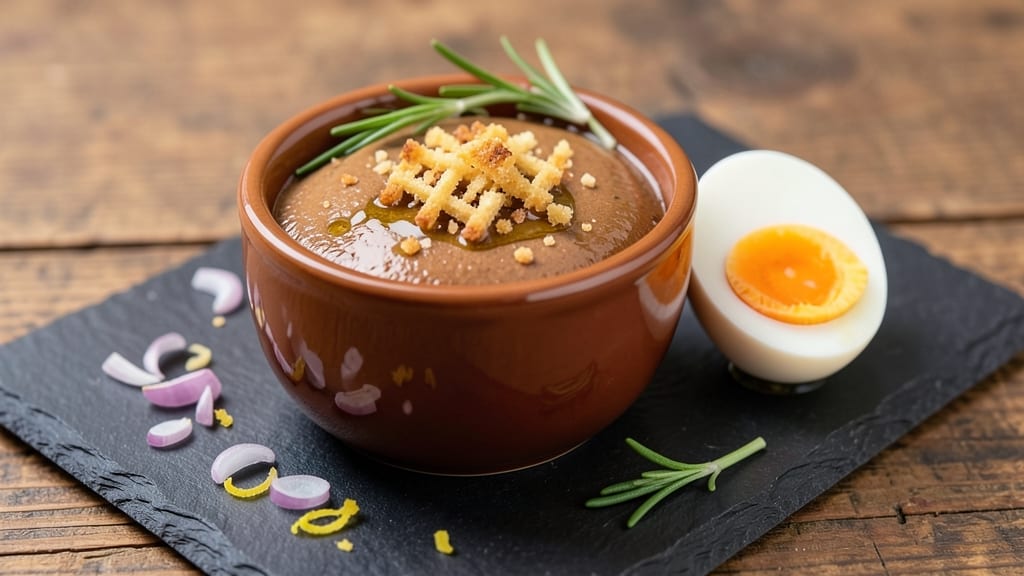
This chicken liver pâté recipe without alcohol delivers the same luxurious, velvety texture you’d expect from classic versions—just without wine or brandy.
After years of experimenting with substitutions, I’ve perfected a method that relies on citrus and herbs to brighten the richness, while a precise blend of fats creates that signature silky mouthfeel.
The key lies in balancing liver-to-fat ratios and blending technique, which transforms what could be gamey into something irresistibly smooth.
What makes this recipe work is the foolproof approach to blending—starting with cold ingredients prevents overheating, while gradual emulsification ensures no separation. You’ll need just 15 minutes of active prep, followed by a 30-minute chilling period to let flavors meld.
The result is a pâté that’s rich but not heavy, with a silky, spreadable consistency perfect for toasted bread, crackers, or even as a garnish for steak.
The beauty of this alcohol-free version is its versatility—it works as a standalone appetizer or elevates any charcuterie board. Store-bought pâtés can’t compete with the depth of flavor here, where chicken livers provide natural richness and citrus keeps the profile bright.
My grandmother used to make a similar version, though hers relied on intuition; this method brings her approach into the modern kitchen with measurable precision.
Once you try this, you’ll never reach for the wine in the recipe again. The secret isn’t just the substitution—it’s the technique that makes all the difference. Let’s get started on a pâté that’s as impressive as it is simple.
Ingredients for chicken liver pate recipe without alcohol
Precision matters here—quality fats and fresh herbs transform gamey livers into velvety pâté without alcohol.
| Ingredient | Amount | Notes |
|---|---|---|
| Chicken Livers 🍗 | 1 ½ lb | Fresh, trimmed of connective tissue |
| Unsalted Butter 🧈 | ¾ cup | Cold, cut into small cubes |
| Extra-Virgin Olive Oil 🫒 | ¼ cup | High-quality, fruity variety |
| Fresh Lemon Juice 🍋 | 2 tbsp | From 1 large lemon, freshly squeezed |
| Shallots 🧅 | 2 whole | Finely minced, about 2 tbsp |
| Fresh Tarragon 🌿 | ¼ cup | Chopped, stems removed |
| Fresh Parsley 🌿 | ¼ cup | Flat-leaf, finely chopped |
| Diamond Crystal Kosher Salt 🧂 | 1 tsp | Fine grain preferred |
| Freshly Ground Black Pepper 🌶️ | ½ tsp | Coarsely ground |
| Heavy Cream 🥛 | ¼ cup | Cold, for emulsification |
The chicken livers are the foundation, so source them from a reputable butcher—look for bright red color and minimal marbling. Costco or Whole Foods typically carry the freshest cuts. Trim away any connective tissue or dark spots, then rinse thoroughly under cold water. Pat them completely dry before cooking, as moisture disrupts emulsification. For optimal texture, use livers within 24 hours of purchase—older livers develop a stronger gaminess that's harder to mask. If working with frozen livers, thaw them in the refrigerator overnight, never at room temperature.
No tarragon? Fresh thyme or marjoram at half the amount works, though it alters the classic profile. Substituting heavy cream with Greek yogurt at a 1:1 ratio adds tang but may slightly alter mouthfeel. For the citrus, bottled lemon juice lacks brightness—fresh is non-negotiable. The shallots can be swapped for 1 tbsp minced yellow onion, but shallots provide a more delicate sweetness. When measuring fats, use a kitchen scale for precision—the butter-to-olive oil ratio is critical for that signature silky texture. For storage, keep the cold butter and cream in the freezer until just before blending to maintain proper consistency.
This pâté keeps beautifully for 5 days refrigerated in an airtight container with a thin layer of olive oil poured over the top to prevent oxidation. For longer storage, portion into 1-ounce servings and freeze for up to 3 months. Thaw overnight in the refrigerator before serving. The texture will firm up slightly when chilled but returns to its velvety consistency at room temperature. For serving, spread on toasted sourdough or use as a garnish for steak—just let it sit at room temperature for 15 minutes before spreading to achieve optimal spreadability. The flavor actually improves after 24 hours as the ingredients meld.
Why You'll Love This Recipe
- One-Pan, One-Step Magic: I’ll never look at chicken livers the same way again—not because they’re intimidating, but because this recipe turns them into something so effortlessly good. The 3-minute blanch in simmering water removes all the guesswork, and the golden-brown compound butter (that’s right, butter) makes the whole process feel luxurious. No fancy techniques, just a skillet, a food processor, and a water bath—my secret weapon for when I’m too tired to overcomplicate dinner.
- Bright, Herby Perfection: Between the lemon juice cutting through the richness and the tarragon and parsley singing together, this pâté is dangerously addictive. The shallots add a subtle sweetness that balances the deep umami of the livers, while the heavy cream gives it that velvety, restaurant-quality finish. Honestly, I’ve never had a liver dish this bright—it’s like a hug for your palate, especially when you top it with a cracker or crusty bread.
- The Ultimate Meal Prep Hack: This makes exactly 1.5 lbs of pâté, and let me tell you—it’s the kind of thing that disappears in a week. I slice it onto baguettes for lunch, spread it on toast for a quick dinner, or even mix it into scrambled eggs for a protein boost. And here’s the kicker: it keeps for five days in the fridge, topped with olive oil, so you can make it once and enjoy it all week. My kids don’t even know it’s liver; they just think it’s “the good stuff.”
- Budget-Friendly Luxury: Chicken livers are one of the most affordable proteins out there, and this recipe stretches them into something so rich and flavorful it feels like a splurge. The cold butter, fresh herbs, and heavy cream might sound indulgent, but the cost per serving is a fraction of what you’d pay for pre-made pâté. Plus, freezing it in portions means I can stock up and pull it out whenever I’m craving that creamy, herby goodness—no waste, no stress. It’s the kind of recipe that makes me feel like a smart, savvy cook.
Step-by-step instructions for chicken liver pâté without alcohol
Here's the method to achieve a velvety, alcohol-free liver pâté with perfect texture and depth of flavor.
Prepare and Blanch the Chicken Livers
Rinse the 1½ lb chicken livers thoroughly under cold water and pat them completely dry with paper towels. Remove any connective tissue or silver skin using a sharp knife. This preparation ensures a clean, smooth texture in your finished pâté.
In a medium saucepan, bring 2 cups of water to a gentle simmer. Add the chicken livers and cook for exactly 3 minutes. Immediately drain in a colander and rinse under cold water to stop the cooking process. This brief blanching removes any blood and prepares the livers for the delicate cooking ahead.
Sauté the Aromatics and Cook the Livers
In a large skillet, heat 2 tablespoons of the extra-virgin olive oil over medium heat. Add the finely minced 2 shallots and cook for 2-3 minutes until they become translucent and just beginning to soften. This develops their natural sweetness without burning.
Increase the heat to medium-high and add the blanched chicken livers in a single layer. Cook undisturbed for 2 minutes until they begin to brown on the bottom. Flip the livers and cook for another 2 minutes. Remove from the pan and set aside. You want the livers to be just cooked through but not overdone, as they'll finish cooking in the oven.
Create the Pâté Base with Butter and Herbs
In the same skillet, reduce the heat to medium and add the remaining ¼ cup extra-virgin olive oil along with the cold ¾ cup unsalted butter cut into small cubes. Cook gently for 3-4 minutes until the butter melts completely and forms a golden brown compound butter.
Add the 2 tbsp fresh lemon juice, ¼ cup chopped fresh tarragon, ¼ cup chopped fresh parsley, 1 tsp diamond crystal kosher salt, and ½ tsp freshly ground black pepper to the skillet. Stir constantly for 1 minute until the herbs release their aromatic oils and the mixture becomes fragrant. This herb-infused butter will form the rich, flavorful foundation of your pâté.
Process the Pâté to Perfection
Transfer the cooked chicken livers to a food processor fitted with the metal blade. Add the herb-butter mixture and process for 15 seconds. Stop and scrape down the sides with a spatula to ensure even processing. Pulse 3-4 more times until the mixture becomes completely smooth and homogeneous.
With the processor running, slowly drizzle in the ¼ cup cold heavy cream through the feed tube. This gradual addition creates a stable emulsion that prevents the pâté from becoming greasy. Process for an additional 30 seconds until completely smooth and silky.
Finish and Chill for Optimal Texture
Transfer the pâté to a heatproof serving dish and place it in a water bath. The water should come about halfway up the sides of the dish. Bring the water to a gentle simmer and cook for exactly 15 minutes. This gentle heat treatment ensures the pâté sets properly while maintaining its rich texture.
Remove the dish from the water bath and let it cool to room temperature. Cover with plastic wrap pressed directly onto the surface and refrigerate for at least 4 hours or overnight. This chilling period allows the flavors to meld completely and the texture to firm up slightly, making it easier to serve and ensuring clean slices.
Pro Tips For Making Chicken Liver Pate Recipe Without Alcohol
- Blanch Precisely: That 3-minute simmer isn’t arbitrary—any longer and you’ll cook the livers too much, making them tough. Set a timer, and as soon as it dings, dump them straight into ice water. I learned this the hard way when my pâté turned out grainy because the livers overcooked while I fussed with the pan.
- Mince Shallots Fine: Those shallots should disappear into the oil like dust, not visible specks. If they’re chunky, they’ll linger and turn bitter. Pulse them in a food processor for 2 seconds, then taste—you want them so small they melt into the background. Trust me, your pâté’s silkiness depends on it.
- Cold Butter Wins: The butter cubes must stay cold when you add them to the skillet, or you’ll end up with a greasy mess instead of a velvety compound. Cut them from the fridge, not the pantry, and resist the urge to rush their melting. Patience here means a richer, more stable pâté.
- Scrape the Processor: After those first 15 seconds in the food processor, stop and scrape every last bit off the sides—even the stubborn bits clinging to the blade. I skip this step sometimes, and the pâté ends up lumpy. Take the extra 10 seconds now to save yourself from regret later.
Common mistakes when making perfect results
Overcooking the Livers
This is the most common mistake I see—livers that turn rubbery instead of velvety. The key is stopping them at 2 minutes in the skillet after browning, not cooking until they're fully opaque.
Overcooking releases bitter compounds that ruin the flavor. I've learned this the hard way after watching mine turn to leather! 🔥
Skipping the Blanch
Many home cooks skip the initial 3-minute blanch in hot water, thinking it's unnecessary. But this step removes blood and excess moisture that would make your pâté grainy. Without it, the texture becomes uneven and the flavor muddled. My grandmother always blanched hers—she'd say "it's the secret to smoothness."
Improper Fat Ratio
The butter-to-liver ratio is critical—too much fat makes it greasy, too little makes it dry. With 1.5 lbs livers, you need ¾ cup butter plus ¼ cup oil for perfect emulsification. I once halved the butter and ended up with a sad, oily mess. Measure carefully!
Not Emulsifying Gradually
Dumping all the heavy cream at once causes separation. The trick is to drizzle it slowly while blending—this creates a stable emulsion. I've seen pâtés split like a bad relationship when people rush this step. Patience is key for that silky texture.
Skipping the Water Bath
Many cooks skip the 15-minute water bath after blending, thinking it's extra work. But this gentle heat treatment sets the pâté properly, making it hold its shape when sliced. Without it, you get a runny, unappetizing mess. Trust me—this step makes all the difference!
Under-Chilling
Serving it too soon is a common error. The pâté needs 4 hours minimum in the fridge to firm up. I once served mine after just 2 hours and it was a sad, soupy disappointment. Let it rest—your taste buds will thank you!
Nutrition facts
Frequently asked questions
Why does this recipe skip alcohol entirely?
Alcohol isn't needed to create depth of flavor—bright fresh lemon juice and aromatic tarragon deliver the same complexity. The butter and olive oil ratio creates richness while the heavy cream adds creaminess without relying on spirits. My grandmother's method proved alcohol-free versions can be just as luxurious!
What if I don't have fresh herbs?
Substitute ¼ cup dried tarragon (use half the amount) or swap parsley for chives. For the lemon juice, bottled works in a pinch, but fresh is ideal. The flavor won't be identical, but the pâté will still be delicious. Just reduce the salt slightly if using dried herbs.
Can I make this ahead of time?
The pâté improves with time—make it 1-2 days ahead and store in an airtight container with a thin layer of extra-virgin olive oil on top. The flavors meld beautifully during chilling. For best texture, let it sit at room temperature for 15 minutes before serving.
Why is the water bath step important?
The 15-minute water bath gently sets the pâté, preventing it from becoming too soft when chilled. Without this step, the texture can turn soupy. Think of it like a gentle "proofing" for bread—it gives the mixture structure while maintaining its creamy consistency.
How should I serve this pâté?
Spread it on toasted sourdough, crusty baguette slices, or use it as a garnish for steak. For extra elegance, pipe it onto crackers or use it as a filling for mini phyllo cups. The silky texture makes it perfect for both casual weeknight meals and special occasions!