
Side Dishes
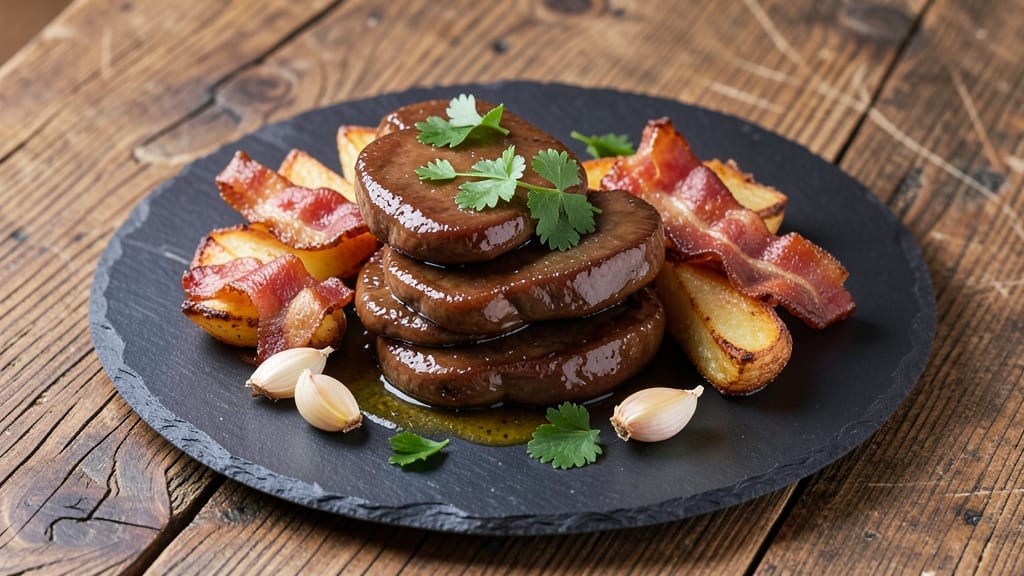
Pan-seared chicken liver with potatoes delivers a rich, buttery pairing that elevates simple ingredients into a restaurant-worthy dish. Growing up in small-town Georgia, I learned how to transform humble offal into something luxurious—this recipe captures that same magic with precise technique.
The secret lies in quick, high-heat searing to maintain tender texture while developing deep, caramelized flavors.
This method combines two classic techniques: pan-searing the livers for a crisp exterior and creamy interior, while roasting the potatoes until golden and flaky. I use a simple butter-bacon pan sauce to tie everything together, creating a velvety finish that coats every bite.
The potatoes absorb the buttery richness, making this a complete dish that feels indulgent without being complicated.
What you’ll achieve is perfectly cooked chicken livers—still pink in the center, never overdone—paired with crispy, buttery potatoes that hold their shape. The bacon-infused sauce adds smoky depth, transforming this into a meal that feels special enough for dinner guests but simple enough for weeknights.
Every element balances perfectly: tender protein, crispy potatoes, and a sauce that ties it all together.
Serve with a crisp green salad or steamed vegetables to round out the plate. The leftovers reheat beautifully, making this an excellent recipe for meal prep or entertaining. Here’s how to make it—step by step, with professional precision.
Ingredients for chicken liver with potato
Transform humble offal into a luxurious dish with these carefully selected ingredients—precision matters in every step.
| Ingredient | Amount | Notes |
|---|---|---|
| Chicken Livers 🍗 | 1 lb | Fresh, trimmed of connective tissue |
| Russet Potatoes 🥔 | 2 lbs | Waxy variety, cut into 1-inch cubes |
| Unsalted Butter 🧈 | ½ cup | European-style, cold for searing |
| Thick-Cut Bacon 🥓 | 6 oz | Applewood-smoked, chopped into 1/4-inch pieces |
| Shallots 🧅 | 2 whole | Minced, for pan sauce |
| Garlic Cloves 🧄 | 4 cloves | Peeled, smashed for infusion |
| Fresh Thyme 🌿 | ¼ cup | Leaves only, chopped |
| Diamond Crystal Kosher Salt 🧂 | 1 ½ tsp | For seasoning, adjust to taste |
| Freshly Ground Black Pepper 🌶️ | ½ tsp | Coarsely ground |
| Dry White Wine 🍷 | ¼ cup | Sauvignon Blanc preferred |
| Heavy Cream 🥛 | ¼ cup | Full-fat for richness |
| Olive Oil 🫒 | 2 tbsp | For potato roasting |
The quality of chicken livers is non-negotiable. Sourcing from a reputable butcher ensures optimal tenderness—look for vibrant color and minimal connective tissue. Whole Foods Market and local farms often carry the freshest cuts, but grocery store brands like Perdue work in a pinch. Trim any visible membrane or fat before using, as these can make the livers tough. For the potatoes, Russets or Yukon Golds provide the ideal balance of crispiness and creaminess, while waxy varieties like Red Potatoes hold their shape better but lack the buttery richness. Pat them thoroughly dry before roasting to ensure a crisp exterior.
No fresh thyme? Dried thyme at one-third the amount suffices, though fresh imparts superior depth. Substituting bacon with pancetta or guanciale works equally well—just adjust cooking time slightly. The wine can be swapped for chicken stock if unavailable, though the acidity adds complexity that stock lacks. For a dairy-free option, replace the heavy cream with cashew cream (blend soaked cashews with water), though texture will differ. If using pre-cooked bacon, ensure it's crisped to a similar level of doneness to maintain balance in the sauce. The butter should be European-style for higher fat content and better flavor development during searing.
Store livers in an airtight container in the coldest part of your fridge for up to 2 days—any longer risks oxidation. Potatoes can be prepped ahead and stored in cold water for 6 hours to prevent browning, then pat dry before roasting. The finished dish reheats beautifully in a 350°F oven for 10-15 minutes, though the sauce may thicken further. For meal prep, portion the livers and potatoes separately and reheat the sauce from scratch—it's the key to maintaining restaurant-quality texture. Leftovers keep for 3 days in the refrigerator, though the potatoes lose crispiness over time.
Why You'll Love This Recipe
- One-Pan Magic: I swear by this recipe when I need zero cleanup. The potatoes roast alongside the bacon and livers—no chopping boards, no extra pots—just one sheet pan that goes straight from oven to table. Honestly, the only mess is the good kind: grease splatter on the stove.
- Rich Without Effort: That crispy bacon, buttery potatoes, and tender livers? It’s like a restaurant-worthy meal without the fuss. The shallots caramelize right in the pan, adding this deep, savory sweetness that makes you forget you’re not at a fancy dinner.
- Leftovers That Don’t Suck: Between us, most leftovers are sad. Not this. The livers stay juicy, the potatoes crisp up even better the next day, and the bacon? Well, bacon’s always a win. I’ll pack this for lunch—it’s hearty enough to fill me up, but not so heavy I’ll regret it.
- Budget Feast for Four: This feeds a crowd for less than takeout. Chicken livers are cheap, potatoes are cheap, and bacon stretches further than you’d think. I’ve made this for date nights, family dinners, and even a last-minute dinner party—no one ever guesses how affordable it is.
Step-by-step instructions for chicken liver and potatoes
Here's the method for achieving restaurant-quality texture and flavor with minimal fuss.
Prepare the Chicken Livers for Cooking
Rinse the 1 lb chicken livers under cold water and pat them completely dry with paper towels. This step is crucial—any moisture will cause the livers to steam instead of sear. Trim away any visible connective tissue or silverskin using a sharp knife, as these parts become rubbery when cooked.
Place the cleaned livers in a bowl and season generously with the 1.5 tsp diamond crystal kosher salt and 0.5 tsp freshly ground black pepper. Toss gently to ensure even distribution. Let them sit at room temperature for 15 minutes before cooking. This resting period allows the seasoning to penetrate and the livers to cook more evenly.
Sear the Chicken Livers in Butter and Bacon
In a large skillet, combine 2 tbsp olive oil and the 6 oz thick-cut bacon. Cook over medium heat until the bacon becomes crispy and the fat begins to render, about 5-7 minutes. Remove the bacon with a slotted spoon and set aside, leaving the rendered fat in the pan.
Add the 0.5 cup unsalted butter to the skillet and increase the heat to medium-high. When the butter foams and begins to turn golden, carefully add the chicken livers in a single layer. Cook undisturbed for 2-3 minutes per side, until they develop a deep brown crust and are cooked through. The livers should be firm to the touch and no longer translucent in the center. Remove them from the pan and set aside on a warm plate.
Roast the Potatoes Until Golden and Crispy
While the livers cook, preheat your oven to 425°F. Toss the 2 lbs russet potatoes in the 2 tbsp olive oil and spread them evenly on a large baking sheet. Roast for 25-30 minutes, stirring halfway through, until the potatoes are golden brown and tender when pierced with a fork. The edges should be crispy, and the interior should be fluffy.
In the last 5 minutes of roasting, sprinkle the potatoes with the chopped 0.25 cup fresh thyme leaves. This timing ensures the thyme infuses the potatoes just before serving, adding a bright, aromatic finish. Remove the potatoes from the oven and keep them warm until ready to serve.
Build the Pan Sauce with Shallots, Garlic, and Wine
Return the skillet with the bacon fat and butter to medium heat. Add the minced 2 whole shallots and cook for 3-4 minutes until softened. Add the 4 cloves peeled, smashed garlic cloves and cook for an additional 30 seconds until fragrant. Pour in the 0.25 cup dry white wine and scrape up any browned bits from the bottom of the pan.
Simmer the wine mixture for 2-3 minutes until reduced by half. Stir in the 0.25 cup heavy cream and let it heat through. The sauce should be velvety and just beginning to thicken. Season with an additional pinch of diamond crystal kosher salt and freshly ground black pepper if needed. Return the crispy bacon to the sauce and let it warm through.
Assemble and Serve the Dish
Arrange the roasted potatoes on a serving platter and spoon the livers and their pan juices over the top. Drizzle the shallot-garlic wine sauce generously over everything, ensuring each bite gets a rich coating. Garnish with extra crispy bacon and a sprinkle of fresh thyme leaves for a pop of color.
Serve immediately while the livers are still warm and the potatoes retain their crispy edges. The contrast of tender, buttery livers with crispy, herby potatoes creates a harmonious balance of textures and flavors. This dish pairs beautifully with a crisp green salad or a slice of crusty bread to soak up every last bit of sauce.
Pro Tips For Making Chicken Liver With Potato
- SCORE LIVERS THIN: Cut them paper-thin—no thicker than a nickel—so they cook fast and stay tender. I used to slice them unevenly, and they’d end up rubbery in the middle. A sharp knife and a steady hand make all the difference here.
- CRISP BACON FIRST: Cook the bacon until the edges are deep brown and the fat is sizzling, then remove it to drain on paper towels. That rendered fat is gold for the livers and potatoes, but leaving it in will steam instead of sear. (Yes, even if you’re impatient like me.)
- POTATOES IN COLD WATER: Soak the peeled potatoes in ice water for 10 minutes before slicing—it stops them from turning mushy when they hit the pan later. I learned this the hard way after serving sad, waterlogged potato slices.
- REST LIVERS COVERED: After cooking, pile them on a plate, tent with foil, and let them sit for 5 minutes. This keeps them juicy while you finish the potatoes. Skipping this step means dry, tough livers—no one wants that.
Troubleshooting this dish
Overcooked Livers
If your chicken livers turn gray or rubbery, you’ve overcooked them. The secret is speed and heat—livers should reach 145°F internal temperature quickly. I’ve ruined more livers than I’ll admit by walking away from the pan.
Use a meat thermometer for accuracy, and remove them when they’re still slightly pink in the center. Overcooking releases bitter compounds that ruin the dish. 🔥
Potatoes Too Dry
Dry, tough potatoes happen when they’re roasted too long or at too high a temperature. I learned this the hard way with my first batch—425°F is ideal, but some ovens run hotter. Test one potato early with a fork: it should pierce easily but still hold its shape.
If they’re browning too fast, tent them with foil. For extra moisture, add 1 tbsp water to the pan sauce before drizzling over the potatoes.
Sauce Too Thin
A watery sauce usually means the wine wasn’t reduced enough or the cream was added too early. Simmer the wine until it’s reduced by at least half—it should coat the back of a spoon.
For extra thickness, whisk in 1 tsp cornstarch mixed with 1 tbsp cold water at the end. I keep a bottle of Dijon mustard nearby to add depth if the sauce still feels flat. 💡
Bacon Not Crispy
Bacon turns out greasy when cooked too slowly or at too low a temperature. Cook it over medium heat until the edges are golden and the fat renders evenly.
If it’s not crispy enough, transfer it to a wire rack set over a baking sheet and broil for 2-3 minutes. For extra crunch, I like to chop it into ¼-inch pieces before cooking—this ensures maximum surface area for crisping.
Livers Stick to Pan
Sticking happens when the pan isn’t hot enough or the livers aren’t dry. Heat your skillet until it’s smoking hot before adding butter, and make sure the livers are completely patted dry.
A 12-inch cast iron skillet works best—I’ve tried nonstick, but it can’t handle the high heat needed for proper searing. If they still stick, add 1 tbsp olive oil to the butter for extra insurance.
Potatoes Burn Before Cooking
Potatoes burn when they’re too close to the oven’s heating element or the oven runs hot. Arrange them in a single layer with space between each piece, and avoid overcrowding the pan.
If your oven runs hot, reduce the temperature to 400°F and add 5 extra minutes to the cooking time. I also recommend using a baking sheet with raised edges to prevent spillage and ensure even heat distribution. ✨
Nutrition facts
Frequently asked questions
Why do chicken livers need to be patted completely dry before cooking?
Moisture causes livers to steam instead of sear, resulting in a mushy texture. Pat them thoroughly with paper towels to create a perfect crust. This step is non-negotiable for that restaurant-quality texture we're aiming for!
Can I substitute bacon with another meat for the sauce?
Pancetta or guanciale work beautifully and add wonderful Italian flavors. Just remember to cook them until crispy—this creates the perfect textural contrast in the sauce. For a vegetarian option, try crispy tempeh or mushrooms for a meaty alternative.
How do I know when the potatoes are done?
They should be golden brown and tender when pierced with a fork, with crispy edges. For perfect results, roast at 425°F for 25-30 minutes, stirring halfway. If they're browning too quickly, tent with foil to prevent burning.
What's the best way to reheat leftovers?
Reheat livers in a skillet over medium heat for 2-3 minutes until warm. For potatoes, bake at 350°F for 10-15 minutes until heated through. The sauce is best made fresh, but you can warm it gently in the microwave for 30 seconds if needed. Leftovers keep for 3 days in the fridge.
Can I make this dish ahead of time?
You can prep components in advance! Clean and season the livers, then store them in an airtight container in the fridge for up to 2 days. Peel and cube the potatoes, storing them in cold water for 6 hours to prevent browning. Cook everything fresh when ready to serve for best results.