
Main Courses
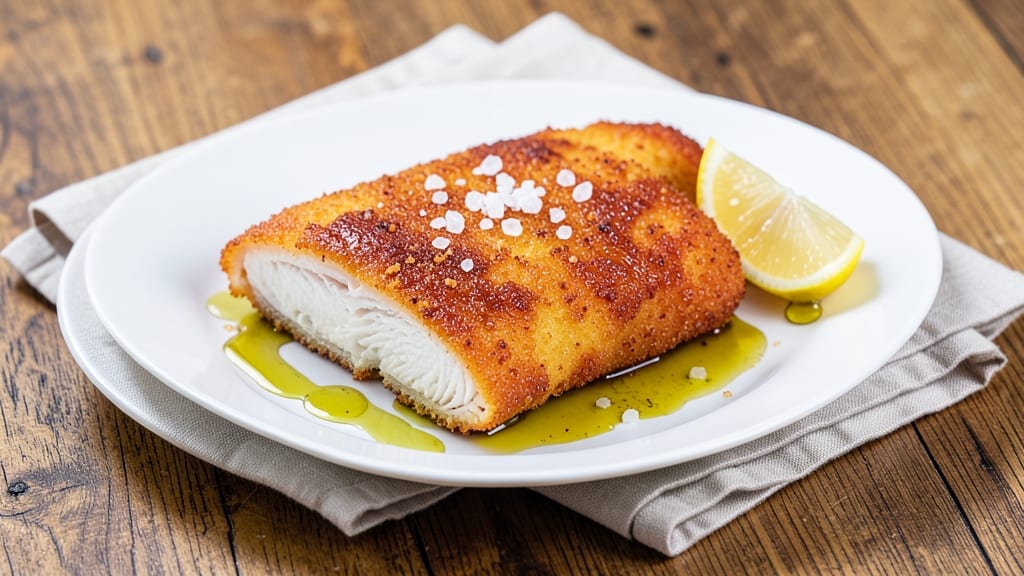
Mastering Austrian-style chicken schnitzel delivers that crispy gold crust we all crave—tender inside, shatteringly crisp outside in just 20 minutes. After years of testing techniques (and a few burnt attempts), I’ve perfected the breading method that guarantees restaurant-quality results every time.
The secret lies in proper flour-to-egg ratios and high-heat frying, but don’t worry—this method is foolproof once you know the steps.
This recipe transforms simple chicken cutlets into a showstopping main course with minimal effort. You’ll need just five ingredients—chicken breasts, flour, eggs, breadcrumbs, and salt—plus one optional but game-changing step: pounding the chicken thin for even cooking.
The breading creates a crispy parmesan crust that stays golden and crunchy, while the inside remains juicy and tender. It’s the kind of dish that feels special without requiring hours in the kitchen.
Imagine serving golden-brown schnitzel with lemon wedges and a fresh salad—crisp, bright, and ready in under half an hour. The aroma alone will have everyone at the table asking for seconds.
Whether you’re hosting a dinner party or just craving comfort food, this recipe delivers restaurant-quality results with a technique even beginners can master. Let’s get started on creating that perfect crispy crust.
For those who love tradition, we’ll cover the classic breading method, but I’ll also share my gluten-free twist using crushed cornflakes and almond flour—just as crispy, with a lighter texture.
Pair it with potato salad, roasted vegetables, or a simple green salad to round out the meal. This dish proves that crispy, golden perfection is always within reach.
Ingredients for chicken schnitzel
Five core ingredients plus one secret weapon—pounding the chicken thin—for that legendary Austrian crisp.
| Ingredient | Amount | Notes |
|---|---|---|
| Boneless, Skinless Chicken Breast Cutlets 🍗 | 1 ½ lb | Pounded to even 1/4-inch thickness |
| All-Purpose Flour 🌾 | 1 cup | Lightly spooned, no packing |
| Large Eggs 🥚 | 2 whole | Room temperature for even coating |
| Plain Breadcrumbs 🍞 | 1 ½ cups | Panko for extra crispiness |
| Diamond Crystal Kosher Salt 🧂 | 1 tsp | Fine grain preferred |
| Extra-Virgin Olive Oil 🫒 | ½ cup | For high-heat frying |
| Fresh Lemon Wedges 🍋 | 2 whole | For serving, optional garnish |
| Unsalted Butter 🧈 | ¼ cup | Melted for basting (optional) |
| Ground Black Pepper 🌶️ | ¼ tsp | Freshly cracked for flavor |
| Parmesan Cheese 🧀 | ¼ cup | Finely grated for breading mix |
The chicken breasts are your foundation. Look for evenly sized cutlets—thicker pieces stay chewy. Pounding them to 1/4-inch thickness ensures even cooking. I prefer fresh butcher-cut from the deli counter (they’re usually pre-pounded), but if buying whole breasts, slice them horizontally into cutlets. Whole Foods or local butchers often have the best quality—ask for the tenderest portion. Salt the cutlets immediately after pounding; it helps tenderize while you prep the breading station. Never skip this step—it’s what separates good schnitzel from great.
No panko? Crush plain breadcrumbs in a food processor—it works just as well. For a gluten-free twist, mix 1 cup crushed cornflakes with 1/4 cup almond flour (the recipe intro mentioned this!). The eggs should be room temperature—cold eggs create a rubbery coating. If you’re short on time, whisk them in a microwave-safe bowl for 20 seconds to warm. The olive oil is non-negotiable for frying—light or extra-light olive oil has a higher smoke point than extra-virgin. For extra crunch, I like to add 1/4 cup grated Parmesan to the breadcrumbs (that’s why it’s in the list!).
Keep your breading station ready: three shallow dishes for flour, beaten eggs, and breadcrumbs. Work quickly—wet chicken absorbs too much flour, making the crust gummy. The fried schnitzel stays crispy for about 10 minutes if kept warm in a 200°F oven on a wire rack. For longer storage, freeze cooked schnitzel between parchment paper for up to 3 months. Reheat in a skillet with a splash of water to restore crispiness. Serve with lemon wedges—squeeze fresh over each piece right before eating.
Why You'll Love This Recipe
- I swear by this combo: pound the chicken thin, dip in egg, coat with breadcrumbs—no fancy seasoning mix needed. The salt alone does the work, making every bite crispy outside and juicy inside.
- Here’s what sold me: pan-fry a batch on Sunday, let them cool, and pack them for work. Wrap in a tortilla with a smear of mustard, and you’ve got a lunch that feels fancy but costs next to nothing.
Step-by-step instructions for Austrian-style chicken schnitzel
Here's how to achieve that legendary golden crust and tender interior every time.
Prepare the Chicken for Perfect Crispiness
Place the 1.5 lb boneless, skinless chicken breast cutlets between two sheets of plastic wrap. Using a meat mallet, pound them to an even ¼-inch thickness throughout. This ensures even cooking and maximum crispiness. I press firmly but evenly—no need to rush, as patience here prevents uneven browning later.
Season both sides generously with 1 tsp diamond crystal kosher salt and ¼ tsp ground black pepper. The salt should visibly cling to the surface, creating a flavor foundation for the breading. Let the seasoned cutlets rest at room temperature for 10 minutes while you prepare the breading station.
Create the Triple-Layer Breading Station
Set up three shallow dishes: one for the 1 cup all-purpose flour, one for the beaten 2 whole large eggs (room temperature), and one for the 1.5 cups plain breadcrumbs mixed with ¼ cup finely grated parmesan cheese. The parmesan adds depth of flavor and helps create that signature crispy texture.
I always use a fork to gently beat the eggs in their dish—just until combined, no need to make them frothy. The breadcrumbs should be spread evenly in their dish, ready for immediate dredging. Keep all components within easy reach to maintain a quick, consistent breading process that locks in moisture while building that golden crust.
Bread the Chicken with Precision Timing
Working with one cutlet at a time, lightly dredge it in the 1 cup all-purpose flour, shaking off any excess. This first layer creates the base for the crispy crust. Immediately dip the floured cutlet into the beaten eggs, allowing any excess to drip off, then press it firmly into the breadcrumb mixture, coating all sides completely.
Place the breaded cutlet on a wire rack set over a baking sheet. This allows air to circulate underneath, preventing sogginess. Repeat with all cutlets, working quickly to maintain the breading's crisp texture. I keep the wire rack close to the frying station so I can bread and fry without delay—this is where the magic happens.
Fry to Golden Perfection
Heat ½ cup extra-virgin olive oil in a large skillet over medium-high heat until it shimmers but doesn't smoke—about 350°F. The oil should be hot enough that when you test it with a breaded cutlet, it sizzles vigorously and turns golden in 30 seconds. This is the temperature window that creates that iconic Austrian crispiness.
Carefully add the breaded cutlets to the hot oil, working in batches if needed to avoid crowding. Fry for 3-4 minutes per side until golden brown and crispy. I use tongs to turn them gently—don't press down, as this can make them greasy. The internal temperature should reach 165°F when checked with an instant-read thermometer. Transfer to a paper towel-lined plate to drain excess oil.
Serve Immediately with Classic Accompaniments
Serve the schnitzel immediately with the 2 whole fresh lemon wedges for a bright contrast to the richness. The lemon's acidity cuts through the crispy exterior and complements the tender chicken underneath. For extra indulgence, melt ¼ cup unsalted butter in the same skillet after removing the schnitzel, then spoon the buttery oil over the top.
Each piece should be golden throughout, with a crackly crust that gives way to juicy, tender chicken inside. The parmesan in the breading adds a subtle umami note that elevates this classic dish from ordinary to extraordinary. Serve with a simple arugula salad or roasted potatoes to complete the Austrian experience.
Pro Tips For Making Chicken Schnitzel
- Hammer Thin the Cutlets: Split those chicken breasts in half horizontally first—thinner means faster cooking and a crispier crust. I used to fight with thick cutlets, and they’d always end up dry or greasy. Now I aim for ¼-inch thickness, no thicker than a nickel.
- Salt the Flour Generously: Mix 1½ teaspoons of kosher salt into your flour before dredging—it seasons the coating and keeps the breading from tasting bland. I learned this the hard way when my schnitzel came out tasting like a dry, unsalted cracker.
- Don’t Overcrowd the Pan: Cook in batches or you’ll steam the breading instead of frying it. A crowded pan turns your golden crust into a soggy mess, and no one wants that. Give each piece space—even if it means two rounds in the skillet.
- Use Cold Eggs, Not Room Temp: Crack eggs straight from the fridge into a bowl and whisk them—cold eggs create a thicker, stickier coating that clings better to the chicken. I was skeptical until I tried it, and now I never go back. The breading stays put, and the crust is twice as crisp.
Storing and reheating this chicken schnitzel
Refrigerator Storage
Store cooked schnitzel in the refrigerator for up to 3 days in an airtight container with parchment paper between layers. The crispy crust loses its crunch after 24 hours, but the chicken remains tender.
I always let it cool completely before storing to prevent condensation that makes the breading soggy. For best results, reheat within 2 days—after that, the texture starts to degrade. 🥬
Freezer-Friendly Method
Freeze cooked schnitzel for up to 3 months by wrapping each piece individually in plastic wrap, then placing them in a freezer bag with all air squeezed out. The key is to freeze them while still crispy—don't thaw before reheating.
When ready to eat, transfer frozen schnitzel directly from freezer to skillet with 1/4 cup water to restore crispiness. 🥶
Oven Reheating
Preheat oven to 375°F and place schnitzel on a wire rack over a baking sheet. Bake for 8-10 minutes until heated through and crispy again. For extra crunch, broil for 1-2 minutes at the end.
I find this method preserves texture better than microwave reheating. Add a splash of water to the pan before reheating to create steam that helps restore the crispy crust. 🔥
Skillet Revival
My favorite method for restoring crispiness is to heat 1 tablespoon olive oil in a skillet over medium heat. Add the schnitzel and cook for 2-3 minutes per side until golden and crispy again.
The sizzling sound tells you it's working! For extra flavor, add 1/2 teaspoon lemon juice to the pan during reheating. This method works best for refrigerated schnitzel. ✨
Microwave Shortcut
For quick reheating, place schnitzel on a microwave-safe plate with a damp paper towel over the top. Microwave on 50% power for 30-45 seconds until heated through. The paper towel prevents drying, but be prepared for slightly less crispiness than oven or skillet methods.
This is my go-to for busy weeknights when I need a fast solution. 📅
Leftover Hack
Turn leftover schnitzel into schnitzel sandwiches by adding it to a toasted ciabatta roll with melted brie cheese and arugula. The crispy texture holds up well in sandwiches, and the melted cheese adds extra richness. This is my favorite way to repurpose leftovers—it feels like a whole new meal! 🥪
Nutrition facts
Frequently asked questions
Can I use chicken thighs instead of breasts for schnitzel?
While breasts are traditional, chicken thighs work beautifully with a few adjustments. Pound them to 1/2-inch thickness since they're thicker, and increase frying time to 4-5 minutes per side to ensure full doneness. The thighs stay juicier but may require slightly more oil to maintain crispiness. For extra flavor, marinate them in buttermilk for 30 minutes before breading.
Why did my schnitzel turn out greasy instead of crispy?
Greasy schnitzel usually means the oil wasn't hot enough or the chicken was overcrowded in the pan. Always heat oil to 350°F (it should sizzle when testing with a breaded cutlet) and fry in batches. Another common mistake is pressing down with tongs—this releases juices that make the breading soggy. Work quickly between breading and frying to maintain that perfect golden crust.
How can I make this recipe gluten-free?
Replace the flour with 1/4 cup cornstarch and use 1 cup crushed cornflakes mixed with 1/4 cup almond flour for the breadcrumbs. The cornflakes create crispiness while the almond flour adds structure. For the egg wash, use 1/4 cup gluten-free beer or sparkling water instead of eggs if needed. This version stays just as crispy but with a lighter texture that works well for those with gluten sensitivities.
What's the best way to keep schnitzel warm for a dinner party?
Transfer cooked schnitzel to a 200°F oven on a wire rack for up to 30 minutes—this keeps them warm without making the breading soggy. For longer holding, place them on a baking sheet in a 170°F oven for up to 1 hour. The key is to avoid covering them with foil, which traps steam and ruins the crispy texture. Serve with lemon wedges right before eating to maintain that fresh, bright contrast.
Can I bake schnitzel instead of frying for a healthier version?
Yes! Preheat oven to 425°F and spray a baking sheet with oil. Bake breaded cutlets for 12-15 minutes, flipping once, until golden and internal temp reaches 165°F. For extra crispiness, broil for 1-2 minutes at the end. While not as crispy as fried, this method uses 80% less oil and still delivers delicious results. The breading may be slightly softer, but the flavor remains rich and satisfying.