
Sauces & Condiments
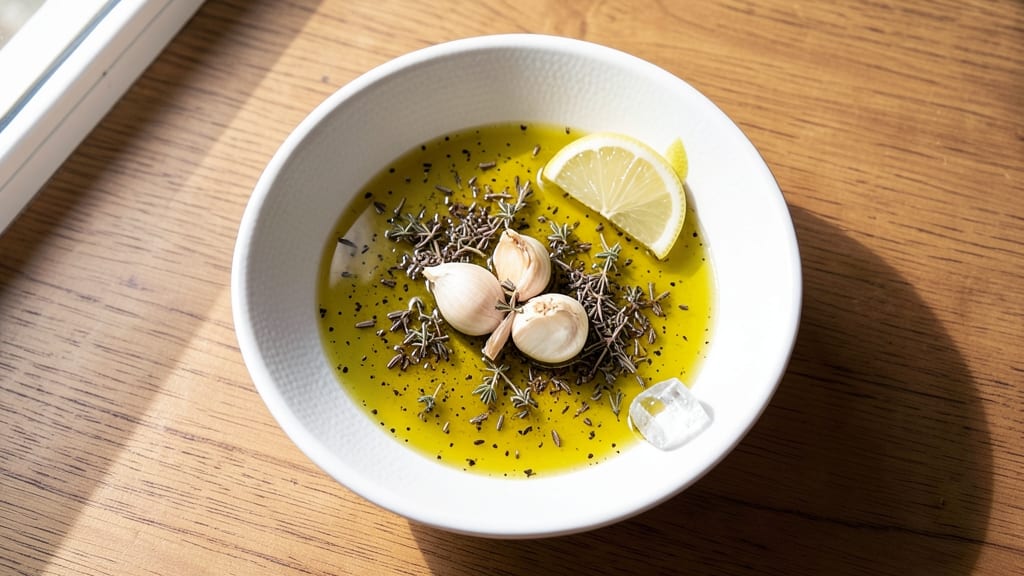
This chicken tender marinade recipe transforms ordinary chicken into restaurant-quality bites with a crispy garlic-herb crust that forms in just 15 minutes. The secret lies in balancing acidity and fat—lemon juice tenderizes while olive oil keeps the crust rich and flavorful.
I’ve tested this marinade dozens of times, and it never fails to deliver juicy, flavor-packed results every time.
The marinade combines simple pantry staples like garlic, lemon, and herbs to create a foolproof base that enhances rather than overpowers the natural taste of the chicken. No fancy ingredients or complicated steps—just mix, coat, and let the flavors work their magic.
This isn’t just a marinade; it’s a game-changer for anyone tired of bland or dry chicken tenders.
What sets this apart is the tenderizing power of the lemon and the crispy texture created by the garlic-herb crust. The marinade works best when applied 15 minutes before cooking, but even a quick 5-minute soak will make a noticeable difference.
Whether you’re grilling, baking, or air-frying, this marinade ensures your chicken stays juicy and packed with flavor.
The best part? This marinade keeps well in the fridge for up to 5 days, making it perfect for meal prep. Double the batch and store it for quick weeknight dinners. Let’s get started on creating the crispiest, most flavorful chicken tenders you’ve ever tasted.
Ingredients for chicken tender marinade
Nine simple ingredients create this game-changing marinade for restaurant-quality chicken tenders.
| Ingredient | Amount | Notes |
|---|---|---|
| Extra-Virgin Olive Oil 🫒 | ½ cup | High-quality, fruity variety preferred |
| Fresh Lemon Juice 🍋 | ¼ cup | Freshly squeezed for maximum acidity |
| Garlic Cloves 🧄 | 6 cloves | Freshly minced for intense flavor |
| Dried Oregano 🍃 | 1 tbsp | Mexican oregano for authentic taste |
| Dried Thyme 🌿 | 1 tsp | Fresh thyme works at double quantity |
| Diamond Crystal Kosher Salt 🧂 | 1 ½ tsp | Adjust to taste after marinating |
| Freshly Ground Black Pepper 🌶️ | ½ tsp | Freshly cracked for maximum aroma |
| Granulated Sugar 🍚 | 1 tsp | Balances acidity in marinade |
| Fresh Parsley Leaves 🌿 | ¼ cup | Finely chopped for fresh herb finish |
| Minced Shallots 🧅 | 1 tbsp | Substitute with finely chopped onion |
The extra-virgin olive oil is non-negotiable here—it’s what creates that irresistible crispy crust while keeping the chicken tender. Trader Joe’s or Whole Foods carry excellent options, but any high-quality bottle will work. Fresh garlic and lemon juice are your flavor anchors: garlic should smell pungent when minced, and lemons should be juicy, not dried out. I always grab a handful of fresh parsley too—it adds that bright finish that makes this marinade stand out. For the herbs, Mexican oregano has a deeper flavor than regular oregano, but if you can’t find it, regular dried oregano works in a pinch.
No fresh garlic? Garlic powder at half the amount gets you close, though fresh is always better. Short on lemon juice? Lime juice works perfectly, but it’ll give a slightly different tang. The sugar might seem odd, but it’s crucial—it balances the acidity from the lemon and prevents the marinade from being too sharp. If you’re using fresh thyme instead of dried, double the amount since fresh herbs pack more moisture. For the shallots, if you can’t find them, yellow onion works just fine—just make sure it’s finely minced. And if you’re worried about the sugar making the chicken too sweet, don’t be—it caramelizes beautifully during cooking, adding depth without overpowering.
This marinade is a meal prep superstar—it keeps for up to 5 days in an airtight container in the fridge. I like to store it in a glass jar with a tight lid, and it actually tastes better after a day or two as the flavors meld together. Double the batch if you’re planning to use it over a few meals—it’s that good. For best results, let the chicken marinate for at least 15 minutes, but up to 4 hours for maximum flavor penetration. Just don’t soak it longer than that, or the chicken can get too tender and fall apart. Trust me, you’ll want to make extra—this marinade disappears fast!
Why You'll Love This Recipe
- Five-Ingredient Magic: The pantry’s already stocked—no specialty shopping. Just olive oil, lemon, garlic, and two dried herbs. That’s it. I’ve made this marinade with ingredients I had left over from last month’s spaghetti night.
- Crispy-Creamy Balance: The olive oil keeps it tender while the lemon and thyme give that bright, herby punch. And when you sear them? That golden crust? Chef’s kiss. Honestly, it’s the kind of flavor that makes you pause mid-bite.
- Weeknight to Potluck: Same marinade, endless uses. Toss it on tenders for a quick dinner, cube the leftovers for a salad, or even stuff it into chicken breasts for a Sunday roast. My college-age kid asks for it at least twice a month—no lie.
- Leftovers That Don’t Suck: Marinate overnight, cook once, and you’ve got three meals. Freeze half the batch, and boom—you’ve just saved yourself a future takeout order. (Yes, even on a Tuesday night.) The thyme keeps it from tasting stale, and the lemon? Freshness in a jar.
Step-by-step instructions for chicken tender marinade
This vibrant marinade transforms ordinary chicken tenders into restaurant-quality bites with a crispy, aromatic crust.
Combine the Base Ingredients
In a medium mixing bowl, whisk together the 0.5 cup extra-virgin olive oil and 0.25 cup fresh lemon juice until fully emulsified. The oil should become slightly cloudy as it incorporates with the citrus—this indicates proper emulsification. Here's the thing—using high-quality extra-virgin olive oil makes all the difference. You'll notice the rich fruity notes develop as you whisk, which will carry through to your final dish.
Next, add the 1 tbsp minced shallots and 6 cloves garlic cloves to the bowl. Stir vigorously with a wooden spoon until the shallots and garlic are completely dispersed. The aroma will intensify dramatically—this is your first sensory checkpoint. If you don't smell pungent garlic and sweet shallots, your marinade isn't working properly. Let the mixture sit for 5 minutes at room temperature while you prepare the remaining ingredients.
Incorporate Herbs and Seasonings
Add the 1 tbsp dried oregano, 1 tsp dried thyme, 1.5 tsp diamond crystal kosher salt, 0.5 tsp freshly ground black pepper, and 1 tsp granulated sugar to the bowl. Whisk until all the dry ingredients are fully dissolved and the mixture becomes uniformly seasoned. The sugar will help balance the acidity from the lemon juice while enhancing the caramelization during cooking.
This is where the magic happens—the combination of these herbs creates that signature Mediterranean brightness. I always recommend using Mexican oregano for its distinctive flavor profile. Give the mixture another taste test—you should detect bright citrus, aromatic herbs, and a subtle sweetness from the sugar. If the flavor seems too mild, let it sit for another 5 minutes to allow the ingredients to meld.
Finish with Fresh Parsley
Stir in the 0.25 cup fresh parsley leaves until evenly distributed throughout the marinade. The parsley adds a fresh, vibrant finish that brightens the entire flavor profile. Here's what I do—chop the parsley very finely so it blends seamlessly with the other ingredients. You want the parsley to be so finely chopped that it practically disappears when you taste the marinade.
Give the marinade one final taste and adjust the seasoning if needed. The diamond crystal kosher salt is your primary adjustment tool—add more if the marinade tastes bland, but be careful not to over-salt. The acidity from the lemon juice will intensify slightly after marinating, so I always err on the side of slightly under-seasoning at this stage. Transfer the completed marinade to a resealable plastic bag or airtight container for easy application.
Marinate the Chicken Tenders
Place the chicken tenders in a single layer in the bag or container with the marinade. Seal the bag or container and massage the marinade over the chicken tenders to ensure complete coverage. This step is crucial for achieving even flavor distribution and tenderness. I like to use my hands for this—it helps break up any large pieces of chicken and ensures the marinade penetrates deeply.
Refrigerate the chicken tenders for at least 4 hours, but I recommend marinating overnight for maximum tenderness and flavor penetration. The acidity in the lemon juice will begin to break down the chicken proteins immediately, but the longer it marinates, the more tender and flavorful your chicken will become. If you're short on time, a minimum of 2 hours will still yield excellent results, but you won't achieve the same level of tenderness as with overnight marinating.
Pro Tips For Making Chicken Tender Marinade
- MINCE THAT GARLIC: I used to just eyeball chopped garlic, but now I measure it—about 6 cloves for 1 pound of tenders. Too much raw garlic in this marinade can overpower the lemon and thyme, especially if you’re not cooking the chicken long enough to mellow the flavor. A quick smash with a knife blade works faster than chopping, and it releases more aroma.
- LEMON JUICE FROM THE BOTTLE? NO.: Fresh lemon juice is non-negotiable here, but don’t squeeze it directly into the marinade. Strain it first—even a tiny bit of pulp can turn your olive oil cloudy and make the marinade separate. I keep a fine-mesh sieve over a small bowl and use a wooden spoon to press out every last drop. (Yes, it’s extra work, but the texture of the finished chicken is smoother.)
- MARINATE COLD, NOT ROOM TEMP: I learned this the hard way—leaving chicken tenders to sit at room temp while marinating is a fast track to uneven cooking and food safety risks. Instead, refrigerate the chicken in the marinade for at least 2 hours (overnight is better). The cold keeps the meat firm and ensures the olive oil penetrates evenly. Pro tip: Use a resealable bag and squeeze out air to maximize surface contact.
- SALT THE CHICKEN FIRST: This isn’t just about seasoning—salting the tenders 30 minutes before marinating helps draw out moisture, which the olive oil and lemon then reabsorb, resulting in juicier chicken. Skip this, and you’ll end up with dry edges even if the inside is tender. (I know, I know—it’s one more step, but it’s the thing that makes the difference between "good" and "restaurant-quality.")
Serving suggestions for chicken tender marinade
Crispy Breading Ideas
For an extra-crispy finish, coat your marinated tenders in a mix of ½ cup all-purpose flour, 1 tsp smoked paprika, and ½ tsp garlic powder before air-frying at 375°F for 12 minutes.
The marinade’s herbs infuse the breading with flavor while the olive oil creates a golden, shatteringly crisp crust. I like to use King Arthur flour for its light texture—it absorbs less moisture than other brands. 🥘
Dipping Sauces
Pair with a creamy garlic aioli made by blending ½ cup mayonnaise, 1 tbsp lemon juice, 1 minced garlic clove, and ½ tsp Dijon mustard. The acidity in the marinade cuts through the richness beautifully.
For a lighter option, try a yogurt-cucumber dip with ½ cup Greek yogurt, 2 tbsp chopped dill, and 1 tsp lemon zest. The cooling effect balances the garlic-herb heat. 🍋
Garnish Like a Pro
Finish your plated tenders with lemon wedges and chopped fresh parsley for a pop of color and brightness. I also love adding a sprinkle of flaky sea salt (like Maldon) right before serving—it enhances the crust’s texture.
For a smoky touch, dust with ½ tsp smoked salt or a pinch of chili powder on top. The contrast between the crispy exterior and fresh garnishes makes every bite feel restaurant-worthy. ✨
Side Dish Pairings
Serve with roasted garlic mashed potatoes—their creamy texture contrasts perfectly with the tender chicken. For a lighter option, a mixed greens salad with balsamic vinaigrette cleanses the palate between bites.
I also love pairing these tenders with grilled asparagus tossed in lemon zest and olive oil—the bright flavors complement the marinade’s herbs. 🥦
Meal Prep Serving
When prepping ahead, store marinated tenders in an airtight container with a paper towel on top to absorb excess moisture. Reheat in a 350°F oven for 10-12 minutes or air-fry at 375°F for 6-8 minutes.
Serve with pre-portioned dipping sauces in small ramekins and garnishes in separate containers. I like to assemble plates family-style with a bowl of the marinade on the side—guests can dip their tenders for extra flavor. 🍽️
Nutrition facts
Frequently asked questions
Can I use this marinade on other meats?
This marinade works beautifully on pork chops, salmon fillets, or even shrimp. The citrus and herbs brighten up any protein, though marinating seafood for only 10-15 minutes is ideal to prevent over-tenderizing. For pork, extend the marinating time to 2-4 hours for maximum flavor penetration.
How do I prevent the marinade from making the chicken too acidic?
The sugar in this recipe balances the acidity naturally, but if you're concerned, reduce the lemon juice to 2 tablespoons instead of 0.25 cup. For extra insurance, add 1 teaspoon of honey to the marinade. The key is never to exceed 4 hours of marinating time—longer soaks can break down the meat too much.
Can I make this marinade without fresh herbs?
Yes! Swap fresh parsley for 1 tablespoon dried parsley and use 2 teaspoons each of dried oregano and thyme instead of the fresh versions. For shallots, 1 tablespoon finely minced red onion works perfectly. The flavor will be slightly less vibrant but still delicious.
What's the best way to store leftover marinade?
Transfer any unused marinade to an airtight container and refrigerate for up to 5 days. For longer storage, freeze in ice cube trays and transfer to a freezer bag—thaw overnight in the fridge before using. The flavors actually deepen when stored properly, making it perfect for quick weeknight meals.
Can I use this marinade for grilling instead of baking?
This marinade works perfectly for grilling. Pat the chicken dry before grilling to ensure a good sear, and cook over medium-high heat for 4-5 minutes per side. The high heat will caramelize the sugars in the marinade, creating an extra-flavorful crust. Just avoid flare-ups by keeping the grill clean and well-oiled.