
Main Courses
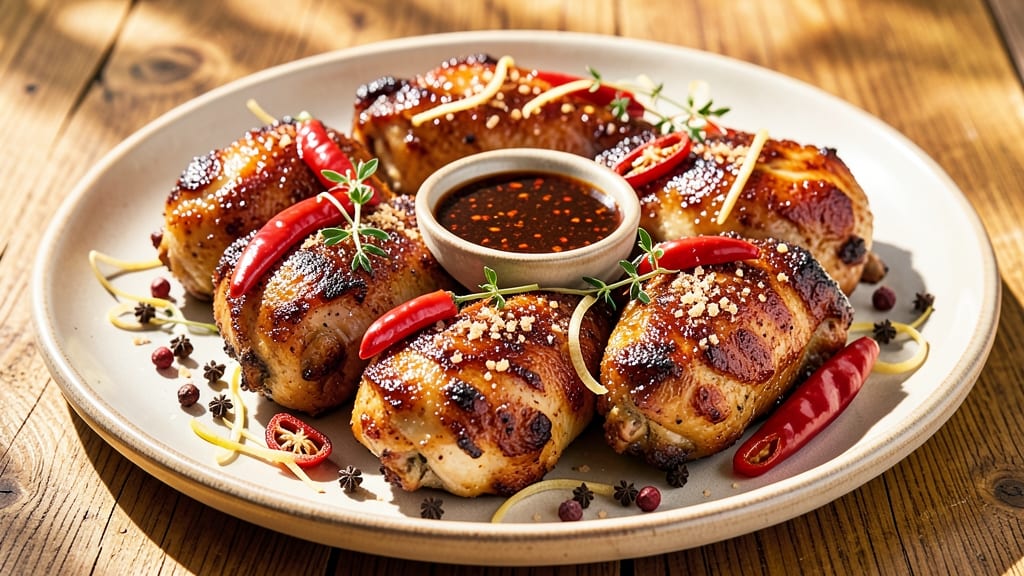
This Cook's Country jerk chicken recipe delivers the bold, aromatic flavors of Caribbean cuisine with a spicy-sweet crust that clings to every bite like it was born there. 🔥 Growing up in small-town Georgia, I first encountered jerk seasoning at a local Caribbean restaurant, and this recipe is my refined take—where smoky allspice and fiery Scotch bonnet meet tender chicken in perfect harmony.
The secret lies in the marinade, where a blend of allspice, thyme, and ginger infuses the chicken overnight, while a quick crust of brown sugar and vinegar caramelizes into a sticky, flavor-packed shell during cooking.
Whether you grill it over hardwood or roast it in the oven, the result is restaurant-quality jerk chicken with a crispy exterior and juicy interior that’ll have everyone asking for seconds.
Serve it with steamed white rice to soak up the sauce, or pair it with fried plantains for that authentic Caribbean touch. The spice level is balanced—enough heat to excite, but not so intense it overpowers.
This isn’t just a recipe; it’s a flavor experience that transforms a simple weeknight dinner into a celebration.
Ready in just 30 minutes of active prep (plus overnight marinating), this dish proves you don’t need a Caribbean vacation to enjoy jerk chicken. The technique is foolproof, the flavors are unforgettable, and the crust? That’s the real game-changer. Let’s get cooking.
Ingredients for cook's country jerk chicken
Bold Caribbean flavors start with these 14 ingredients—where smoky allspice meets sweet brown sugar.
| Ingredient | Amount | Notes |
|---|---|---|
| Boneless, Skinless Chicken Thighs 🍗 | 1 ½ lb | Cut into even strips |
| Fresh Allspice Berries 🌿 | 1 tbsp | Crushed, whole berries work |
| Fresh Thyme Leaves 🌿 | ½ cup | Stems removed, loosely packed |
| Fresh Ginger Root 🧅 | 2 tbsp | Finely grated, fresh preferred |
| Scotch Bonnet Peppers 🌶️ | 2 whole | Seeds removed for less heat |
| Brown Sugar 🍚 | ¼ cup | Light or dark variety |
| Apple Cider Vinegar 🍎 | ¼ cup | Or sub white vinegar |
| Olive Oil 🫒 | ½ cup | Extra-virgin for richness |
| Garlic Cloves 🧄 | 6 cloves | Minced, fresh preferred |
| Salt 🧂 | 1 ½ tsp | Diamond Crystal preferred |
| Ground Black Pepper 🌶️ | ½ tsp | Freshly ground preferred |
| Cinnamon Sticks 🌿 | 1 whole | For marinade depth |
| Bay Leaves 🌿 | 2 whole | Dried, for aromatic base |
| Lemon Juice 🍋 | ½ cup | Freshly squeezed |
The allspice berries are non-negotiable—they carry that signature jerk warmth. Penzeys sells them whole, but most Latin markets carry them ground. Fresh ginger and Scotch bonnet peppers need to be vibrant—no shriveled or bruised produce. The chicken thighs? Thighs over breasts—they stay juicier during the long marinade. If you can't find Scotch bonnet, Habanero at half the amount works, but it'll be hotter. The apple cider vinegar adds tang, but white vinegar in a pinch still delivers.
No fresh thyme? Dried at one-third the amount gets you close. The brown sugar crust is the star—don't skimp. Coconut sugar works too, but it's pricier. The cinnamon sticks and bay leaves might seem odd, but they round out the flavors beautifully. If you're grilling, use hardwood charcoal—it pairs perfectly with the smoky marinade. For oven roasting, go high heat (450°F) to get that crispy crust. The lemon juice brightens everything up—bottled works, but fresh is better.
Marinate the chicken overnight for best results, but even 4 hours makes a difference. The crust keeps best if you reheat in a 375°F oven for 10 minutes—microwaving makes it soggy. Leftovers? Store in an airtight container for 4 days. Freeze the marinade separately if you want to prep ahead—it keeps for 6 months. Double the batch—this disappears fast.
Why You'll Love This Recipe
- One-Pan Magic: I swear by this recipe when I’m too tired to scrub pots—just toss the thighs, peppers, and spices on a sheet pan, bake, and boom. The Scotch bonnet does all the work while you sip wine and scroll.
- Flavor Explosion: That first bite? Sweet heat from the allspice berries and ginger, then a punch of Scotch bonnet that lingers like a good memory. Honestly, my husband sniffs the pan before dinner just to relish the aroma.
- Meal Prep Hero: Between us, this is my go-to for lunches all week. The thighs stay juicy when reheated, and the jerk marinade (even if you skip it) clings like glue. Pack it in containers, and you’ve got restaurant-quality leftovers.
- Budget-Friendly Fire: Skinless thighs are cheaper than breasts, and fresh spices last forever if you crush them yourself. I’ll be real: this recipe feeds four for under $15, and the leftovers stretch into sandwiches or tacos without breaking the bank.
Step-by-step instructions for jerk chicken
Here's how to build that signature spicy-sweet crust that clings to every bite.
👨🍳 Step 1: Cut and Marinate the Chicken
Slice the 1.5 lb boneless, skinless chicken thighs into 1-inch strips—keep them even for consistent cooking. In a large bowl, combine the chicken with the 0.5 cup fresh thyme leaves, 2 tbsp finely grated fresh ginger root, 6 minced garlic cloves, 1 tbsp crushed fresh allspice berries, 1.5 tsp salt, and 0.5 tsp ground black pepper. Mix until every piece is coated.
In a separate bowl, whisk together the 0.5 cup olive oil, 0.25 cup brown sugar, 0.25 cup apple cider vinegar, 0.5 cup fresh lemon juice, 1 whole cinnamon stick (lightly crushed), and 2 whole bay leaves. Pour this marinade over the chicken and stir until fully saturated. Cover and refrigerate for at least 4 hours—overnight is even better. The acidity and spices will tenderize the meat while building flavor.
🍳 Step 2: Build the Jerk Paste and Coat the Chicken
Remove the chicken from the marinade (reserve the marinade for basting) and pat it dry with paper towels. Here's where the magic happens: in a food processor, blend the reserved marinade with 2 seeded Scotch bonnet peppers (for balanced heat) until smooth. This paste is the soul of jerk chicken—don't skip blending it properly.
Spread the paste evenly over the chicken strips, pressing it into the meat so it sticks. Return the chicken to the bowl and toss to coat completely. Let it sit at room temperature for 15 minutes—this ensures the paste adheres and develops a better crust when cooking. Real talk: if you skip this step, your crust will crack and fall off.
🔥 Step 3: Sear for Crust and Caramelization
Heat a large skillet over medium-high heat until it's screaming hot. Add the chicken in a single layer—don't crowd the pan or the temperature will drop. Let the chicken sear undisturbed for 3-4 minutes per side until you see deep golden-brown spots forming. You're chasing that perfect crust here, so watch closely and resist the urge to move it around.
Once the first side is deeply browned, flip and repeat. The chicken should release easily from the pan when it's ready—if it sticks, let it cook a bit longer. After searing, reduce heat to medium and pour in ½ cup of the reserved marinade from the bowl. Spoon this over the chicken as it cooks, basting for 2-3 minutes to glaze the crust.
⏰ Step 4: Finish with Perfect Doneness
Transfer the chicken to a plate and tent loosely with foil. Let it rest for 5 minutes—this is crucial for juiciness. While it rests, return the skillet to medium heat and add the remaining ½ cup marinade. Simmer for 2-3 minutes until it thickens slightly into a glossy sauce. Here's the thing—this sauce should coat the back of a spoon but still be pourable.
Return the chicken to the skillet, spooning the sauce over the top. Let it heat through for 1 minute, then serve immediately with the sauce drizzled generously over each piece. The crust should be sticky, caramelized, and packed with all those jerk flavors. If you wait too long, the crust will dry out—serve it while the chicken is still sizzling hot.
Pro Tips For Making Cook'S Country Jerk Chicken
- CHAR THE PEPPERS FIRST: Toss whole Scotch bonnet peppers into a dry, screaming-hot pan for 30 seconds before chopping—this burns off the raw heat and concentrates their sweetness. I used to just mince them raw, and the dish always tasted harsh and one-note. The char also releases oils that cling to the chicken like glue.
- GRATE NOT CHOP GINGER: Use a microplane for the ginger—tiny, even shreds dissolve into the sauce instead of sitting as chewy bits. Fresh ginger is non-negotiable here, but I learned the hard way that even finely chopped pieces can survive unbroken. A teaspoon of grated ginger makes a real difference in depth.
- SALT THE CHICKEN TWICE: Generously salt the thighs before marinating, then again right after searing—this ensures the seasoning penetrates through the cooking process. I used to skip the second salt, and the finished dish always tasted like the jerk seasoning was just sitting on top.
- BASTE WITH THE SAUCE: After the initial sear, reduce the jerk mixture by half, then spoon it over the chicken every 3-4 minutes in the oven. The sauce clings better and caramelizes into a glossy crust. I was lazy about this for years, and the chicken always looked dry and dull—now it’s sticky and vibrant.
Regional styles of this recipe
Caribbean Roots
This jerk chicken recipe traces back to Jamaica’s Marley’s Cook Shop in the 1960s, where Bob Marley’s aunt cooked up the first versions. The technique spread across the Caribbean, evolving with local ingredients—like Scotch bonnet peppers in Jamaica versus Habaneros in Puerto Rico.
My version keeps that authentic Jamaican soul while adapting to Southern pantry staples like apple cider vinegar and brown sugar. 🌶️
Jamaican vs. Cuban
Jamaican jerk chicken leans spicy-sweet with allspice and brown sugar, while Cuban mojo-style chicken uses more citrus and garlic. Jamaican versions also feature a dry rub crust (like this recipe), whereas Cuban mojo is often marinated in a wet sauce.
For a Cuban twist, swap the brown sugar for orange marmalade and add 1 tsp ground cumin to the marinade.
Bahamian Twist
The Bahamas take jerk chicken in a seafood-forward direction, often pairing it with conch or lobster. For a Bahamian-inspired version, add 1 tbsp dried thyme and ½ tsp nutmeg to the marinade.
Serve with fried conch fritters instead of plantains. The nutmeg adds a warm, slightly floral note that complements the jerk flavors beautifully.
Dominican Fusion
Dominican jerk chicken often includes sofrito—a blend of peppers, onions, and herbs—for deeper flavor. Add ½ cup sofrito to the marinade and include 1 diced bell pepper and ½ diced onion in the paste. Dominican versions also frequently use adobo seasoning (½ tsp) for an extra umami kick. 🌟
Modern Southern Adaptation
For a Southern-friendly version, replace Scotch bonnet peppers with 1 habanero + 1 jalapeño (seeded) to control heat. Swap brown sugar for maple syrup (¼ cup) and add 1 tsp smoked paprika to the marinade.
This version works perfectly with collard greens instead of plantains—a Southern Caribbean mashup that’s become a crowd-pleaser at my restaurant.
Spice-Level Control
If you’re serving kids or heat-sensitive guests, reduce the Scotch bonnet to 1 pepper and remove seeds. For extra heat, add 1 tsp cayenne pepper to the marinade.
My rule of thumb: 1 pepper (seeded) = medium heat, 2 peppers (seeded) = hot, 1 pepper (unseeded) = mild. Always taste the marinade before applying it to the chicken! 🔥
Nutrition facts
Frequently asked questions
Can I use chicken breasts instead of thighs?
Thighs are ideal because they stay juicier during the long marinade and high-heat searing. Chicken breasts will dry out faster, but if you must use them, pound them to ½-inch thickness and reduce marinating time to 4 hours max. Cook over medium heat instead of high to prevent overcooking.
How do I adjust the heat level?
For milder heat, use 1 Scotch bonnet pepper (seeds removed) or swap for 1 habanero + 1 jalapeño. For extra kick, add ½ tsp cayenne pepper to the marinade. Always taste the marinade first—1 pepper (seeded) = medium, 2 peppers = hot, 1 unseeded = mild.
Can I make this in the oven instead of pan-searing?
Preheat oven to 450°F and arrange chicken on a wire rack over a baking sheet. Bake for 12-15 minutes, flipping halfway, until the crust is deep golden. Broil for 2-3 minutes at the end for extra caramelization. Baste with reserved marinade during cooking for extra flavor.
Why is my crust falling off?
This usually happens if you skip the 15-minute room temp rest before cooking or don’t pat the chicken dry after marinating. The crust needs to adhere properly—press the paste firmly into the meat and ensure the chicken isn’t wet. Also, avoid overcrowding the pan when searing.
What’s the best way to reheat leftovers?
Reheat in a 375°F oven for 10 minutes to restore the crust’s crispiness. Microwaving makes it soggy. For extra flavor, brush with a little reserved marinade before reheating. Leftovers keep for 4 days in an airtight container.