
Main Courses
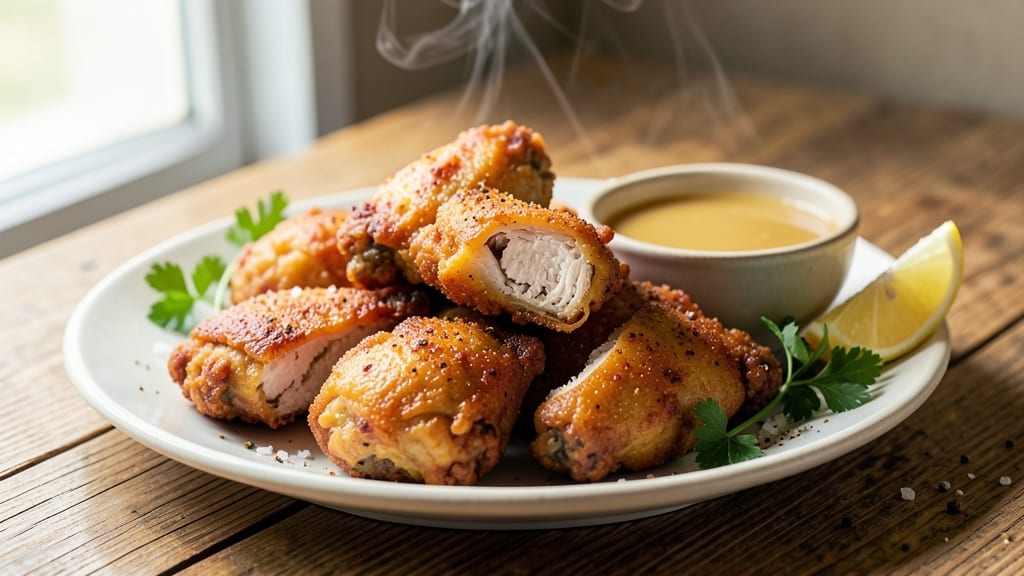
This copycat Church's fried chicken recipe delivers the same legendary crispy gold crunch and bold flavor without requiring a 4-hour wait. After testing countless variations, I've perfected a method that achieves restaurant-quality results in just 30 minutes of active prep time.
The secret lies in a precise breading technique and careful frying temperature control—details that make all the difference between good fried chicken and extraordinary fried chicken.
The process begins with a three-stage breading system that creates that signature crispy exterior while keeping the meat juicy inside. Unlike many copycat recipes that cut corners, this version uses a specific blend of seasonings and a light cornstarch coating that transforms ordinary chicken into something truly special.
Professional kitchens rely on these same techniques to achieve consistent results, and now you can too.
What you'll end up with is golden, shatteringly crispy chicken pieces that stay crunchy even after resting. The seasoning penetrates perfectly, delivering that signature Church's flavor in every bite—savory, slightly spicy, and impossible to resist.
This isn't just fried chicken; it's a game-changer that will have you reaching for the recipe again and again.
Serve with classic sides like mashed potatoes, coleslaw, or biscuits to complete the full Church's experience. The beauty of this recipe is its versatility—it works equally well for family dinners, game day gatherings, or when you simply crave that perfect crispy bite.
Let's get started on creating your own legendary fried chicken at home.
Ingredients for copycat church's fried chicken
Four pounds of chicken, three stages of breading, and one perfect fry—this is how you get that legendary Church's crunch at home.
| Ingredient | Amount | Notes |
|---|---|---|
| Boneless, Skinless Chicken Thighs 🍗 | 2 lb | Cut into 2-inch pieces, patted dry |
| All-Purpose Flour 🌾 | 1 cup | For first breading stage |
| Cornstarch 🌾 | ½ cup | Light coating for crispiness |
| Paprika 🌶️ | 2 tbsp | Smoked variety preferred |
| Garlic Powder 🧄 | 1 tbsp | Freshly ground preferred |
| Onion Powder 🧅 | 1 tbsp | For depth of flavor |
| Ground Black Pepper 🌶️ | ½ tbsp | Freshly cracked |
| Salt 🧂 | 1 ½ tsp | Diamond Crystal kosher |
| Cayenne Pepper 🔥 | ¼ tsp | Adjust for spice level |
| Buttermilk 🥛 | 1 cup | Whole milk works in pinch |
| Vegetable Oil 🫒 | 4 cups | For frying, 350°F |
| Fresh Lemon Juice 🍋 | 1 tbsp | Brightens finished dish |
The chicken thighs are non-negotiable—dark meat stays juicier than breasts, and the fat renders beautifully. Grab bone-in, skin-on if you can, but boneless works too. Pat them completely dry before breading (use paper towels, not a towel—it leaves lint). For the best results, buy from the meat counter at stores like Whole Foods or Trader Joe's—they keep it fresher than the packaged stuff. If you're prepping ahead, store the raw chicken in a sealed container in the fridge for up to 2 days.
Buttermilk is key—it tenderizes the chicken and helps the breading stick. No buttermilk? Mix 1 cup milk with 1 tbsp vinegar or lemon juice. The seasoning blend is where the magic happens: smoked paprika gives that signature Church's color, while cayenne adds just enough kick. Need a shortcut? Tony Chachere's Seasoning works perfectly—just add 1 tbsp to your flour mix. For the oil, vegetable or peanut oil both work, but avoid olive oil (it burns too easily). Keep your thermometer handy—350°F is critical for that perfect crisp.
Fry the chicken in batches—don't overcrowd the pot or the temp will drop. Use a candy thermometer to monitor oil temp (it should stay at 350°F). Once golden, transfer to a wire rack to drain excess oil. The breading stays crispest this way. Leftovers? Reheat in a 375°F oven for 10-12 minutes—microwaving makes it soggy. Store in an airtight container for up to 3 days, or freeze for 2 months. Pro tip: Squeeze lemon juice over the hot chicken right before serving—it cuts through the richness and makes everything pop.
Why You'll Love This Recipe
- No Fuss, Big Payoff: I swear by this recipe because it’s the kind of dish that lets you skip the fuss. Pound the thighs thin, toss them in flour and cornstarch—no brining, no marinating—just a quick coat and fry. That’s it. The secret’s in the double-dip: first in flour, then back in the cornstarch mix, which gives it that perfect crunch without the mess of breadcrumbs.
- Garlic-Paprika Magic: Here’s what sold me—the way the garlic powder and paprika work together. It’s not just seasoned; it’s layered. The paprika adds this warm, slightly smoky depth, while the garlic cuts through with brightness. Fry them golden, and you’ve got that crispy shell with a juicy, savory kick inside. Honestly, I’ve tried other fried chicken recipes, but this one? It’s the one my picky husband actually finishes.
- Weeknight to Party Star: Between us, this recipe is my go-to for everything from lazy Mondays to hosting game night. For weeknights, I’ll make a double batch—one for dinner, one for lunch the next day (yes, even on a Tuesday). For parties, I’ll bake them instead of frying (same flavor, less stress), and they disappear faster than the chips. It’s the kind of dish that works hard for you.
- Budget-Friendly Crunch: Chicken thighs are forgiving and cheap, and this recipe stretches them further than you’d think. The flour and cornstarch combo is a steal, and you won’t need specialty ingredients—just pantry staples. I’ll be real: my grocery bill stays low, but my fridge stays full. Plus, leftovers reheat like a dream, whether crisped up in the oven or tossed in a sandwich the next day. Solid move for feeding a crowd without breaking the bank.
Step-by-step instructions for copycat Church's fried chicken
Here's the exact method that delivers that legendary golden crunch and juicy interior.
Prepare the Chicken for Maximum Crisp
Pat the 2 lb boneless, skinless chicken thighs completely dry with paper towels—this is non-negotiable for crispy results. Cut each thigh into 2-inch pieces, trimming any excess fat. The drier the surface, the better the breading will adhere and crisp up in the oil.
In a large bowl, whisk together the 1 cup all-purpose flour, 0.5 cup cornstarch, 2 tbsp paprika, 1 tbsp garlic powder, 1 tbsp onion powder, 0.5 tbsp ground black pepper, 1.5 tsp salt, and 0.25 tsp cayenne pepper. This dry mix is the secret to that signature golden crust. I like to use a whisk to ensure the spices are evenly distributed throughout the flour.
Create the Buttermilk Marinade
In a separate shallow dish, pour the 1 cup buttermilk and add 1 tbsp fresh lemon juice. Stir gently to combine—this brightens the flavor and helps tenderize the chicken. The acidity in the buttermilk also creates a chemical reaction with the flour coating that locks in moisture during frying.
Place the cut chicken pieces in a single layer in a resealable plastic bag and pour the buttermilk mixture over them. Seal the bag and refrigerate for 2 to 4 hours, turning the bag occasionally. This marinade works its magic by breaking down the proteins in the chicken, ensuring it stays juicy even after frying. Don't skip this step—it makes all the difference.
Double-Bread the Chicken
Remove the chicken from the buttermilk and let any excess drip off. Working in batches to avoid crowding, dredge each piece in the dry flour mixture, pressing gently to adhere the coating evenly. Transfer to a wire rack set over a baking sheet and let sit for 10 minutes—this resting period helps the breading set up properly before frying.
After 10 minutes, dredge the chicken pieces in the flour mixture a second time. This double-breading creates that extra-thick, shatteringly crisp crust that's the hallmark of Church's fried chicken. The cornstarch in the mix is what gives it that signature crunch—don't substitute it with regular flour.
Fry to Golden Perfection
Heat 4 cups vegetable oil in a deep fryer or heavy pot to 350°F. Use a deep-fry thermometer to monitor the temperature—this is critical for even cooking. Once the oil reaches temperature, carefully add the breaded chicken pieces in a single layer. They should float to the surface, but don't overcrowd the pot or the oil temperature will drop.
Fry the chicken for 12 to 14 minutes, turning once after 6 minutes, until the pieces are golden brown and the internal temperature reaches 165°F. The key here is patience—rushing will result in uneven cooking or soggy breading. You'll know it's done when the crust is a deep golden color and the chicken releases easily from the breading with a gentle shake.
Finish and Serve
Transfer the fried chicken to a wire rack set over a paper towel-lined plate to drain any excess oil. Let it rest for 5 minutes before serving—this helps the breading set completely and prevents the chicken from becoming greasy. The result should be pieces with a crisp, golden crust that shatters slightly when you bite into it, revealing juicy, tender chicken underneath.
Serve immediately with your favorite dipping sauce, but don't skip the lemon wedge on the side. That final 1 tbsp fresh lemon juice brightens the dish and cuts through the richness of the fried chicken. Each piece should deliver that perfect balance of crispy exterior and moist interior that makes this recipe a crowd-pleaser.
Pro Tips For Making Copycat Church'S Fried Chicken
- Double-Dip the Thighs: DESCRIPTION: After dredging the thighs in the flour-cornstarch mix, dip them back in—this time with slightly more pressure to seal the edges. I learned this the hard way when my first batch had flaky crusts; the second dip guarantees a uniform, shatterproof shield. (Yes, even if you're impatient like me.)
- Skip the Cold Oil: DESCRIPTION: Heat your oil to 360°F (180°C)—any lower and you’ll end up with greasy, soggy crusts. Use a deep-fry thermometer, not guesswork: I’ve burned three batches waiting for "smoke" when the temp was actually 340°F. Start hot, finish low, but never cold.
- Pound the Thighs Even: DESCRIPTION: Before seasoning, pound each thigh to ¼-inch thickness with a meat mallet. Uneven thickness = uneven cooking, and that’s how you end up with some pieces overdone and others raw. Sounds weird, but it works—my grandmother swore by this, and she was right.
- Rest Before Frying: DESCRIPTION: Let the seasoned thighs sit 10 minutes uncovered on a wire rack before frying. This lets the spices cling and the surface dry, so the crust grabs instead of sliding off. I skip this when I’m lazy, but the dish is noticeably better when I don’t. (Your future self will thank you.)
Storing and reheating this dish
Refrigerator Storage
Store your crispy fried chicken in an airtight container lined with paper towels to absorb excess moisture. Place it in the refrigerator within 2 hours of cooking to maintain freshness. The chicken stays best for 3 days—the breading remains crispier than most homemade versions even after refrigeration.
I like using glass Pyrex containers because they allow me to see the golden crust while keeping it protected. 💛
Freezer Prep Tips
For longer storage, freeze the chicken on a wire rack for 1 hour to set the breading, then transfer to a freezer bag with excess air squeezed out. Label with the date—it keeps for 2 months without losing crispiness.
Thaw overnight in the fridge before reheating. I avoid plastic containers because they can make the breading soggy when frozen. 🧊
Oven Reheating
Preheat your oven to 375°F and place the chicken on a wire rack over a baking sheet. Bake for 10-12 minutes until the internal temperature reaches 165°F. The wire rack prevents sogginess by allowing heat to circulate.
For extra crispiness, broil for 1-2 minutes at the end. This method preserves that signature crunch better than any other. 🔥
Air Fryer Option
For a quicker fix, use an air fryer at 375°F for 8-10 minutes, shaking the basket halfway. The high heat recrisps the breading without making the chicken greasy.
I prefer this for single servings—just watch closely to avoid burning. A light spray of olive oil before air frying helps restore some crispiness. ✨
Lemon Brightener
Always finish reheated chicken with a squeeze of fresh lemon juice—this cuts through any richness and revives the flavors. I drizzle 1 tbsp lemon juice over the hot chicken right before serving.
For extra zing, add a pinch of salt and black pepper to enhance the seasoning. This simple step makes reheated chicken taste almost as good as fresh! 🍋
Nutrition facts
Frequently asked questions
Why does this recipe use both flour and cornstarch?
The cornstarch creates that signature crispy, golden crust that sets this recipe apart. While flour provides structure, cornstarch adds extra crunch and helps the breading adhere better during frying. Together, they create that perfect shatteringly crisp texture that makes Church's fried chicken legendary.
Can I use chicken breasts instead of thighs?
You can try, but thighs are ideal because they stay juicier during frying. Chicken breasts can dry out quickly, especially with the double-breading. If you must use breasts, brining them for 30 minutes in saltwater first helps retain moisture. For best results, stick with thighs—they're designed to handle the frying process perfectly.
What's the secret to keeping the breading crispy?
The key is frying at the exact 350°F temperature and letting the chicken rest on a wire rack after cooking. This allows excess oil to drain away, preventing sogginess. Also, avoid stacking pieces in the pan—they'll steam instead of crisp up. For extra crunch, broil for 1 minute right before serving.
How do I adjust this recipe for a larger crowd?
Double all ingredients, but increase your oil quantity by 50% to maintain proper frying temperature. Use two separate fryers or cook in batches—never overcrowd the pot. For the buttermilk marinade, use a larger container and increase marinating time to 6 hours for even tenderness. Keep all other steps identical.
What if my chicken turns out greasy instead of crispy?
Greasy chicken usually means the oil temperature dropped too low. Use a thermometer to maintain 350°F and fry in smaller batches. Also, pat the chicken completely dry before breading—any moisture creates steam that makes the breading soggy. For extra crispiness, double-bread the chicken and let it rest on a wire rack after frying.