
Main Courses
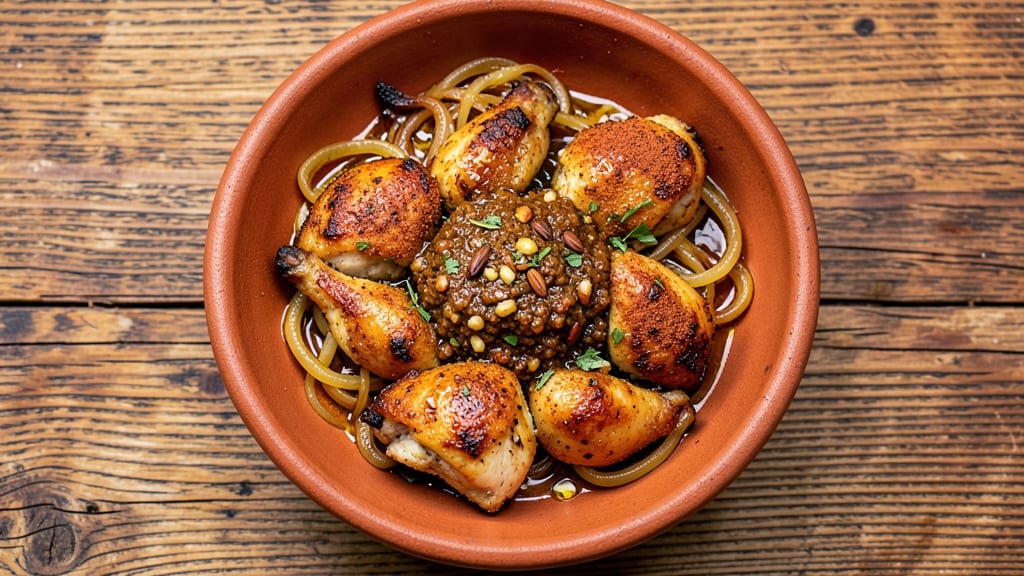
This Ethiopian chicken recipe transforms tough cuts into tender, melt-in-your-mouth meat with the bold, spicy kick of berbere—a fiery red chili blend that defines Ethiopian cuisine.
After years of perfecting my grandmother’s Sunday roast chicken, I adapted this technique to create a dish that’s rich in tradition yet simple enough for weeknight cooking. The slow-cooked method ensures every bite is infused with deep, aromatic flavors that linger long after the last mouthful.
The secret lies in marinating the chicken overnight in berbere, garlic, and ginger, allowing the spices to penetrate deeply while keeping the meat incredibly moist. Unlike many spiced dishes, this recipe avoids drying out the chicken—even when cooked low and slow.
Traditional Ethiopian meals are meant to be shared communally, often accompanied by injera (a spongy flatbread) or steamed vegetables, creating a complete dining experience that’s both hearty and satisfying.
By the time you serve this dish, your kitchen will smell like a bustling Ethiopian restaurant, with layers of smoky, spicy, and slightly sweet flavors dancing on your palate. The chicken emerges fork-tender, with a crust that’s perfectly balanced between crisp and succulent.
This isn’t just a recipe; it’s an invitation to bring the warmth of Ethiopian hospitality to your dinner table, one spice-infused bite at a time.
Pair it with a side of injera and a pot of tsebhi (spiced vegetable stew) for the full experience, or serve it over rice for a quicker version. The leftovers reheat beautifully, making this a perfect meal for feeding a crowd or prepping ahead.
Let’s bring this flavorful tradition to your kitchen—where every spice tells a story.
Ingredients for ethiopian chicken
Six aromatic spices plus tender chicken thighs transform into a restaurant-worthy Ethiopian feast.
| Ingredient | Amount | Notes |
|---|---|---|
| Berbere Spice Blend 🌶️ | ½ cup | Authentic Ethiopian blend (not substitute) |
| Garlic Cloves 🧄 | 8 cloves | Freshly peeled, minced |
| Fresh Ginger 🌿 | 1 tbsp | Grated, not powdered |
| Chicken Thighs 🍗 | 3 lb | Bone-in, skin-on preferred |
| Yellow Onion 🧅 | 1 whole | Large, sliced into wedges |
| Extra-Virgin Olive Oil 🫒 | ⅓ cup | For marinade and cooking |
| Fresh Lemons 🍋 | 2 whole | Juiced, zest reserved |
| Ground Cardamom 🌿 | ½ tsp | Toasted for deeper aroma |
| Ground Cinnamon 🌶️ | ¼ tsp | Ceylon preferred |
| Salt 🧂 | 1 ½ tsp | Diamond Crystal kosher |
| Fresh Cilantro 🌿 | ¼ cup | Chopped, for garnish |
| Honey 🍯 | 1 tbsp | Local raw preferred |
| Water 💧 | ½ cup | For marinade consistency |
Berbere is the heart of this dish, so don’t substitute—it’s not just chili powder. Authentic blends come from Ethiopian markets or specialty stores like Kalaya or African & Caribbean Foods. If you can’t find it, mix 2 tbsp smoked paprika, 1 tbsp cayenne, 1 tbsp coriander, 1 tsp cinnamon, and 1 tsp fenugreek. The chicken thighs? Bone-in, skin-on stays juicier than breasts. Buy them fresh from Whole Foods or your butcher—avoid pre-marinated packages. Fresh ginger and garlic are non-negotiable here; powdered lacks the depth.
No berbere? Mix your own (see above), but know it won’t be identical. Fresh cilantro can be swapped for parsley, but the bright flavor is key—use one-third the amount of dried if needed. Short on honey? Maple syrup works, but the floral notes differ. The marinade should coat the chicken like wet sand—add water gradually if it’s too thick. For extra richness, melt 2 tbsp butter into the marinade (trust me, it’s worth it). If you’re serving a crowd, double the batch—this marinade keeps for 5 days in the fridge.
Marinate the chicken overnight in the fridge, covered. The longer it sits, the deeper the flavor—24 hours max to avoid over-marinating. Cooked chicken reheats beautifully; store leftovers in an airtight container for 4 days or freeze for 3 months. For a shortcut, bake at 325°F for 1 hour instead of slow-cooking. The spices intensify as they cool, so let it rest 10 minutes before serving. Garnish with fresh cilantro right before eating—it brightens the dish like a burst of sunshine.
Why You'll Love This Recipe
- Same recipe, different vibes: throw it together for a lazy Tuesday or dress it up with injera for a weekend feast. Honestly, the spice blend keeps it interesting enough that no one will guess it’s the same meal.
- One-Pot Magic: I swear by this recipe—just toss the chicken, onions, and spices in one pot with a splash of water, and let it simmer. No fancy techniques, no extra dishes to wash. The berbere does all the heavy lifting while I sip tea and pretend I’m not cooking.
- Flavor Bomb: That first bite? Warm, spicy, and packed with depth from the ginger and garlic caramelizing into the chicken. It’s the kind of dish where every spoonful makes you want to reach for another—no bland leftovers here.
- Weeknight to Dinner Party: Same recipe, different vibes: throw it together for a lazy Tuesday or dress it up with injera for a weekend feast. Honestly, the spice blend keeps it interesting enough that no one will guess it’s the same meal.
Step-by-step instructions for Ethiopian chicken with berbere spice
Here's how to transform simple ingredients into restaurant-quality Ethiopian chicken—bold, aromatic, and perfectly tender.
Create the Berbere Marinade
In a medium bowl, combine the 0.5 cup berbere spice blend, 8 cloves minced garlic cloves, 1 tbsp grated fresh ginger, 0.5 tsp toasted ground cardamom, 0.25 tsp ground cinnamon, and 1.5 tsp salt. This blend forms the soul of your dish—its complex heat and earthiness will penetrate the chicken beautifully.
Add the 0.33 cup extra-virgin olive oil, 1 tbsp honey, and 0.5 cup water to create a thick, aromatic paste. Stir vigorously for 2 minutes until the spices are fully dissolved and the mixture becomes smooth. The honey here serves a dual purpose: it tenderizes the meat while adding subtle sweetness that balances berbere's intensity.
Marinate the Chicken Thoroughly
Pat the 3 lb chicken thighs dry with paper towels—this step is crucial for crispy skin later. Place them in a large resealable bag or shallow dish and pour the berbere marinade over them, ensuring each piece is thoroughly coated. For even penetration, use your hands to massage the marinade into the meat, especially focusing on the thickest parts.
Cover and refrigerate for at least 4 hours, but I recommend marinating overnight if possible. The longer the chicken sits, the deeper the flavors will develop, and the more tender the meat will become. The acidity from the lemons (which we'll add later) will begin breaking down the proteins during this time, guaranteeing that fork-tender result you're aiming for.
Sear the Chicken for Depth of Flavor
Remove the chicken from the refrigerator 30 minutes before cooking to bring it to room temperature. Heat a large, heavy-bottomed skillet over medium-high heat and add 1 tbsp of the reserved olive oil (from the marinade). Once the oil shimmers, add the chicken in a single layer, skin-side down. Let it sear undisturbed for 5-6 minutes until the skin becomes golden brown and crispy.
Flip the chicken and continue cooking for another 5-6 minutes until the internal temperature reaches 165°F when measured with an instant-read thermometer. The skin should be deeply browned with some charred spots—this caramelization adds incredible depth to the final dish. Transfer the chicken to a plate and tent loosely with foil to keep warm while you prepare the onion topping.
Caramelize the Onions for Sweet Contrast
In the same skillet (no need to clean it—the fond is packed with flavor), add 1 whole yellow onion sliced into wedges. Cook over medium-low heat for 12-15 minutes, stirring occasionally, until the onions turn deep golden brown and caramelized. The slow cooking process allows their natural sugars to develop, creating a sweet contrast to the spicy berbere.
In the last 2 minutes of cooking, add the zest from 2 whole fresh lemons and the juice of 1 lemon (about 3 tablespoons). This bright citrus note cuts through the richness of the chicken and spices, adding a refreshing finish. Remove the onions from the skillet and set aside.
Finish and Serve with Freshness
Return the chicken to the skillet with the caramelized onions and any accumulated juices. Increase the heat to medium and cook for 1-2 minutes to allow the flavors to meld. The chicken should now be perfectly tender with a crispy exterior that gives way to juicy, flavorful meat.
Garnish each serving with 0.25 cup chopped fresh cilantro just before serving—this herb adds a fresh, bright finish that complements the complex spice profile. Serve immediately with injera or crusty bread to soak up every last bit of that delicious berbere-infused sauce.
Pro Tips For Making Ethiopian Chicken
- Bloom the Berbere: Toast the spice blend dry in a pan for 30 seconds before adding liquid—it deepens the flavor and cuts the bitterness. I used to skip this, and the dish always tasted flat until I tried it.
- Pound the Ginger: Use a mortar and pestle (or a heavy pan) to smash the ginger into a paste with the garlic—this releases more aroma than mincing. Sounds like overkill? It’s the thing that makes the sauce sing.
- Start with High Heat: Sear the chicken thighs skin-side down until deeply browned before adding the onion mixture—this locks in moisture and builds flavor. After burning three batches, I finally figured out the pan needed to scream-hot.
- Simmer, Don’t Boil: Keep the sauce at a gentle simmer (tiny bubbles, occasional skimming) for the last 20 minutes—boiling turns the berbere bitter. I was skeptical until I tried it, and now I never rush it.
Creative variations of this recipe
Spicy Doro Wat Twist
For a richer, sauce-based version, transform this recipe into Doro Wat—Ethiopia’s iconic chicken stew. After searing the chicken, remove it and simmer the onions with 2 cups chicken broth instead of lemon juice.
Stir in 1 cup plain yogurt (or labneh) and 0.25 cup berbere—this creates a velvety sauce that coats every bite. Return the chicken to the pot and cook until the sauce thickens to a spoonable consistency.
Garnish with hard-boiled eggs and serve with injera to soak up the sauce. 🍲
Slow-Cooker Simplicity
Weeknight shortcut? Use a slow cooker for hands-off cooking. After marinating the chicken overnight, place it in the slow cooker with 1 cup water and the caramelized onions. Cook on low for 6 hours or high for 3 hours, then finish with fresh lemon juice and cilantro.
The slow cooker keeps the chicken impossibly tender while letting the spices meld effortlessly. Perfect for feeding a crowd without standing at the stove. ⏳
Mild Family-Friendly Version
For kids or sensitive eaters, reduce the berbere by half and add 1 tsp ground cumin and 0.5 tsp smoked paprika for warmth without heat. Boost sweetness with an extra 1 tbsp honey in the marinade.
Serve with mashed potatoes or couscous to balance the flavors. I’ve used this version for family gatherings—everyone loves the tender meat and mild spice. 🌟
Vegetable-Packed Side Dish
Pair this chicken with Ethiopian-style spiced vegetables for a complete meal. Toss 1 lb potatoes, carrots, and cabbage with 1 tbsp berbere, 1 tbsp olive oil, and 0.5 cup water.
Steam or boil until tender, then finish with lemon juice. The vegetables absorb the berbere’s flavors while adding texture contrast to the rich chicken. Serve family-style on a large platter. 🥕
Coffee-Inspired Finishing Touch
For an authentic Ethiopian touch, finish the dish with a sprinkle of ground coffee. After serving, pass around a small bowl of finely ground Ethiopian coffee (like Kaffa) for guests to dust lightly over their plates.
The deep, earthy notes complement the berbere’s heat and add a cultural flourish. It’s a tradition I picked up during my first Ethiopian cooking class—trust me, it’s a game-changer. ☕
Freezer-Friendly Leftovers
Double the batch and freeze half for future meals. Store cooked chicken in an airtight container with a thin layer of sauce to prevent drying. Reheat in the oven at 350°F for 20 minutes or on the stovetop with a splash of water.
The flavors actually deepen over time, making this a perfect make-ahead dish for busy weeks. Label the container with the date—it keeps for up to 3 months. ❄️
Nutrition facts
Frequently asked questions
What makes this Ethiopian chicken different from other spiced chicken dishes?
The magic lies in the berbere spice blend—a complex mix of chili, fenugreek, and cardamom that creates layers of heat and depth. Unlike standard chili powders, berbere includes toasted spices that develop nutty, almost smoky notes when cooked slowly. The marinade also uses fresh ginger and garlic instead of powders, plus honey for tenderness and lemon for brightness, creating a flavor profile that's uniquely Ethiopian.
Can I use chicken breasts instead of thighs?
While you can use breasts, they'll be drier because they have less fat and connective tissue. If you do use them, marinate for no more than 6 hours (instead of overnight) and cook at 325°F for 20-25 minutes instead of searing. For best results, stick with thighs—they stay juicy and absorb the berbere flavors beautifully. The skin also adds crispy texture that complements the dish perfectly.
How do I adjust the heat level for picky eaters?
Start by reducing the berbere by half and add 1 tsp ground cumin or 0.5 tsp smoked paprika for warmth without heat. Boost sweetness with an extra 1 tbsp honey in the marinade. For kids, serve with plain yogurt or mashed potatoes to balance the flavors. I've tested this milder version with families—it's still flavorful but much more approachable.
What's the best way to store and reheat leftovers?
Store cooked chicken in an airtight container with a thin layer of sauce to keep it moist. It reheats beautifully in the oven at 350°F for 20 minutes or on the stovetop with a splash of water. The flavors actually deepen over time, making this a great make-ahead dish. Leftovers keep for 4 days in the fridge or 3 months in the freezer. Just avoid microwaving—it can make the skin rubbery.
Where can I find authentic berbere spice?
Look for berbere in the international aisle of well-stocked grocery stores like Whole Foods or Trader Joe's. Ethiopian markets (like Kalaya or African & Caribbean Foods) carry the best quality. If you can't find it, mix 2 tbsp smoked paprika, 1 tbsp cayenne, 1 tbsp coriander, 1 tsp cinnamon, and 1 tsp fenugreek as a substitute. Just know it won't be identical—the real thing has a deeper, more complex flavor.