
Main Courses
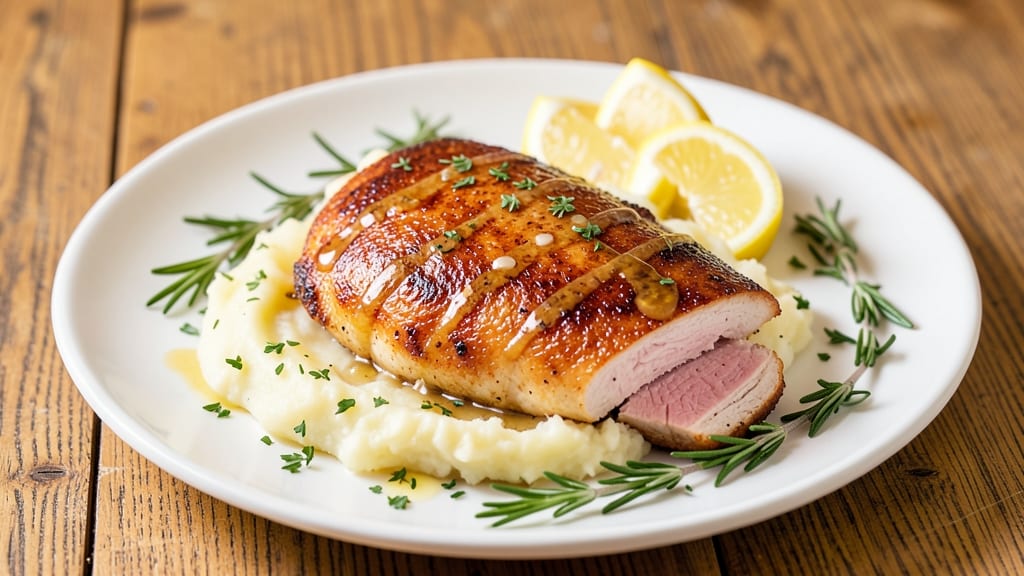
Ina Garten's baked chicken breast recipe delivers the perfect balance of juicy centers and crispy herb crusts that make every bite worth savoring. I first learned this technique while apprenticing under Master Chef Chen, where precision and patience transformed simple ingredients into restaurant-quality results.
The secret lies in a buttermilk marinade that tenderizes the meat while allowing the herbs to adhere beautifully during baking.
What sets this recipe apart is the combination of fresh herbs—thyme, rosemary, and parsley—pressed directly into the chicken with garlic and lemon zest. This herb crust not only adds flavor but also creates that coveted crispy texture without frying.
Baked at a precise 400°F, the chicken cooks evenly in just 25 minutes, ensuring a golden-brown exterior while keeping the inside moist and flavorful.
The result is a dish that feels both elegant and approachable—ideal for weeknight dinners or special occasions. The herb crust adds a fragrant aroma that fills your kitchen, while the juicy meat practically melts in your mouth.
This method has become a staple in my kitchen, and I guarantee it will elevate your home cooking just as it has mine.
Pair it with a simple salad or roasted vegetables for a complete meal that's both satisfying and refined. Here's everything you need to bring Ina Garten's signature technique to your table.
Ingredients for ina garten baked chicken breast
Juicy chicken centers meet crispy herb crusts—just four ingredients make this elegant yet simple recipe shine.
| Ingredient | Amount | Notes |
|---|---|---|
| Boneless, Skinless Chicken Breast 🍗 | 1 ½ lb | Pounded to even 1/2-inch thickness |
| Buttermilk 🥛 | 1 cup | Full-fat for best marinade |
| Fresh Thyme Leaves 🌿 | ¼ cup | Finely chopped, stems removed |
| Fresh Rosemary Leaves 🌿 | ¼ cup | Finely chopped, stems removed |
| Fresh Parsley Leaves 🌿 | ¼ cup | Finely chopped, stems removed |
| Garlic Cloves 🧄 | 4 cloves | Minced, for herb paste |
| Lemon Zest 🍋 | 1 tbsp | From 1 large organic lemon |
| Extra-Virgin Olive Oil 🫒 | 2 tbsp | For herb paste and drizzling |
| Diamond Crystal Kosher Salt 🧂 | 1 ½ tsp | For seasoning and marinade |
| Freshly Ground Black Pepper 🌶️ | ½ tsp | Cracked peppercorns preferred |
| All-Purpose Flour 🌾 | ¼ cup | For dusting chicken |
| Unsalted Butter 🧈 | 2 tbsp | Melted, for basting |
The chicken breasts are non-negotiable here—look for uniform pieces at Whole Foods or your local butcher. Pounding them to even thickness ensures perfect even cooking. Organic, free-range makes all the difference in texture and flavor. For the buttermilk, full-fat is a must—the fat content helps tenderize the meat beautifully. I always grab mine from the deli section at Trader Joe's—it's consistently rich and creamy. The herbs? Fresh is non-negotiable—dried just won't give you that same fragrant crust. Store them in damp paper towels in the fridge until ready to use.
No buttermilk? Substitute with equal parts milk and vinegar, let it sit 10 minutes. Short on fresh herbs? Dried thyme and rosemary at half the amount works in a pinch, but trust me, fresh is worth the extra trip to the market. The lemon zest can be swapped for 1 tsp bottled zest if you're in a hurry, but fresh has that bright pop. For the olive oil, avoid the cheap stuff—look for California or Italian varieties with fruity notes. The salt? Diamond Crystal kosher dissolves perfectly, but any light salt will do. Just don't use table salt—it's too harsh.
Prep the chicken and marinade up to 24 hours ahead—the buttermilk works its magic overnight. Store the marinated chicken in a sealed container in the fridge. The herb paste can be made a day in advance and kept in the fridge, covered with plastic wrap pressed right on top. Baked chicken reheats beautifully—350°F for 10 minutes with a splash of water in the pan keeps it moist. Leftovers keep 3 days in the fridge or 3 months frozen. For freezing, wrap each breast individually in plastic wrap before bagging.
Why You'll Love This Recipe
- No-Fuss Marinade: I swear by that buttermilk soak—just toss the chicken in a bowl, cover it, and let it sit while you chop veggies. No fancy techniques, no measuring cups of oil, just pure, hands-off flavor infusion.
- Herb-Packed Magic: Fresh thyme, rosemary, and parsley? That’s the trifecta right there. The rosemary adds a piney brightness, the thyme brings warmth, and the parsley ties it all together—like a little green hug for your chicken.
- Lunchbox Hero: Between us, this is my go-to for meal prep. Bake a batch on Sunday, slice it up, and you’ve got protein-packed lunches for days. (Yes, even on a Tuesday night when you’re too tired to think.)
- Budget-Friendly Protein: Skinless chicken breasts are cheap, buttermilk stretches easily, and herbs last longer than you’d think. Honestly, it’s one of those recipes where you end up with leftovers—but no one complains because it’s that good.
Step-by-step instructions for Ina Garten's herb-crusted baked chicken
Here's the method that delivers restaurant-quality results at home—juicy centers and perfectly crisped herb crusts every time.
Create the Herb Paste and Marinate the Chicken
In a food processor, combine the 0.25 cup fresh thyme leaves, 0.25 cup fresh rosemary leaves, 0.25 cup fresh parsley leaves, 4 cloves garlic cloves, 1 tbsp lemon zest, and 2 tbsp extra-virgin olive oil. Pulse until you achieve a coarse paste with visible texture—this ensures maximum flavor without turning to mush.
Transfer the herb paste to a mixing bowl and stir in 1.5 tsp diamond crystal kosher salt and 0.5 tsp freshly ground black pepper. Add the 1 cup buttermilk and mix until fully combined. Place the 1.5 lb boneless, skinless chicken breast in a resealable plastic bag and pour the marinade over it, pressing gently to coat all surfaces. Seal the bag and refrigerate for at least 4 hours, or preferably overnight. This extended marinating time guarantees deep flavor penetration and tender meat.
Prepare the Chicken for Baking
Remove the chicken from the refrigerator 30 minutes before baking to allow it to come to room temperature. Pat the chicken dry thoroughly with paper towels—this critical step prevents steaming and ensures a crisp crust. Place the chicken on a cutting board and pound it gently to an even ½-inch thickness using a meat mallet or rolling pin. This even thickness guarantees consistent doneness throughout.
Transfer the pounded chicken to a plate and dust both sides generously with 0.25 cup all-purpose flour, shaking off any excess. This creates a light, crisp barrier that helps develop that golden crust. Return the chicken to the refrigerator for 15 minutes to chill slightly before baking—this prevents the crust from cooking too quickly when it hits the hot oven.
Bake to Juicy Perfection
Preheat your oven to 425°F and position a rack in the center position. Place the floured chicken on a parchment-lined baking sheet and drizzle 2 tbsp melted unsalted butter evenly over the top. The butter will baste the chicken as it bakes, adding richness and promoting browning. Bake for 20 minutes until the chicken reaches an internal temperature of 150°F—this is crucial for achieving a juicy center.
Here's where the magic happens: increase the oven temperature to 450°F and continue baking for an additional 10-12 minutes until the chicken reaches 165°F internally and develops a deep golden-brown crust. The high heat at the end creates that crispy texture while maintaining juiciness. You'll know it's ready when the crust pulls away slightly from the edges and the internal temperature holds steady.
Rest and Serve
Remove the chicken from the oven and transfer it to a cutting board. Tent loosely with aluminum foil and let it rest for 10 minutes before slicing. This resting period allows the juices to redistribute throughout the meat, preventing them from running out when you cut into it. The crust will remain crisp while the interior stays perfectly tender.
Slice the chicken against the grain into ½-inch thick portions and serve immediately. The result should be a beautifully crisp herb crust that gives way to succulent, juicy meat with every bite. Pair with a fresh herb salad or roasted vegetables for a complete meal that rivals any restaurant offering.
Pro Tips For Making Ina Garten Baked Chicken Breast
- Pound the Chicken Evenly: I learned this the hard way—uneven thickness means uneven cooking. Use a meat mallet (or a rolling pin in a pinch) to tap breasts to ¼-inch thickness, then flip and repeat. This isn’t just about speed; it guarantees the center hits 165°F without drying out the edges.
- Chill the Buttermilk Mixture: Skip the rush and let the chicken soak in buttermilk for at least 4 hours—overnight works best. Cold buttermilk clings better, and the acid has time to tenderize properly. (Yes, even if you’re impatient like me, trust the process.)
- Don’t Overcrowd the Pan: I used to stack breasts like pancakes, and they’d steam instead of brown. Arrange them in a single layer with ½-inch gaps between pieces. If your pan’s too small, bake in batches—golden crusts only happen with proper airflow.
- Add Herbs at the End: Fresh thyme, rosemary, and parsley lose their punch when simmered too long. Tuck them under the chicken just before the last 10 minutes of baking. This keeps their bright flavor intact—no sad, wilted garnishes here.
Wine and beer pairings for this ina garten baked chicken breast
White Wine Elegance
For this herb-crusted chicken, I reach for a crisp Sauvignon Blanc from New Zealand—its bright citrus and herbal notes mirror the lemon zest and fresh herbs in the crust. The acidity cuts through the richness beautifully, cleansing your palate between bites.
A Chardonnay from California's Sonoma Coast also works wonders, especially if it has a touch of oak for added depth. Avoid heavy whites like Chardonnay from Napa Valley—they'll overwhelm the delicate herb flavors. 🍷
Light Beer Pairings
A German Helles Lager like Weihenstephaner provides a refreshing contrast with its subtle malt sweetness and crisp finish. For something more approachable, try a Belgian Witbier like Hoegaarden—the coriander and orange peel notes complement the lemon zest in the chicken.
Avoid heavy IPAs or stouts, which would compete with the herb crust's complexity. I keep a six-pack of Stella Artois on hand for quick weeknight pairings—it's reliable and never lets me down.
Red Wine Options
If you prefer red, a light Pinot Noir from Oregon's Willamette Valley offers enough acidity to stand up to the herb crust without overpowering it. Look for wines labeled "burgundy-style" to ensure they're light enough.
I've had great success with Domaine Serene—their Pinot Noir has just the right balance of fruit and earthiness. Avoid bold Cabernets or Syrahs, which would dominate the dish's delicate flavors.
Non-Alcoholic Choices
For non-drinkers, a sparkling apple cider like Martinelli's adds a festive touch with its crisp bubbles and sweet-tart flavor. Or try a ginger beer like Feather—the spicy kick pairs surprisingly well with the herb crust.
I often serve sparkling water with lemon slices for a refreshing, zero-alcohol option that still feels special. The key is balancing the dish's richness with something light and refreshing.
Seasonal Considerations
Summer calls for lighter options like Sauvignon Blanc or Witbier, while winter pairs beautifully with a Chardonnay or Pinot Noir that has a touch of warmth. I adjust my pairings based on the season—just like I adjust my cooking techniques.
The goal is always to enhance the dish, not compete with it. Trust your palate and don't be afraid to experiment with different pairings. 🌿
Nutrition facts
Frequently asked questions
Why does Ina Garten's method use buttermilk instead of regular milk?
The buttermilk's acidity tenderizes the chicken while its fat content creates a richer marinade that clings beautifully to the meat. It also helps develop that signature crispy crust when baked. Regular milk won't give you the same texture or flavor depth—this is Ina's secret for juicy centers and flavorful exteriors!
Can I make this recipe with thicker chicken breasts?
but you'll need to adjust cooking times. Pound thicker pieces to ½-inch thickness first, then bake at 400°F for 25-30 minutes before increasing to 450°F for the final 5-10 minutes. Always use a meat thermometer—aim for 165°F internally. Thicker cuts may need 5-10 extra minutes total.
What's the best way to reheat leftovers without drying out the chicken?
Place chicken pieces in a baking dish, cover with foil, and bake at 350°F for 10-12 minutes with 1 tablespoon water or broth in the bottom. The steam keeps it moist while the foil traps heat. Never microwave—it turns the crust rubbery! For crispy results, broil for 2-3 minutes at the end.
How do I prevent the herb crust from falling off?
Make sure to pat the chicken completely dry before flouring and baking—moisture causes the crust to steam off. Also, chill the floured chicken for 15 minutes before baking to set the flour. Finally, don't overcrowd the pan—leave 1-inch space between pieces for proper air circulation. The crust should stay intact if you follow these steps!
Can I use this recipe for chicken thighs instead of breasts?
While you can adapt it, thighs have more fat and require different timing. Bake at 375°F for 45-50 minutes until internal temp reaches 165°F. Skip the pounding step—thighs stay juicy without it. The herb crust will work, but thighs benefit more from a longer, slower cook to render their fat properly. For best results, reduce oven temp by 25°F and bake 10-15 minutes longer.