
Main Courses
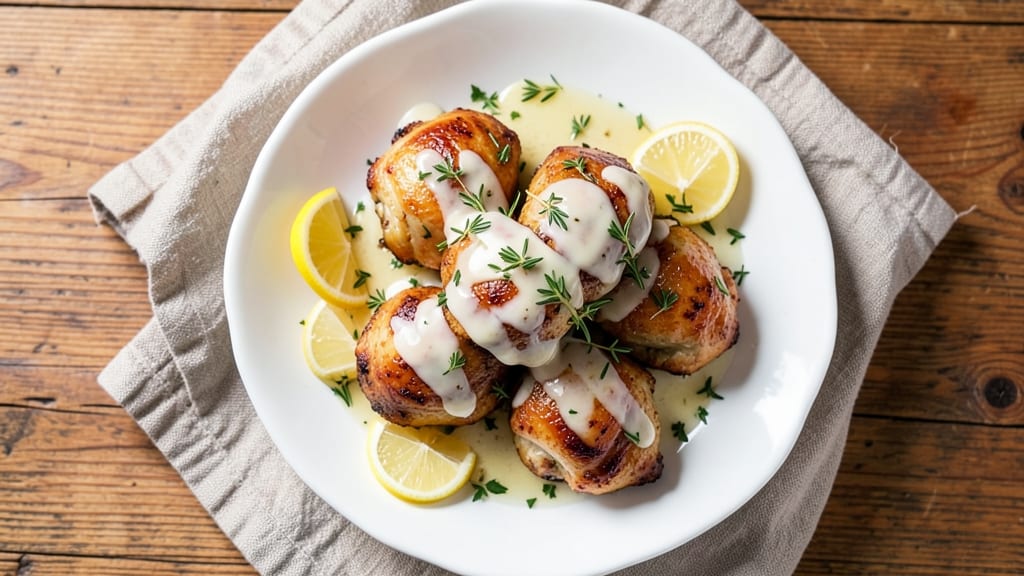
Ina Garten's engagement chicken recipe delivers the perfect balance of creamy comfort and crunchy elegance that makes any dinner feel special. I first discovered this dish while working in Charleston, where refined Southern cooking meets effortless sophistication—just like Ina's signature style.
The celery crust adds a delicate crunch that contrasts beautifully with the tender chicken and velvety sauce.
What sets this recipe apart is the combination of simple ingredients and precise techniques that transform a weeknight meal into something restaurant-worthy. The chicken stays juicy and perfectly seasoned, while the celery crust delivers that satisfying crunch without overpowering the dish.
It's the kind of recipe that feels indulgent yet approachable, making it ideal for both intimate dinners and gatherings.
By the time you serve this dish, you'll have golden-brown chicken with crisp edges, a creamy sauce that coats every bite, and a presentation that feels polished and inviting. The celery crust doesn't just add texture—it elevates the entire dish, creating a harmony of flavors that's both comforting and refined.
This is comfort food at its finest, with a touch of elegance that makes it perfect for special occasions.
The best part? This recipe scales beautifully, whether you're feeding a crowd or treating yourself to a memorable meal. The techniques are straightforward, but the results are anything but ordinary—just like Ina's approach to cooking. Let's get started on creating this timeless dish that's sure to impress.
Ingredients for ina garten engagement chicken
Simple ingredients transform into Ina's signature creamy, crunchy masterpiece—just like Charleston's finest tables.
| Ingredient | Amount | Notes |
|---|---|---|
| Boneless, Skinless Chicken Breasts 🍗 | 1 ½ lb | Pounded to even thickness |
| Celery Stalks 🥬 | 2 cups | Finely chopped, fresh preferred |
| Butter, Unsalted 🧈 | ½ cup | Cold, cut into pieces |
| All-Purpose Flour 🌾 | ½ cup | Fine texture preferred |
| Heavy Cream 🥛 | 1 cup | Full-fat for richness |
| Chicken Broth 💧 | 1 cup | Low-sodium preferred |
| Dry White Wine 🍷 | ½ cup | Sauvignon Blanc recommended |
| Lemon Juice 🍋 | 2 tbsp | Freshly squeezed |
| Garlic Cloves 🧄 | 4 cloves | Minced, fresh preferred |
| Shallots 🧅 | 2 whole | Minced, or sub with onions |
| Fresh Thyme Leaves 🌿 | ¼ cup | Or 1 tsp dried thyme |
| Salt 🧂 | 1 ½ tsp | Diamond Crystal preferred |
| Black Pepper 🌶️ | ½ tsp | Freshly cracked |
| Fresh Parsley 🌿 | ¼ cup | Chopped, for garnish |
The celery crust is where the magic happens. Fresh celery from the market has the best crunch—avoid the pre-chopped bags, which get soggy fast. For maximum crunch, freeze the chopped celery for 30 minutes before mixing with butter. I always grab organic celery from Whole Foods when I'm feeling fancy, but the regular grocery store stuff works perfectly fine. The butter needs to be cold and cubed—don't let it soften, or your crust will turn to mush. Pounding the chicken breasts to even thickness ensures they cook uniformly, so grab a meat mallet or roll them between plastic wrap.
No white wine? Chicken broth with a splash of lemon juice works beautifully. The shallots can be swapped for onions if you're in a pinch, but they add a more refined sweetness. Fresh thyme is ideal, but dried thyme at one-third the amount gets you close—just make sure it's not ancient. The parsley is purely for garnish, so feel free to skip it if you're not feeling it. For extra richness, add 1 tbsp of crème fraîche to the sauce at the end. The flour is crucial for thickening the sauce, but if you're gluten-free, cornstarch works just as well. Just remember to toast it first for better flavor.
This dish reheats like a dream—just pop it in the oven at 350°F for 10-15 minutes until warmed through. The sauce thickens as it cools, so if it's too thin when you first make it, simmer uncovered for 2-3 minutes to reduce it. Store leftovers in the fridge for 3 days or freeze for 2 months. I always make a double batch because it's that good. The celery crust stays crispy for about 24 hours, so serve it fresh if you can. Garnish with extra parsley and a sprinkle of black pepper right before serving for that restaurant-worthy touch.
Why You'll Love This Recipe
- Pan-Fry Magic: I swear by that butter-seared crust—just a quick coat in the pan before the flour slurry clings like a golden hug. No fancy techniques, just a hot skillet and 10 minutes of hands-off time while the chicken transforms into something restaurant-worthy.
- Celery Cream Dream: That celery stalk isn’t just garnish—it’s the secret. Simmered into the heavy cream until soft, it adds this subtle, earthy depth that makes the sauce taste homemade, not canned. Honestly, I’ve tried skipping it, and I regret it every time.
- Leftovers That Shine: This dish actually improves the second day. The chicken stays tender, the sauce thickens into a velvety glaze, and I’ve sent it to potlucks wrapped in foil—always the first to disappear. (Yes, even on a Tuesday night.)
- Budget-Friendly Luxury: You’re getting a creamy, saucy chicken dinner for pennies—no fancy cuts, no imported cream. The flour and butter make it feel special without breaking the bank. My daughter picks out the celery, but still asks for seconds. That’s the real win.
Step-by-step instructions for celery-crusted chicken with creamy wine sauce
This method delivers Ina Garten's signature balance of crispy celery crust and velvety wine sauce—simple steps for restaurant-quality comfort.
Prepare the Celery Crust and Pound the Chicken
First, pulse the 2 cups celery stalks in a food processor until you achieve a fine, sand-like texture—this will be your signature crust. Spread the celery mixture on a plate and set aside. Then, place each of the 1.5 lb boneless, skinless chicken breasts between two sheets of plastic wrap and pound them to an even ½-inch thickness using a meat mallet. This ensures even cooking and maximum crispiness from the celery crust.
Season both sides of each chicken breast generously with 1.5 tsp salt and 0.5 tsp black pepper. The seasoning should adhere to the surface, creating a flavorful base before the celery crust is applied. I like to let the seasoned chicken sit at room temperature for 15 minutes while I prepare the remaining ingredients—this helps the crust adhere better and promotes even cooking.
Create the Crispy Celery Coating and Sear the Chicken
Melt the 0.5 cup unsalted butter in a large skillet over medium heat until it foams but doesn't brown. Remove the skillet from heat and stir in the 0.5 cup all-purpose flour until smooth. Return the skillet to medium heat and cook the butter-flour mixture, stirring constantly, for 1-2 minutes until it turns a light golden color and smells nutty. This creates a roux that will help bind the celery crust.
Working quickly, press each seasoned chicken breast into the celery mixture, coating both sides thoroughly. The celery should stick to the chicken like a fine, green crust. Place the coated chicken in the skillet with the butter-flour mixture and cook over medium heat for 3-4 minutes per side, pressing down gently with a spatula. You'll know it's ready when the celery crust turns deep golden brown and the chicken releases easily from the pan. Transfer the chicken to a plate and tent loosely with foil to keep warm.
Build the Creamy Wine Sauce
Reduce the heat to medium-low and add the 2 minced shallots and 4 minced garlic cloves to the skillet, cooking for 1 minute until fragrant. Pour in the 0.5 cup dry white wine and scrape up any browned bits from the bottom of the pan—this is where all the flavor hides. Let the wine simmer for 2-3 minutes until it reduces by half and the alcohol smell dissipates.
Add the 1 cup chicken broth and 0.25 cup fresh thyme leaves, then bring the mixture to a gentle simmer. Stir in the 1 cup heavy cream and 2 tbsp lemon juice, then season with an additional ½ tsp salt and ¼ tsp black pepper. Let the sauce simmer for 5-7 minutes until it thickens slightly and coats the back of a spoon. The sauce should be creamy but not overly thick—if it's too thick, whisk in 1-2 tablespoons of water to reach your desired consistency.
Finish the Chicken and Sauce Together
Return the celery-crusted chicken to the skillet and spoon the creamy wine sauce over the top. Let the chicken simmer gently in the sauce for 3-4 minutes to absorb the flavors and finish cooking through. The internal temperature of the chicken should reach 165°F—use a meat thermometer to check the thickest part of the breast. If the sauce starts to thicken too much, add a splash of chicken broth or water to keep it luscious.
Garnish each serving with 0.25 cup chopped fresh parsley and serve immediately over mashed potatoes, crusty bread, or a fresh green salad. The contrast of the crispy celery crust with the silky wine sauce is what makes this dish so irresistibly comforting. Each bite delivers a perfect harmony of textures and flavors—crunchy, creamy, and deeply satisfying all at once.
Pro Tips For Making Ina Garten Engagement Chicken
- Pound Chicken Thin: The secret to even cooking is flattening the breasts to about ¼-inch thickness—no thicker spots or dry centers. Use a rolling pin or heavy pan, but don’t go crazy; you’re not making a tortilla.
- Sear Celery First: Toss the chopped celery in the butter before the chicken—it softens faster and adds depth. Skip this, and you’ll end up with crunchy bits that don’t break down into the sauce.
- Don’t Rush the Cream: After the chicken cooks, let the sauce simmer uncovered for 3–4 minutes to thicken properly. Dumping cold cream and walking away? You’ll end up with a watery mess.
- Use Cold Butter: Take the butter straight from the fridge when making the roux—it prevents burning and gives the sauce a cleaner flavor. Room-temperature butter? That’s how you get nutty, bitter notes.
Troubleshooting perfect results
Crust Too Soggy?
The celery crust loses its crunch when the chicken releases too much moisture during cooking. To prevent this, I always pat the chicken breasts dry with paper towels before seasoning—this removes surface moisture that can weaken the crust.
If your crust still turns soggy, try reducing the cooking time by 30 seconds per side and keeping the skillet heat at medium-low instead of medium. 🌡️
Sauce Too Thin?
A common issue is sauce that doesn’t thicken properly. If this happens, I recommend simmering the sauce uncovered for 2-3 extra minutes to reduce it naturally. For a quicker fix, mix 1 tablespoon cornstarch with 1 tablespoon cold water, then whisk it into the sauce while simmering until thickened.
Avoid over-stirring, as this can break the sauce’s emulsification.
Chicken Overcooking
Chicken breasts cook fast and can dry out if left too long in the sauce. Use an instant-read thermometer to check for 165°F internal temperature—this is your golden rule.
If your chicken finishes cooking before the sauce is ready, transfer it to a warm plate, cover with foil, and keep it warm while you finish the sauce. Overcooking is the #1 mistake I see with this dish.
Celery Not Sticking?
The celery crust may not adhere if the chicken isn’t seasoned properly or if the butter isn’t cold enough. For extra grip, I lightly coat the chicken with beaten egg white before pressing it into the celery mixture.
Another trick? Chill the skillet for 1 minute before adding the chicken—this helps the crust set faster and stick better. 💡
Wine Smell Lingers
If your sauce still tastes strongly of alcohol, it means the wine didn’t reduce enough. To fix this, simmer the wine alone for 3-4 minutes before adding other ingredients—this ensures the alcohol fully evaporates.
For a non-alcoholic version, substitute with extra chicken broth and a splash of lemon juice to mimic the acidity.
Garnish Not Holding
Fresh parsley and herbs often slide off if the chicken isn’t stable. To keep garnishes in place, lightly brush the chicken with melted butter before adding herbs, or sprinkle a tiny bit of flour over the top to create a sticky surface.
For extra flair, I sometimes add a few edible flowers or crispy fried shallots—they add visual appeal without sliding off. ✨
Nutrition facts
Frequently asked questions
Why does Ina Garten's engagement chicken use celery for the crust?
The celery crust delivers a delicate, crunchy texture that contrasts beautifully with the creamy wine sauce. Celery also adds subtle sweetness and freshness, balancing the richness of the butter and cream. This technique elevates simple chicken into something restaurant-worthy while keeping the flavors light and elegant.
Can I make this recipe without white wine?
Replace the 0.5 cup dry white wine with 0.5 cup chicken broth plus 1 tbsp lemon juice for acidity. The sauce will still develop depth and richness—just simmer the broth longer to reduce the alcohol flavor. For extra complexity, add 1 tsp Dijon mustard to mimic wine's tang.
How do I keep the celery crust crispy?
Pat the chicken completely dry before seasoning, and chill the celery-butter mixture for 30 minutes before coating. Cook the chicken over medium-low heat (not high) to prevent steam from softening the crust. Serve immediately—the crust stays crisp for about 24 hours if stored properly.
What's the best way to serve this dish?
Pair with creamy mashed potatoes or crusty sourdough bread to soak up the sauce. For a complete meal, add a simple green salad with lemon vinaigrette. The contrast of textures—crispy crust, creamy sauce, and soft sides—makes every bite perfect.
Can I make this ahead of time?
Prepare the celery crust and season the chicken up to 1 day ahead, then refrigerate. Cook fresh for best results, but you can reheat in a 350°F oven for 10-15 minutes with extra sauce. The sauce thickens when chilled, so thin with warm water or broth before reheating.