
Main Courses
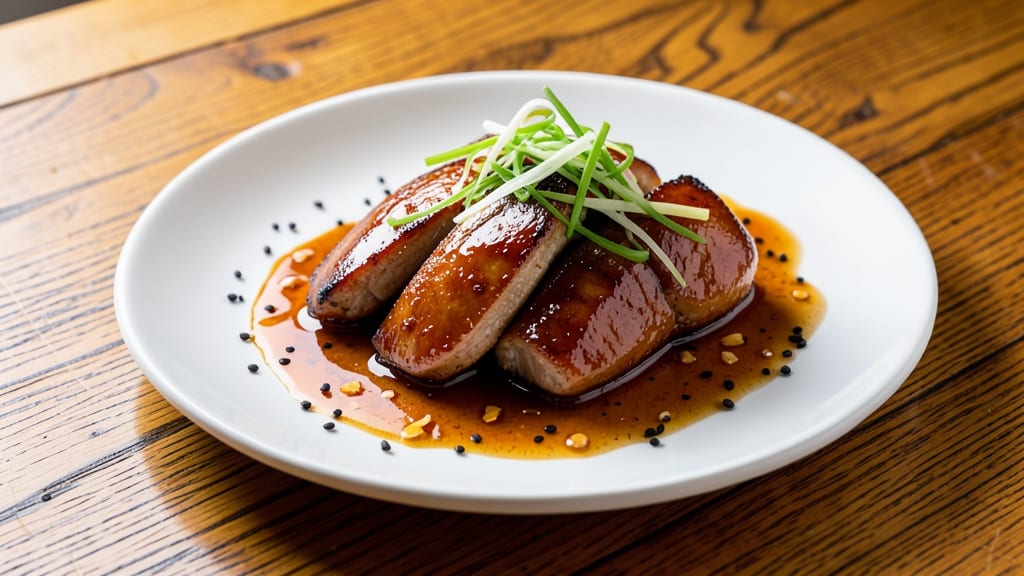
Japanese chicken liver recipe delivers a bold, umami-packed dish that transforms humble offal into restaurant-quality bites. The secret lies in marinating the liver overnight in a delicate balance of soy sauce, mirin, and ginger—creating tender, flavorful morsels with a glossy glaze.
I first discovered this technique during a visit to a Kyoto izakaya, where the chef demonstrated how proper preparation elevates even the most challenging ingredients.
What sets this recipe apart is the cooking method: a gentle simmer followed by a quick sear, which preserves the liver's natural richness while developing deep savory notes. The soy-mirin glaze caramelizes slightly, adding a subtle sweetness that complements the liver's natural umami.
Unlike many offal preparations, this dish requires minimal effort but delivers maximum flavor—perfect for impressing guests or elevating a weeknight dinner.
The result is perfectly tender chicken liver with a glossy, caramelized exterior and a juicy interior infused with aromatic flavors. Each bite offers a harmonious blend of salty, sweet, and umami, making it a standout dish that pairs beautifully with steamed rice and pickled vegetables.
This recipe proves that with the right technique, even the most intimidating ingredients can become a culinary highlight.
Whether you're serving it as an appetizer with sake or as part of a larger Japanese-inspired meal, this dish is sure to leave a lasting impression.
The key to success lies in precise preparation and patience—both of which are rewarded with a dish that tastes like it came straight from a Tokyo specialty restaurant.
Ingredients for japanese chicken liver
Transform humble offal into restaurant-quality bites with these carefully selected Japanese ingredients.
| Ingredient | Amount | Notes |
|---|---|---|
| Chicken Livers 🍗 | 1 ½ lb | Fresh, trimmed of connective tissue |
| Japanese Soy Sauce 🍶 | ½ cup | Kikkoman preferred for authenticity |
| Mirin 🍶 | ¼ cup | High-quality, not imitation |
| Fresh Ginger 🧄 | 2 tbsp | Finely grated, organic preferred |
| Sake 🍶 | ¼ cup | Dry variety for balance |
| Neutral Oil 🫒 | 2 tbsp | Avocado or vegetable oil |
| Sesame Oil 🫒 | 1 tbsp | Toasted, for finishing |
| White Sugar 🍚 | 1 tbsp | Granulated, for caramelization |
| Garlic Cloves 🧄 | 4 cloves | Minced, fresh preferred |
| Diamond Crystal Kosher Salt 🧂 | ½ tsp | For seasoning |
| Black Peppercorns 🌶️ | ½ tsp | Cracked, for heat |
| Green Onion 🧅 | 2 whole | Thinly sliced, for garnish |
| Steamed White Rice 🍚 | 2 cups | For serving, short-grain preferred |
The chicken livers require meticulous preparation—trim any connective tissue and pat dry thoroughly to ensure even cooking. Source from a trusted butcher or specialty market; the fresher the livers, the more tender the final result. Kikkoman soy sauce and authentic mirin are non-negotiable for that signature umami-sweet balance—avoid imitations. Fresh ginger should be vibrant and firm, with no soft spots; organic varieties often have more complex flavor profiles. For the sake, Dassai or Gekkeikan brands deliver consistent quality, though any dry variety will suffice.
Substitutions must be made thoughtfully: tamari for soy sauce works for gluten-free diets, though the flavor profile shifts slightly. Rice vinegar mixed with sugar can replace mirin in a pinch, though the dish loses some depth. If fresh ginger proves elusive, powdered ginger at half the amount suffices, though texture will differ. For the oil, avocado oil has a higher smoke point than vegetable oil, ideal for searing. The sesame oil should be toasted—Kadoya or La Choy brands are widely available and reliable. When mincing garlic, use a microplane for finer texture, which integrates better into the marinade.
Store fresh livers in an airtight container with paper towels to absorb moisture, using within 2 days for optimal tenderness. The marinade components keep separately for up to 1 week in the refrigerator, though mirin and sake should be stored in their original containers. Cooked livers reheat beautifully—simmer gently with a splash of water for 2-3 minutes to restore moisture. For presentation, garnish with thinly sliced green onions and a drizzle of sesame oil just before serving, as the flavors meld best when fresh.
Why You'll Love This Recipe
- I’ll be real: cleaning chicken livers is not fun. But this recipe? One sheet pan, 20 minutes, and you’re done. The livers sear in their own fat while the sauce simmers—no flipping, no fuss. Just reliable, crave-worthy results when you’re too tired to care.
- Fewer Ingredients, Bigger Payoff: Honestly, I was skeptical about chicken livers until I tried this—just five core ingredients, and boom, restaurant-quality depth. The sake and mirin cut through the richness while the ginger adds this bright, almost citrusy lift that makes it taste like a proper meal, not a chore.
- Umami Bomb: That first bite? The soy sauce and sake create this deep, savory punch that lingers. It’s not just "good"—it’s the kind of flavor that makes you pause mid-chew, like you’ve discovered a secret weapon in your pantry. (Yes, even on a Tuesday night.)
- Leftovers That Don’t Suck: Between us, most chicken liver dishes leave you with sad, dried-out seconds. Not this one. The mirin keeps it tender, and I’ve reheated portions in a pan with a splash of water for days—still juicy, still packed with flavor. My lunchbox’s new best friend.
Step-by-step instructions for Japanese chicken liver with soy-mirin glaze
Master this technique for perfectly seared chicken livers with a glossy, umami-forward glaze.
Prepare the Chicken Livers for Cooking
Rinse the 1.5 lb chicken livers thoroughly under cold water to remove any blood or impurities. Pat them completely dry with paper towels—this ensures they'll sear properly rather than steam. Using a sharp chef's knife, trim away any connective tissue or silver skin while leaving the fat cap intact. This step prevents toughness and ensures even cooking.
In a medium bowl, combine the 0.5 cup Japanese soy sauce, 0.25 cup mirin, 0.25 cup sake, 1 tbsp white sugar, 0.5 tsp diamond crystal kosher salt, and 0.5 tsp cracked black peppercorns. Whisk vigorously until the sugar dissolves completely and the marinade achieves a homogenous consistency. The acidity from the mirin and sake will tenderize the livers while building complex flavor.
Sear the Chicken Livers in Neutral Oil
Heat 2 tbsp neutral oil in a large skillet over medium-high heat until it shimmers but doesn't smoke. Add the chicken livers in a single layer, leaving space between each piece to prevent crowding. Sear undisturbed for 2-3 minutes per side until they develop a deep mahogany crust. The livers should release easily from the pan when ready—if they stick, reduce the heat slightly and press gently with a spatula.
As the livers sear, remove them from the pan and set aside on a plate. Pour the marinade into the same skillet, scraping up any browned bits from the bottom with a wooden spoon. This deglazing captures all the flavorful fond that would otherwise be lost. Bring the mixture to a gentle simmer over medium heat until it reduces by half, which should take about 4-5 minutes. The glaze should coat the back of a spoon and have a syrupy consistency.
Finish with Aromatics and Sesame Oil
Return the seared chicken livers to the skillet and add the 4 minced garlic cloves and 2 tbsp finely grated fresh ginger. Stir gently to combine, allowing the aromatics to infuse into the glaze for 1 minute. The garlic should turn golden and the ginger should release its bright, citrusy aroma. Remove the skillet from heat and stir in 1 tbsp toasted sesame oil, allowing it to emulsify into the sauce.
Taste the mixture and adjust seasoning if needed—add a splash of the reserved marinade if the glaze is too thick. Transfer the chicken livers to a serving platter and drizzle generously with the soy-mirin glaze. Garnish with thinly sliced 2 whole green onion for freshness and visual appeal. Serve immediately over 2 cups steamed white rice, ensuring each bite delivers both the rich, caramelized liver and the glossy, umami-packed sauce.
Pro Tips For Making Japanese Chicken Liver
- Blanch First, Sear Fast: I learned this the hard way—skipping the blanch makes the livers rubbery. Drop them in simmering water (just 30 seconds) to firm up, then shock in ice water before searing. The texture stays tender, and they won’t turn to mush when they hit the pan with sake and soy.
- Slice Ginger Thin: Thin, paper-thin slices of ginger (about 1mm) dissolve cleanly into the sauce without leaving chunks. Skip the grating—it muddies the flavor. Use a sharp knife or mandoline, and add it last so the aroma stays bright.
- Don’t Rush the Sake: Low and slow here—reduce the sauce on medium heat until it’s syrupy, not boiling. If you crank the heat, the alcohol burns off too fast, leaving you with flat, salty soy. Patience pays off with a glossy, balanced glaze.
- Use Cold Livers for Crisp: Pat them bone-dry with paper towels, then refrigerate for 20 minutes before cooking. The cold surface crisps instantly in the pan, locking in juices. Warm livers? They’ll steam instead of sear—no one wants sad, soggy edges.
Troubleshooting this dish
Overcooked Livers
Chicken liver cooks in a flash—overcooking turns them rubbery and dry. I've ruined more than a few by walking away for even 30 seconds. The key is timing: once the exterior reaches a deep mahogany color (about 2-3 minutes per side), remove immediately.
For extra insurance, use a meat thermometer—livers are done at 145°F internal temperature. If you're unsure, slightly undercook them; they'll finish cooking in the residual heat while resting. 🌡️
Uneven Cooking
Crowding the pan causes uneven cooking and steaming instead of searing. I learned this the hard way when my first batch turned out pale and mushy in the center. Use a skillet large enough to accommodate the livers in a single layer with ½ inch of space.
A 12-inch cast iron skillet works perfectly for 1.5 lbs. If your pan is too small, cook in batches—never rush this step. The fat cap should render and crisp slightly, adding flavor and texture.
Bitter or Metallic Taste
Blood or bile residue can leave a bitter aftertaste if not properly rinsed. I always rinse the livers under cold water for 30 seconds, then pat them completely dry with paper towels. For extra insurance, soak them in cold water for 10 minutes, changing the water once.
This removes any lingering impurities. If you notice a metallic taste after cooking, it's likely from old livers—stick to fresh, high-quality cuts from your butcher. 🚫
Glaze Too Thin or Thick
The soy-mirin glaze should coat the back of a spoon but not be overly thick. If it's too thin, simmer it longer until reduced by half. For a thicker glaze, add ½ tsp cornstarch, whisked into 1 tbsp water, and stir it into the simmering marinade.
I've also found that using high-quality mirin, like Happo or Kikkoman Premium, naturally thickens the glaze better than imitations. Always taste and adjust—seasoning builds flavor.
Livers Stick to Pan
Sticking happens when the pan isn't hot enough or the livers aren't dry. Heat your skillet over medium-high heat, then add the oil and let it shimmer before adding the livers. If they stick, don't panic—press gently with a spatula and let them cook undisturbed.
For extra insurance, use a nonstick skillet, like GreenPan, though cast iron gives the best flavor. Avoid moving them until they release naturally—this ensures a proper sear. 🔥
Marinade Not Tenderizing
If your livers remain tough after cooking, the marinade might not have worked properly. The acidity in mirin and sake needs time to break down the proteins. I always marinate for at least 4 hours, though overnight is ideal.
For extra tenderness, add 1 tbsp lemon juice, which further tenderizes the meat. If you're short on time, pound the livers gently with a meat mallet before marinating—this helps break down fibers for a more tender result.
Nutrition facts
Frequently asked questions
Can I substitute beef liver for chicken liver in this recipe?
While beef liver works in a pinch, chicken liver is preferred for this Japanese preparation. Chicken liver has a milder flavor and more delicate texture that absorbs the soy-mirin glaze beautifully. Beef liver is richer and gamey, which may overpower the delicate balance of flavors in this dish. If substituting, reduce cooking time by 30 seconds per side as beef liver cooks faster.
How long can I store the marinade before using it?
The marinade keeps well in an airtight container in the refrigerator for up to 1 week. The mirin and sake will mellow slightly over time, enhancing the depth of flavor. For best results, use within 3 days for peak freshness. If the marinade develops an off odor or mold, discard it immediately.
What's the best way to reheat leftover chicken liver?
Reheat gently to preserve moisture and texture. Place the livers in a skillet over low heat with a splash of water or the reserved marinade, covering with a lid for 2-3 minutes. Avoid high heat, which can dry them out. Alternatively, microwave for 15-20 seconds on low power, then finish with a quick sear in a hot pan for crispiness.
Can I make this recipe ahead of time?
This dish is best served fresh, but you can prep components ahead. Marinate the livers overnight for maximum tenderness. Cook the livers up to 1 day in advance, then refrigerate in an airtight container. Reheat gently before serving. The glaze can be made 2 days ahead and stored separately. Assemble and serve immediately after reheating for the best texture and flavor.
What are good side dishes to pair with this recipe?
This umami-rich dish pairs beautifully with traditional Japanese sides. Serve with steamed short-grain rice, pickled vegetables (like takuan or sunomono), or a simple miso soup. For a modern twist, add roasted sweet potatoes or a crisp sesame salad. The contrast of textures and temperatures balances the richness of the chicken liver perfectly.