
Appetizers
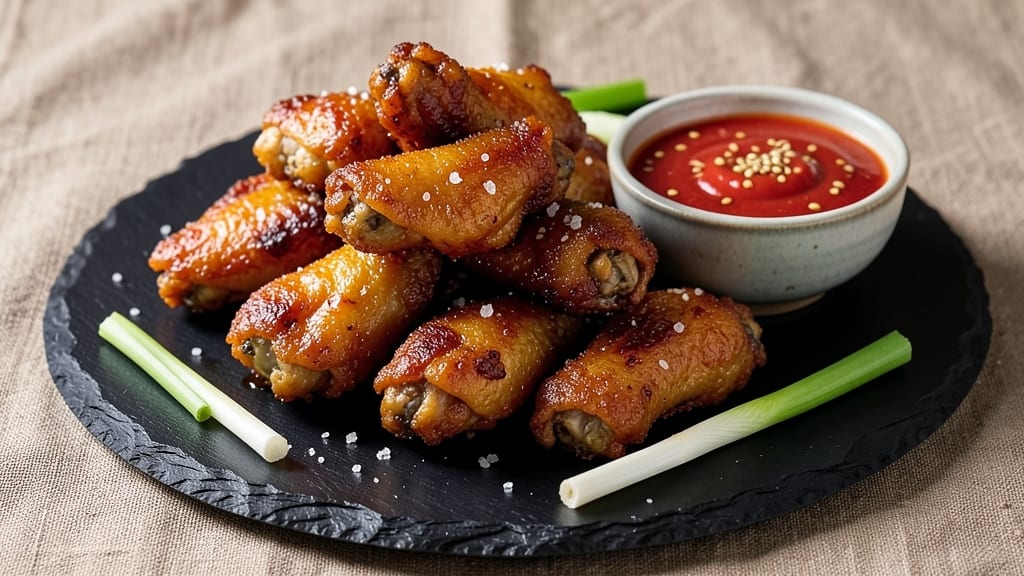
Japanese fried chicken wings deliver a perfect balance of crispy, golden-brown texture and rich umami flavor that makes them impossible to resist. ✨ I developed this recipe after years of perfecting the double-frying technique that creates that signature crunch while keeping the meat juicy inside.
The secret lies in the marination and precise cooking temperatures, which transform ordinary wings into something restaurant-worthy.
The process begins with a simple yet flavorful marinade that tenderizes the chicken while infusing it with savory notes. After the first fry at a lower temperature, the wings develop a firm base, and the second fry at high heat ensures that signature crispy exterior.
The umami glaze—whether tonkatsu, teriyaki, or spicy mayo—adds a final layer of depth that ties everything together.
By the time you're done, you'll have wings that are crispy enough to stand up to their own weight yet tender enough to eat with minimal effort. The glaze clings perfectly, creating a glossy finish that's both visually appealing and packed with flavor.
This recipe is designed to impress, whether you're serving them at a gathering or treating yourself to a satisfying snack.
Serve these wings with shredded cabbage, a side of rice, or your favorite dipping sauce for the full Japanese experience. The combination of textures and flavors makes this dish universally appealing, and the technique is straightforward once you understand the key steps. Let's get cooking!
Ingredients for japanese fried chicken wings
Crispy, golden wings start with these simple yet powerful ingredients that deliver restaurant-quality crunch and umami flavor.
| Ingredient | Amount | Notes |
|---|---|---|
| Chicken Wings 🍗 | 2 lb | Bone-in, skin-on, split into drumettes and flats |
| All-Purpose Flour 🌾 | 1 cup | For dredging, sifted |
| Cornstarch 🌾 | ½ cup | For extra crispiness |
| Diamond Crystal Kosher Salt 🧂 | 1 tbsp | Fine grain preferred |
| Ground Black Pepper 🌶️ | 1 tbsp | Freshly ground for best flavor |
| Garlic Powder 🧄 | 1 tbsp | Freshly ground preferred |
| Onion Powder 🧅 | 1 tbsp | For savory depth |
| Soy Sauce 🍶 | ½ cup | Japanese-style preferred |
| Mirin 🍶 | ¼ cup | Sweet rice wine, or sub 1 tbsp sugar + 0.25 cup water |
| Sesame Oil 🫒 | 1 tbsp | Toasted, for aroma |
| Vegetable Oil 🫒 | 4 cups | High smoke point, like peanut oil |
| Tonkatsu Sauce 🍅 | ½ cup | Or sub 0.25 cup ketchup + 0.25 cup Worcestershire |
| Mayonnaise 🥛 | ¼ cup | For glaze, full-fat preferred |
| Fresh Ginger 🧄 | 1 tbsp | Grated, for umami kick |
| Lemon Juice 🍋 | 1 tbsp | Freshly squeezed |
The chicken wings are non-negotiable—bone-in, skin-on is key for that signature texture. Costco or Whole Foods usually carry them pre-split, but if you're buying whole, ask the butcher to separate them. For the marinade, Japanese soy sauce and mirin make all the difference—don't substitute regular soy sauce. I grab mine at Trader Joe's or any Asian market. Freshly grated ginger is better than powdered, but if you're in a pinch, ground ginger works at half the amount. The cornstarch is your secret weapon for that extra-crispy crust, so don't skip it.
No mirin? 1 tablespoon sugar dissolved in 0.25 cup water gets you close. Tonkatsu sauce unavailable? Mix ketchup and Worcestershire for a quick sub. For the glaze, full-fat mayo (like Hellmann's) clings better than light versions. The sesame oil adds depth—toast it in a dry pan for 30 seconds to mellow the flavor before using. If you're making a big batch, double the marinade ingredients and keep them in separate containers. The wings soak up flavor like sponges, so don't rush the marinating time.
Marinated wings keep in the fridge for up to 24 hours, but I recommend frying them fresh for peak crispiness. The glaze can be made ahead and reheated gently—just stir in a splash of water if it thickens. Leftover wings? Store in an airtight container with a paper towel to keep them crispy for 3-4 days. Freeze uncooked wings in the marinade for up to 2 months, but thaw overnight in the fridge before frying. For extra crunch, reheat in the oven at 400°F for 5-10 minutes.
Why You'll Love This Recipe
- Double-Crisp Magic: The secret’s in that half cup cornstarch—yes, I said it—mixed with flour. It’s what turns your oil bath into a crispy dream factory. No soggy bottoms, no sad wings. Just that perfect snap when you bite in. Trust me, I’ve burned my fair share of batches without it.
- Umami Bomb: Marinating those wings for at least 2 hours in soy sauce, mirin, and fresh ginger? Game-changer. The ginger adds that zesty kick, the mirin keeps it tender, and the soy sauce? It’s like giving your wings a flavor high-five. Serve them with a side of extra glaze (tonkatsu sauce + mayo + sesame oil), and you’ve got a sauce that’s basically liquid satisfaction.
- Leftover Hack: Yes, they’re best fresh out of the fryer, but if you’ve got leftovers, this recipe’s got your back. Store them in an airtight container with a paper towel to soak up moisture, and they’ll stay crispy for three to four days. Reheat in the oven at 400°F for 5 minutes—no soggy wings here.
- Budget-Friendly Feast: Two pounds of chicken wings, a few pantry staples (flour, cornstarch, soy sauce), and you’ve got a meal that feeds a crowd without breaking the bank. Plus, the marinade ingredients are versatile—use them for stir-fries, soups, or even a quick sauce for noodles. Waste not, flavor all.
Step-by-step instructions for Japanese fried chicken wings
Here's how to achieve that legendary crispy exterior with a tender interior and glossy umami glaze.
👨🍳 Step 1: Prepare the Marinade and Seasoning
In a small bowl, whisk together the ½ cup soy sauce, ¼ cup mirin, and 1 tbsp freshly grated ginger until fully combined. This marinade infuses the wings with deep umami flavor while keeping them tender. Place the 2 lb chicken wings in a large bowl and pour the marinade over them, making sure each wing is evenly coated. Cover and refrigerate for at least 2 hours (overnight is even better), turning the wings halfway through.
While the wings marinate, prepare the dry seasoning blend in a medium bowl by combining the 1 cup all-purpose flour, ½ cup cornstarch, 1 tbsp Diamond Crystal kosher salt, 1 tbsp freshly ground black pepper, 1 tbsp garlic powder, and 1 tbsp onion powder. Sift this mixture together to remove any lumps - this ensures an even, crispy coating. The cornstarch is crucial here; it creates that signature Japanese-style crunch that regular flour alone can't achieve.
🔥 Step 2: Fry to Golden Perfection
Set up your frying station by filling a deep pot or Dutch oven with 4 cups vegetable oil to a depth of about 3 inches. Heat the oil to 350°F using a deep-fry thermometer - this precise temperature is key to getting that perfect golden-brown crust without burning. You'll know it's ready when a small piece of bread dropped in browns in about 30 seconds.
Working in batches to avoid overcrowding (which lowers oil temperature), carefully remove the wings from the marinade, allowing excess to drip off, then dredge each piece thoroughly in the seasoning blend. Shake off any excess coating - you want an even layer, not a thick clump. Fry the wings for 6-8 minutes until they reach 165°F internally and develop a deep golden-brown color. Use tongs to turn them occasionally for even cooking. Here's the thing - don't rush this step. The wings need time in the hot oil to develop that crispy exterior while staying juicy inside.
🍳 Step 3: Create the Signature Glaze
While the wings are frying, prepare the glaze by combining the ½ cup tonkatsu sauce, ¼ cup mayonnaise, and 1 tbsp sesame oil in a small saucepan. Warm this mixture over low heat for 2-3 minutes, stirring constantly until it reaches a smooth, pourable consistency. The heat helps emulsify the mayonnaise with the tonkatsu sauce for that signature glossy finish. Remove from heat and stir in the 1 tbsp freshly squeezed lemon juice - this brightens the flavors and prevents the glaze from becoming too heavy.
Here's where it gets fun: once your wings reach 165°F, transfer them to a wire rack set over a baking sheet. This allows air to circulate on all sides, preventing the bottoms from getting soggy. Immediately brush each wing generously with the warm glaze mixture. The residual heat from the frying process will help the glaze set beautifully while keeping the wings crispy.
⏰ Step 4: Rest and Serve
Let the glazed wings rest for 5 minutes before serving. This crucial resting period allows the glaze to fully set and the juices to redistribute within the meat. Serve immediately while still crispy - these wings are best enjoyed right out of the fryer. The combination of the crispy exterior, tender interior, and glossy glaze creates a perfect balance of textures and flavors that makes each bite irresistible.
For maximum crispiness, serve with a side of extra glaze for dipping. The contrast between the crunchy exterior and the juicy, marinated chicken inside is what makes these wings truly special. And don't forget - the secret to maintaining that perfect crunch is serving them immediately after frying. Leftovers will be delicious but won't have that same restaurant-quality texture.
Pro Tips For Making Japanese Fried Chicken Wings
- Sift That Coating: I learned this the hard way—skipping the sift on the 1 cup all-purpose flour and ½ cup cornstarch mix leaves lumps that turn into uneven, soggy spots. Run it through a fine-mesh sifter or whisk it vigorously in the bowl to break up clumps. That crispy crust depends on it.
- Test the Oil: Don’t guess if your 4 cups vegetable oil is ready at 350°F. Drop a small piece of bread in—it should brown in about 30 seconds. Too hot? It’ll burn. Too cool? You’ll get greasy wings. A cheap thermometer is worth it; I fried my first batch at 375°F and ended up with charred edges.
- Pat Dry the Wings: After marinating, blot the wings with paper towels to remove excess moisture. Wet spots on the skin-on wings will steam instead of crisp up in the oil. Trust me, the 5 extra seconds of drying saves you from a sad, greasy batch.
- Glaze While Warm: Brush the tonkatsu sauce-mayonnaise glaze on wings immediately after frying while they’re still at 165°F. The residual heat helps the glaze set into a glossy finish, not a sticky mess. Skip the wire rack, and you’ll end up with soggy bottoms—worth the extra step.
Regional styles of japanese fried chicken wings
Tokyo Karaage Style
This classic Japanese approach focuses on simplicity and balance—marinating wings in soy sauce, mirin, and ginger for deep umami without overpowering. The key difference? No heavy breading—just a light dusting of cornstarch and flour for that signature crunch.
I first tried this method during my time in Tokyo, where karaage is a beloved street food staple. The double-frying technique (first at 325°F, then 375°F) ensures wings stay juicy while achieving that perfect exterior. 🔥
Osaka Tonkatsu Influence
In Osaka, tonkatsu-style wings take center stage with a richer, sweeter glaze. The marinade includes extra mirin and a touch of sugar to complement the tonkatsu sauce glaze, which often includes Worcestershire for depth.
I’ve adapted this version for my own cooking, using full-fat mayo in the glaze to create a glossy, sticky finish. The result? A sweeter, more indulgent bite that’s perfect for sharing. 💛
Hawaiian Teriyaki Twist
When I visited Hawaii, I discovered how teriyaki glazes blend beautifully with Japanese fried chicken. The marinade stays the same, but the glaze swaps tonkatsu for a homemade teriyaki mix—soy sauce, honey, garlic, and ginger simmered until thick.
I add a splash of pineapple juice to the glaze for brightness. The sweetness pairs perfectly with the crispy exterior, making these wings irresistible with a side of rice. ✨
Korean-Style Spicy Mayo
For a bold fusion, I’ve experimented with Korean-inspired wings—marinated the same way but glazed with a spicy mayo blend. Mix 2 tbsp gochujang (Korean chili paste) into the tonkatsu glaze, then add 1 tbsp sesame oil for aroma.
The heat balances the crispy texture, and the sesame seeds sprinkled on top add a nutty crunch. This version is a crowd-pleaser, especially with a side of kimchi or cucumber salad. 🌶️
Southern-Style BBQ Glaze
My personal twist—mixing Southern comfort with Japanese technique—uses a smoky BBQ glaze instead of tonkatsu. I blend ½ cup BBQ sauce (like Sweet Baby Ray’s) with 2 tbsp honey and 1 tbsp apple cider vinegar for tang.
The result? A sweet, smoky finish that pairs surprisingly well with the crispy wings. I serve these with pickled jalapeños for heat and a side of cornbread. 🔥
Nutrition facts
Frequently asked questions
Why do these Japanese fried chicken wings need cornstarch?
The ½ cup cornstarch in the dry seasoning blend is what creates that signature crispy exterior. Cornstarch absorbs moisture faster than flour, forming a lighter, airier crust that gets extra golden and crunchy when fried. Without it, your wings might turn out greasy or dense instead of that perfect light-as-a-feather texture.
Can I skip the marinade and just season the wings?
While you can skip the marinade, it’s not recommended for the best flavor. The soy sauce, mirin, and ginger combination tenderizes the meat and infuses it with deep umami flavor that you won’t get from dry seasoning alone. Even 30 minutes of marinating makes a noticeable difference in tenderness and taste. Try it—you’ll taste the difference!
What’s the best way to reheat leftover Japanese fried chicken wings?
For maximum crispiness, reheat in the oven at 400°F for 5-10 minutes on a wire rack over a baking sheet. This restores the crunch without making the wings soggy. Avoid the microwave—it steams the wings and ruins the texture. If you must use the microwave, go for 20-30 seconds at 50% power and finish in the oven.
Why does the recipe call for bone-in, skin-on wings?
Bone-in, skin-on wings are essential for authentic Japanese fried chicken because the bones and skin add flavor and texture that boneless wings can’t match. The skin crisps up beautifully in the fryer, while the bones keep the meat juicy during cooking. If you’re worried about bones, ask your butcher to split them into drumettes and flats—they’re easier to eat!
Can I make the glaze ahead of time?
Yes! The glaze can be made up to 3 days ahead and stored in the fridge. Just reheat it gently over low heat until smooth, stirring in a splash of water if it thickens. Avoid microwaving—it can cause the mayo to separate. The glaze will keep its glossy texture and cling perfectly to the wings when reheated.