
Main Courses
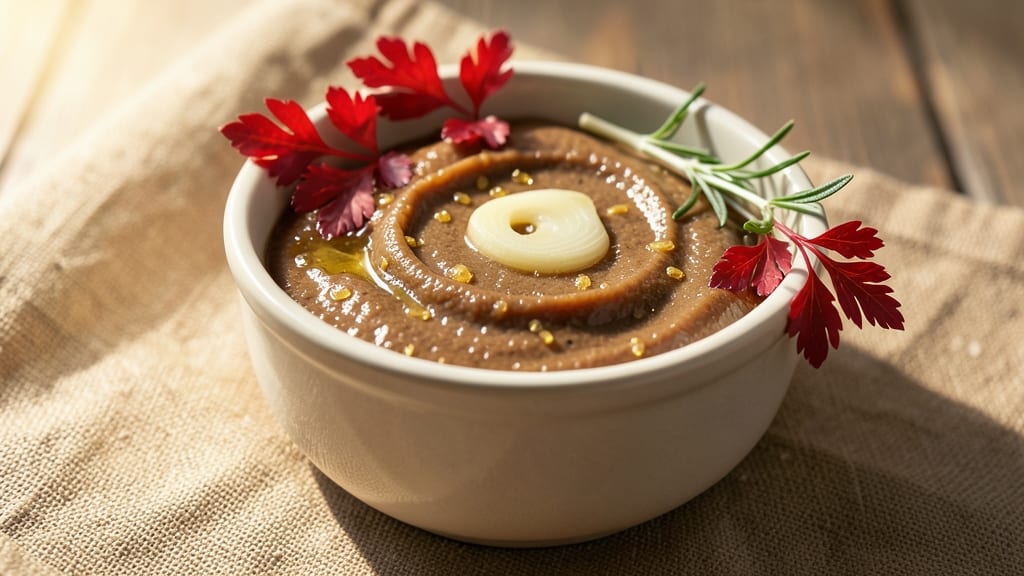
There’s nothing quite like the joy of cooking this rich chicken liver pâté recipe—where humble ingredients melt into a velvety masterpiece fit for a chef’s secret. The key lies in precise preparation—rendering the livers gently, blending them with rich fat, and chilling until perfectly set.
Growing up in small-town Georgia, I learned that offal dishes like this were once everyday staples, not just for special occasions.
This recipe delivers a smooth, silky texture without the traditional mess, using a modern twist on classic pâté techniques. You’ll work with fresh chicken livers, butter, and aromatic herbs, all combined in a way that ensures every bite is rich yet balanced.
The secret? Chilling the mixture just long enough to firm up without losing that luxurious mouthfeel—no buttering fingers or sticky pans required.
What you’ll end up with is a pâté that’s deeply savory with just a hint of herbal brightness, perfect for serving on crusty bread or with pickled vegetables. The process is methodical but not complicated, and the results are worth every step.
Whether you’re hosting a dinner party or treating yourself to an elegant appetizer, this recipe delivers professional-quality pâté at home.
Pair it with a crisp white wine or a dry sparkling beverage to complement the richness, and serve with toasted baguette slices. The leftovers keep beautifully in the fridge for up to a week, making this a versatile dish for any occasion. Let’s get started on creating something truly special.
Ingredients for joy of cooking chicken liver pate
Humble ingredients transform into velvety perfection—this pâté delivers restaurant-quality richness at home.
| Ingredient | Amount | Notes |
|---|---|---|
| Fresh Chicken Livers 🍗 | 1 ½ lb | Trimmed of connective tissue |
| Unsalted Butter 🧈 | 1 cup | Cold, cubed for rendering |
| Shallots 🧅 | 4 whole | Finely minced, about 0.25 cup |
| Fresh Parsley 🌿 | ½ cup | Stems removed, loosely packed |
| Fresh Tarragon 🌿 | ¼ cup | Chopped, stems removed |
| Garlic Cloves 🧄 | 3 cloves | Peeled, finely minced |
| Diamond Crystal Kosher Salt 🧂 | ¾ tsp | Adjust to taste |
| Freshly Ground Black Pepper 🌶️ | ½ tsp | Coarsely cracked |
| Dry White Wine 🍷 | ½ cup | Sauvignon Blanc preferred |
| Heavy Cream 🥛 | ¼ cup | Full-fat for richness |
| Cold Water 💧 | ½ cup | For blending texture |
| Extra-Virgin Olive Oil 🫒 | 2 tbsp | For finishing drizzle |
The chicken livers are the heart of this dish, so source them from a trusted butcher—look for vibrant, deep red pieces without bruising. Whole Foods Market or local farms often carry the freshest cuts, but even standard grocery stores stock them. Trim any visible connective tissue or white fat before cooking, as these can make the pâté grainy. For optimal texture, pat the livers dry with paper towels before rendering, which ensures a smoother blend later. If you're nervous about handling offal, don’t be—this recipe forgives minor imperfections, but precision in preparation elevates the final result.
No shallots? Substitute finely minced red onion, though it’ll add a slightly sharper bite. Tarragon is non-negotiable for that classic pâté brightness, but if you can’t find it, dried tarragon at half the amount works in a pinch (though fresh is ideal). The white wine should be dry—Sauvignon Blanc or Pinot Grigio are perfect choices. For a non-alcoholic version, use an equal amount of chicken stock reduced by half. The heavy cream is crucial for that luxurious mouthfeel, but if you’re avoiding dairy, full-fat coconut cream mimics the richness surprisingly well. Always measure your butter cold—softened butter will melt into the livers during rendering, altering the texture.
This pâté develops deeper flavor with time, so let it rest at room temperature for 30 minutes before serving to allow the aromas to meld. Store any leftovers in an airtight container lined with plastic wrap pressed directly against the surface to prevent a skin from forming. Keeps for 5-7 days in the refrigerator—though it’s likely to disappear before then. For longer storage, portion into small containers and freeze for up to 3 months. When reheating, warm gently in a water bath to preserve that silky texture, never microwave directly. Serve chilled or at room temperature for the best experience.
Why You'll Love This Recipe
- No-Fuss Ingredient List: Honestly, you’ll laugh at how few things you need—just livers, butter, shallots, and fresh herbs. That’s it. No fancy pantry items, no last-minute grocery runs. I keep a bag of livers in the freezer just for this, and the rest? Probably already in your fridge.
- Rich, Earthy Depth: The butter and tarragon create this velvety texture that’s dangerously good—like a hug in your mouth. Shallots add a sweetness that balances the liver’s ironiness, and the parsley? It’s the little bright note that makes you want to eat it straight from the bowl.
- Weeknight Hero: Between us, this is my go-to when I’m too tired to cook but still want something impressive. Spread it on crusty bread with a glass of wine, or slather it on crackers while watching a movie. It’s the kind of dish that feels special but takes zero effort.
- Budget-Friendly Luxury: You’re getting restaurant-quality flavor for a fraction of the cost. Chicken livers are cheap, and a single batch stretches across multiple meals—think toast, tacos, or even stuffed into mushrooms. Not the prettiest, but the taste makes up for it every time.
Step-by-step instructions for chicken liver pâté
Transforming rich chicken livers into velvety pâté requires precision—here's the method that delivers silky texture every time.
Prepare and Render the Chicken Livers
Begin by trimming any connective tissue from the 1.5 lb fresh chicken livers and pat them completely dry with paper towels. This step is crucial—any moisture will prevent proper rendering and create a watery pâté. In a cold skillet, melt ½ cup of the unsalted butter over medium-low heat until it begins to foam but not brown.
Add the chicken livers in a single layer and cook undisturbed for 3-4 minutes until they develop a golden crust on the bottom. Flip carefully and cook another 3-4 minutes. Remove the livers to a plate and set aside. In the same skillet, increase heat to medium and add the remaining ½ cup unsalted butter. Let it render completely, scraping up any browned bits—they're packed with flavor. Pour this rendered butter into a bowl and set aside to cool slightly.
Sauté Aromatics and Deglaze
In the same skillet, reduce heat to medium and add 2 tbsp extra-virgin olive oil. Add the 4 whole shallots that have been finely minced and cook for 3-4 minutes until translucent. Add the 3 cloves garlic cloves that have been finely minced and cook for 30 seconds until fragrant. Immediately pour in the ½ cup dry white wine and scrape up all the browned bits from the bottom of the pan. Let the wine reduce by half, about 2 minutes.
Add the 0.5 cup fresh parsley and 0.25 cup fresh tarragon that have been chopped. Stir for 1 minute to infuse the herbs' flavors. Remove from heat and let cool for 5 minutes. This aromatic base forms the flavor foundation of your pâté.
Blend to Silky Perfection
Transfer the cooked chicken livers, rendered butter, and aromatic mixture to a food processor. Add the 0.5 cup cold water and process until completely smooth, scraping down the sides as needed. This step requires patience—you're creating the velvety texture that makes pâté special. Add the 0.25 cup heavy cream and process for another 30 seconds until fully incorporated.
With the food processor running, slowly drizzle in the remaining ½ cup rendered butter through the feed tube. This technique emulsifies the fat perfectly, creating that luxurious mouthfeel. Season with 0.75 tsp diamond crystal kosher salt and 0.5 tsp freshly ground black pepper. Taste and adjust seasoning—you want the salt to be prominent but balanced with the richness.
Finish and Serve
Transfer the pâté to a serving bowl or ramekins. For a polished presentation, smooth the top with a spatula. Let it come to room temperature before serving—this allows the flavors to meld completely. The pâté should be smooth as silk with a rich, velvety texture that melts on the tongue.
Serve with toasted baguette slices or crusty bread. For an elegant touch, drizzle with additional extra-virgin olive oil just before serving. The pâté keeps well in the refrigerator for up to 5 days, making it perfect for entertaining. When reheating, warm gently in a water bath to maintain its silky texture.
Pro Tips For Making Joy Of Cooking Chicken Liver Pate
- Sear Livers Over High Heat: Chicken livers go from bland to brilliant when they hit a screaming-hot pan—no exceptions. I used to low-and-slow it, and the result was gray, rubbery, and sad. Now I sear them 2-3 minutes per side until deeply browned, then finish gently. That crust locks in flavor and keeps them from drying out later.
- Trim Fat, Not Flavor: The fat on chicken livers isn’t just waste—it’s where the richness lives. Trim excess fat (leave a thin layer), but don’t go scalpel-clean. I learned this after making a batch with bone-dry livers that tasted like they’d been through a sauna. A sharp knife and quick swipe over a bowl keeps the good stuff.
- Sweat Shallots Slow: Shallots for pâté need to melt into oblivion, not caramelize into sugar bombs. Cook them on low heat for 8-10 minutes until they’re translucent and smell like heaven. Rushing this step adds bitterness—trust me, your taste buds will notice. A splash of water or white wine helps dissolve them faster if needed.
- Blend While Warm: Cold livers in a food processor are a nightmare—lumpy, stubborn, and frustrating. Pulse them while still warm (but not hot) with the butter and herbs. The fat emulsifies better, and the texture becomes silky. I skip the ice bath step entirely; just let the mixture cool naturally in the bowl. Less cleanup, same result.
Essential equipment for perfect results
Food Processor Essentials
You’ll need a high-quality food processor—I swear by my Cuisinart DLC-2HC—to achieve that velvety texture. The blade must be sharp enough to puree chicken livers completely, so avoid dull blades that leave gritty bits.
If your processor lacks a feed tube, drizzle the butter through the top opening while running, but work in batches to prevent overfilling. For budget-friendly options, the Ninja BN601 handles pâté blending well, though it’s less powerful for larger batches. 💡
Precision Skillet
A heavy-bottomed stainless steel skillet—like my trusty All-Clad D5—is non-negotiable for rendering the livers and butter. The even heat distribution prevents burning while creating those flavorful browned bits. Avoid nonstick pans; they can’t handle the high heat needed for proper rendering.
For home cooks, a Lodge Pre-Seasoned Cast Iron works beautifully if well-maintained. Keep heat at medium-low to avoid cooking the livers too quickly, which can make the pâté bitter.
Thermometer for Control
An instant-read thermometer—I use the ThermoWorks ThermoPop—ensures your pâté reaches the perfect 160°F internal temperature before blending. This prevents overcooking the livers, which can turn them rubbery. For the butter, monitor the skillet temperature: it should foam but not brown.
If you’re new to pâté, this tool gives you confidence in timing and temperature, two critical factors for texture. 🌡️
Serving Tools
For plating, I recommend a small offset spatula (like the OXO Good Grips) to smooth the pâté into ramekins or bowls. A fine-mesh sieve helps strain any herbs if you prefer an ultra-smooth finish.
For serving, toasted baguette slices work best—use a serrated bread knife to cut clean, crisp slices. If you’re serving in individual portions, mini loaf pans or ramekins (like Le Creuset Stoneware) elevate the presentation beautifully.
Storage Containers
Store leftovers in glass airtight containers—I prefer Pyrex with snap-on lids—to maintain freshness. For longer storage, quart-sized freezer bags work well, but press out all air to prevent freezer burn. Label containers with the date; pâté tastes best within 5 days refrigerated or 3 months frozen.
When reheating, use a double boiler or water bath to preserve that silky texture—never microwave directly. ❄️
Nutrition facts
Frequently asked questions
Why does my chicken liver pâté turn out grainy?
Grainy texture usually means incomplete blending or overcooked livers. Always process the mixture until completely smooth in a food processor, scraping down the sides as needed. Also, ensure your livers are cooked to 160°F but not overcooked—they should be tender but still slightly pink in the center before blending.
Can I make this pâté ahead of time?
This pâté actually tastes better after resting for 24 hours in the refrigerator. The flavors meld more completely. Store it in an airtight container with plastic wrap pressed directly against the surface to prevent a skin from forming. It keeps well for up to 5 days refrigerated or 3 months frozen.
What's the best way to serve chicken liver pâté?
Traditionally, serve it chilled or at room temperature on toasted baguette slices or crusty bread. For a fancy touch, arrange it in ramekins and drizzle with extra-virgin olive oil. Pair with pickled vegetables, mustard, or a crisp white wine like Sauvignon Blanc to cut through the richness. It's also delicious stuffed into croissants or served with crackers.
Can I substitute chicken livers with another type of liver?
While chicken livers work best for this recipe, you can try duck or pork livers in a 1:1 ratio. However, duck livers will be richer and may need slightly less butter. Pork livers have a stronger flavor, so reduce the salt by 0.25 tsp. Avoid beef liver—it has a very different texture and flavor profile that won't blend as smoothly.
How do I fix pâté that's too rich?
If your pâté tastes overwhelmingly rich, balance it with a splash of lemon juice or a pinch of sugar to brighten the flavors. You can also add a small amount of chicken stock (1-2 tablespoons) to lighten the texture while maintaining richness. For serving, offer complementary elements like tart mustard or pickled onions to cut through the fat.