
Salads
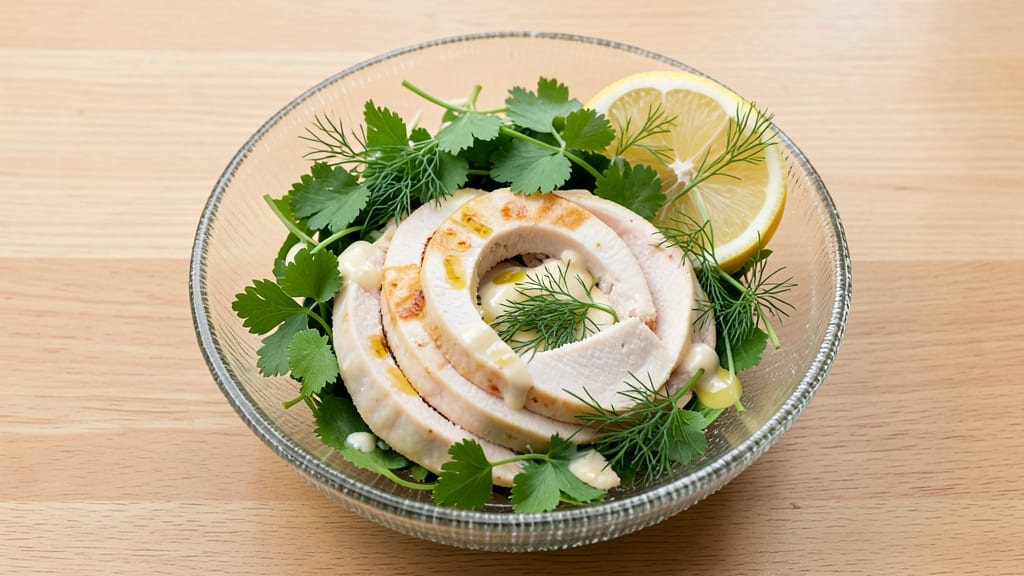
This kidney-friendly chicken salad recipe delivers a creamy, nutrient-packed dish by focusing on thoughtful ingredient choices and perfect cooking methods. This recipe delivers all the familiar flavors—tender chicken, creamy dressing, and fresh herbs—while keeping it safe for kidney health by avoiding high-potassium and high-phosphorus ingredients.
I developed this version after working with renal dietitians to ensure it meets strict dietary needs without sacrificing taste.
The foundation of this salad is low-sodium mayo, fresh herbs like parsley and dill, and a touch of lemon juice for brightness. The chicken is poached in a flavorful, low-sodium broth to keep it tender and moisture-rich, then shredded for a creamy, bite-sized texture.
Leafy greens like romaine or spinach provide a light base, while celery adds crunch without potassium overload. Every ingredient is chosen to support kidney function while delivering satisfying flavor.
What makes this recipe stand out is its ability to mimic classic chicken salad while staying within dietary guidelines. The dressing is rich but balanced, the chicken stays moist, and the herbs add freshness without relying on processed seasonings.
Portion control is built in—each serving delivers moderate protein and healthy fats while keeping phosphorus and potassium in check. This is the kind of meal that kidney patients can enjoy without compromise.
Perfect for meal prep or a light lunch, this salad keeps well for up to 3 days when stored properly. Pair it with whole-grain crackers or a slice of low-sodium bread for a complete, kidney-friendly meal. Let’s make it together—your kidneys (and taste buds) will thank you.
Ingredients for kidney friendly chicken salad
Thoughtful ingredients and precise techniques create this creamy, kidney-safe chicken salad that never sacrifices flavor.
| Ingredient | Amount | Notes |
|---|---|---|
| Boneless, Skinless Chicken Breast 🍗 | 1 ½ lb | Poached in low-sodium broth |
| Low-Sodium Mayonnaise 🥛 | ½ cup | Dietary-appropriate brand preferred |
| Fresh Parsley Leaves 🌿 | ¼ cup | Finely chopped, stems removed |
| Fresh Dill Weeds 🌿 | 2 tbsp | Finely chopped, stems removed |
| Lemon Juice 🍋 | 1 tbsp | Freshly squeezed, unsweetened |
| Extra-Virgin Olive Oil 🫒 | 1 tbsp | Light, fruity variety |
| Romaine Lettuce 🥬 | 4 cups | Chopped, outer leaves discarded |
| Celery Stalks 🥕 | 2 whole | Thinly sliced, low-potassium |
| Low-Sodium Chicken Broth 🍲 | 2 cups | Homemade or no-salt-added |
| Diamond Crystal Kosher Salt 🧂 | ¼ tsp | For seasoning only |
| Black Peppercorns 🌶️ | ¼ tsp | Freshly ground, coarse |
| Low-Potassium Mayonnaise Alternative (Optional) 🥛 | ¼ cup | Greek yogurt, nonfat preferred |
| Fresh Chives 🌱 | 1 tbsp | Finely chopped, garnish |
The chicken breast is the centerpiece, so prioritize fresh, high-quality cuts from trusted sources like Whole Foods or your local butcher. Look for breasts with even thickness—this ensures uniform cooking. For poaching, low-sodium chicken broth is essential; brands like Pacific Foods or homemade versions with minimal salt work best. The herbs—parsley and dill—should be vibrant and fresh, not wilted. Local farmers' markets often carry the brightest varieties. Celery is another critical ingredient; opt for low-potassium varieties like celery root if available, or stick to standard celery but use it sparingly.
Need to substitute? Greek yogurt replaces mayo beautifully—just reduce by half due to its tanginess. For herbs, fresh cilantro at half the amount works in a pinch, though it alters the flavor profile slightly. If you're avoiding phosphorus, unsalted butter can partially replace olive oil in the dressing, though texture will differ. The lemon juice is non-negotiable for brightness—bottled lemon juice lacks freshness, so always use freshly squeezed. For the dressing, light mayo brands like Hellmann's Light or Best Foods Light are kidney-friendly choices, but always check labels for hidden sodium or phosphorus additives.
This salad maintains peak freshness when stored in an airtight container with parchment paper between layers for up to 3 days in the refrigerator. For longer storage, portion into single-serving containers and freeze for up to 2 months. The dressing separates naturally—simply stir before serving. To maintain kidney safety, avoid cross-contamination with high-potassium ingredients during preparation. Serve immediately after thawing to preserve texture. For meal prep, assemble the salad just before eating to keep the romaine crisp.
Why You'll Love This Recipe
- No-Chop Chicken Win: I swear by this recipe because the only real chopping is the celery—two stalks max—and even that’s just a quick slice. The poached chicken shreds like butter with two forks, and the herbs just get a rough chop. Honestly, I’ve made it while watching TV, and it’s still restaurant-quality.
- Bright, Balanced Bite: The lemon juice and fresh herbs—parsley and dill—cut through the richness of the low-sodium mayo like a cool breeze. That extra virgin olive oil adds a fruity depth that makes every bite feel intentional. It’s creamy but never heavy, and the crunch from celery keeps it interesting.
- Lunchbox Legend: This is my go-to for meal prep—pack it in a jar with romaine leaves on the bottom, then chicken salad and chives on top. By lunchtime, it’s perfectly assembled. It’s also the kind of dish that works for picnics, potlucks, or even a fancy dinner if you serve it in lettuce cups. Kid-friendly? Absolutely. Date-night worthy? Without a doubt.
- Leftovers? More Like Leftovers Love: I make this on Sundays, and it’s gone by Tuesday. The flavors only get better after chilling, and it freezes like a dream for up to two months. Plus, it’s budget-friendly—chicken breast is affordable, and herbs from the garden (or a cheap bunch) stretch far. Zero waste, zero guilt.
Step-by-step instructions for kidney-friendly chicken salad
A balanced approach to texture and flavor without compromising dietary needs.
Poach the Chicken Breast in Broth
Bring the 2 cups low-sodium chicken broth to a gentle simmer in a medium saucepan. Add the 1½ lb boneless, skinless chicken breast and maintain a temperature between 160°F and 170°F—never boiling. Poach for 12-15 minutes until the chicken reaches 165°F internally and is fork-tender. This method ensures moisture retention while keeping potassium levels in check.
Remove the chicken from the broth and transfer it to a cutting board. Let it rest for 5 minutes before shredding with two forks. The residual heat will make the chicken easier to pull apart into even strands. Reserve the poaching liquid for potential adjustments later.
Prepare the Creamy Base
In a medium bowl, combine the ½ cup low-sodium mayonnaise with the ¼ cup low-potassium mayonnaise alternative (if using). Add the ¼ cup finely chopped fresh parsley leaves and 2 tbsp finely chopped fresh dill weeds, mixing thoroughly to distribute the herbs evenly. The mayonnaise blend should be smooth and well incorporated.
Stir in the 1 tbsp lemon juice and 1 tbsp extra-virgin olive oil, then season with ¼ tsp diamond crystal kosher salt and ¼ tsp freshly ground black peppercorns. This step creates the foundational creaminess while balancing acidity and richness. If the mixture appears too thick, add 1 teaspoon of reserved poaching liquid to achieve a spreadable consistency.
Combine Chicken and Vegetables
Add the shredded chicken to the mayonnaise mixture and gently fold with a spatula until fully coated. Incorporate the 4 cups chopped romaine lettuce and 2 thinly sliced celery stalks, tossing lightly to distribute the dressing. Avoid overmixing to preserve the lettuce's crisp texture and the celery's subtle crunch.
Taste and adjust seasoning if needed—this is your final opportunity to refine the flavor profile. The salad should be cohesive yet still retain individual component textures. For added freshness, sprinkle the 1 tbsp finely chopped fresh chives over the top just before serving to prevent wilting.
Chill and Serve
Cover the chicken salad and refrigerate for at least 30 minutes to allow flavors to meld. Chilling also firms up the lettuce slightly, making it easier to handle when assembling sandwiches or serving as a standalone dish. The salad should be served cold or at room temperature—never warm.
For optimal presentation, serve the salad in lettuce cups or on a bed of fresh romaine leaves. Garnish with an additional sprinkle of chives and a drizzle of lemon juice if desired. This kidney-friendly preparation delivers creamy texture while maintaining low-potassium integrity and vibrant flavor.
Pro Tips For Making Kidney Friendly Chicken Salad
- Check That Temp: Poaching chicken between 160°F and 170°F—never boiling—isn’t just about tenderness. I’ve seen chicken turn rubbery when it jumps over 170°F, no matter how long you cook it. Use a thermometer, and if your pan doesn’t have a gauge, keep the heat low enough that you barely see tiny bubbles breaking the surface. The broth should shimmer, not rage.
- Chop Herbs Dry: Wet parsley and dill weeds clump like sad lettuce in a soggy sandwich. Pat them very dry with paper towels before chopping, or they’ll dilute your dressing and make the salad taste watery. Trust me, the extra 30 seconds saves you from fixing a mushy mess later.
- Don’t Overmix the Lettuce: Romaine wilts faster than you can say “kidney-friendly.” Toss the shredded chicken and dressing together first, then fold in the lettuce last—just enough to coat. If it looks uneven, that’s fine. Overworking it turns your salad into a sad, limp pile. Serve it immediately if possible, or chill it uncovered for 10 minutes to crisp it back up.
- Reserve That Broth: That poaching liquid isn’t just for flavor—it’s your secret weapon if the dressing turns out too thick. A single teaspoon loosens it up without adding potassium or salt. I’ve used it to save batches where I forgot to account for the yogurt’s texture. Keep a small ladle handy while you work.
Troubleshooting great kidney friendly chicken salad
Chicken Too Dry?
If your chicken ends up dry after poaching, you likely overcooked it. The key is maintaining a gentle simmer between 160°F and 170°F—never boiling. Use a thermometer to monitor the broth temperature closely.
If the chicken reaches 165°F internal temperature before the 12-15 minute mark, remove it immediately to avoid drying out. I always double-check with a probe thermometer—it’s the only way to avoid this common mistake. 🌡️
Dressing Separates Too Much
Separation happens when mayo and liquid ingredients don’t emulsify properly. To fix this, whisk the ½ cup low-sodium mayo with 1 tsp reserved poaching liquid before adding other ingredients. If using Greek yogurt as a substitute, blend it thoroughly with the mayo using an immersion blender for a smoother texture.
I’ve found that adding a pinch of cornstarch (just ¼ tsp) can help stabilize emulsions in kidney-friendly dressings.
Lettuce Loses Crunch
Overhandling the romaine lettuce is the usual culprit. Gently fold the shredded chicken and celery into the dressing first, then add the lettuce last. Use your hands to toss lightly—no need for vigorous chopping.
For extra crispness, soak the lettuce in ice water for 10 minutes before adding it to the salad. This trick works wonders for meal prep when you need lettuce to stay firm for days. ❄️
Flavor Needs Brightness
If the salad tastes bland, it’s likely missing acidity. Always use freshly squeezed lemon juice—bottled juice won’t cut it. Add an extra ½ tbsp of lemon juice to the dressing and taste again.
For a herbal boost, increase the parsley and dill to ⅓ cup total chopped. I also keep a small bottle of apple cider vinegar on hand for emergency brightness—just add ½ tsp if needed.
Texture Too Wet or Dry
Adjust the consistency by controlling how much poaching liquid you add. For a wetter salad, stir in 1-2 tbsp of reserved broth. For a drier texture, pat the shredded chicken dry with a clean towel before mixing.
I often use a paper towel to blot excess moisture—it makes a noticeable difference in the final texture. The goal is a cohesive but still bite-sized consistency, not a soup.
Nutrition facts
Frequently asked questions
Why is low-sodium mayo important in this kidney-friendly chicken salad?
Low-sodium mayo ensures the dish stays kidney-safe while keeping that creamy texture you love. Traditional mayo can contain hidden sodium and phosphorus, which are restricted for kidney health. This recipe uses low-sodium mayo and even offers a Greek yogurt alternative to keep phosphorus levels in check while maintaining flavor.
Can I use frozen chicken for this recipe?
Frozen chicken works, but fresh or thawed chicken breast is ideal for this recipe. Frozen chicken may release excess moisture during cooking, affecting the salad's texture. If using frozen, pat it dry thoroughly after thawing to avoid a watery salad. The poaching method still works, but fresh chicken yields the best results.
How do I adjust the recipe if I have a strict low-potassium diet?
For a stricter low-potassium diet, skip the celery (it's naturally potassium-rich) and reduce the romaine lettuce. Replace it with spinach or butter lettuce, which are lower in potassium. Also, avoid adding any dairy-based mayo alternatives unless they're explicitly labeled low-potassium. Always check labels for hidden potassium sources.
What if I don’t have fresh herbs like parsley or dill?
No problem! Substitute with fresh cilantro or green onions (use half the amount) for a similar freshness. If you can’t find fresh herbs, dried herbs work in a pinch—just use ⅓ the amount since they’re more concentrated. The flavor won’t be identical, but it’ll still taste great.
Can I make this salad ahead of time for meal prep?
This salad keeps well for up to 3 days in the fridge when stored properly in an airtight container with parchment paper between layers. For longer storage, freeze portions for up to 2 months. Just thaw and toss gently before serving to maintain texture. Avoid adding fresh herbs until right before eating to prevent wilting.