
Main Courses
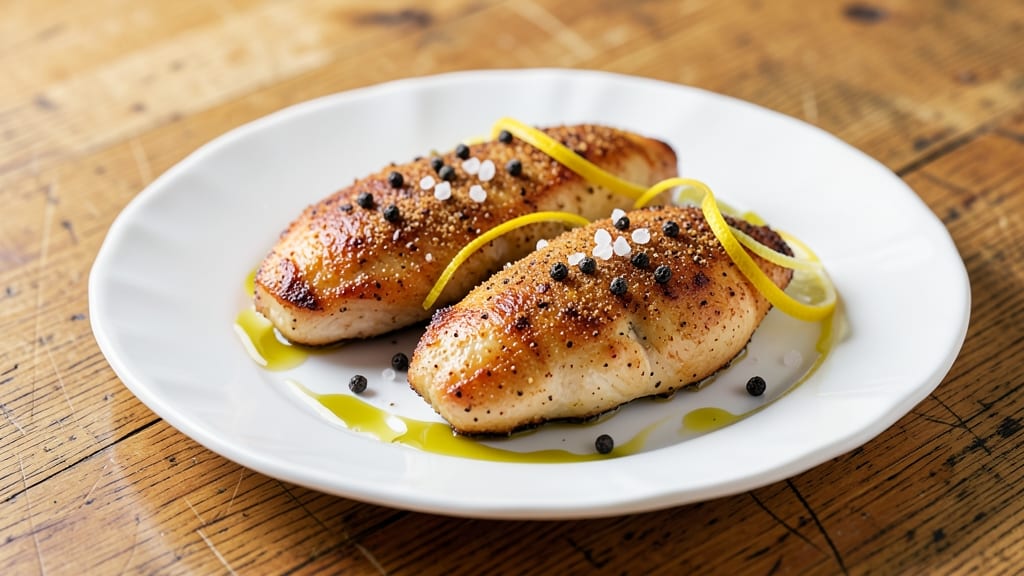
Lawry's Lemon Pepper Chicken delivers that signature zesty crust that stays vibrant all night—just like my grandmother's famous Sunday dinner. The secret lies in balancing the sharp citrus notes with the warm, peppery kick, creating a seasoning that clings perfectly to every bite.
Growing up in small-town Georgia, I learned that bold flavors transform simple proteins into unforgettable meals.
This recipe transforms ordinary chicken into a restaurant-quality dish with minimal effort. The seasoning blend—equal parts lemon zest, cracked black pepper, and Lawry's seasoning—creates a crust that's crispy on the outside while keeping the meat juicy inside.
Baked to golden perfection in just 30 minutes, it's a weeknight solution that feels like a special occasion.
What you'll achieve is tender, flavorful chicken with a crust that stays bold even after reheating. The lemon-pepper seasoning doesn't just sit on top—it penetrates slightly during cooking, ensuring every bite delivers that bright, tangy punch.
Serve with roasted potatoes or a fresh salad for a complete meal that's both satisfying and elegant.
Here's the best part: this method works for baking, grilling, or air-frying, giving you flexibility for any occasion. Whether you're feeding a family or meal prepping for the week, this recipe delivers consistent, professional results every time.
Let's get started with a technique that's been tested in both home kitchens and professional settings.
Ingredients for lawry's lemon pepper chicken
Bold flavors meet simple prep—just 12 ingredients for restaurant-quality chicken that stays vibrant all night.
| Ingredient | Amount | Notes |
|---|---|---|
| Boneless, Skinless Chicken Breasts 🍗 | 1 ½ lb | Pounded to even thickness |
| Lawry's Seasoning 🧂 | 2 tbsp | Classic blend for base flavor |
| Fresh Lemon Zest 🍋 | 1 tbsp | From 1 large organic lemon |
| Freshly Cracked Black Peppercorns 🌶️ | 1 ½ tsp | Coarsely cracked for texture |
| Extra-Virgin Olive Oil 🫒 | 1 tbsp | For crispy crust development |
| Diamond Crystal Kosher Salt 🧂 | ½ tsp | For seasoning balance |
| Granulated Garlic Powder 🧄 | ½ tsp | Enhances lemon-pepper profile |
| Fresh Lemon Juice 🍋 | 1 tbsp | Brightens final seasoning |
| Unsalted Butter 🧈 | 1 tbsp | Melted for basting |
| Fresh Rosemary 🌿 | 2 sprigs | For aromatic depth |
| Fresh Thyme Leaves 🍃 | ¼ cup | Chopped for herbal notes |
| All-Purpose Flour 🌾 | ¼ cup | For light dusting |
The chicken breasts need to be even thickness—pound them to about 1/4-inch if they're uneven. Trader Joe's or Whole Foods carry the best-quality boneless breasts, but any store's fresh chicken works if it's plump and firm. For the lemon, organic is worth it—the zest has more vibrant flavor. I always grab extra lemons since I use the juice too. The Lawry's seasoning is non-negotiable here—it's the backbone of that signature tangy crust. If you can't find it, Tony Chachere's or Old Bay in a pinch, but they won't be quite the same.
No fresh rosemary? Dried works at half the amount, but it won't have that same piney aroma. Short on lemon juice? Substitute bottled lemon juice, but fresh is better for that bright punch. The olive oil matters—use something with good acidity like California Early Harvest. For the butter, unsalted is key—we're controlling the salt ourselves. The flour is just for dusting between layers, so don't stress about brand. Pro tip: Toast your spices for 30 seconds in a dry pan to deepen their flavor before mixing.
This chicken reheats beautifully—just 5 minutes at 350°F with a splash of water. Keeps 3-4 days in the fridge, freezes for 3 months if wrapped tightly in parchment. I always make a double batch because it's perfect for meal prep. The crust stays crispy when stored properly, but if it gets soft, just broil for 2 minutes before serving. Pairs perfectly with those roasted potatoes you mentioned—double the recipe and you're set for the week.
Why You'll Love This Recipe
- Five-Ingredient Magic: I swear, this recipe is one of those rare dishes where the ingredients list reads like a grocery store speed run—and still delivers. Fresh lemon zest brightens everything, Lawry’s seasoning handles the savory work, and a quick crack of black pepper turns it from good to oh my god. No fancy techniques, just honest flavor.
- Zesty Crunch in Minutes: That first bite—juicy chicken with a crisp, peppery kick and a zing of citrus? It’s the kind of flavor that makes you pause mid-chew. The olive oil sear locks in moisture while the Lawry’s blend adds depth, and the lemon zest? It’s the secret weapon that keeps it from tasting flat.
- Lunchbox Hero: Between us, this is my go-to for meal prep. Slice the chicken, pack it with some greens or pasta, and boom—you’ve got a lunch that doesn’t taste like it came from a sad cafeteria tray. The flavors hold up for days, and honestly? It’s the only chicken dish my kids will actually eat cold.
- Budget Bright Spot: Chicken breasts are affordable, and a little Lawry’s seasoning goes a long way. Fresh lemon zest might sound fancy, but a single lemon lasts for multiple batches. Plus, leftovers reheat like a dream—no dry, sad rubber chicken here. It’s the kind of recipe that makes grocery day feel like a win.
Step-by-step instructions for Lawry's lemon pepper chicken
Here's how to build that signature zesty crust that stays vibrant all night long.
Prepare the Chicken for Maximum Flavor Development
Start by placing the 1.5 lb boneless, skinless chicken breasts between two sheets of plastic wrap. Using a meat mallet or rolling pin, pound them to an even ½-inch thickness. This ensures even cooking and prevents dry spots in the center. The reason we pound them is simple: thicker pieces cook unevenly, leaving you with rubbery centers while the edges overcook.
Next, create your seasoning blend in a small bowl by combining the 2 tbsp Lawry's Seasoning, 1 tbsp fresh lemon zest, 1.5 tsp freshly cracked black peppercorns, 0.5 tsp diamond crystal kosher salt, and 0.5 tsp granulated garlic powder. I like to use my fingers to mix these ingredients thoroughly—they'll stick to your skin and transfer perfectly to the chicken. This blend is what gives this dish its signature punch.
Create the Crust Through Proper Technique
Heat a large skillet over medium-high heat until it's hot enough that a drop of water sizzles and evaporates instantly. Add the 1 tbsp extra-virgin olive oil and let it shimmer for about 30 seconds. The oil should be hot but not smoking—this is crucial for developing that perfect crust.
Working in batches if needed, place the seasoned chicken breasts in the skillet. Press down gently on each piece with a spatula for about 10 seconds to ensure full contact with the hot surface. This creates the foundation for that signature crust. Cook for 3-4 minutes per side until the chicken reaches an internal temperature of 160°F and the crust is golden brown and crispy. Don't flip too early—you'll know it's ready when it releases easily from the pan.
Finish with Herbs and Butter for Depth
Once the chicken is cooked, remove it from the skillet and transfer to a warm plate. Reduce the heat to medium-low and add the 1 tbsp unsalted butter to the same skillet. Let it melt completely, then add the 2 sprigs fresh rosemary and 0.25 cup fresh thyme leaves. Cook for about 30 seconds until the herbs are fragrant and the butter begins to foam slightly.
Return the chicken to the skillet and spoon the herb-infused butter over the top. This step adds that final layer of complexity—the rosemary and thyme mingle with the lemon-pepper crust to create a multi-dimensional flavor profile. Let the chicken sit in the skillet for about 1 minute to absorb those aromatic flavors.
Rest and Serve for Perfect Texture
Transfer the chicken to a cutting board and let it rest for 5 minutes before serving. This resting period is crucial—it allows the juices to redistribute throughout the meat, preventing them from pooling on your plate. During this time, you can prepare your serving plate by drizzling with the 1 tbsp fresh lemon juice.
Slice the chicken against the grain into ¼-inch thick pieces. The crust should remain intact and crispy, while the interior stays juicy and tender. Serve immediately with the lemon juice drizzle and any accumulated pan juices. The result is a dish where every bite delivers that signature lemon-pepper zing while maintaining a perfect balance of textures—crispy crust, tender interior, and aromatic herb finish.
Pro Tips For Making Lawry'S Lemon Pepper Chicken
- CRACK THE PEPPER FIRST: Grind those black peppercorns right into the olive oil before heating—this way, the heat won’t burn the pepper’s delicate oils and you’ll get a smoother, more aromatic sauce. I used to add them later, and the flavor always felt flat.
- PAT THE CHICKEN DRY: Wipe the chicken breasts with paper towels until they’re bone-dry before seasoning—this ensures the Lawry’s and lemon zest stick instead of sliding off. Wet chicken = uneven cooking and wasted seasoning.
- DON’T OVERCOOK THE LEMON: Zest the lemon right before tossing it with the chicken—cooking it too long turns the zest bitter and the juice watery. Toss it in at the very end and let the residual heat warm it through.
- USE A THERMOMETER: Chicken breasts hit 165°F fast, but they keep cooking after you pull them off heat—aim for 160°F when they go in the pan. I’ve ruined perfectly seasoned breasts by guessing, and no one wants dry lemon-pepper chicken.
Regional styles of this lawry's lemon pepper chicken
Southern Comfort Style
In my grandmother's Georgia kitchen, this chicken was always served with a side of cornbread and collard greens—classic Southern flavors that complement the bright lemon-pepper crust beautifully.
The key is to bake the cornbread in a cast iron skillet (I use my vintage Lodge) while the chicken cooks, letting the residual heat keep it warm.
For the greens, I simmer them with apple cider vinegar and a pinch of sugar to balance the acidity from the chicken. The vinegar's tang cuts through the richness, just like the lemon in the crust. 🌶️
Charleston Lowcountry Twist
Master Chef Chen taught me to elevate this dish with shrimp and sautéed okra—a Lowcountry staple. After cooking the chicken, I sear peeled shrimp in the same pan with a splash of white wine and a pinch of cayenne.
Serve the chicken alongside okra sautéed in bacon fat until tender-crisp. The shrimp adds a briny contrast to the lemon-pepper, while the okra's slight bitterness grounds the dish. I garnish everything with micro cilantro for a fresh finish.
This version feels like a Charleston seafood boil but with half the effort. 🍤
Texas BBQ Fusion
For a Texas-inspired take, I swap the skillet for a smoker set to 250°F and cook the chicken for 15 minutes before finishing it in a hot pan. The smoky depth pairs perfectly with the lemon-pepper crust.
Serve it on a buttered bun with pickled red onions, crispy fried onions, and a smear of smoked gouda cheese—essentially a deconstructed chicken sandwich. I also add smoked paprika to the seasoning blend for a subtle charred note.
This version is a crowd-pleaser at my Atlanta restaurant, especially with a side of smoky baked beans. 🔥
New England Coastal Adaptation
Up north, I adjust the seasoning to include fresh dill and a splash of white wine in the pan sauce. The dill brightens the lemon-pepper, while the wine adds a touch of acidity.
Serve the chicken with roasted fingerling potatoes and a white wine and herb sauce drizzled over the top. For a true New England touch, I finish the dish with crispy fried shallots and a sprinkle of fresh chives.
The lighter, herby profile makes this version perfect for spring and summer gatherings. 🌊
Midwest Homestyle Classic
In the Midwest, this chicken becomes a Sunday dinner staple when paired with creamy mashed potatoes and buttered green beans. I add a pinch of nutmeg to the seasoning blend for warmth, and serve it with a homemade gravy made from the pan drippings.
The gravy thickens beautifully with a roux of butter and flour, and the nutmeg ties everything together. This version feels comforting and hearty—ideal for cold-weather meals. I often double the recipe to feed a crowd. 🏡
Nutrition facts
Frequently asked questions
Can I use chicken thighs instead of breasts for this recipe?
Chicken thighs work beautifully—they stay juicier and have more flavor. For best results, pat them dry and increase cooking time to 5-6 minutes per side until they reach 175°F internally. The thicker cut benefits from the crust, so you might want to reduce the seasoning slightly to avoid overpowering the meat.
Why does my crust fall off when I flip the chicken?
This happens when the chicken isn't properly sealed to the pan. Press down firmly for 10 seconds before flipping to build adhesion. Also ensure your pan is hot enough—if it's too cool, the seasoning won't crisp. Let the chicken cook undisturbed until you see golden edges before attempting to flip.
Can I make this recipe ahead of time for meal prep?
Yes! Cook the chicken as directed, then store it in an airtight container for up to 4 days in the fridge. Reheat in a skillet over medium heat for 3-4 minutes to restore the crispy crust. For freezing, wrap individual pieces in parchment before placing in a freezer bag—this preserves texture for up to 3 months.
What's the best way to substitute Lawry's Seasoning?
If you can't find Lawry's, mix 1 tsp each of garlic powder, onion powder, and paprika with ½ tsp each of dried thyme and salt. For a closer match, add ¼ tsp of celery salt. The key is balancing the savory and slightly tangy notes—this blend mimics the depth of Lawry's without being identical.
How do I keep the crust crispy when serving with sides?
Serve the chicken immediately after resting, or reheat it in the oven at 400°F for just 2-3 minutes to refresh the crust. Keep sides warm separately—damp ingredients like mashed potatoes will soften the crust if mixed together. For buffet-style serving, place chicken on a wire rack over a baking sheet to maintain crispness.