
Main Courses
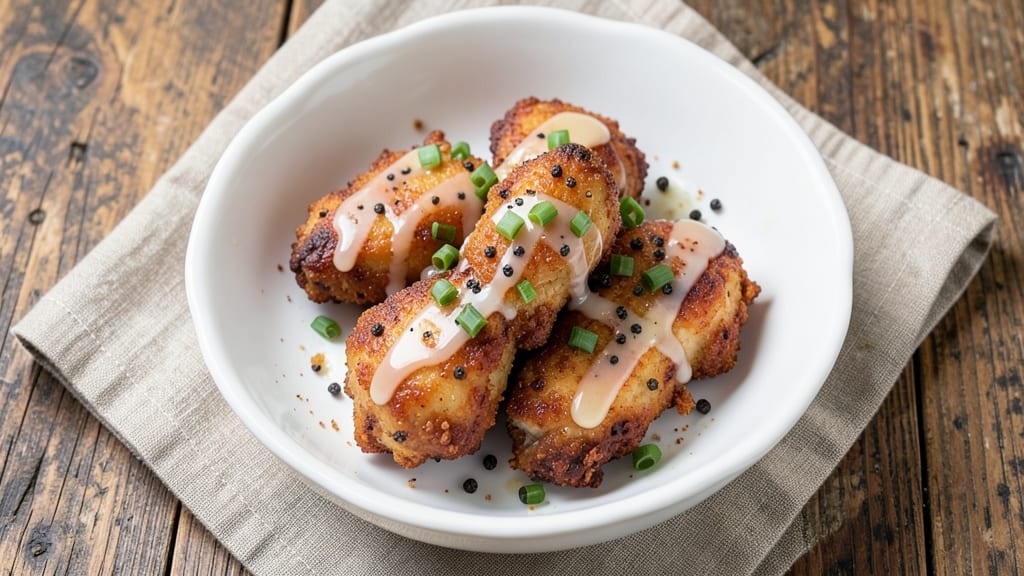
Maryland chicken recipe brings the bold flavors of the Chesapeake region to your table with its signature crispy celery-seasoned batter and tangy cream sauce. 🌟 Growing up near Boston, I first tasted this dish at a seafood boardwalk, where the golden, crunchy bites paired perfectly with that bright, vinegar-kissed sauce.
The secret lies in the celery and spices that create that signature crunch, while the sauce balances sweet, tangy, and creamy notes.
This dish transforms simple ingredients into something extraordinary—crispy on the outside, tender inside, and coated in a sauce that's both comforting and refreshing.
The recipe delivers restaurant-quality results with just a few key techniques: proper batter consistency and careful frying for that perfect crunch, followed by a sauce that's equal parts sweet, tangy, and velvety. It's the kind of meal that feels special without being complicated.
What makes Maryland chicken truly special is how it brings people together—whether it's a family gathering or a casual get-together with friends. The crispy bites are perfect for sharing, and the sauce adds that signature tang that keeps everyone coming back for more.
Serve it with classic sides like mashed potatoes or coleslaw for a complete meal that feels like a homecoming.
The beauty of this recipe is its versatility—it works as a main dish for dinner or even as a hearty appetizer when served with toothpicks. The crispy texture and balanced flavors make it a crowd-pleaser, and the sauce can be adjusted to suit your taste.
Let's get started on creating this classic dish that's as much about tradition as it is about taste.
Ingredients for maryland chicken
Celery, crispy batter, and tangy sauce—just 14 ingredients for Maryland-style chicken that tastes like a seaside boardwalk.
| Ingredient | Amount | Notes |
|---|---|---|
| Boneless, Skinless Chicken Breasts 🍗 | 1 ½ lb | Pounded to even thickness |
| All-Purpose Flour 🌾 | 1 ½ cups | For crispy batter consistency |
| Celery Stems 🥬 | 1 cup | Finely chopped (the secret crunch) |
| Large Eggs 🥚 | 2 whole | Beaten lightly for coating |
| Buttermilk 🥛 | 1 cup | Full-fat for richness |
| Baking Powder 🍞 | 1 tsp | For extra crispiness |
| Salt 🧂 | 1 ½ tsp | Kosher salt preferred |
| Ground Black Pepper 🌶️ | ½ tsp | Freshly ground |
| Vegetable Oil 🫒 | 3 cups | For frying (peanut oil works too) |
| Heavy Cream 🥛 | 1 cup | Full-fat for velvety sauce |
| White Vinegar 🍶 | ¼ cup | For tangy balance |
| Granulated Sugar 🍚 | 2 tbsp | For sauce sweetness |
| Fresh Parsley 🌿 | ¼ cup | Chopped for garnish |
| Lemon Wedges 🍋 | 2 whole | For serving |
Celery is non-negotiable here—it's what gives Maryland chicken its signature crunch. Look for fresh, crisp stalks with vibrant green tops at the grocery store's produce section. Whole Foods or Wegmans usually carry the freshest celery, but any well-stocked supermarket will do. If you can't find celery, fennel bulb works as a substitute, but it has a slightly different flavor. For the chicken, boneless, skinless breasts are best—they cook evenly and stay tender. Pound them to an even thickness (about ¼-inch) for consistent crispiness. The buttermilk should be full-fat for that classic rich flavor, and Trader Joe's sells it pre-made if you're short on time.
No buttermilk? Mix 1 cup milk with 1 tbsp vinegar and let it sit for 5 minutes. Fresh parsley is ideal for garnish, but dried parsley at one-third the amount works in a pinch. The vegetable oil can be swapped for peanut oil if you prefer, as it has a higher smoke point for frying. For the sauce, heavy cream is essential—light cream won't give the same velvety texture. If you're watching calories, half-and-half works but loses some richness. The sugar in the sauce balances the tang, so don't skip it—it's what makes the sauce sing. For extra tang, add a splash more vinegar to taste.
This recipe reheats beautifully—just pop the chicken in a 350°F oven for 10-15 minutes until warmed through. The sauce can be made ahead and reheated gently on the stove, adding a splash of milk or cream if it thickens too much. Store leftovers in the fridge for up to 3 days, but the chicken loses some crispiness after the first day. For serving, keep the lemon wedges on the table—they brighten every bite. The celery batter mixture can be prepped 1 day ahead and stored in the fridge, saving you time on cooking day. Just let it come to room temperature before dredging the chicken.
Why You'll Love This Recipe
- Pantry Staples Only: I swear by this recipe because it uses things I already have—flour, buttermilk, eggs—no specialty ingredients. Honestly, the celery adds that fresh crunch without requiring a whole veggie haul.
- Crispy-Creamy Magic: That buttermilk brine makes the chicken tender, while the flour coating gives it a golden, shatteringly crisp crust. Between us, it’s the kind of texture that disappears faster than you can say “second helping.”
- Game for Any Meal: I serve it for weeknight dinners, potlucks, or even a lazy Sunday brunch—just swap the sides. My kids eat it cold in sandwiches, and my husband requests it after a long workweek. (Yes, even on a Tuesday night.)
- Leftovers That Don’t Suck: Unlike other fried chicken, this stays juicy for days. I reheat slices in a skillet with a splash of buttermilk, and it’s just as good as day one. Budget-friendly? Absolutely. Waste-free? Even better.
Step-by-step instructions for Maryland-style chicken
Here's the method that delivers that iconic Maryland crunch and velvety sauce every time.
🍳 Step 1: Prepare the Celery Coating
Finely chop the 1 cup celery stems into tiny pieces—think rice-sized bits. This is your secret weapon for that signature Maryland crunch. In a bowl, combine the chopped celery with the 1.5 cups all-purpose flour, 1.5 tsp salt, 0.5 tsp ground black pepper, and 1 tsp baking powder. Mix thoroughly until the celery is evenly distributed throughout the flour.
This dry mixture is what gives Maryland chicken its distinctive texture. The celery adds a subtle crunch that stays crisp even after frying. I like to use a food processor for this step—it gives you perfectly uniform pieces every time. Spread the mixture on a plate for easy dredging later.
🍳 Step 2: Create the Buttermilk Coating
In a separate shallow bowl, whisk together the 2 whole large eggs and 1 cup buttermilk until fully combined. This is your wet coating that will create that golden crust. The buttermilk adds richness and helps create that perfect balance between crispy and tender.
Here's the thing—don't skip the buttermilk. Regular milk won't give you the same tangy flavor and texture. The eggs help bind the coating to the chicken while the buttermilk adds that signature Maryland tang. Let this mixture sit for 5 minutes while you prepare the chicken—it gives the buttermilk time to fully penetrate the eggs.
🔥 Step 3: Fry the Chicken to Golden Perfection
Heat 3 cups vegetable oil in a deep skillet or Dutch oven to 350°F. You'll want about 2-3 inches of oil—enough to fully submerge the chicken pieces. Use a thermometer to monitor the temperature carefully—it should stay steady at 350°F throughout cooking.
Working in batches to avoid overcrowding, dredge each piece of the 1.5 lb boneless, skinless chicken breasts (pounded to even thickness) first in the flour mixture, then in the buttermilk mixture, and finally back in the flour mixture. Press the coating firmly against the chicken so it adheres well. Fry for 4-5 minutes per side until golden brown and cooked through to 165°F internally.
Don't rush this step. The chicken needs time to develop that crispy exterior while staying juicy inside. If you see the oil smoking excessively, reduce the heat slightly—you want a steady simmer, not a boil. Transfer fried chicken to a paper towel-lined plate to drain excess oil.
🥘 Step 4: Make the Tangy Cream Sauce
In the same skillet (don't wipe it clean—those browned bits are flavor gold), reduce heat to medium-low. Add the 1 cup heavy cream and 0.25 cup white vinegar, scraping up all the crispy chicken bits from the bottom. Bring to a gentle simmer and let cook for 3-4 minutes until slightly thickened.
Stir in the 2 tbsp granulated sugar and taste. You want a balance of tangy, sweet, and creamy. If it's too thick, add 1-2 tablespoons hot water to reach your desired consistency. This sauce should coat the back of a spoon but still be pourable. Keep it warm while you prepare the final presentation.
🍽️ Step 5: Assemble and Serve
Return the fried chicken to the skillet with the sauce and toss gently to coat. The residual heat will help the sauce cling to the crispy chicken. Transfer to a serving platter and garnish with 0.25 cup chopped fresh parsley. Serve immediately with the 2 whole lemon wedges on the side.
Each piece should have that perfect balance: a crispy, celery-infused exterior that gives way to tender, juicy chicken inside. The sauce should be thick enough to coat the chicken but still flow slightly when poured. The lemon wedges add that final bright note that cuts through the richness.
Pro Tips For Making Maryland Chicken
- Pound Chicken Thin: Maryland chicken needs a uniform coat of buttermilk and flour to crisp properly. Use a rolling pin or meat mallet to flatten breasts to ¼-inch thickness—this ensures even cooking and prevents dry spots in the center. I learned this the hard way when my first batch came out chewy in the middle.
- Soak Celery Right: Fresh celery holds moisture like a sponge, which dilutes the breading. Slice stems thin (⅛-inch) and soak in cold water for 10 minutes before draining. This keeps the flour mixture from turning into glue and guarantees a crispy crust.
- Don’t Rush the Dredge: Shake off excess flour after the first coat—packed-on flour turns the breading into a soggy mess. Tap the chicken gently against the rim of the bowl to dislodge clumps, then dip again in buttermilk. This two-step method is the thing that matters most for that perfect crunch.
- Fry in Batches: Overcrowding the pan drops the oil temperature, leading to greasy, unevenly cooked chicken. Work in single layers with enough space between pieces—about 2 inches apart. A thermometer reading of 350°F (not eyeballing) ensures a golden crust without burning.
Best sauces and condiments for this recipe
Classic Tangy Cream Sauce
The signature Maryland sauce balances sweet, tangy, and creamy notes perfectly. Simmer 1 cup heavy cream with ¼ cup white vinegar and 2 tbsp sugar in the same skillet used for frying—those crispy bits add depth.
I like to use Apple Cider Vinegar for extra complexity. The sauce should coat the back of a spoon but remain pourable. 🍶
Spicy Kick Option
For heat lovers, add ½ tsp cayenne pepper or 1 tbsp hot sauce to the sauce. I recommend Tabasco for its clean, vinegary heat. Start with ½ tsp and adjust to taste—Maryland chicken already has bold flavors, so spice should complement, not overpower. 🌶️
Honey-Glazed Variation
Swap the sugar for 2 tbsp honey and reduce the vinegar to 2 tbsp for a sweeter, glossier sauce. This works beautifully with the crispy celery coating. I use local clover honey from my neighborhood market—it adds subtle floral notes that pair perfectly with the chicken. 🍯
Herb-Infused Sauce
Add 1 tbsp chopped fresh thyme or rosemary to the simmering sauce for an aromatic twist. These herbs complement the celery and chicken beautifully. For extra freshness, finish with 1 tbsp chopped chives before serving. This variation feels more sophisticated while keeping the dish approachable. 🌿
Dairy-Free Adaptation
For a dairy-free version, replace the heavy cream with 1 cup coconut milk and add 1 tbsp cornstarch to thicken. The sauce will be lighter but still tangy.
I've tested this with Full Thick coconut milk for the best texture. The celery coating remains the same, ensuring that signature crunch. 🥥
Make-Ahead Sauce Tip
Prepare the sauce up to 3 days ahead and store it in an airtight container in the fridge. Reheat gently over low heat with a splash of milk or water to restore creaminess. I always make extra sauce—it's perfect for drizzling over mashed potatoes or coleslaw as a side. 💡
Nutrition facts
Frequently asked questions
What makes Maryland chicken different from regular fried chicken?
The celery in the batter gives Maryland chicken its signature crunch, while the tangy cream sauce sets it apart from traditional fried chicken. The sauce balances sweet, tangy, and creamy flavors that create that iconic Maryland taste.
Can I use chicken thighs instead of breasts?
Yes, but pound them extra thin to ¼-inch thickness for even cooking. Thighs stay juicier but may need 3-4 minutes per side at 350°F. The celery coating works perfectly—just reduce frying time slightly to avoid overcooking.
How do I keep the celery coating crispy?
Fry at 350°F with oil 2-3 inches deep—never overcrowd the pan. Keep chicken at room temperature before frying and serve immediately. For leftovers, reheat in a 350°F oven for 5-7 minutes—microwaving makes it soggy!
What's the best way to adjust the sauce if it's too thick?
Add 1-2 tablespoons hot water or milk while stirring gently over low heat. For extra tang, stir in ½ tsp more vinegar. The sauce should coat the back of a spoon but still flow when poured.
Can I make this gluten-free?
Yes! Replace flour with 1.5 cups gluten-free all-purpose flour blend and add 1 tbsp cornstarch to the batter. The celery still provides texture, though the coating may be slightly less crisp. Test with Bob's Red Mill 1:1 blend for best results.