
Main Courses
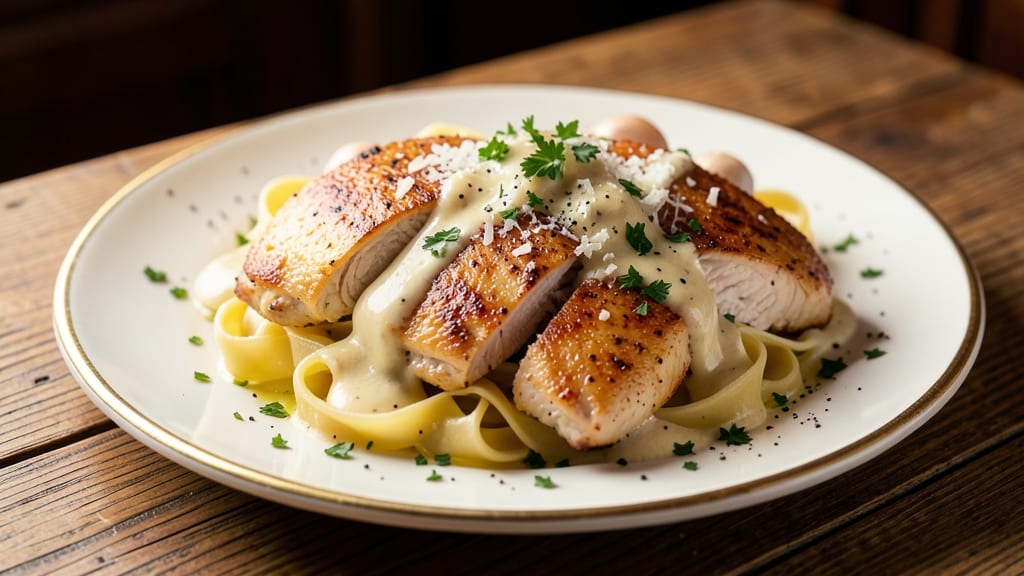
This Olive Garden Chicken Fettuccine Alfredo copycat recipe delivers the same creamy, restaurant-quality pasta experience you crave at home. 💛 After years of perfecting the balance between rich sauce and tender chicken, I've cracked the code for that signature velvety texture and bold flavor—no shortcuts, just precision.
The secret lies in a foolproof technique that transforms simple ingredients into something truly special.
What sets this recipe apart is the marinade for the chicken, which infuses flavor deep into each piece without drying it out.
Meanwhile, the Alfredo sauce gets its signature thickness and creaminess from a precise ratio of butter, cream, and a touch of heavy cream—no heavy cream substitutes that ruin the texture. The fettuccine cooks al dente, absorbing the sauce perfectly while maintaining its structure.
By the time you twirl that first forkful, you'll taste the same rich, cheesy sauce and tender chicken that made Olive Garden famous. The sauce clings to every strand of pasta, creating that luxurious mouthfeel that makes this dish so addictive.
This is comfort food at its finest—creamy, satisfying, and impossible to resist.
Perfect for feeding a crowd or a cozy weeknight dinner, this recipe scales beautifully while maintaining its restaurant-quality results. Let's get started on recreating that iconic dish in your own kitchen.
Ingredients for olive garden chicken fettuccine alfredo copycat
Simple ingredients elevated by technique—this copycat delivers the iconic creamy, cheesy perfection at home.
| Ingredient | Amount | Notes |
|---|---|---|
| Boneless, Skinless Chicken Breasts 🍗 | 2 ½ lb | Cut into 1-inch strips |
| Unsalted Butter 🧈 | 1 cup | Cold, cubed for sauce |
| Heavy Whipping Cream 🥛 | 2 cups | Full-fat for richness |
| Whole Milk 🥛 | ½ cup | Warmed for sauce |
| Parmesan Cheese 🧀 | 1 ½ cups | Freshly grated, block preferred |
| Garlic Cloves 🧄 | 6 cloves | Minced for marinade |
| Extra-Virgin Olive Oil 🫒 | ¼ cup | For marinade and cooking |
| Fresh Lemon Juice 🍋 | ½ cup | Brightens marinade |
| Diamond Crystal Kosher Salt 🧂 | 1 ½ tsp | Fine grain preferred |
| Ground Black Pepper 🌶️ | 1 tsp | Freshly cracked |
| Dried Parsley 🌿 | 1 tbsp | For garnish |
| Fettuccine Pasta 🍝 | 1 ½ lb | High-quality, al dente |
| All-Purpose Flour 🌾 | ¼ cup | For thickening sauce |
| Dry White Wine 🍷 | ½ cup | Sauvignon Blanc preferred |
The chicken's tenderness is non-negotiable. Marinate the strips for at least 30 minutes—the acid from the lemon and olive oil breaks down fibers without drying. For the best results, use free-range chicken breasts from Whole Foods or local butchers, where the meat stays juicier. The Parmesan must be freshly grated; pre-shredded contains anti-caking agents that make the sauce grainy. If you're short on time, Costco's block Parmigiano-Reggiano is a reliable store-bought option. The butter should be European-style if possible—it has a higher fat content that creates a silkier sauce.
No heavy cream? Full-fat sour cream thinned with milk works in a pinch, though the texture won't be identical. Substituting wine? Chicken broth with a splash of lemon juice mimics the acidity. For the pasta, De Cecco or Barilla brands hold up best to the rich sauce without turning mushy. The flour used for thickening must be all-purpose, not cake flour—it lacks the protein to properly emulsify. If you're making this ahead, prepare the sauce first and store it separately; reheating it with the pasta later preserves that velvety texture.
This sauce reheats beautifully—simmer it gently on the stove, stirring constantly, until it reaches 165°F. The pasta should be cooked al dente and tossed immediately with the sauce to prevent overcooking. Store leftovers in airtight containers for up to 4 days, but the flavor peaks within the first two. For freezing, portion the sauce separately and add it to fresh pasta when reheating. The marinade ingredients keep for 1 week in the fridge, while the dry ingredients (flour, spices) last indefinitely in a cool, dark cabinet.
Why You'll Love This Recipe
- One-Pot Magic: I swear by this trick—just toss the chicken and fettuccine in the same pot as the sauce. No last-minute boiling, no extra pans, and honestly? The sauce clings to everything like it’s been simmering for hours.
- Creamy Without Guilt: That velvety Alfredo comes from just butter, cream, and milk—no weird thickeners or powdered shortcuts. The Parmesan melts right in, and between us, it’s the kind of rich that makes you forget to count calories.
- Weeknight Hero: I make this when I’ve got friends over or when I’m too tired to think. The chicken stays juicy, the pasta’s al dente, and it’s ready before the kids even notice dinner’s missing.
- Leftovers That Win: This dish actually tastes better the next day—yes, really. The sauce thickens up perfectly, so I portion it out for lunches, and my coworkers always ask for the recipe. (I never share.)
Step-by-step instructions for olive Garden chicken fettuccine Alfredo copycat
Master this creamy, restaurant-style pasta with perfectly tender chicken and velvety sauce.
👨🍳 Step 1: Marinate and Prepare the Chicken
Cut the 2.5 lb boneless, skinless chicken breasts into 1-inch strips. In a bowl, whisk together the 0.25 cup extra-virgin olive oil, 0.5 cup fresh lemon juice, 1.5 tsp diamond crystal kosher salt, 1 tsp ground black pepper, and 6 minced garlic cloves. Pour this marinade over the chicken strips, ensuring they're fully coated. Let them marinate for at least 30 minutes in the refrigerator while you prepare the pasta.
Here's the thing—this marinade does more than just flavor the chicken. The acidity from the lemon juice helps tenderize the meat, while the olive oil creates a barrier that locks in moisture during cooking. Don't skip this step, even if you're eager to start cooking.
🍳 Step 2: Cook the Fettuccine to Al Dente Perfection
Bring a large pot of water to a rolling boil and add 1.5 lb fettuccine pasta. Cook according to package instructions, but start testing for doneness 1 minute early—you want it al dente, with a slight bite in the center. Reserve 1 cup of pasta water before draining, as this starchy liquid is essential for creating the creamy sauce later.
While the pasta cooks, I like to add a generous pinch of salt to the boiling water—this enhances the overall flavor of the dish. The pasta should be cooked until it's firm to the bite but still has a slight resistance. Drain it well but don't rinse; the starch helps the sauce cling beautifully to each strand.
🥘 Step 3: Create the Signature Creamy Alfredo Sauce
In a large skillet, melt 1 cup unsalted butter over medium heat. Once melted, whisk in the 0.25 cup all-purpose flour to create a roux. Cook for 2-3 minutes, stirring constantly, until the mixture turns a light golden color and smells nutty. This is your sauce's foundation—don't let it brown or it'll taste bitter.
Gradually pour in the 0.5 cup dry white wine, whisking constantly to prevent lumps. Let it simmer for 2-3 minutes until the alcohol smell dissipates. Then, slowly add the 2 cups heavy whipping cream and 0.5 cup whole milk, whisking continuously. Bring the mixture to a gentle simmer and let it thicken for 5-7 minutes. The sauce should coat the back of a spoon and be velvety smooth.
🍳 Step 4: Combine Chicken and Sauce for Maximum Flavor
Add the marinated chicken strips to the sauce and simmer for 4-5 minutes, stirring occasionally, until the chicken is cooked through and reaches an internal temperature of 165°F. The chicken should be tender and fully opaque, with no pink remaining. Here's the moment that matters: add 1.5 cups freshly grated parmesan cheese and stir until completely melted and smooth.
If the sauce starts to thicken too much, whisk in 2-3 tablespoons of reserved pasta water to reach your desired consistency. The sauce should be rich and cling to the chicken and pasta without being gluey. Taste and adjust seasoning with additional salt and pepper if needed.
🍽️ Step 5: Finish and Serve Like a Pro
Add the drained fettuccine to the skillet and toss everything together until the pasta is well-coated with the creamy sauce. This should take about 1-2 minutes of tossing. The heat from the pasta will help the sauce cling perfectly to each strand, creating that signature Olive Garden texture.
For the final touch, sprinkle with 1 tbsp dried parsley and serve immediately. The dish should be piping hot, with each bite delivering perfectly tender chicken, creamy alfredo sauce, and al dente pasta. This is where the magic happens—serve with extra parmesan cheese on the side for those who want it even cheesier.
Pro Tips For Making Olive Garden Chicken Fettuccine Alfredo Copycat
- Cook Chicken Low: Olive Garden’s version uses fully cooked chicken that stays tender—don’t overcook the breasts. Poach them in simmering water (not boiling) with salt and pepper for 12-14 minutes, then let them rest before slicing. I used to roast them and ended up with dry, stringy strips every time.
- Whisk Cream Cold: The sauce depends on fat, not heat. Whisk your heavy cream and milk cold over low heat, or you’ll end up with scrambled eggs instead of silky Alfredo. I learned this after a batch curdled—now I keep the pot off the burner until the butter melts completely.
- Grate Parmesan Fresh: Pre-shredded cheese has anti-caking agents that make the sauce grainy. Use a microplane or fine grater for the Parmesan, and add it last—just before serving. I skipped this once and spent 10 minutes trying to blend out the lumps.
- Strain the Sauce: No one wants to chew pasta. After simmering the cream-butter mix, strain it through a fine-mesh sieve to remove any cooked butter bits. It’s a little extra work, but the result is smooth, restaurant-quality sauce. (Yes, even if you’re in a hurry.)
Essential equipment for perfect results
Butter and Sauce Essentials
You'll need 1 cup of high-quality unsalted butter—I recommend European-style butter like Plugrá or Kerrygold for its higher fat content, which creates that signature velvety texture. For the sauce, a 12-inch cast-iron skillet is non-negotiable; its heavy base distributes heat evenly and prevents scorching.
My Lodge cast iron skillet has been my go-to for years—it develops a natural nonstick patina over time that makes sauce work a breeze. 🧈
Precision Tools for Perfect Pasta
A pasta pot with a capacity of at least 8 quarts is essential to avoid overcrowding the fettuccine. I use a Cuisinart stainless steel pasta pot because it heats water quickly and evenly.
For timing, a kitchen timer (I love the OXO Good Grips model) ensures you don’t overcook the pasta—al dente is key for that perfect bite. A fine-mesh strainer helps drain the pasta without losing too much starch, which is crucial for the sauce’s cling.
Cheese Grater and Marinade Prep
Freshly grated Parmesan cheese makes all the difference, so invest in a microplane grater—it yields fine, even shreds without the anti-caking agents found in pre-shredded cheese. For the chicken marinade, a small mixing bowl and whisk are perfect for combining the olive oil, lemon juice, and garlic.
I also recommend a garlic press to minced the cloves quickly and evenly. A meat thermometer (like the Thermoworks ThermoPop) ensures the chicken reaches 165°F safely and evenly.
Optional Upgrades for Pros
If you’re serious about replicating Olive Garden’s texture, a handheld immersion blender (like the Cuisinart Stick) can help emulsify the sauce even more smoothly. For large gatherings, a stand mixer with a whisk attachment (like the KitchenAid Artisan) speeds up the sauce-making process.
And if you’re prepping ahead, glass airtight containers (like Pyrex) keep the sauce fresh for up to 4 days in the fridge—just reheat gently on the stove to maintain that creamy consistency. 💡
Nutrition facts
Frequently asked questions
Why does the chicken turn out dry in other copycat recipes?
The secret is in the marinade's acidity. The lemon juice and olive oil tenderize the chicken while the 30-minute marinade ensures moisture retention. Skipping this step or cooking the chicken too long after marinating causes dryness. Always cook the chicken just until it hits 165°F—no more, no less.
Can I make this ahead of time?
Prepare the sauce first and store it in airtight containers for up to 4 days. Reheat gently on the stove, stirring constantly until it reaches 165°F. Cook the pasta fresh and toss with the reheated sauce—this preserves that velvety texture. Never reheat the pasta ahead of time, or it'll turn mushy.
What's the best way to thicken the sauce if it's too thin?
Whisk in 1 tablespoon of reserved pasta water at a time until you reach the perfect consistency. The starch in the water acts as a natural thickener without altering the flavor. If the sauce still needs help, mix 1 teaspoon of cornstarch with 1 tablespoon cold water, then stir it into the sauce until thickened.
Is there a lighter version of this recipe?
Swap half the heavy cream for low-fat Greek yogurt and use light butter instead of unsalted. Reduce the Parmesan to 1 cup and add a splash of lemon juice to brighten the flavor. The sauce will still be creamy but with fewer calories. Keep the chicken marinade the same for maximum tenderness.
Can I use chicken thighs instead of breasts?
Yes, but adjust the cooking time. Cut 2.5 lb chicken thighs into 1-inch pieces and marinate as directed. They'll take 6-8 minutes to cook through, so remove them when they reach 175°F internally. Thighs stay juicier but have a richer flavor—perfect for those who prefer heartier meat.