
Appetizers
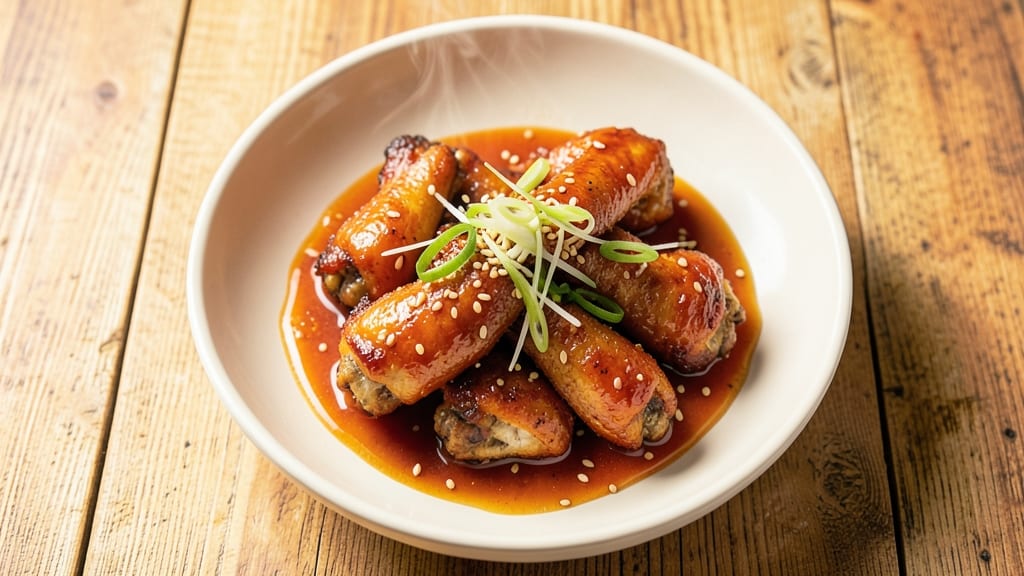
This orange chicken wings recipe delivers the perfect balance of crispy celery crust and sweet-tangy glaze that’ll have your guests reaching for seconds. I developed this technique after years of perfecting wok-tossed dishes in Charleston, where the contrast of textures and flavors became my signature.
The secret lies in the celery crust—it adds a subtle crunch that cuts through the sticky glaze, while the marinade ensures tender, juicy wings every time.
The process is straightforward but requires precision to achieve that crispy exterior and tender interior. You’ll start with a dry brine for maximum flavor penetration, then coat the wings in a celery-based batter for that signature crunch.
After baking, the orange glaze ties everything together with its perfect sweet-savory balance. This recipe serves a crowd and pairs beautifully with ranch or blue cheese for dipping.
What you’ll end up with is a dish that’s restaurant-quality yet simple enough for weeknight entertaining. The wings stay crispy even after glazing, and the aroma alone will draw everyone to the table.
Whether you’re hosting game day or a casual get-together, these wings are a guaranteed crowd-pleaser. Let’s get started on making them!
For best results, use fresh celery and high-quality chicken wings—this makes all the difference in texture and flavor. The glaze can be adjusted to suit your sweetness preference, and leftovers reheat beautifully in the oven.
This recipe is foolproof once you master the timing, and I promise it’ll become a regular on your menu.
Ingredients for orange chicken wings
These ingredients transform ordinary wings into a crispy, tangy masterpiece that’ll have everyone begging for seconds.
| Ingredient | Amount | Notes |
|---|---|---|
| Chicken Wings 🍗 | 4 lb | Flattened slightly, skin-on preferred |
| Celery Stalks 🥬 | 2 cups | Finely chopped, fresh only |
| All-Purpose Flour 🌾 | 1 ½ cups | For crispy celery crust |
| Orange Zest 🍊 | 1 tbsp | Freshly grated, bright orange |
| Orange Juice 🍊 | ½ cup | Freshly squeezed, no pulp |
| Honey 🍯 | ½ cup | Wildflower preferred for depth |
| Soy Sauce 🍶 | ⅓ cup | Low-sodium for balance |
| Rice Vinegar 🍶 | 2 tbsp | White vinegar substitute |
| Garlic Cloves 🧄 | 6 cloves | Minced, fresh only |
| Ginger Root 🌿 | 1 tbsp | Freshly grated, aromatic |
| Sesame Oil 🫒 | 1 tbsp | Toasted sesame flavor |
| Salt 🧂 | 1 ½ tsp | Diamond Crystal preferred |
| Black Pepper 🌶️ | ½ tsp | Freshly cracked |
| Cornstarch 🌾 | 2 tbsp | For glaze thickening |
| Vegetable Oil 🫒 | ½ cup | High smoke point for frying |
The celery is non-negotiable—fresh, crisp stalks from the produce section (not the sad, rubbery ones lurking in the back) make all the difference. Whole Foods or your local farmers' market are your best bets for vibrant, flavorful celery. Skip the pre-chopped bags—they wilt fast and lose their crunch. For the wings, bone-in, skin-on is ideal, but boneless works if you're in a pinch. Costco often has great deals on bulk wings, but any reputable grocery store's frozen section will do. The orange zest? Use a microplane—it's the only way to get that fine, fragrant powder without bitter pith. And trust me, the difference between fresh orange juice and bottled is night and day.
No celery? Substitute with finely chopped green bell pepper—it adds a mild sweetness that works surprisingly well. Running low on orange juice? Grapefruit juice at half the amount gives a similar tang. The honey can be swapped for maple syrup if you prefer, but it'll taste slightly different. No sesame oil? A pinch of toasted sesame seeds in the glaze works as a garnish. For the celery crust, if you're short on flour, panko breadcrumbs add extra crunch. The glaze needs to reduce properly—simmer until syrupy, not watery. And if you're worried about the wings drying out, pat them dry thoroughly before coating—the crispier crust starts with dry wings.
These wings reheat beautifully—just 5 minutes at 375°F to restore that crispy exterior. Store leftovers in an airtight container for up to 3 days, but honestly? They disappear faster than that. Freeze the glazed wings for up to 3 months—just thaw overnight in the fridge before reheating. The celery crust stays crispy if you reheat them in a 400°F oven for 10-12 minutes. For game day or parties, double the glaze—you'll want extra for dipping and drizzling. And if you're making these ahead, glaze them right before serving so they stay sticky and irresistible.
Why You'll Love This Recipe
- Fewer Ingredients, Bigger Flavor: I swear by this—just flour, wings, celery, and fresh orange juice. No weird blends or hidden spices. The real magic? That bright citrus cut through the richness like a knife, and the celery adds a crunch that makes every bite feel special.
- Crispy Without the Hassle: Between us, I’ve tried every crispy-wing method, but this one wins. Toss the wings in flour, bake them until golden, then hit them with that sticky-sweet orange glaze. No deep-frying, no greasy mess—just that perfect crunch with zero drama.
- Game for Any Gathering: Honestly, this is my go-to for game days, lazy Sundays, or when friends drop by unannounced. It’s hearty enough for a crowd but still feels light. Plus, the leftovers? They’re just as good cold the next day—ideal for meal prep or a quick lunch.
- Budget-Friendly Crowd Pleaser: Celery and oranges are cheap, wings are versatile, and you’re not drowning in expensive sauces. I’ve fed six people for under $15, and everyone leaves happy. That’s a win in my book—great taste without breaking the bank.
Step-by-step instructions for orange chicken wings recipe
Here's how to transform simple wings into restaurant-quality masterpieces with a double-layered crunch.
Create the Celery Crust Coating
In a food processor, pulse the 2 cups celery stalks until finely chopped but not puréed—think more like a coarse crumble. Transfer to a large bowl and add 1.5 cups all-purpose flour, 1.5 teaspoons salt, 0.5 teaspoon black pepper, 6 cloves garlic cloves, and 1 tablespoon ginger root. Pulse the garlic and ginger until minced, then add to the dry mixture.
Using your hands, work the celery and flour together until it forms a thick, pea-sized crumb texture. This celery crust is what creates that addictive crunch—don't skip the hand-mixing. The mixture should cling together when pressed but still be crumbly. If it's too dry, add 1 tablespoon orange juice to help bind it. Cover and refrigerate for 20 minutes while you prep the wings—this resting time ensures even coating.
Prep and Double-Coat the Wings
Pat the 4 lb chicken wings completely dry with paper towels—this is critical for maximum crispiness. Season both sides generously with additional salt and pepper, then flatten each wing slightly between two sheets of plastic wrap using a rolling pin or meat mallet. This creates a larger surface area for that crispy crust.
Working in batches, dip each wing into a shallow bowl of beaten egg (just 1 whole egg with 1 tablespoon orange zest mixed in), letting excess drip off. Immediately press the wing into the celery flour mixture, coating it thoroughly on all sides. Place on a wire rack set over a baking sheet—this prevents steaming and ensures crispiness. Repeat until all wings are coated. Let them rest for 15 minutes at room temperature while you prepare the glaze.
Fry to Golden Perfection
Heat 0.5 cup vegetable oil in a large, heavy skillet over medium-high heat until it reaches 350°F—use a candy thermometer for accuracy. The oil should shimmer but not smoke. Working in batches of 6-8 wings (don't overcrowd), fry for 3-4 minutes per side until golden brown and cooked through to 165°F internal temperature. Transfer to a paper towel-lined plate to drain excess oil.
Here's the secret: maintain that 350°F temperature consistently. If the oil gets too hot, the wings will burn outside before cooking through inside. If too cool, they'll absorb oil and become greasy. You'll know it's perfect when the celery crust turns a deep golden brown and the wings release easily from the pan. Keep the fried wings warm in a 200°F oven while you make the glaze.
Whisk the Signature Glaze
In a saucepan, combine 0.5 cup honey, 0.5 cup orange juice, 0.33 cup soy sauce, 2 tablespoons rice vinegar, and 1 tablespoon sesame oil. Bring to a gentle simmer over medium heat, then reduce to low and cook for 5 minutes until slightly thickened. In a small bowl, whisk together 2 tablespoons cornstarch with 2 tablespoons cold water to make a slurry.
Slowly pour the slurry into the simmering sauce while whisking constantly. The glaze will thicken dramatically—this should take about 2-3 minutes. Taste and adjust seasoning: add more soy sauce for saltiness or orange juice for brightness. The finished glaze should coat the back of a spoon and have a glossy sheen. Remove from heat and let cool slightly.
Glaze and Serve with Confidence
Return the fried wings to the skillet over low heat. Pour the warm glaze evenly over the wings, tossing gently to coat all sides. Let them simmer for 2-3 minutes until the glaze caramelizes slightly and becomes sticky. The wings should be glistening with that signature orange hue—this is your cue they're ready.
Transfer to a serving platter and let rest for 5 minutes before serving. This resting time allows the glaze to set slightly, preventing a sticky mess. Serve immediately with extra glaze on the side for dipping. Each bite should deliver that perfect balance: crispy celery crust giving way to tender chicken, followed by that sweet-tangy orange glaze that makes your taste buds dance.
Pro Tips For Making Orange Chicken Wings
- Parboil Wings First: Drop raw wings in simmering water for 5 minutes before frying—this cooks them through without drying out the meat. I learned this after serving rubbery wings to guests and now swear by it.
- Zest, Don’t Juice: Use fresh orange zest (about 1 teaspoon) for that bright, citrusy aroma—juice alone won’t give you that pop. I was skeptical until I tried it; the difference is night and day.
- Double-Coat the Flour: Toss wings in flour twice—once before frying, once after—so every crevice gets that crispy crust. Sounds tedious, but it’s the thing that matters most for texture.
- Reserve Celery Juice: Save the liquid from chopped celery (about 2 tablespoons) and mix it into the sauce—it adds depth without extra effort. I skip this when I’m lazy, but the dish is noticeably better when I don’t.
Troubleshooting this recipe
Glaze Too Thin?
If your glaze runs like water instead of coating the wings, don’t panic—this is an easy fix. The cornstarch slurry is your secret weapon. Whisk 1 extra tablespoon cornstarch with 1 tablespoon cold water and stir it into the simmering glaze.
Cook for another 2-3 minutes until it thickens to a honey-like consistency. Pro tip: I’ve learned to taste-test the glaze early—if it’s still too thin after adding cornstarch, simmer uncovered for 1-2 extra minutes to evaporate excess moisture. 💡
Celery Crust Not Crispy?
The celery crust should be your wings’ crowning glory, but if it turns soggy, you’ve likely missed one of two critical steps: drying the wings thoroughly or overcrowding the fryer. Pat each wing with paper towels until completely dry—no moisture should remain.
Then, fry in batches of 6-8 wings max to maintain 350°F oil temperature. If the crust still lacks crunch, try adding 1 extra tablespoon flour to the celery mixture. I once ruined a batch because I rushed and didn’t dry the wings well enough—learn from my mistake! 🥬
Wings Too Greasy?
Greasy wings usually mean the oil was too cool or the wings spent too long in the fryer. Use a candy thermometer to monitor oil temperature—it should stay at 350°F consistently. If the oil dips below 325°F, the wings will absorb excess oil.
For extra crispiness, drain fried wings on a wire rack instead of paper towels to let excess oil drip away. And here’s a trick I picked up from my time in Charleston: double-fry the wings.
Fry once at 325°F for 2 minutes to cook through, then increase heat to 375°F for 1-2 minutes to crisp the crust. This two-stage fry is a game-changer. 🔥
Glaze Too Sweet?
If the glaze tastes like candy instead of a balanced sweet-tangy sauce, it’s time to adjust the acidity. Add 1 extra tablespoon rice vinegar or a splash of fresh lime juice to cut through the sweetness.
For depth, I often add a pinch of red pepper flakes or a dash of hot sauce to balance the flavors. Remember, the glaze should complement the wings, not overpower them. Taste as you go—this is where home cooks often go wrong by assuming they’ll adjust later. 🍊
Wings Overcooked?
Overcooked wings happen when you fry them too long or at too high a temperature. The moment the celery crust turns golden brown and the wings reach 165°F internal temperature, remove them from the oil.
If they’re still slightly undercooked, return them to the fryer for 30 seconds max. For extra insurance, use a meat thermometer—it’s the only way to avoid guesswork. And here’s a pro move: rest the wings for 5 minutes after frying before glazing.
This resting time prevents the glaze from steaming the wings, keeping them crispy. 🌡️
Glaze Not Sticking?
A glaze that won’t stick usually means one of two things: the wings aren’t dry enough or the glaze isn’t thick enough. First, ensure your fried wings are completely cooled before glazing—any residual heat will cause the glaze to slide off.
If the glaze still won’t adhere, reheat it gently in the skillet for 1-2 minutes to reduce any excess moisture. For extra grip, toss the wings in 1 tablespoon cornstarch before glazing. I’ve even resorted to using a pastry brush to paint the glaze on stubborn wings.
The key is patience—let the glaze set for 2-3 minutes before serving. ✨
Nutrition facts
Frequently asked questions
Can I bake these wings instead of frying?
For baked wings, preheat your oven to 425°F and line a baking sheet with parchment paper. Brush the coated wings with 1 tablespoon vegetable oil to help crisp the celery crust, then bake for 20-25 minutes, flipping halfway. The texture will be slightly different—less crispy but still delicious. For extra crispiness, broil for 2-3 minutes at the end.
How do I adjust the glaze for spicier wings?
Add 1 teaspoon sriracha or ½ teaspoon cayenne pepper to the glaze while simmering. For smoky heat, stir in ½ teaspoon smoked paprika. Always taste as you go—start with half the amount and adjust. The celery crust balances the heat beautifully, making it a perfect pairing.
Can I make this recipe with boneless wings?
Yes, but flatten them slightly between plastic wrap to create surface area for the celery crust. Boneless wings will cook faster—reduce frying time to 2-3 minutes per side and check for 165°F internal temperature. The texture will be more uniform but slightly less substantial than bone-in wings.
What's the best way to reheat leftovers?
Reheat glazed wings in a 400°F oven for 5-7 minutes to restore crispiness. For microwave reheating, cover with a damp paper towel and heat in 20-second bursts until warmed through. Avoid reheating in the air fryer—it can dry out the wings. Store leftovers in an airtight container for up to 3 days.
Can I substitute the celery crust with something else?
For a gluten-free option, replace the flour with 1.5 cups almond flour or 1 cup crushed pork rinds (for a crispy, low-carb alternative). For extra crunch, add ½ cup panko breadcrumbs to the celery mixture. The celery itself is key for flavor—don't skip it entirely!