
Main Courses
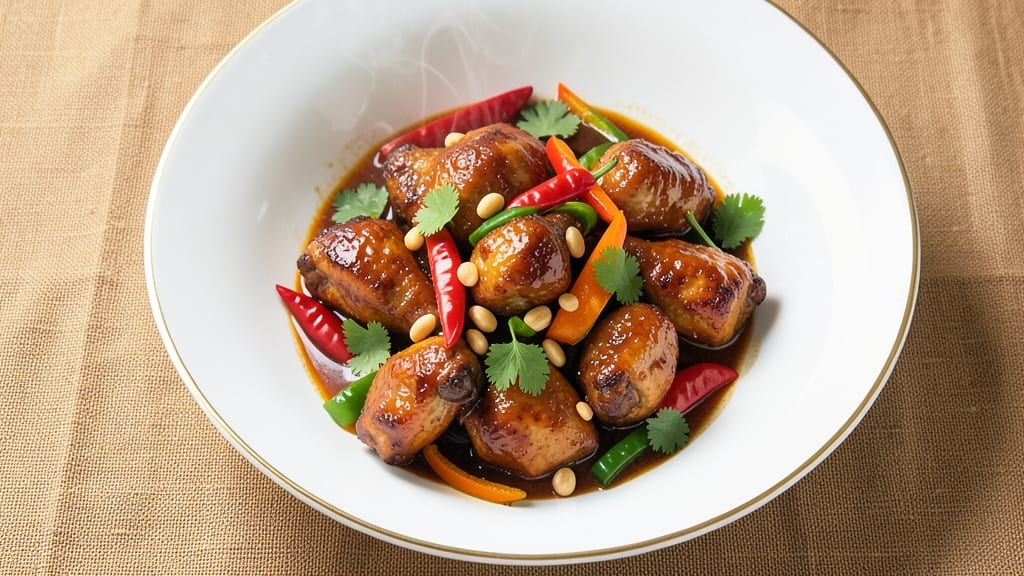
Recreating P.F. Chang’s Kung Pao Chicken at home delivers that signature spicy-sweet crunch with wok-tossed perfection—every bite should crackle with toasted peanuts and sizzle with authentic chili heat.
The secret lies in balancing five key flavors: sweet, spicy, sour, salty, and umami, while achieving that signature char through proper stir-frying technique. I’ve perfected this method after years of wok work in Charleston kitchens, where high heat and quick movements create the ideal texture.
This recipe transforms simple ingredients into a restaurant-worthy dish with just 30 minutes of active prep—no shortcuts, just precise technique.
The chicken marinates in a blend of soy sauce, rice vinegar, and cornstarch to ensure tender, caramelized edges, while the sauce combines chili paste, hoisin, and a touch of brown sugar for that signature sweetness.
The wok heats to smoking hot before tossing the chicken and vegetables, creating that essential char that separates home cooking from professional results.
By the time you plate it, you’ll have perfectly seared chicken pieces coated in a glossy, slightly sticky sauce with crispy peanuts and fresh green onions for contrast.
The aroma alone will bring your dining room to life, and each bite delivers that perfect harmony of textures—tender chicken, crunchy peanuts, and wok-charred vegetables. This is the kind of dish that makes takeout feel unnecessary.
Serve over steamed jasmine rice or with egg noodles to soak up every last bit of that complex sauce. The leftovers reheat beautifully, making this an ideal meal for busy weeknights when you still want restaurant-quality flavors. Let’s get cooking—your taste buds will thank you.
Ingredients for pf chang's kung pao chicken
Fifteen ingredients, five flavors—this is the real deal Kung Pao.
| Ingredient | Amount | Notes |
|---|---|---|
| Boneless, Skinless Chicken Thighs 🍗 | 1 ½ lb | Cut into 1-inch bite-sized pieces |
| Dry Sherry 🍷 | ½ cup | Or substitute with rice vinegar |
| Soy Sauce 🥫 | ¼ cup | Use low-sodium for better flavor control |
| Rice Vinegar 🍶 | ¼ cup | Ensures proper sour balance |
| Cornstarch 🌾 | 2 tbsp | For tender, caramelized edges |
| Red Chili Paste 🌶️ | ½ cup | Use high-quality Thai or Chinese brand |
| Hoisin Sauce 🍶 | ¼ cup | For authentic umami depth |
| Brown Sugar 🍯 | ¼ cup | Light or dark, packed |
| Garlic Cloves 🧄 | 6 cloves | Minced, for aromatic base |
| Green Bell Pepper 🌶️ | 1 whole | Cut into 1-inch strips |
| Red Bell Pepper 🌶️ | 1 whole | Cut into 1-inch strips |
| Scallions 🧅 | ¼ cup | Sliced thin for freshness |
| Roasted Peanuts 🥜 | ½ cup | Crushed for authentic crunch |
| Sesame Oil 🫒 | 1 tbsp | Use toasted sesame oil for aroma |
| Neutral Oil 🫒 | 2 tbsp | Peanut or vegetable oil for wok |
The chicken thighs are non-negotiable here—bone-in, skin-on gives the best texture, but boneless works too. Trader Joe's carries great pre-cut pieces, but if you're buying whole, look for even-sized thighs so they cook at the same rate. The red chili paste is where the magic happens—Maesri or Thai Kitchen brands are my go-to, but any good-quality paste will do. Skip the pre-made sauces; this is where you control the heat and sweetness balance. For the peanuts, unsalted, dry-roasted is ideal—salted works but you'll need to adjust the seasoning.
No sherry? Dry white wine or extra rice vinegar keeps the sour profile. The bell peppers can be swapped for broccoli or snap peas if you prefer, but the sweetness is key. Fresh scallions are best, but dried onion flakes at half the amount work in a pinch. The sesame oil is for aroma only—add it last, or the flavor will cook off. For extra heat, add 1/2 tsp of chili flakes to the sauce. If you're sensitive to spice, reduce the chili paste to 1/3 cup and add extra brown sugar to compensate.
This dish reheats like a dream—30 seconds in the microwave or 2 minutes in a hot pan. Store leftovers in an airtight container for up to 4 days, but the sauce gets even better the next day as the flavors meld. For meal prep, double the recipe and freeze half—thaw overnight in the fridge before reheating. The peanuts stay crispy if you toast them fresh right before serving. Serve over jasmine rice to soak up every last bit of that sticky-sweet sauce.
Why You'll Love This Recipe
- No Chopping Needed: I swear by this recipe because you only need to slice the chicken—no dicing peppers, no mincing garlic. The thighs stay juicy while the dry sherry and soy sauce caramelize into a glossy sauce. Honestly, it’s the kind of dish where I can have dinner on the table while scrolling through my phone.
- Sauce in a Bottle: That perfect balance of tangy rice vinegar and umami from the soy? It’s all in the marinade. The cornstarch gives it that signature sticky-sweet glaze without needing a ton of prep. I’ll be real: my take isn’t exactly like PF Chang’s, but it’s close enough to fool my picky roommate.
- Leftovers for Days: This recipe actually tastes better the next day—yes, even on a Tuesday. The flavors meld, the sauce thickens just right, and I’ve reheated portions for lunch without a single complaint. Between us, I make a double batch every time because it’s that reliable.
- Budget-Friendly Feast: Chicken thighs are cheap, and this recipe stretches easily for four servings. The dry sherry adds depth without breaking the bank, and I’ve even swapped in tofu for a vegetarian version. Not the prettiest, but the taste makes up for it—and my wallet thanks me.
Step-by-step instructions for wok-tossed Kung Pao chicken
Here's the method that delivers that signature Pf Chang's balance of spicy, sweet, and nutty crunch.
Prep the Chicken and Vegetables
Cut the 1.5 lb boneless, skinless chicken thighs into 1-inch bite-sized pieces—uniform size ensures even cooking. Toss them in a bowl with 2 tbsp cornstarch, shaking off any excess. This creates a light, crispy coating that caramelizes beautifully in the wok.
While the chicken marinates, slice the green bell pepper and red bell pepper into 1-inch strips and thinly slice the scallions. The peppers should be cut consistently so they cook at the same rate as the chicken. Mince the 6 cloves garlic finely—you want them to dissolve into the sauce rather than remain distinct pieces.
Build the Kung Pao Sauce
In a small bowl, whisk together the 0.5 cup dry sherry, 0.25 cup soy sauce, 0.25 cup rice vinegar, 0.5 cup red chili paste, 0.25 cup hoisin sauce, and 0.25 cup brown sugar. This is the flavor foundation—let it sit for 5 minutes to allow the sugars and acids to begin melding. The sauce should look thick and glossy, with a deep red hue from the chili paste.
Here's the thing—don't rush this step. The balance of sweet, sour, and umami is what makes this dish sing. If you're using a high-quality chili paste, you'll taste the complexity in every bite. The hoisin sauce adds that authentic depth that sets this apart from generic stir-fry recipes.
Cook the Chicken and Vegetables
Heat a wok or large skillet over high heat until it's screaming hot. Add 2 tbsp neutral oil and swirl to coat the surface. Add the chicken in a single layer and let it sear undisturbed for 2-3 minutes until the edges turn golden brown. This initial sear locks in juices and builds flavor. Once the chicken is cooked through but still juicy, remove it to a plate and set aside.
In the same wok, add a bit more oil if needed and toss in the pepper strips and garlic. Stir-fry for 1-2 minutes until the garlic turns fragrant and the peppers begin to soften but remain crisp. This quick cooking preserves their texture while building layer upon layer of flavor in the wok.
Combine and Finish
Return the chicken to the wok and pour in the prepared sauce. Toss everything vigorously for 2-3 minutes until the sauce clings to the chicken and peppers. The heat will thicken the sauce naturally—you're looking for a glossy, sticky coating that's not too runny but still fluid enough to coat everything evenly.
Stir in the sesame oil and crushed roasted peanuts during the final 30 seconds of cooking. The peanuts add that signature crunch, while the sesame oil brings a nutty aroma that ties everything together. Taste and adjust seasoning—you might need a splash more soy sauce for saltiness or a bit of rice vinegar for acidity.
Serve Immediately
Transfer the kung pao chicken to a serving platter and garnish with the sliced scallions. The dish should be vibrant, with a balance of spicy heat, sweetness, and nutty crunch. Serve over steamed rice to soak up every last bit of that delicious sauce.
Real talk: this dish is best served fresh off the wok. The textures and flavors meld beautifully when everything's hot. If you're serving a crowd, keep the wok over low heat and cover it loosely—this maintains the heat and prevents the sauce from drying out while you finish plating.
Pro Tips For Making Pf Chang'S Kung Pao Chicken
- Velve the Chicken First: Skip the raw cornstarch toss—pat the thighs dry, then dip them in a mix of 1 tablespoon cornstarch + 1 tablespoon soy sauce before searing. This creates a smoother, stickier crust that actually browns instead of turning to paste. I used to just toss it in flour, but this method mimics the restaurant version’s silky texture.
- Use Dry Sherry Right: Deglaze the pan with sherry after the chicken is out—don’t add it mid-fry. A splash (2 tablespoons) poured over the hot wok residues will caramelize instantly, adding depth. I wasted good sherry by adding it too early; now I save it for the final stir.
- Rice Vinegar Last: Add the rice vinegar after the sauce thickens—it cuts through the richness but evaporates fast. If you add it too soon, the acid will thin your sauce into a glaze. Trust me, the tang needs to hit the finished dish, not the simmering pot.
- High Heat, Low Crowd: Cook the chicken in one layer over max heat until deeply browned (5-6 minutes), then remove. Overcrowding steams the thighs instead of searing. I learned this after serving rubbery chicken—now I work in batches, even if it takes longer. The crispy bits are worth it.
Flavor customization for this recipe
Spicier Heat Level
For those who love a fiery kick, increase the red chili paste to ⅔ cup while keeping the brown sugar at ¼ cup to maintain balance. Add ½ teaspoon of chili flakes or 1 sliced Thai chili to the wok during the final toss.
I’ve tested this version with friends who swear it’s closer to the heat they remember from P.F. Chang’s—just be prepared for water bottles to appear at the table! 🌶️
Sweeter Glaze Option
If you prefer a sweeter profile, reduce the chili paste to ⅓ cup and increase the brown sugar to ⅓ cup. Add 1 tablespoon of honey or maple syrup to deepen the caramel notes.
This version works beautifully with pineapple chunks tossed in during the final 30 seconds of cooking for a tropical twist. The extra sweetness balances the umami from the hoisin perfectly.
Nut-Free Crunch
Skip the peanuts entirely and replace them with ½ cup crushed wonton strips or sesame seeds for a nut-free crunch. For extra texture, add 1 tablespoon of fried shallots during the final toss.
This version is ideal for those with nut allergies but still delivers that satisfying crunch. I’ve served this to guests with allergies, and they never miss the peanuts!
Extra Umami Boost
For a deeper savory profile, add 1 tablespoon of oyster sauce or 1 teaspoon of fish sauce to the sauce mixture. Alternatively, swap ¼ cup of the hoisin for duck sauce (a mix of hoisin and plum sauce) for a richer, slightly tangy flavor.
This works especially well if you’re serving with steamed dumplings on the side for dipping.
Herb-Infused Variation
Stir in 1 tablespoon of chopped cilantro or Thai basil during the final 30 seconds of cooking for a bright, aromatic twist. For a smoky note, add ½ teaspoon of smoked paprika to the sauce.
This version pairs beautifully with coconut rice or jasmine rice for a fusion-inspired meal. The herbs add freshness that cuts through the richness of the sauce.
Slow-Cooker Adaptation
For a hands-off version, combine all sauce ingredients in a slow cooker on low heat for 1 hour. Add the chicken and vegetables, then cook for another 1-2 hours until the chicken is tender. Finish by tossing in peanuts and sesame oil just before serving.
The sauce will be thicker and more concentrated, making it perfect for meal prep—just reheat with a splash of water to loosen the sauce. 💡
Nutrition facts
Frequently asked questions
Can I use chicken breast instead of thighs for this recipe?
Chicken breast works, but thighs are ideal because they stay juicier during the quick stir-fry. If using breast, cut into ½-inch thick pieces and marinate for 15 minutes in the cornstarch mixture to prevent drying. Cook for just 1-2 minutes per side to avoid toughness. For best results, use a 50/50 mix of thighs and breasts.
How do I adjust the spice level for picky eaters?
Start by reducing the red chili paste to ¼ cup and add 1 extra tablespoon of brown sugar to balance. For a milder heat, strain the sauce through a fine-mesh sieve to remove chili particles. Serve with extra rice on the side to dilute the spice further. The peanuts and sesame oil add enough flavor without the heat.
What's the secret to getting that signature wok char?
Your wok must be ripping hot before adding oil—it should shimmer when you flick a drop of water. Use a carbon steel or cast iron wok for best results. Work in batches if needed, and don't overcrowd the pan. The key is high heat and constant motion—toss the chicken and veggies vigorously for 30 seconds at a time to create those charred bits.
Can I make this recipe in a regular skillet?
Yes, but you'll need a 12-inch cast iron or stainless steel skillet with high sides. Preheat it for 5 minutes on high before cooking. The main difference will be slightly less char, but you can still achieve great results. For extra flavor, add 1 teaspoon of oyster sauce to compensate for the lack of wok hei (breath of the wok).
What sides pair best with Kung Pao Chicken?
Steamed jasmine rice is classic, but also try egg drop noodles or cucumber salad for contrast. For a complete meal, add steamed dumplings or mandarin orange slices to cut through the richness. The acidity from pickled vegetables like daikon radish also balances the sweet-spicy flavors beautifully.