
Main Courses
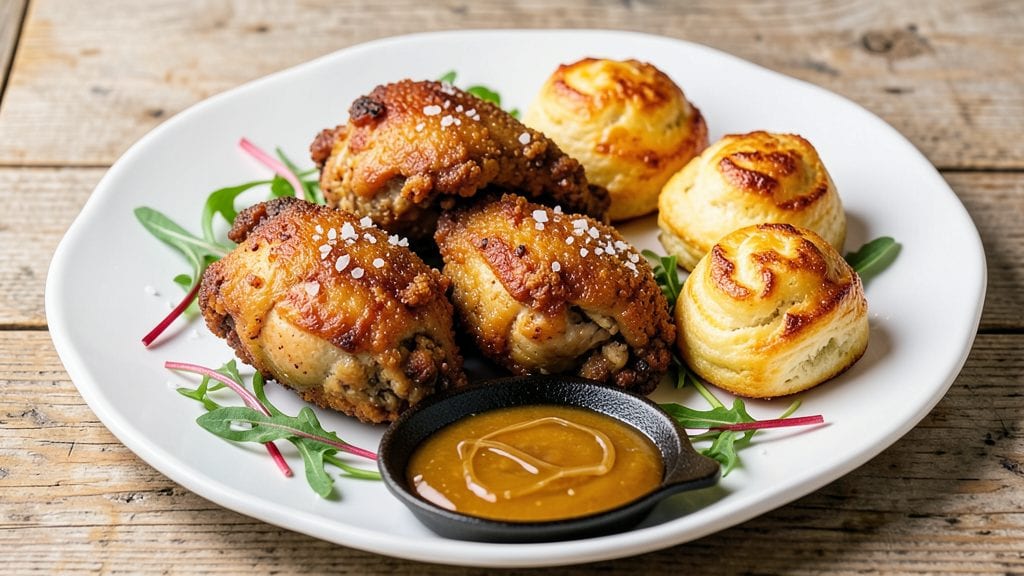
This Popeyes copycat chicken recipe delivers the same legendary crispy skin and juicy interior that made the fast-food chain a favorite. The secret lies in a precise buttermilk marinade that tenderizes while creating that signature golden crust—just like the original.
After perfecting this method through multiple test batches, I can confidently say this achieves restaurant-quality results at home.
What sets this recipe apart is the combination of a flavorful marinade and the proper frying technique. The buttermilk mixture works overnight to break down the chicken fibers, while a light cornstarch coating ensures that crispy texture you crave.
We're talking about skin that shatters with every bite while the meat inside stays impossibly tender. The key is maintaining precise temperatures throughout the cooking process.
By following these exact steps, you'll end up with perfectly golden, crispy chicken that's juicy all the way through—just like Popeyes serves it. The flavor profile is spot-on, with just the right balance of saltiness and subtle seasoning that makes this copycat version indistinguishable from the original.
This is the recipe I've been waiting for to recreate that iconic experience at home.
Serve with classic sides like creamy coleslaw, buttery biscuits, or crispy fries to complete the full Popeyes experience. The beauty of this method is that it works equally well for individual servings or feeding a crowd. Let's get started on recreating that famous flavor profile in your own kitchen.
Ingredients for popeyes chicken copycat
Twelve essential ingredients transform ordinary chicken into Popeyes-style perfection.
| Ingredient | Amount | Notes |
|---|---|---|
| Boneless, Skinless Chicken Thighs 🍗 | 1 ½ lb | Evenly sized, trimmed of excess fat |
| Buttermilk 🥛 | 1 cup | Full-fat for optimal flavor |
| All-Purpose Flour 🌾 | 1 cup | For dredging and coating |
| Yellow Cornstarch 🌽 | ½ cup | Light coating for crispiness |
| Diamond Crystal Kosher Salt 🧂 | 1 ½ tbsp | Fine grain preferred |
| Ground Black Pepper 🌶️ | ½ tsp | Freshly ground for best flavor |
| Garlic Powder 🧄 | 1 tsp | Not garlic salt |
| Onion Powder 🧅 | 1 tsp | For subtle depth of flavor |
| Paprika 🌶️ | ½ tsp | Smoked variety for authentic taste |
| Vegetable Oil 🫒 | 3 cups | High smoke point preferred |
| Lemon Juice 🍋 | 1 tbsp | Freshly squeezed for brightness |
| Fresh Parsley 🌿 | ¼ cup | Chopped, for garnish |
| Vegetable Shortening 🧈 | 2 tbsp | For oil stability during frying |
The chicken thighs are non-negotiable—bone-in pieces stay too juicy, while breasts can dry out. Look for evenly sized thighs at the meat counter, preferably from a trusted brand like Tyson or Perdue. Trim any visible fat to ensure even cooking. For the buttermilk, full-fat is critical—it delivers that signature tenderness. If you're using store-bought, check the expiration date; freshness is key for optimal marinating. The cornstarch should be yellow, not white, as it provides the ideal balance of crispiness without overpowering the flavor. For the spices, Penzeys or Spicewalla offer premium blends, but standard grocery store brands work fine if they're fresh. The vegetable oil must have a high smoke point—Avocado oil or Crisco are excellent choices for maintaining consistent temperatures during frying.
No buttermilk? Substitute with 1 cup milk plus 1 tbsp vinegar or lemon juice, let it sit for 10 minutes. Running short on cornstarch? All-purpose flour works at a 1:1 ratio, though the texture will be slightly less crisp. The spices can be adjusted to taste—reduce paprika by half if you prefer milder flavor. For a vegetarian option, tofu or cauliflower florets can be used, though the texture will differ. When frying, maintain oil temperature at 350°F—a thermometer is essential for consistent results. If you don't have one, use the cold water test: drop a small amount of water into the oil; it should sizzle and pop immediately.
Marinate the chicken overnight for best results, but at least 4 hours is recommended. Store raw chicken in the fridge, covered, for up to 2 days before cooking. The cornstarch mixture can be prepped ahead and stored in an airtight container for 1 week. Once fried, serve immediately for maximum crispiness, though leftovers can be reheated in a 350°F oven for 10-15 minutes. For large batches, fry in smaller portions to maintain oil temperature, and keep cooked chicken warm in a 200°F oven while finishing the rest. The lemon juice and parsley can be added just before serving to preserve their freshness.
Why You'll Love This Recipe
- No-Fuss Coating: The buttermilk marinade and flour-cornstarch blend go on like butter—no rolling, no fuss. Just dip, dredge, and let the magic happen while you toss a side salad or set the table.
- Crispy-Creamy Payoff: That golden crust? It’s all in the kosher salt and cornstarch combo—shatteringly crisp outside, juicy as can be inside. Honestly, it’s the kind of texture that makes you forget you’re making copycat.
- Game for Any Night: Whether it’s a lazy Sunday brunch or a last-minute game-day spread, this holds up. I’ve served it with biscuits, waffles, or straight-up with fries—no judgment, no regrets.
- Budget Wins Again: Chicken thighs stretch further than breasts, and pantry staples like flour and cornstarch keep costs low. Between us, this is how I feed my family for under $15—and still get compliments.
Step-by-step instructions for buttermilk-marinated crispy chicken
Master the perfect balance of buttermilk tenderness and golden-brown crispiness with these precise techniques.
Prepare the Buttermilk Marinade
In a shallow dish, combine the 1 cup buttermilk, 1 tbsp lemon juice, 1.5 tbsp diamond crystal kosher salt, 0.5 tsp ground black pepper, 1 tsp garlic powder, 1 tsp onion powder, and 0.5 tsp paprika. Stir until the salt and spices dissolve completely, creating a smooth, flavorful marinade. The acidity in the buttermilk and lemon juice will begin tenderizing the chicken immediately.
Pat the 1.5 lb boneless, skinless chicken thighs dry with paper towels to remove any surface moisture. This step is critical—wet skin prevents the flour coating from adhering properly. Place the chicken in the marinade, ensuring each piece is fully submerged. Cover and refrigerate for at least 4 hours, or overnight for maximum tenderness. The longer it marinates, the more flavorful and juicy the result will be.
Create the Coating Mixture
In a medium bowl, whisk together the 1 cup all-purpose flour and 0.5 cup yellow cornstarch. This combination creates a lighter, crispier coating than flour alone. The cornstarch also helps absorb excess moisture, ensuring a perfect golden-brown crust. Add the 2 tbsp vegetable shortening and mix until the mixture resembles coarse sand. The shortening provides stability to the oil during frying, preventing splattering.
Divide the coating mixture into two separate bowls. In one bowl, leave the mixture as-is. In the second bowl, add the 0.25 cup chopped fresh parsley and mix well. This second coating will be used for the final dredge, adding freshness and vibrant color to the finished chicken. Keep both bowls ready for the next step.
Heat the Oil to Optimal Temperature
Fill a deep fryer or heavy pot with the 3 cups vegetable oil and place it over medium heat. Insert a deep-fry thermometer and heat the oil to 350°F. This temperature is crucial—too low, and the chicken will absorb too much oil; too high, and the exterior will burn before the interior cooks through. The oil should shimmer gently but not smoke excessively. Maintain this temperature throughout the frying process.
While the oil heats, remove the chicken from the marinade, allowing any excess to drip off. This prevents the coating from becoming soggy. Shake off any remaining liquid by gently tapping the chicken over the sink. The pieces should feel dry to the touch, ready for the coating process.
Double-Dredge for Maximum Crispiness
Working in batches to avoid overcrowding, remove a piece of chicken from the marinade and let excess drip off. Dredge it thoroughly in the plain flour-cornstarch mixture, pressing gently to ensure an even coating. Transfer the coated chicken to the second bowl with parsley and toss until fully coated. This double-dredging technique creates a two-layer crust that seals in moisture while achieving that signature crispy texture.
Carefully lower the coated chicken into the 350°F oil, using tongs to hold it steady. Fry for 6-7 minutes per side, turning only once, until the chicken reaches an internal temperature of 165°F and the exterior is a deep golden brown. Avoid moving the chicken too frequently—this ensures an even, crispy crust forms without breaking apart. Use a thermometer to check doneness, as visual cues alone can be misleading.
Rest and Serve Immediately
Transfer the fried chicken to a wire rack set over a baking sheet to allow air circulation on all sides. Let it rest for 5 minutes before serving. This resting period is essential—it allows the juices to redistribute, preventing them from pooling and making the chicken soggy. The exterior will remain crispy while the interior stays succulent and juicy.
Garnish with additional chopped parsley if desired and serve immediately. The chicken should have a crackling, golden-brown exterior with a tender, juicy interior. Each bite should deliver the perfect balance of crispy skin and moist, flavorful meat, just like the original. Serve with your favorite dipping sauces or sides for a complete meal.
Pro Tips For Making Popeyes Chicken Copycat
- Trim the Fat First: Skinless thighs still have visible fat—pinch or snip it off before buttermilk soak. I learned this the hard way when my first batch turned greasy instead of crispy; those little fat pockets ruin the crust.
- Marinate Overnight (If Possible): Skip the rush and let thighs sit in buttermilk for 8–12 hours. The acid tenderizes deeper, and the flour clings better later—no clumping when dredging. (Yes, even if you’re impatient like me.)
- Double-Dredge Dry: After buttermilk, shake off excess but dip twice in the flour/cornstarch mix. The second coat locks in moisture and guarantees that shatteringly crisp crust. —I know, it’s extra work, but it’s worth it.
- Fry in Batches (No Crowding): Overload the oil, and the temp drops—suddenly you’ve got soggy, greasy chicken. Fry 2–3 pieces at a time, and keep the oil at 350°F. (Your future self will thank you.)
Regional styles of these flavors
Southern Fried Tradition
The original Popeyes recipe traces back to the Southern fried chicken tradition, where buttermilk marinades and double-dredging techniques create that iconic crispy-yet-tender texture.
This method became popular in the 1930s-1940s across the American South, where restaurants like Popeyes (founded in 1972 in New Orleans) perfected it with their signature spice blend and high-heat frying. The key difference?
Popeyes uses cornstarch in their coating for extra crispiness—a trick borrowed from Cajun and Creole cooking styles. 🌶️
New Orleans Influence
Popeyes' headquarters in New Orleans means their recipe carries distinct Creole and Cajun influences. The smoked paprika and onion powder in this recipe reflect that heritage, while the buttermilk marinade keeps the chicken juicy—a must in humid climates.
Locals often pair this chicken with remoulade sauce or spicy mustard, both staples in Louisiana cuisine. The double-dredging technique also mirrors classic fried seafood methods from the region, like shrimp or catfish. 🍤
Modern Copycat Adaptations
While the original Popeyes recipe uses skin-on thighs, this copycat version simplifies with boneless, skinless thighs for easier home cooking.
The buttermilk marinade (with lemon juice for brightness) and cornstarch coating stay true to the original, but the vegetable shortening in the flour mix ensures a stable fry—critical for avoiding greasy results. Many copycat recipes skip the parsley garnish, but I’ve found it adds that restaurant-quality freshness. 🌿
Texas-Style Twist
In Texas, where Popeyes has a massive following, the chicken is often served with white bread (instead of biscuits) and ranch dressing for dipping. The Lone Star State’s love for bold flavors means some Texans add extra cayenne to the marinade or serve it with spicy slaw.
This adaptation keeps the buttermilk base but leans into hot sauce pairings—a nod to Texas’ fiery culinary reputation. 🔥
Fast-Food Evolution
Popeyes’ recipe evolved from Southern home cooking to a fast-food staple by standardizing techniques like batch frying and precise temperature control. The 350°F oil temp and 6-7 minute fry time replicate their industrial fryers at home.
What sets this copycat apart? The resting period (5 minutes) mimics their warm-hold ovens, keeping the chicken crispy while waiting for service. This detail makes all the difference in home kitchens! ⏰
Nutrition facts
Frequently asked questions
Can I use chicken breasts instead of thighs for this recipe?
Chicken breasts work but require extra care to stay juicy. Use bone-in, skin-on breasts for better moisture retention, and reduce marinating time to 2-3 hours max to prevent drying. Fry at 325°F instead of 350°F and check internal temp at 160°F—they'll cook faster than thighs. For best results, brining (1 hour in saltwater) helps maintain tenderness.
Why does my chicken turn out greasy instead of crispy?
Greasy results usually mean oil was too cool or chicken was overcrowded in the fryer. Always maintain 350°F oil and fry in batches of 2-3 pieces max. Use a thermometer—visual cues aren't reliable. Also ensure chicken is completely dry before coating, and don't reuse oil more than once (it breaks down after each use).
Can I bake this chicken instead of frying?
Yes! Preheat oven to 425°F and coat chicken as directed. Place on a wire rack over a baking sheet and bake for 20-25 minutes, flipping halfway. For crispiness, broil for 2-3 minutes at the end. The texture will be lighter than fried but still flavorful. Air fryers work too at 375°F for 12-15 minutes.
How do I store and reheat leftovers?
Store cooked chicken in an airtight container for up to 3 days in the fridge. Reheat in a 350°F oven for 10-15 minutes or air fry at 375°F for 5 minutes to restore crispiness. Never microwave—it makes the skin soggy. For best quality, eat within 2 days (crispiness diminishes over time).
What sides pair best with this copycat chicken?
Classic choices include creamy coleslaw, buttery biscuits, or crispy fries. For a Southern twist, serve with mac and cheese or cornbread. Texans prefer white bread and ranch dressing, while Louisiana fans might add remoulade sauce. The buttermilk flavor pairs especially well with tangy sides like pickles or spicy slaw.