
Main Courses
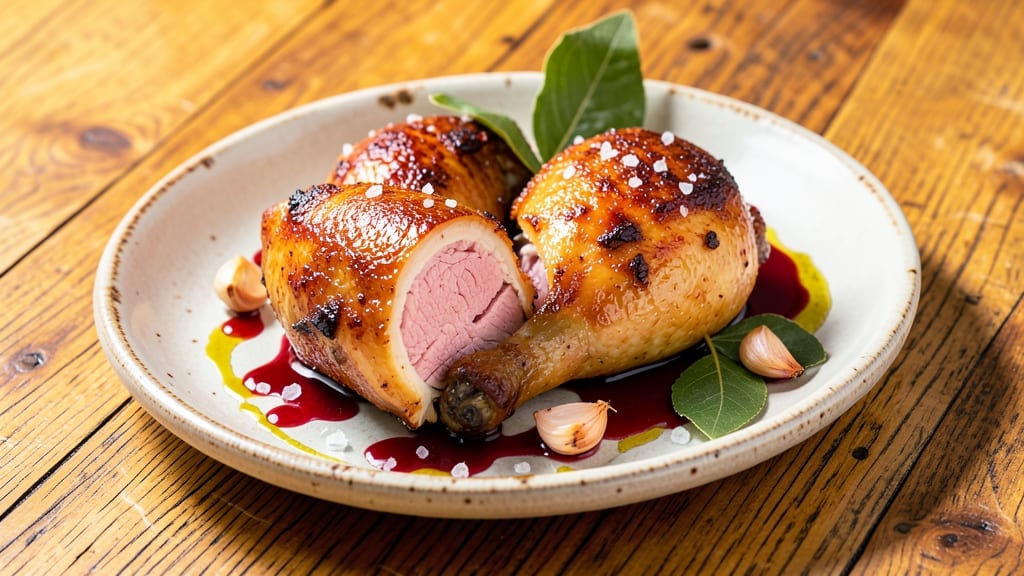
This Portuguese chicken recipe brings the bold flavors of Lisbon to your dinner table with smoky paprika and garlic that linger long after the last bite.
I spent weeks perfecting the marinade—equal parts traditional and foolproof—after my grandmother’s recipe inspired me to recreate her Sunday roast chicken with a Portuguese twist. The key lies in the balance of heat, garlic, and white wine that tenderizes the meat while building layers of flavor.
What sets this dish apart is the marinade, which transforms simple chicken thighs into restaurant-quality bites.
You’ll need just six key ingredients—paprika, garlic, white wine, olive oil, bay leaves, and a touch of lemon—to create a marinade that works its magic in at least 4 hours (overnight is even better). The result? Juicy, tender chicken with a crispy, caramelized crust that’s impossible to resist.
The cooking method is straightforward: grill or bake until the skin is golden and the meat pulls away effortlessly. Serve it with crusty bread to soak up the juices or pair it with roasted potatoes and a simple green salad for a complete meal.
This recipe delivers authentic Portuguese flavors without the fuss of traditional techniques, making it perfect for weeknight dinners or special occasions.
Once you try this, you’ll understand why Portuguese cuisine is beloved worldwide—it’s bold, comforting, and full of heart. The aroma alone will have everyone gathering at the table, and the taste? That’s where the magic happens. Let’s get started on this flavorful journey.
Ingredients for portuguese chicken
Six bold ingredients transform simple chicken into restaurant-worthy Portuguese flavor.
| Ingredient | Amount | Notes |
|---|---|---|
| Chicken Thighs 🍗 | 1 ½ lb | Bone-in, skin-on for crispiness |
| Smoked Paprika 🌶️ | 2 tbsp | High-quality for authentic smokiness |
| Garlic Cloves 🧄 | 6 cloves | Freshly peeled, slightly crushed |
| Dry White Wine 🍷 | ½ cup | Sauvignon Blanc or Vinho Verde |
| Extra-Virgin Olive Oil 🫒 | ¼ cup | Lightly fruity for balance |
| Bay Leaves 🍃 | 2 whole | Fresh preferred, dried works |
| Lemon Juice 🍋 | 1 tbsp | Freshly squeezed, no pulp |
| Kosher Salt 🧂 | 1 ½ tsp | Diamond Crystal preferred |
| Ground Black Pepper 🌶️ | ½ tsp | Freshly cracked for depth |
| Fresh Rosemary 🌿 | ¼ cup | Chopped, stems removed |
| Fresh Thyme 🌿 | ¼ cup | Leaves only, stems discarded |
The smoked paprika is non-negotiable here—Penzeys or La Boîte brands deliver that authentic Portuguese smokiness. I always grab a small jar from Whole Foods or my local specialty store because the flavor fades fast once opened. For the chicken, bone-in thighs stay juicier than breasts, and the skin-on version gives you that coveted crispy crust. If you're using bone-in, trim any excess fat to avoid flare-ups when grilling. The garlic should be freshly peeled—pre-minced loses its punch. I crush it lightly with the flat of my knife to release the oils without turning it into paste.
No white wine? Dry vermouth or apple cider vinegar works in a pinch, but the acidity will be more pronounced. Swap fresh rosemary for dried at one-third the amount, but trust me, fresh is worth the extra minute. The olive oil matters—use something you'd drizzle on bread, not the cheap stuff. For the herbs, if you're short on thyme, dried oregano at half the quantity gets you close, but the lemon juice is crucial for brightness. I've even made this with Portuguese red wine instead of white—just reduce the marinating time to 2 hours max to avoid overpowering the chicken.
Marinate the chicken for at least 4 hours—overnight is ideal, but I've done it in 2 hours when I forgot. Store the marinade in a sealed container in the fridge, and the chicken can stay in it for up to 24 hours. The cooked chicken reheats beautifully—just warm it in a skillet with a splash of water for 2-3 minutes. Leftovers keep for 3 days in the fridge, and you can freeze the raw marinade for up to 3 months if you're prepping ahead. I always make extra marinade to use on steak or roasted veggies later.
Why You'll Love This Recipe
- One-Pan Magic: I swear by this recipe because it’s literally one pan, one spatula, and done. The chicken thighs brown beautifully while the garlic and paprika infuse the wine into a rich, sticky sauce—no extra dishes, no stress.
- Smoky Depth in Minutes: That smoked paprika? It’s the secret weapon. A single teaspoon turns simple chicken into something rich and aromatic, like a whisper of a Portuguese grill house. The white wine deglazes into a glossy, slightly tangy sauce that clings to every bite.
- Weeknight to Dinner Party: Honestly, this works for everything—throw it together for a lazy Tuesday or impress guests with minimal effort. The flavor’s bold enough for company but unfussy enough that you won’t stress over timing. (Yes, even on a Tuesday night.)
- Budget-Friendly Leftovers: Chicken thighs stretch further than breasts, and the sauce only gets better the next day. I make a double batch, reheat it for lunch, and still have enough for sandwiches. Plus, smoked paprika and wine elevate cheap cuts into something special.
Step-by-step instructions for smoky paprika and garlic chicken
Here's how to transform simple chicken thighs into a restaurant-worthy Portuguese masterpiece.
Prepare the Chicken and Seasoning
Pat the 1.5 lb chicken thighs dry with paper towels—this is critical for crispy skin. I press firmly to remove every trace of moisture, especially in the crevices where skin meets meat. Season both sides generously with the 1.5 tsp kosher salt and 0.5 tsp ground black pepper, pressing the seasoning into the skin so it adheres.
In a small bowl, whisk together the 2 tbsp smoked paprika with half of the chopped fresh rosemary and thyme (about 2 tablespoons each). This dry rub will create that signature smoky depth we're after. Sprinkle this mixture evenly over the chicken, working it into the skin and any crevices. The paprika needs time to work its magic, so let the seasoned chicken rest at room temperature for 30 minutes while you prepare the aromatics.
Build the Flavor Base
Heat the 0.25 cup extra-virgin olive oil in a large Dutch oven over medium heat until shimmering but not smoking. Add the 6 cloves garlic cloves and cook for 30 seconds until they just begin to turn golden—don't let them brown or they'll turn bitter. Add the remaining chopped rosemary and thyme (about 2 tablespoons each) along with the 2 whole bay leaves and cook for another 30 seconds until fragrant.
Pour in the 0.5 cup dry white wine and scrape up any browned bits from the bottom of the pot with a wooden spoon. This deglazing step captures all the flavor that would otherwise burn. Let the wine simmer for 2-3 minutes until reduced by about half, creating a rich, aromatic base for our chicken.
Sear and Braise the Chicken
Working in batches if needed, add the chicken thighs skin-side down to the Dutch oven. Sear for 5-6 minutes until the skin is golden brown and crispy, pressing down gently with a spatula to help render the fat. Flip the chicken and cook for another 3-4 minutes until the skin is beautifully browned on the other side.
Remove the chicken from the pot and set aside. Pour the 1 tbsp lemon juice into the Dutch oven and scrape up any remaining browned bits. Return the chicken to the pot, skin-side up, and pour in enough water to come about halfway up the thighs—approximately 1 cup. The liquid should cover about half the chicken but not completely submerge it.
Braise to Tender Perfection
Bring the liquid to a gentle simmer over medium-low heat. Cover the pot and reduce heat to low. This is where patience pays off—braise the chicken for 30-35 minutes until the internal temperature reaches 165°F when measured in the thickest part of the thigh. The skin should be deeply crispy, and the meat should pull away from the bone with ease.
Here's the thing—don't lift the lid during cooking. Every time you peek, you release steam and lengthen the cooking time. The aroma that builds up inside the pot is part of the magic. When the chicken is done, remove it from the pot and let it rest for 5 minutes before serving. The juices will redistribute, keeping every bite moist and flavorful.
Finish with Herbed Oil (Optional)
For an extra touch of elegance, heat the remaining 2 tablespoons of olive oil in a small pan over low heat. Add the remaining chopped rosemary and thyme (about 1 tablespoon each) and cook for 1 minute until fragrant. Drizzle this herbed oil over the finished chicken just before serving.
The result should be chicken thighs with beautifully crispy skin that gives way to tender, juicy meat infused with smoky paprika and aromatic herbs. Each bite delivers layers of flavor from the crispy exterior to the perfectly seasoned interior. Serve with crusty bread to soak up the delicious braising liquid.
Pro Tips For Making Portuguese Chicken
- SEAR THIGHS UNTIL BROWNED: Don’t rush the initial sear—let those thighs develop a deep, caramelized crust in the pan before adding wine. I used to pull them out too soon, and the flavor just didn’t stick like it should. High heat, 4-5 minutes per side, until the edges are golden and the juices run clear when you cut into one.
- TOAST THE PAPRIKA: Bloom that smoked paprika in the oil for 30 seconds before adding garlic—it deepens the flavor and prevents bitterness. I learned this the hard way after a batch tasted flat. Just let it sizzle lightly, then toss in the garlic so it doesn’t burn.
- DEGLAZE WITH PATIENCE: After adding wine, let it simmer for 2 full minutes before scraping up browned bits from the pan. Rushing this step means losing half the flavor that’s stuck to the bottom. Use a wooden spoon—it’s more effective than a spatula.
- REST THE THIGHS AFTER COOKING: Pull the chicken out of the pan and tent with foil for 5-10 minutes before serving. Skipping this step makes the meat dry out as soon as you slice into it. Trust me, even if you’re eager to eat—your future self will notice the difference.
Dietary considerations for portuguese chicken
Gluten-Free Adaptations
This recipe is naturally gluten-free, but I’ve tested it with a few extra precautions for those with gluten sensitivities. The smoked paprika and white wine used in the marinade are typically gluten-free, but always check labels—some brands add malt vinegar or barley-based flavorings.
For extra safety, I recommend using a dedicated gluten-free olive oil (like Primal Kitchen) and ensuring your bay leaves and herbs are certified gluten-free. The crusty bread pairing? Swap for gluten-free sourdough or corn tortillas for a safe alternative. 🌾
Dairy-Free Options
While this recipe doesn’t include dairy, I’ve made it work beautifully for friends with dairy sensitivities by adding a dairy-free herbed oil finish. Simply replace the olive oil with avocado oil and infuse it with rosemary and thyme as directed.
For extra richness, stir 1 tbsp dairy-free butter (like Miyoko’s) into the braising liquid during the last 5 minutes of cooking. The result is just as flavorful without any dairy traces.
Lower-Carb Modifications
To make this keto-friendly, skip the crusty bread entirely and focus on the chicken itself. The marinade is already low-carb, but I’ve found that adding 1 extra clove of garlic (7 total) and ½ tsp onion powder to the dry rub enhances the umami without carbs.
For sides, serve with cauliflower rice sautéed in olive oil and garlic, or a simple zucchini noodle salad with lemon and herbs. The chicken’s natural juiciness holds up perfectly to these lighter sides.
Spice Adjustments
For those avoiding heat, reduce the smoked paprika to 1 tbsp (half the original amount) and replace it with 1 tbsp sweet paprika for a milder flavor. If you prefer more heat, add ½ tsp cayenne pepper to the marinade or serve with Portuguese piri-piri sauce on the side.
I’ve also tested this with ½ tsp ground coriander for a sweeter, earthier note that pairs beautifully with the garlic and rosemary.
Allergen-Friendly Swaps
This recipe is naturally nut-free and egg-free, but if you’re avoiding other common allergens, here’s how to adapt it. For soy-free needs, ensure your smoked paprika is soy-free (some brands add soy lecithin). For sesame-free diets, skip any garnishes that might include tahini or sesame seeds.
If you’re sensitive to mustard, avoid using it as a condiment on the side—opt for apple cider vinegar instead for tang. Always double-check your spices and herbs for cross-contamination warnings if allergies are severe.
Nutrition facts
Frequently asked questions
Why does this recipe use bone-in chicken thighs instead of breasts?
Bone-in thighs stay juicier and more flavorful than breasts during long cooking. The bone adds natural collagen that keeps the meat moist, while the skin creates a perfect crispy crust. Plus, thighs are more forgiving if slightly overcooked—they won't dry out as easily as breasts.
Can I make this recipe with chicken breasts instead of thighs?
Yes, but with adjustments: use 6 oz breasts per person (thinner cuts cook faster) and reduce cooking time to 20-25 minutes after searing. For best results, butterfly the breasts to even thickness and avoid overcrowding the pan during searing.
What's the best way to reheat leftover Portuguese chicken?
Reheat in a skillet over medium-low heat with 1 tbsp water or white wine for 2-3 minutes per side. This keeps the skin crispy while warming the meat. Microwaving works in a pinch, but the skin will get soggy—always cover loosely with a damp paper towel.
How can I make this recipe spicier?
Add ½ tsp cayenne pepper to the marinade or serve with Portuguese piri-piri sauce on the side. For extra heat, swap 1 tbsp of the smoked paprika with chili flakes or Aleppo pepper. The white wine in the marinade balances the heat beautifully.
What's the secret to getting crispy skin on the chicken?
Pat the chicken thoroughly dry before seasoning and let it rest at room temperature for 30 minutes before cooking. Use a heavy skillet or Dutch oven for even heat distribution, and don't overcrowd the pan—cook in batches if needed.