
Soups & Stews
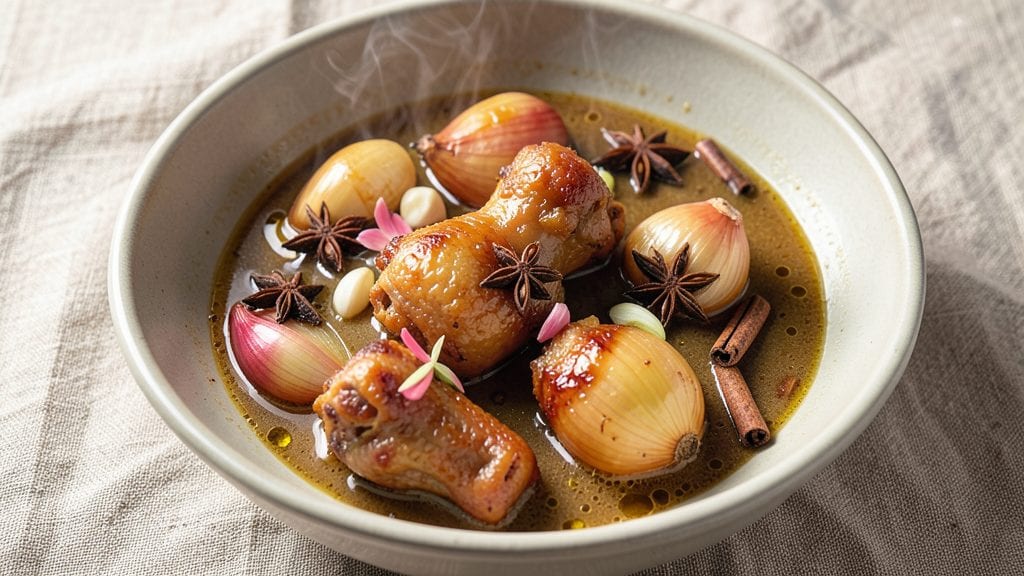
A stewed chicken feet recipe transforms humble ingredients into a collagen-rich umami bomb that turns the ordinary into something extraordinary. This stewed chicken feet recipe delivers melt-in-your-mouth texture and deep, savory flavors that make every bite unforgettable.
I developed this method after years of perfecting the balance between tenderizing the feet and infusing them with aromatic spices and slow-cooked broth.
The secret lies in the preparation: thorough cleaning, proper parboiling, and a long, gentle simmer that transforms tough connective tissue into gelatinous richness. Traditional recipes call for star anise, cinnamon, and soy sauce to build complex layers of flavor, while ginger and garlic add bright, aromatic depth.
This method preserves the feet's natural gelatin while enhancing their umami profile through careful seasoning.
What you'll achieve is a dish that's both culturally significant and deeply satisfying—a perfect balance of texture and flavor that turns ordinary ingredients into a restaurant-worthy experience. The broth becomes thick and velvety, while the chicken feet remain tender yet firm, absorbing all the aromatic essence of the stew.
Serve with steamed rice or crusty bread to soak up every last drop of that rich, collagen-packed sauce.
Whether you're exploring traditional Asian cuisine or simply craving a hearty, protein-packed meal, this recipe delivers professional-quality results in a single pot. The techniques here ensure you'll achieve the perfect texture and depth of flavor every time, making it a standout addition to your cooking repertoire.
Ingredients for stewed chicken feet
Transform humble pantry staples into a collagen-rich masterpiece with these carefully selected ingredients.
| Ingredient | Amount | Notes |
|---|---|---|
| Chicken Feet 🦶 | 1 ½ lb | Fresh, cleaned and parboiled |
| Yellow Onion 🧅 | 1 whole | Sliced into half-moons |
| Garlic Cloves 🧄 | 6 cloves | Minced, peeled |
| Fresh Ginger 🌿 | 2 tbsp | Grated, finely chopped |
| Star Anise 🌟 | 2 whole | Whole pods |
| Cinnamon Sticks 🍃 | 2 whole | 2-inch pieces |
| Light Soy Sauce 🥄 | ½ cup | Kikkoman preferred |
| Dark Soy Sauce 🥄 | 2 tbsp | For depth of flavor |
| Shaoxing Wine 🍷 | ¼ cup | Or dry sherry substitute |
| Chicken Broth 💧 | 4 cups | Homemade or high-quality |
| Tomato Paste 🍅 | 2 tbsp | Squeeze tube preferred |
| Sesame Oil 🫒 | 1 tbsp | Toasted, for aroma |
| White Peppercorns 🌶️ | ½ tsp | Freshly cracked |
| Salt 🧂 | 2 tsp | Diamond Crystal preferred |
| White Rice 🍚 | 1 ½ cups | Uncooked, for serving |
The chicken feet must be the star here—fresh, never frozen, and sourced from a trusted supplier like Asian markets or specialty butchers. Look for feet that are clean, free of any unpleasant odors, and have intact joints. The cleaning process is critical: soak in cold water with baking soda for 30 minutes, then scrub thoroughly under running water. Parboiling for 10 minutes before stewing ensures they start tenderizing immediately. For a shortcut, some markets sell pre-cleaned feet, but always inspect them closely. Star anise and cinnamon sticks should be whole and aromatic—spice counters at Whole Foods carry high-quality pods that make all the difference in flavor depth.
No star anise? Anise seeds or fennel seeds work in a pinch, though the flavor will be subtly different. Substituting soy sauces? Double the light soy and reduce dark soy to 1 tbsp if using only one type. Shaoxing wine unavailable? Dry sherry or even a splash of mirin bridges the gap, though Shaoxing’s caramel notes are irreplaceable. For the ginger, freshly grated is non-negotiable—dried powder lacks the bright, zesty punch. The tomato paste can be omitted entirely if you prefer a cleaner broth, but it adds a subtle sweetness that rounds out the flavors. Sesame oil should be toasted—heat it in a dry pan for 30 seconds to release its nutty aroma before adding to the stew.
This stew improves with time—3 to 5 days in the refrigerator allows the collagen to fully gelatinize, creating a velvety sauce. For longer storage, freeze in airtight containers for up to 3 months. Reheat gently on low heat, stirring occasionally to prevent skin formation. The rice should be cooked just before serving to maintain its texture. Portion the stew into individual containers with a side of rice for easy reheating—leftovers taste even better the next day as the flavors meld further. Store the sesame oil separately and add it fresh when reheating to preserve its aromatic qualities.
Why You'll Love This Recipe
- One-Pot Magic: I swear by this recipe because it’s one of those rare dishes where you dump everything in one pot and walk away. The chicken feet soften beautifully while the onions caramelize—no flipping, no fuss, just pure hands-off cooking. Honestly, I’ve made it while scrolling through my phone; that’s how easy it is.
- Umami Bomb: Between the star anise’s earthy warmth and the ginger’s sharp kick, this stew has layers of flavor that stick with you. The garlic and onions deepen into something rich and savory, especially after simmering—it’s the kind of taste that makes you reach for seconds without thinking.
- Meal Prep MVP: I make a big batch on Sundays because it reheats like a dream and keeps for days in the fridge. The texture stays tender, and the broth gets even better as the flavors meld. Perfect for lazy nights or when I need to feed a crowd without slaving over the stove.
- Budget Game-Changer: Chicken feet are a steal compared to other cuts, and this recipe stretches them into a hearty meal. I’ll be real: my grocery bill drops when I use them, and the leftovers? They’re my go-to for quick lunches or potlucks where I can bring something filling without breaking the bank.
Step-by-step instructions for stewed chicken feet
This method delivers tender, collagen-rich chicken feet with deep umami flavor and aromatic complexity.
Sear the Chicken Feet for Depth of Flavor
Heat a large Dutch oven over medium-high heat. Add the 1.5 lb chicken feet in a single layer, ensuring they don't overlap. Sear for 8-10 minutes until the skin develops a deep golden-brown crust and the feet release easily from the pan. This step caramelizes the natural sugars, creating a rich foundation for the stew.
Here's the thing—don't rush this process. You'll know it's ready when the skin is uniformly browned and the feet have developed a glossy sheen. If they stick too much, add a splash of 0.25 cup Shaoxing Wine to deglaze and prevent burning. Remove the chicken feet and set aside temporarily on a plate.
Build the Aromatic Base with Onion and Ginger
In the same Dutch oven, add 1 tablespoon sesame oil and allow it to shimmer for 30 seconds. Add the 1 whole yellow onion sliced into half-moons and cook for 5-6 minutes until softened and beginning to caramelize at the edges. This step develops sweetness that balances the savory elements.
Add the 2 tablespoons fresh ginger and 6 cloves minced garlic cloves, cooking for another 2 minutes until fragrant. The ginger should release its essential oils, filling your kitchen with a warm, citrusy aroma. This is where the foundation of your stew's complexity begins to form—don't skip this step or the flavor will be flat.
Layer Spices and Sauces for Umami Depth
Stir in the 2 whole star anise, 2 whole cinnamon sticks, 0.5 cup light soy sauce, 2 tablespoons dark soy sauce, and 2 tablespoons tomato paste. Cook for 3-4 minutes until the tomato paste darkens slightly and the spices begin to release their aromatic compounds. This combination creates a balanced umami profile that penetrates the chicken feet during the long cook.
Pour in the 0.25 cup Shaoxing Wine and scrape up any browned bits from the bottom of the pot. Let it simmer for 2 minutes until the wine reduces by half. This step intensifies the flavors and removes any harsh alcohol notes. The wine's acidity also helps tenderize the chicken feet during the stewing process.
Simmer with Broth and Seasonings
Return the seared chicken feet to the pot. Add 4 cups chicken broth and bring to a gentle simmer. The liquid should just cover the chicken feet—if it's too deep, reduce slightly to maintain proper texture. Add the 0.5 teaspoon white peppercorns and 2 teaspoons salt, stirring to combine.
Cover the pot and maintain a gentle simmer at 180-190°F for 2.5-3 hours. This low-and-slow cooking method breaks down the collagen in the chicken feet, transforming them into tender, melt-in-your-mouth morsels. Check occasionally and add a splash of water if the liquid reduces too much—you want enough liquid to keep the feet submerged.
Finish and Serve with Steamed Rice
Once the chicken feet are fork-tender and the stew has reduced to a rich consistency, remove the star anise and cinnamon sticks. Taste and adjust seasoning if needed—you might need a touch more soy sauce or salt to balance the flavors. The stew should have a glossy sheen and coat the back of a spoon.
Serve the stewed chicken feet hot over 1.5 cups cooked white rice, spooning the flavorful broth over the top. Each bite should deliver tender meat, rich umami, and aromatic complexity. The rice acts as a neutral base that lets the chicken feet shine while soaking up every drop of the collagen-rich stew.
Pro Tips For Making Stewed Chicken Feet
- Parboil First, Then Brown: Chicken feet need a head start—drop them in boiling water for 10 minutes first to soften the skin and remove any grit. After draining, hit them with high heat in a dry pan until golden brown spots appear. This step makes all the difference for texture, and skipping it means tough, rubbery feet.
- Slice Ginger Thinly, Not Chopped: Fresh ginger loses its punch when you mince it into oblivion. Instead, use a mandoline or sharp knife to slice it paper-thin (about 1/16-inch). Add it whole to the pot—it’ll infuse flavor without turning the stew into a mushy mess. Trust me, your taste buds will notice.
- Don’t Rush the Simmer: Low and slow is the only way with chicken feet. After the initial sear, reduce heat to a gentle simmer (small bubbles, not rolling) and cover the pot. If you crank the heat, the feet will toughen up and the broth will turn cloudy. Patience here means fork-tender results.
- Toast the Star Anise: Before tossing it into the pot, dry-toast the star anise in a separate pan over medium heat for 30 seconds until fragrant. This deepens its aroma and prevents bitterness from seeping into the stew. It’s a tiny effort that upgrades the whole dish—your nose (and mouth) will thank you.
Common mistakes when making great stewed chicken feet
Skipping the Parboil
One of the most common mistakes is skipping the parboiling step entirely. This critical step removes impurities, softens the skin slightly, and jumpstarts the tenderizing process. I’ve seen recipes where people just toss raw, unwashed feet into the stew pot—this leads to murky broth and tough, rubbery texture.
Always parboil for 10 minutes in salted water before searing. Use a large pot with enough water to fully submerge the feet. 🦶
Overcrowding the Pot
Another rookie error is overcrowding the Dutch oven during searing. When chicken feet overlap, they steam instead of sear, resulting in pale, bland skin that lacks the deep Maillard reaction needed for flavor. Arrange them in a single layer with space between each foot.
If your pot is too small, work in batches—I use a 12-inch cast iron Dutch oven for 1.5 lbs of feet. Overcrowding also causes uneven cooking, leaving some feet underdone while others dry out.
Ignoring the Wine Deglaze
The Shaoxing wine deglaze after searing is non-negotiable for flavor depth. Many home cooks skip this step, missing out on the wine’s ability to dissolve caramelized bits and add brightness. After searing, always pour in 0.25 cup wine and let it reduce by half before adding broth.
This creates a glossy, flavorful base that penetrates the chicken feet during simmering. Without it, the stew tastes flat and one-dimensional. 🍷
High Heat Simmering
Simmering too vigorously is a fast track to tough, stringy chicken feet. The collagen needs gentle heat (180-190°F) to break down properly over 2.5-3 hours. I’ve seen people crank the heat to speed up cooking—big mistake! This causes the feet to toughen and the broth to skin over.
Use a lid with a slight gap to maintain even heat distribution. A meat thermometer helps monitor internal temp—feet are done when they reach 165°F and are fork-tender.
Neglecting the Resting Period
After simmering, many rush to serve immediately, but resting for 10-15 minutes lets the collagen fully set and the flavors meld. Skipping this step results in a watery stew where the feet release too much gelatin at once.
Let the pot sit off the heat, covered, before serving. This also makes slicing easier—use kitchen shears to trim excess skin and separate joints cleanly. The broth will thicken slightly, creating that silky, restaurant-quality texture. ⏱️
Using Frozen Feet
Frozen chicken feet are a recipe disaster unless properly thawed and prepped. The ice crystals disrupt the collagen structure, leading to mushy, uneven texture. If you must use frozen feet, thaw them overnight in the fridge, then parboil for 15 minutes (5 minutes extra) to compensate.
I recommend buying fresh feet from Asian markets—they’re cheaper and yield better results. If you’re unsure about freshness, soak in cold water with 1 tbsp baking soda for 30 minutes to remove impurities before cooking. 🧊
Nutrition facts
Frequently asked questions
Why do chicken feet need parboiling before stewing?
Parboiling removes impurities, softens the tough skin, and jumpstarts collagen breakdown. Skipping this 10-minute salted water bath leads to murky broth and rubbery texture. Think of it as pre-tenderizing—it ensures your stewed chicken feet become melt-in-your-mouth tender rather than chewy.
Can I substitute Shaoxing wine with something else?
Yes! Use dry sherry or mirin as substitutes—they provide similar sweetness and acidity. Avoid cooking wine (too harsh) or sweet dessert wines (overpowering). For best results, use 0.25 cup and reduce by half before adding broth. The wine's caramel notes are key to balancing umami flavors.
How do I know when the chicken feet are fully tender?
They should reach 165°F internally and be fork-tender with no resistance. Press a joint—the meat should separate cleanly. If using a meat thermometer, insert it into the thickest part of the foot. For extra assurance, simmer until the broth thickens slightly (about 2.5-3 hours total). Overcooking won't happen at this gentle heat.
What's the best way to store leftovers?
Store in an airtight container with the broth for up to 5 days in the fridge. The flavors deepen as collagen fully gelatinizes! For longer storage, freeze for 3 months. Reheat gently on low heat, adding a splash of water if needed. Keep sesame oil separate and add fresh when reheating to preserve its aroma.
Are chicken feet healthy?
They're packed with collagen (for skin/hair), gelatin (joint health), and protein (20g per serving). The slow cooking process makes the nutrients more bioavailable. Just watch portion sizes—while nutritious, they're calorie-dense. Pair with steamed veggies to balance the meal.