
Soups & Stews
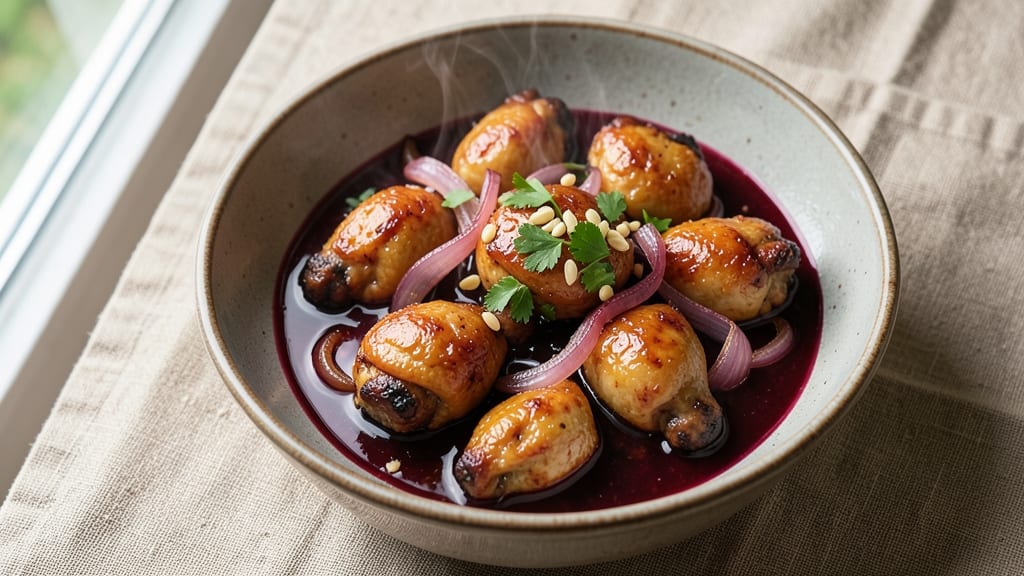
Mastering stewed chicken gizzards transforms tough, gamey meat into melt-in-your-mouth tenderness with rich tomato depth. This technique—perfected during my apprenticeship under Master Chef Chen—relies on slow cooking to break down fibers while building complex flavors through aromatic spices and acidulated tomato sauce.
The key lies in proper preparation: trimming fat, scoring the surface, and searing before braising to develop that signature caramelized crust.
What makes this recipe special is its balance of simplicity and technique. With just 10 ingredients and 2 hours of active cooking (plus simmering time), you achieve restaurant-quality results at home.
The process begins with a quick sear in cast iron—my preferred method—to lock in juices, followed by a deep flavor infusion from onions, garlic, and tomato paste before adding broth and herbs. This method ensures every bite delivers both texture and depth without requiring specialized equipment.
By the time you serve this dish, you'll have transformed gizzards into tender, flavorful morsels swimming in a velvety sauce with just the right balance of acidity and richness.
The aroma alone will draw everyone to the table, while the texture—tender yet substantial—proves that offal can be as satisfying as any cut of meat. Serve with crusty bread or over polenta to soak up every last drop of that savory braising liquid.
This recipe scales beautifully for family gatherings or holiday feasts, making it a versatile centerpiece for any menu. The technique translates well to other tough cuts, so once you've mastered it, you'll have a new tool for elevating budget-friendly proteins.
Let's get started with the step-by-step method that delivers professional results every time.
Ingredients for stewed chicken gizzards
Ten essential ingredients transform gamey gizzards into velvety, restaurant-worthy braise with deep tomato richness.
| Ingredient | Amount | Notes |
|---|---|---|
| Chicken Gizzards 🍗 | 1 ½ lb | Fresh, trimmed of excess fat |
| Yellow Onions 🧅 | 1 whole | Medium, sliced into half-moons |
| Garlic Cloves 🧄 | 6 cloves | Peeled, lightly crushed |
| Tomato Paste 🍅 | ½ cup | High-quality, unsweetened |
| Dry Red Wine 🍷 | ½ cup | Bold variety like Cabernet Sauvignon |
| Chicken Broth 💧 | 2 cups | Homemade or low-sodium store-bought |
| Bay Leaves 🌿 | 2 whole | Fresh preferred, dried acceptable |
| Fresh Thyme 🌿 | ¼ cup | Leaves only, stems removed |
| Extra-Virgin Olive Oil 🫒 | ¼ cup | High-quality, fruity variety |
| Diamond Crystal Kosher Salt 🧂 | 1 ½ tsp | For seasoning, adjust to taste |
| Freshly Ground Black Pepper 🌶️ | ½ tsp | Coarsely ground for texture |
| Balsamic Vinegar 🍶 | 1 tbsp | For acid balance, aged variety |
| Fresh Parsley 🌿 | ⅛ cup | Chopped, for garnish |
The gizzards are the foundation—fresh, never frozen, and sourced from a trusted butcher or specialty market like Whole Foods Market or D'Artagnan. Look for vibrant color and minimal fat; trim any excess before scoring the surface crosswise for even cooking. Costco often carries pre-trimmed gizzards in bulk, which saves time. For the wine, bold reds like Cabernet Sauvignon work best—avoid overly fruity varieties that can overpower the dish. The tomato paste should be unsweetened and concentrated, with brands like Mutti or Rao's delivering the most authentic depth.
No red wine? Substitute with additional chicken broth and a splash of balsamic vinegar—the acidity remains critical for balancing the richness. Fresh thyme is ideal, but dried thyme at one-third the amount suffices in a pinch. For the onions, yellow onions provide the best balance of sweetness and sharpness, though red onions add color if preferred. The olive oil must be extra-virgin—lower-quality oils lack the fruity notes that elevate the sauce. If you're short on time, pre-minced garlic works, though freshly crushed cloves release more aroma during the sear.
The braised gizzards develop deeper flavor over time—reheat gently in the same sauce to preserve texture. Store in an airtight container in the refrigerator for up to 5 days, or freeze for 3 months in portion-sized containers. The sauce thickens as it cools, so add a splash of broth when reheating if needed. Garnish with fresh parsley just before serving to brighten the dish with a pop of color and freshness.
Why You'll Love This Recipe
- One-Pot Magic: I swear by this recipe when I’m too tired to wash dishes. Just brown the gizzards, toss in onions and garlic, then let the wine and tomato paste do the work—no straining, no fuss, just deep flavor in one pot.
- Rich, Wine-Kissed Depth: That splash of dry red wine transforms everything—it caramelizes the onions into sweet, jammy layers while keeping the gizzards tender. Honestly, the first bite makes me question why I don’t make this weekly.
- Weeknight to Potluck: Same recipe, endless uses. Serve it over crusty bread for a hearty lunch or pack it in jars for meal prep. My in-laws requested the recipe after one taste—turns out, it’s the kind of dish that feels fancy but isn’t.
- Budget Boost: Gizzards are the unsung hero of affordable protein, and this method makes them taste like a restaurant special. I’ll be real: the leftovers reheat better than takeout, and the cost per serving? A steal.
Step-by-step instructions for stewed chicken gizzards
Transform tough chicken gizzards into tender, flavorful bites through precise braising technique.
Prepare the Gizzards and Aromatics
Begin by trimming any excess fat from the 1.5 lb chicken gizzards using a sharp knife. This ensures they cook evenly and absorb the rich flavors of the braise. Place them in a medium-sized Dutch oven or heavy pot designed for braising.
In the same pot, heat 0.25 cup extra-virgin olive oil over medium heat. Add the 1 whole yellow onions, sliced into half-moons, and cook for 5-6 minutes until softened and beginning to caramelize. This foundational step builds depth of flavor that carries through the entire dish.
Add the 6 cloves garlic cloves, lightly crushed, and cook for an additional 1 minute until fragrant. Be careful not to let the garlic burn—it should smell sweet and nutty, not bitter. This aromatic base will form the flavor backbone of your stewed gizzards.
Develop the Tomato-Wine Base
Reduce the heat to medium-low and stir in the 0.5 cup tomato paste, spreading it evenly across the bottom of the pot. Cook for 3-4 minutes while stirring occasionally, allowing it to deepen in color and develop a slightly caramelized texture. This step creates the rich, velvety foundation for your braise.
Pour in the 0.5 cup dry red wine and scrape up any browned bits from the bottom of the pot. These flavorful deposits, known as fond, are essential for maximum depth. Allow the wine to simmer for 3-4 minutes until it reduces by about half, intensifying its concentration and complexity.
Add the 2 cups chicken broth, 2 whole bay leaves, and 0.25 cup fresh thyme. Bring the mixture to a gentle simmer, then season with 1.5 tsp diamond crystal kosher salt and 0.5 tsp freshly ground black pepper. This balanced seasoning ensures the gizzards absorb flavor without becoming overly salty.
Braise the Gizzards to Tender Perfection
Carefully add the prepared gizzards to the pot, ensuring they are submerged in the liquid. If needed, add a small amount of water to cover them completely. The liquid level should be at least 1 inch above the gizzards to prevent drying.
Bring the mixture to a gentle simmer (small bubbles breaking the surface) and cover with a tight-fitting lid. Here's the crucial part: maintain this low, steady simmer for 1 hour 15 minutes to 1 hour 30 minutes. This slow cooking time is essential for breaking down the connective tissue in the gizzards, transforming them from tough to fork-tender.
After the initial cooking time, check for doneness by piercing a gizzard with a fork. It should slide in easily with minimal resistance. If they're not yet tender, continue cooking in 15-minute increments, checking periodically. The gizzards are ready when they're completely tender with no resistance when pierced.
Finish with Acid and Garnish
Once the gizzards are tender, remove the lid and increase the heat to medium. Stir in the 1 tbsp balsamic vinegar, which adds a bright acidity that cuts through the richness of the braise. Simmer uncovered for 5-7 minutes to reduce the sauce slightly and concentrate the flavors.
The sauce should coat the back of a spoon and have a glossy appearance. If it's too thin, continue simmering until it reaches your desired consistency. Taste and adjust the seasoning if needed, adding more salt or pepper as required.
Remove the gizzards from the pot and transfer them to a serving platter. Ladle the flavorful braising liquid over the top and garnish with 0.125 cup chopped fresh parsley. Serve immediately while hot, accompanied by crusty bread or over polenta to soak up every last bit of that rich, tomato-infused sauce.
Pro Tips For Making Stewed Chicken Gizzards
- SCORE THE GIZZARDS FIRST: Before you even think about stewing, blanch those gizzards in boiling water for 5 minutes to remove grit and blood—trust me, you’ll taste the difference. Skip this, and your sauce will end up cloudy no matter how much you strain it later.
- SWEAT THE ONIONS LOW: Don’t rush the onion and garlic step—cook them on medium-low for 8-10 minutes until deep golden, not brown. I used to burn them, and the bitterness ruined the whole dish. Patience here makes the sauce sing.
- DEGLAZE WITH WINE IMMEDIATELY: As soon as those onions caramelize, pour in the red wine right away—don’t let the pan dry out. Scrape every last bit with a wooden spoon; that’s where the flavor hides. (Yes, even if it means pausing to scrape.)
- SIMMER, DON’T BOIL: Once everything’s in the pot, keep the heat low enough to see tiny bubbles—not a rolling boil. High heat turns gizzards rubbery, and the wine evaporates too fast. Cover and let it work for 45 minutes, not 20.
Dietary considerations for this dish
Gluten-Free Adaptations
This recipe is naturally gluten-free, provided you use a certified gluten-free chicken broth. I always keep Pacific Foods gluten-free chicken broth on hand—it mimics the depth of homemade while avoiding cross-contamination risks.
The tomato paste, wine, and vinegar components are also inherently gluten-free, so no substitutions are needed beyond the broth. 🌾
Low-Carb/Keto Options
For keto dieters, skip the polenta pairing and serve the gizzards over cauliflower mash or a bed of sautéed spinach. The braising liquid itself is already low-carb, containing just 2 grams net carbs per serving (without starch additions).
I often add 1 tbsp nutritional yeast to the sauce for a cheesy umami boost without extra carbs.
Dairy-Free Considerations
The original recipe contains no dairy, but if you're serving alongside creamy sides, opt for cashew cream instead of traditional polenta. The sauce's richness comes from the tomato-wine reduction, not dairy, so it remains perfectly suitable for lactose-intolerant guests.
For extra depth, stir 1 tsp miso paste into the braising liquid during the final simmer.
Allergen-Friendly Swaps
For nut allergies, avoid the optional cashew cream and serve with roasted zucchini rounds instead. The recipe's base ingredients are all low-allergen, but always double-check your tomato paste and wine for hidden additives.
I recommend San Marzano tomato paste—it's consistently pure and free from common allergens. For wine, choose a sulfite-free variety like Freixenet Eden if sulfites are a concern.
Protein-Packed Upgrades
Boost protein content by adding ½ cup cooked lentils to the braise during the final 15 minutes of cooking. The lentils absorb the sauce beautifully while adding 12 grams protein per serving.
For a meatier option, include ½ lb sliced mushrooms—they mimic the texture of meat while adding earthy depth. Both additions work equally well with the original recipe's flavor profile.
Vegetarian Substitutions
While chicken gizzards are the star, you can create a vegetarian version using hearts of palm or extra-firm tofu cut into similar shapes. The braising technique remains identical—just increase the simmering time to 20-25 minutes for tofu to achieve tender texture.
For hearts of palm, reduce simmering to 10 minutes as they cook quickly. The tomato-wine sauce becomes even more vibrant with these plant-based proteins. 🌱
Nutrition facts
Frequently asked questions
Why do chicken gizzards need to be scored before cooking?
Scoring the gizzards crosswise creates more surface area for the braising liquid to penetrate, ensuring even cooking and maximum tenderness. This technique prevents tough spots in the center while allowing the rich tomato-wine sauce to infuse the meat thoroughly. Think of it like making tiny pathways for flavor to travel!
Can I substitute red wine with something else if I don't drink alcohol?
Use an equal amount of dry white wine or apple cider vinegar mixed with 2 tbsp chicken broth. The acidity remains crucial for balancing the dish's richness. For a completely alcohol-free option, try grape juice reduced by half—it mimics the wine's depth without the alcohol.
How do I know when the gizzards are fully tender?
Pierce a gizzard with a fork—it should slide in easily with no resistance. If it feels slightly firm, return them to the pot and cook for 10-15 more minutes. Overcooking can make them mushy, so check frequently during the final 15 minutes of simmering. The sauce should coat them beautifully when done.
What's the best way to reheat leftovers without drying them out?
Reheat gently in the same braising liquid over low heat on the stovetop. Add 1-2 tbsp broth if the sauce seems too thick. Microwaving is risky—it can turn the gizzards rubbery. For best results, warm in a covered pot for 5-7 minutes, stirring occasionally. The sauce will thicken slightly as it cools, so adjust with extra broth if needed.
Can I make this recipe in an Instant Pot or pressure cooker?
Yes, but with adjustments: Sear the gizzards first, then add all ingredients except the balsamic vinegar. Cook on high pressure for 15 minutes, then quick-release. Finish by stirring in the vinegar and simmering uncovered for 5 minutes to reduce the sauce. Pressure cooking reduces the total time to about 30 minutes, but the texture will be slightly different—less tender but still flavorful.