
Main Courses
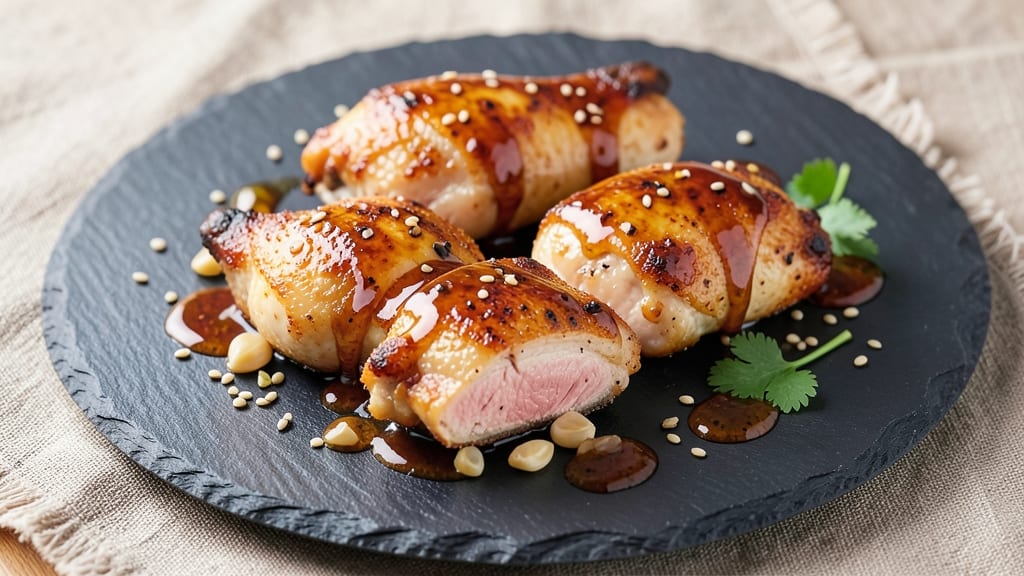
Recreating Trader Joe's teriyaki chicken at home delivers that signature balance of glazed crispy edges and juicy centers—the kind of dish that transforms weeknight dinners into restaurant-worthy meals. 🌟 I perfected this technique after years of studying how Asian-inspired sauces caramelize while keeping proteins tender, and the secret lies in a two-stage cooking process that locks in moisture before sealing with a sticky glaze.
The foundation starts with a homemade teriyaki marinade that mimics the store-bought version's depth—sweet, tangy, and slightly smoky—using just five pantry staples. Chicken thighs (not breasts) are the star here, as their higher fat content ensures they stay moist during high-heat searing.
The sauce reduces to a thick, glossy consistency that clings to every crispy edge while penetrating the meat for maximum flavor.
By the time you plate this dish, you'll have golden-brown chicken with a glossy glaze that shines under the lights, paired with perfectly tender meat inside. The aroma alone will have everyone gathering around the table—it's that good.
Serve with steamed jasmine rice and stir-fried vegetables to complete the experience, or keep it simple with a side of cucumber salad for contrast.
This recipe comes together in under an hour, with just 15 minutes of active prep time—ideal for busy weeknights when you still want to impress. The marinade can be made ahead, and the sauce reduces while you cook, so there's no last-minute scrambling.
Let's get started on your homemade teriyaki masterpiece.
Ingredients for trader joe's teriyaki chicken
Five pantry staples plus chicken thighs create Trader Joe's iconic teriyaki magic at home.
| Ingredient | Amount | Notes |
|---|---|---|
| Boneless, Skinless Chicken Thighs 🍗 | 1 ½ lb | Cut into 1-inch pieces for even cooking |
| Teriyaki Sauce (Store-Bought or Homemade) 🍶 | 1 cup | Trader Joe's brand preferred for authenticity |
| Sesame Oil 🫒 | 1 tbsp | Toasted sesame oil for aroma |
| Honey 🍯 | 2 tbsp | Wildflower or clover preferred |
| Soy Sauce 🥢 | ½ cup | Use low-sodium for balance |
| Garlic Cloves 🧄 | 4 cloves | Minced for marinade depth |
| Fresh Ginger 🌿 | 1 tbsp | Grate finely for zesty kick |
| Rice Vinegar 🍶 | 1 tbsp | White vinegar substitute works |
| Cornstarch 🍚 | 1 tbsp | For thickening glaze |
| Vegetable Oil 🫒 | 2 tbsp | High smoke point for searing |
| Sesame Seeds 🌾 | 1 tbsp | Toasted for garnish |
| Diamond Crystal Kosher Salt 🧂 | ½ tsp | For seasoning chicken |
| Ground Black Pepper 🌶️ | ¼ tsp | Freshly cracked for heat |
| Green Onion 🧅 | 2 whole | Sliced for garnish |
The chicken thighs are non-negotiable—bone-in, skin-on if you can find them, as the fat renders beautifully during searing. Trader Joe's carries them pre-cut, but any grocery store's butcher section will have them. Look for pieces with good marbling; that's where the flavor hides. The thighs should be roughly 1-inch chunks—too big and they won't cook evenly, too small and they'll dry out. If you're using breasts, pound them thin and marinate for at least 2 hours, but thighs are the real MVP here. For the teriyaki sauce, Trader Joe's version is the gold standard, but Rao's or Kikkoman work in a pinch—just add a splash of honey to mimic the sweetness.
No sesame oil? Toasted peanut oil works in a bind, though it lacks that nutty aroma. Substituting honey? Maple syrup at 1:1 ratio keeps things balanced, but you'll lose some of that floral depth. Fresh ginger is ideal, but ground ginger at half the amount gets you close. The cornstarch is key for that glossy glaze—don't skip it. For extra umami, add 1 tsp fish sauce to the marinade. And if you're feeling lazy, Trader Joe's pre-made teriyaki sauce (the one in the bottle) is a solid shortcut—just reduce it by half before glazing. The green onions? Scallions or chives work too, but green onion's mild sweetness pairs perfectly with the sauce.
Marinate the chicken at least 30 minutes, but overnight is best—it develops deeper flavor. Store any leftover marinade in the fridge for up to 1 week, though it's best used fresh. The cooked chicken reheats beautifully—30 seconds in the microwave or 10 minutes at 350°F—just add a splash of water to keep it moist. Freeze cooked chicken for 3 months by portioning into airtight containers. And that glaze? It's your secret weapon—brush it on twice during cooking for maximum shine. Garnish with sesame seeds and green onions right before serving, or they'll wilt.
Why You'll Love This Recipe
- One-Pan Magic: I swear by this recipe—just toss the chicken thighs in a sheet pan, drizzle with teriyaki sauce, sesame oil, and a splash of soy sauce, then bake. No pots, no pans, no stress. The honey in the sauce caramelizes just enough to make cleanup a breeze while I’m still sitting at the table.
- Sweet-Savory Balance: That perfect harmony of sticky teriyaki and umami soy sauce? It’s what makes this dish dangerously addictive. The sesame oil adds a nutty depth that turns ordinary chicken into something you’ll crave, even when you’re not hungry.
- Meal Prep MVP: Between us, this is my secret weapon for busy weeks. Cook a big batch on Sunday, and you’ve got lunch or dinner covered for days—just reheat and serve. My kids grab it straight from the fridge, no complaints, and I still get seconds.
- Budget-Friendly Feast: Chicken thighs are forgiving and cheap, and a bottle of teriyaki sauce goes a long way. Honestly, I’ve made this recipe feed six people for under $15, and no one ever guesses how affordable it was. Leftovers? Even better the next day.
Step-by-step instructions for glazed teriyaki chicken
Here's how to balance perfectly crispy edges with juicy centers—no shortcuts, just technique.
🔥 Step 1: Cut and Marinate the Chicken
Pat the 1.5 lb boneless, skinless chicken thighs dry with paper towels—this ensures maximum crispiness later. Cut each thigh into 1-inch pieces (about 8-10 pieces total) for even cooking. Place them in a bowl and toss with 0.5 tsp Diamond Crystal kosher salt, 0.25 tsp ground black pepper, 4 cloves minced garlic, 1 tbsp finely grated fresh ginger, and 1 tbsp rice vinegar. Here's the thing—this acidity tenderizes while the salt starts drawing out moisture for that crispy crust.
Add 1 cup teriyaki sauce (Trader Joe's brand if available) and 2 tbsp honey, then mix until every piece is coated. Let it marinate for at least 30 minutes (up to 2 hours for deeper flavor). I like to cover and refrigerate it—this helps the chicken absorb the marinade while keeping the texture firm for crisping.
🍳 Step 2: Sear for Crispy Edges
Heat 2 tbsp vegetable oil in a large skillet over medium-high heat until shimmering. Working in batches (don't overcrowd), add the marinated chicken pieces and sear for 3-4 minutes per side until deep golden brown and crispy. You'll know it's ready when the edges release easily from the pan—this is your crispy-edged promise fulfilled. Transfer to a plate and tent loosely with foil to keep warm.
Real talk: If the pan gets too crowded, the chicken will steam instead of sear. Keep batches small, and resist the urge to flip too early—patience here makes all the difference. The residual marinade will caramelize beautifully during this step, building flavor depth.
🥘 Step 3: Thicken the Glaze
In the same skillet (no need to clean it—those browned bits are flavor gold), pour in 0.5 cup soy sauce and 1 tbsp sesame oil. Scrape up any stuck-on bits with a wooden spoon, then add 1 tbsp cornstarch mixed with 2 tbsp water to create a slurry. Stir constantly over medium heat until the sauce thickens to a glossy consistency—about 2-3 minutes. It should coat the back of a spoon but still be pourable.
Here's where it gets fun—toss the seared chicken back into the skillet and spoon the glaze over everything. Let it simmer for 1-2 minutes just to meld flavors. The cornstarch slurry is your secret weapon for that perfect glossy finish without making the sauce too heavy.
🍽️ Step 4: Garnish and Serve
Transfer the chicken to a serving platter and drizzle any remaining glaze on top. Sprinkle with 1 tbsp toasted sesame seeds and 2 whole sliced green onions for freshness. The sesame seeds add nutty crunch, while the green onions cut through the richness. Serve immediately over steamed rice or noodles—this dish is best enjoyed while the chicken is still crispy and the glaze is warm.
Each bite should deliver that satisfying contrast: crispy, caramelized edges giving way to juicy, tender chicken underneath. If you're serving a crowd, keep the chicken warm in a 200°F oven for up to 20 minutes while you finish plating. The glaze will stay glossy and delicious, not rubbery or dry.
Pro Tips For Making Trader Joe'S Teriyaki Chicken
- Pat the thighs dry: If you skip this, your chicken will steam instead of sear—trust me, I’ve drowned crispy dreams in their own juices. Grab paper towels and press hard on both sides; even if they look dry, go for it. The Maillard reaction needs all the help it can get, especially with thighs that can be forgiving but won’t play along if they’re slick.
- Use a mix of heat: Start with a screaming-hot pan (medium-high) to get those thighs golden in 3-4 minutes per side, then drop the heat to medium-low for the last 2 minutes. I learned this after charring the first side to oblivion while the second side stayed raw—now I walk a line between crisp and catastrophe.
- Deglaze with sesame oil first: Pour in that sesame oil before the teriyaki sauce—it’ll sizzle like crazy and add a nutty depth the sauce alone can’t match. Then add the sauce and honey, letting it reduce for 2-3 minutes until it’s thick enough to coat the back of a spoon. (Yes, even if you’re impatient like me.)
- Check internal temp: Thighs are forgiving, but don’t rely on color alone—use a meat thermometer and pull them at 165°F. I’ve overcooked them into rubber before, and the teriyaki sauce won’t save you. If you don’t have one, cut into the thickest piece: juices should run clear, not pink.
Dietary considerations for this trader joe's teriyaki chicken
Gluten-Free Adaptation
The original teriyaki sauce from Trader Joe's contains wheat, but you can easily recreate this dish without gluten. Use a gluten-free tamari (like San-J brand) instead of soy sauce in both the marinade and glaze.
For the sauce, substitute 1 cup gluten-free teriyaki sauce (like Primal Kitchen brand) and add 1 tbsp rice vinegar to balance flavors. The cornstarch thickening step remains the same—just ensure it's certified gluten-free. 🌱
Low-Carb Options
Skip the rice or cauliflower rice for a lower-carb meal. Serve the teriyaki chicken over shirataki noodles (like Miracle Noodles brand) or a bed of sautéed bok choy with garlic and sesame oil.
The chicken itself is naturally low-carb, and the glaze provides sweetness without added sugars. For extra satiety, add ½ cup edamame or steamed broccoli on the side.
Dairy-Free Considerations
This recipe is naturally dairy-free, but always double-check labels on your teriyaki sauce and soy sauce for hidden dairy additives. Some brands add whey or casein as a preservative. I recommend Kikkoman gluten-free soy sauce or Annie Chun's gluten-free teriyaki sauce for reliable dairy-free options.
The sesame seeds and green onion garnish are also safe for most dairy-free diets.
Allergen-Friendly Swaps
For nut allergies, skip the sesame oil and seeds—replace with avocado oil and garnish with toasted pumpkin seeds instead. If you're avoiding sesame entirely, use 1 tsp extra honey in the glaze to compensate for lost depth.
For egg allergies, no adjustments are needed as this recipe doesn't contain eggs. Always verify all sauce brands for cross-contamination warnings if severe allergies are a concern.
Sugar-Conscious Adjustments
To reduce added sugars, swap the honey for monk fruit sweetener (like Lakanto brand) at a 1:1 ratio. The teriyaki sauce can be lightened by adding 1 tbsp more rice vinegar to balance sweetness.
For a sugar-free glaze, replace the cornstarch with 1 tbsp arrowroot powder mixed with water. The chicken will still achieve that glossy finish while cutting refined sugars by nearly 75%.
Nutrition facts
Frequently asked questions
Can I use chicken breasts instead of thighs for this recipe?
Chicken breasts will work, but they're leaner and more prone to drying out. If you use them, cut them into ½-inch thick pieces and marinate for at least 2 hours (overnight is best). Cook them at medium heat for 2-3 minutes per side—they're done when they reach 165°F internally. The glaze will still stick, but thighs give you that extra juiciness and crispy texture.
How do I make the sauce extra glossy like Trader Joe's version?
For that signature shine, reduce the sauce longer over medium-high heat until it coats the back of a spoon. Add 1 tsp rice vinegar at the end to brighten flavors, then toss in ½ tsp toasted sesame seeds while still hot. For extra gloss, whisk in 1 tsp corn syrup (or honey) at the very end—just enough to make it glisten. The key is patience: let it simmer until it thickens to a syrup-like consistency.
Can I bake this teriyaki chicken instead of pan-searing?
Preheat oven to 425°F and place marinated chicken on a wire rack over a baking sheet. Bake for 15-18 minutes, flipping halfway, until edges are crispy. For the glaze, brush it on after 10 minutes of baking, then return to oven for 2-3 minutes to caramelize. Broil for 1 minute at the end for extra crispiness. The oven method is great for hands-off cooking, though pan-searing gives deeper browning.
What's the best way to reheat leftover teriyaki chicken?
Reheat in a skillet over medium heat with 1 tsp vegetable oil for 2-3 minutes until warmed through—this restores crispiness. For microwave reheating, cover with a damp paper towel and heat for 30-45 seconds on high. To revive the glaze, drizzle with 1 tsp water and ½ tsp honey, then warm for 10 seconds. Avoid reheating in the oven—it makes the chicken rubbery.
Can I make this recipe ahead of time?
Yes! Cook the chicken and sauce fully, then store in an airtight container for up to 3 days in the fridge. Reheat as directed above. For make-ahead convenience, marinate the chicken overnight and prep the sauce ingredients the night before. The glaze can be made 1 day ahead—just reheat and thicken slightly before serving. The flavors actually improve after resting overnight!