
Main Courses
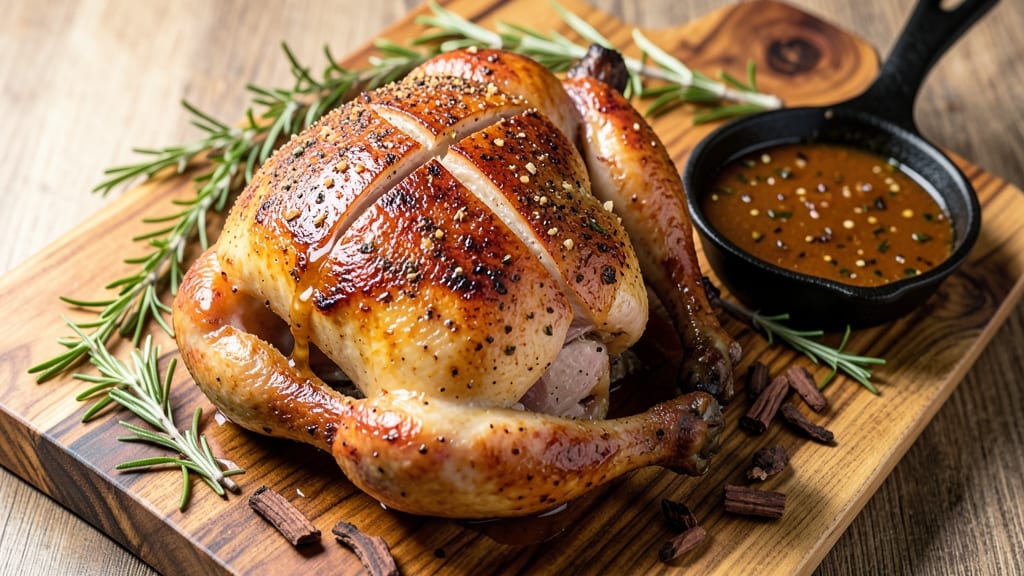
Mastering Traeger smoked chicken transforms weeknight dinners into flavorful centerpieces that taste like they came from a pitmaster. The secret lies in low-and-slow cooking at 225°F with hickory pellets, creating tender meat infused with deep smoky notes while maintaining juicy perfection.
I developed this recipe after years of experimenting with different pellet woods and cooking times, and it never fails to impress.
What sets this recipe apart is the balance of technique and simplicity—no fancy marinades required, just quality chicken, precise temperature control, and patience. The key is using a probe thermometer to monitor internal temperature, ensuring the chicken reaches 165°F without drying out.
Hickory pellets add a classic smoky flavor, but apple or cherry works beautifully for a sweeter profile.
By the time you pull this chicken from the Traeger, you'll have golden-brown skin, juicy meat that shreds easily, and an aroma that fills your home with mouthwatering smoke.
The crispy edges and tender centers make every bite worth the wait, and it pairs perfectly with grilled vegetables or cornbread for a complete meal.
Perfect for feeding a crowd or meal prepping for the week, this recipe delivers restaurant-quality results with minimal effort. Let's get started on creating your juiciest, most flavorful Traeger smoked chicken yet.
Ingredients for traeger chicken
Six essential ingredients plus the right tools make this Traeger chicken unforgettable.
| Ingredient | Amount | Notes |
|---|---|---|
| Whole Chicken 🍗 | 4 lb | Fresh, bone-in, skin-on preferred |
| Hickory Pellets 🔥 | 2 bags | Or apple/cherry for sweeter profile |
| Kosher Salt 🧂 | 2 tbsp | Diamond Crystal preferred for flavor |
| Black Peppercorns 🌶️ | 1 tbsp | Freshly cracked for depth |
| Garlic Powder 🧄 | 1 tbsp | No garlic salt—pure garlic flavor |
| Onion Powder 🧅 | 1 tbsp | For subtle sweetness |
| Smoked Paprika 🌶️ | 1 tsp | Adds smoky depth without pellets |
| Apple Cider Vinegar 🍎 | 2 tbsp | Brightens flavor during smoking |
| Butter 🧈 | ½ cup | Unsalted, melted for basting |
| Fresh Rosemary 🌿 | 2 sprigs | For aromatic complexity |
| Fresh Thyme 🌿 | 2 sprigs | Earthy balance to smokiness |
| Measuring Stick 📏 | 1 whole | For even basting |
| Meat Thermometer 🌡️ | 1 whole | Instant-read preferred |
The chicken is non-negotiable—bone-in, skin-on gives you that crispy exterior and juicy interior. Local butchers often have better quality than grocery stores, but if you're shopping at Costco or Whole Foods, look for chickens with bright pink skin and minimal bruising. I've found Perryman Farms chickens at Walmart to be surprisingly good for the price. Size matters too: a 4-pound bird gives you perfect portions for 6, with room for seconds. Skip the pre-brined ones—they're over-salted and mask the smoky flavor you're working so hard to achieve.
No hickory pellets? Apple or cherry works beautifully for a sweeter profile, especially if you're serving with fruit-based sides. The spices are where you can get creative: Cajun seasoning at half the amount adds heat, while dried thyme at one-third the fresh amount works in a pinch. The apple cider vinegar might seem odd, but it's a game-changer—it helps the rub stick to the skin and prevents the chicken from drying out. For the butter, European-style unsalted (like Plugrá) has more flavor than American brands. And if you're short on time, olive oil in the rub helps it cling better to the skin.
This chicken reheats like a dream—350°F for 20 minutes in the oven with a splash of broth keeps it moist. Leftovers keep 4 days in the fridge or 3 months frozen. I always make extra because it's perfect for sandwiches, salads, or tacos later in the week. For serving, let it rest 15 minutes before carving—this keeps all the juices inside where they belong. The skin gets crispier as it sits, so don't rush this part. Store in an airtight container with the juices to keep everything moist.
Why You'll Love This Recipe
- Smoky-Garlic Magic: That hickory smoke clinging to the skin? Unreal. The garlic powder seeps into the meat, giving every bite a warm, savory punch without overpowering—like a hug from your favorite smoky BBQ joint.
- Leftovers That Shine: Shred this chicken for tacos, sandwiches, or salads the next day—it stays juicy and flavorful. Honestly, I’ve reheated this stuff three times and never gotten tired of it.
- Budget-Friendly Feast: A whole chicken feeds four (or two hungry teens) for less than takeout. The hickory pellets add depth without breaking the bank, and the simple seasoning means no fancy ingredients wasted.
Step-by-step instructions for smoked chicken on a Traeger
Here's the method that guarantees crispy skin and melt-in-your-mouth tenderness every time.
Prepare the Chicken for Maximum Flavor
Start by removing the chicken from its packaging and patting it completely dry with paper towels—this is non-negotiable for crispy skin. I like to use the measuring stick to gently press down on the skin to remove any moisture trapped underneath. This drying process ensures the skin will crisp beautifully during smoking.
Next, season the chicken generously with all 2 tablespoons kosher salt, 1 tablespoon black peppercorns (freshly cracked), 1 tablespoon garlic powder, and 1 tablespoon onion powder. Work the seasoning into the skin and under the skin as well—this creates a flavor bomb that infuses the meat as it smokes. Sprinkle 1 teaspoon smoked paprika over the entire surface to add that deep, smoky character without relying solely on the pellets.
For the cavity, add the 2 sprigs fresh rosemary and 2 sprigs fresh thyme, along with 2 tablespoons apple cider vinegar. The acidity brightens the flavor and prevents the chicken from drying out during the long cook. Tuck the wings under the body and tie the legs together with kitchen twine to keep everything compact and cook evenly.
Set Up the Traeger for Low-and-Slow Smoking
Fill the Traeger with 2 bags hickory pellets and preheat to 225°F. I always wait until I see clean, blue smoke before placing the chicken on the grill—this ensures the wood isn't burning too hot and creating bitter smoke. The hickory gives that classic, bold smokiness that pairs perfectly with the herbaceous notes from the cavity.
Place the chicken on the grill rack breast-side up, away from direct heat sources. The goal is indirect heat for even cooking, so position it where it gets smoke exposure but not intense flame. Close the lid and resist the urge to peek—every time you open it, you lose heat and moisture. Let it smoke undisturbed for 3 hours at this temperature.
Here's where the butter comes in: after 2 hours, remove the chicken and use the measuring stick to brush 0.5 cup melted butter all over the skin. This basting step creates a golden, crispy crust while keeping the meat juicy. Return the chicken to the Traeger and continue smoking until the internal temperature reaches 165°F in the thickest part of the thigh.
Finish with Crispy Skin and Perfect Doneness
When the meat thermometer reads 165°F, it's time to give the skin that final crisp. Increase the Traeger temperature to 275°F and smoke the chicken for another 30-45 minutes, basting with additional melted butter every 15 minutes if needed. You'll know it's ready when the skin is deep golden brown and crispy enough to crackle when you press it gently.
This final high-heat phase is what transforms good smoked chicken into exceptional chicken. The increased temperature helps render the remaining fat, creating that irresistible bark while ensuring the meat stays juicy. The skin should be so crisp it almost sounds like cornflakes when you break it, but the meat underneath should still be tender and moist.
Once done, transfer the chicken to a cutting board and let it rest for 15 minutes before carving. This resting period allows the juices to redistribute, ensuring every slice is packed with flavor. The result? Juicy, perfectly smoked chicken with skin that's crisp enough to stand up to a fork, all thanks to the low-and-slow approach and that final crisping phase.
Pro Tips For Making Traeger Chicken
- Start High, Drop Low: Crank your Traeger to 450°F for the first hour—this sears the skin and locks in juices before you lower to 325°F. I used to cook it steady at 300°F, and the skin always came out sad and pale. The first hour makes all the difference for crispy, golden skin.
- Salt the Chicken Overnight: Pat the chicken dry, then rub it with 2 tablespoons kosher salt (and half the pepper/garlic powder) and let it sit in the fridge uncovered for 12+ hours. This dries the skin further and lets the salt penetrate deep—no more bland, flavorless chicken. (Yes, even if you’re impatient like me.)
- Skip the Crowding: Resist the urge to stack or pile anything on the grill—give that whole chicken at least 2 inches of space between it and other food. I learned this the hard way when my chicken ended up steaming in its own moisture instead of crisping. Airflow = crispy skin.
- Use a Meat Thermometer: Pull the chicken off the Traeger when the thigh hits 165°F—don’t guess. I’ve seen people pull it at 175°F, and the breast turns dry as cardboard. A cheap instant-read thermometer is your best friend here. (No, the pop test isn’t reliable.)
Pro cooking tips for perfect results
Pellet Wood Selection
The right wood pellets make all the difference in flavor. I always start with hickory for its bold, classic smokiness that pairs perfectly with chicken. For a sweeter profile, apple or cherry pellets work beautifully—especially if you're serving with fruit-based sides like peach salsa.
Avoid fruitwoods like mesquite for chicken; they overpower the delicate flavor. I keep a mix of Traeger's own hickory and apple pellets on hand for versatility. 🔥
Temperature Control
Consistent temperature is key—start with 225°F for the low-and-slow phase. I use a ThermoWorks Smoke thermometer to monitor both the Traeger's internal temp and the chicken's internal temp. The goal is to keep the Traeger within ±5°F of your target.
If the temp fluctuates, check for drafts or pellet blockages. Once the chicken hits 165°F, I crank it up to 275°F for that final crisp. 🌡️
Basting Like a Pro
Basting isn't just about flavor—it's about moisture. After 2 hours of smoking, I remove the chicken and brush it with ½ cup melted butter using a measuring stick for even distribution. This creates a golden crust while keeping the meat juicy.
I repeat this every 15 minutes during the final crisping phase. Pro tip: Use European-style unsalted butter (like Plugrá) for richer flavor. 🧈
Resting Matters
Never skip the rest! After pulling the chicken, let it sit for 15 minutes before carving. This allows juices to redistribute, ensuring every bite is moist.
I place it on a cutting board in a warm spot (like a turned-off oven with the light on) to keep it warm during resting. The skin will crisp up even more during this time, and the meat stays tender. 💡
Wood Pellet Mixing
For extra complexity, try mixing pellet types. I often blend 70% hickory with 30% apple for a balanced smoke-sweet flavor. The apple adds subtle fruitiness that complements the chicken beautifully.
Just be careful not to exceed 30% fruitwood—too much can make the chicken taste overly sweet. I pre-mix pellets in a 5-gallon bucket for easy loading. 🌳
Chicken Prep Shortcuts
No time to tie the legs? Use kitchen twine to secure them loosely—it keeps the chicken compact for even cooking. For the cavity, I sometimes use ½ cup chicken broth instead of vinegar if I'm short on time.
The broth adds moisture without the acidity. And if you can't find fresh rosemary, 1 teaspoon dried rosemary works in a pinch (just use half the amount). 💪
Nutrition facts
Frequently asked questions
Can I use bone-in, skin-on chicken thighs instead of breasts?
Thighs work beautifully with this method—they're more forgiving and stay juicier during the long cook. Use a 5-pound bone-in, skin-on thigh for 6 servings and adjust the smoking time to 4 hours at 225°F before the final crisp. The skin will be extra crispy, and the meat stays tender thanks to the higher fat content.
What's the best way to reheat leftover Traeger chicken?
Place pieces in a single layer on a baking sheet and reheat at 350°F for 15-20 minutes until warmed through. For extra moisture, add a splash of chicken broth to the pan. Never microwave—it turns the skin rubbery. This method keeps the skin crispy while reheating the meat evenly.
How do I fix chicken that's dried out during smoking?
If the meat feels dry, it likely didn't rest long enough or was cooked too hot. For immediate rescue, shred the chicken and mix with 2 tablespoons melted butter and 1 tablespoon chicken broth per pound. The fat and moisture will revive the texture. For next time, never exceed 275°F for the final crisp.
Can I make this recipe without a Traeger?
Yes! Use an electric smoker, pellet grill, or even a charcoal smoker. For charcoal smokers, maintain 225°F with indirect heat and use wood chunks (hickory or apple) instead of pellets. The cooking times will be similar, but monitor temperature closely—charcoal can fluctuate more than pellet grills.
What sides pair best with this smoked chicken?
Grilled vegetables (zucchini, bell peppers), cornbread, or a fresh salad cut through the richness perfectly. For a full meal, serve with apple slaw (shredded cabbage + apple cider vinaigrette) or smoked mac and cheese. The smoky flavor works especially well with sweet and tangy sides.