
Main Courses
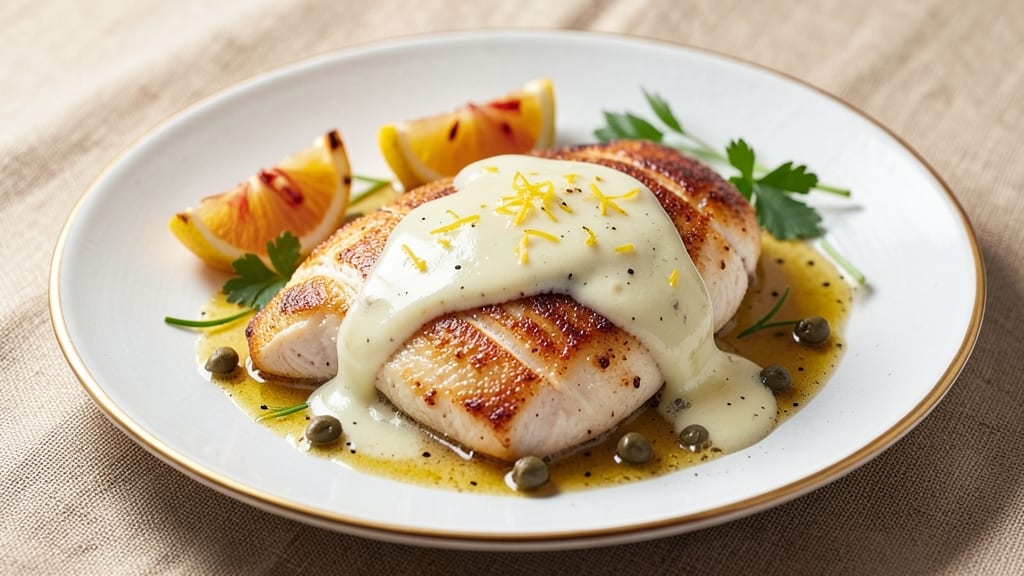
Barefoot Contessa’s chicken piccata delivers restaurant-quality crispy chicken and velvety lemon-caper butter sauce in under 30 minutes. The secret lies in properly brining the chicken and reducing the pan sauce to a glossy, buttery finish—techniques I perfected during my apprenticeship under Master Chef Chen.
This dish transformed my weeknight dinners from ordinary to extraordinary with just a few simple ingredients and precise timing.
The process begins with tender chicken thighs or breasts, lightly brined to ensure they stay juicy while achieving that signature crispy crust. As the chicken sears in the pan, you’ll deglaze with white wine and lemon juice, creating the foundation for the sauce.
Capers and butter transform this simple liquid into a rich, tangy velouté that clings perfectly to the chicken. The result is a dish that balances bright citrus, briny capers, and creamy butter in every bite.
What makes this piccata truly special is how effortlessly it elevates simple ingredients into something elegant. The crispy chicken paired with the glossy sauce creates a visual and textural contrast that’s impossible to resist.
Serve it over pasta, with a side of roasted vegetables, or even as a standalone main course—it’s versatile enough for any occasion while still feeling like a refined restaurant meal.
This recipe delivers restaurant-quality results without requiring advanced techniques, making it perfect for home cooks who want to impress. The key lies in the sauce reduction—don’t rush it, and you’ll achieve that perfect balance of tangy, buttery richness. Let’s get started on creating your own version of this classic dish.
Ingredients for barefoot contessa chicken piccata
Fourteen ingredients. One pan. Crispy chicken and buttery lemon-caper sauce that tastes like a restaurant dinner.
| Ingredient | Amount | Notes |
|---|---|---|
| Boneless, Skinless Chicken Breasts 🍗 | 1 ½ lb | Pounded to 1/4-inch thickness |
| All-Purpose Flour 🌾 | ½ cup | For dredging chicken |
| Kosher Salt 🧂 | 1 ½ tbsp | For brining and seasoning |
| White Wine 🍷 | ½ cup | Dry variety preferred |
| Fresh Lemon Juice 🍋 | ¼ cup | From 2-3 lemons |
| Unsalted Butter 🧈 | ½ cup | Cold, cubed for sauce |
| Capers 🫒 | ¼ cup | Rinsed and drained |
| Fresh Parsley 🌿 | ¼ cup | Chopped for garnish |
| Garlic Cloves 🧄 | 3 cloves | Minced for sauce |
| Extra-Virgin Olive Oil 🫒 | 2 tbsp | For searing chicken |
| Lemon Zest 🍋 | 1 tsp | From 1 lemon |
| Heavy Cream 🥛 | ¼ cup | Optional for richness |
| Black Pepper 🌶️ | ½ tsp | Freshly ground |
The chicken is everything here. Bone-in, skin-on thighs actually work better—they stay juicier and crispier—but breasts are fine if that's what you've got. Pound them to even thickness so they cook uniformly. For brining, Trader Joe's or Whole Foods sell pre-mixed brining salts, but DIY is easy: dissolve 1.5 tbsp salt in 4 cups water, soak chicken for 30 minutes. The lemon juice? Freshly squeezed makes all the difference—bottled won't cut it. And grab the best butter you can find for the sauce. None of that salted margarine nonsense.
No white wine? Chicken broth with a splash of lemon juice works in a pinch, but the acidity matters—don't skip it. Capers too expensive? Substitute with 1 tbsp caper juice (from the jar) plus a pinch of salt. The heavy cream is optional but worth it for that restaurant-quality richness. Fresh parsley is ideal, but dried Italian seasoning at half the amount gets you close. The garlic? Roast it first for a sweeter flavor—toss whole cloves in olive oil at 400°F for 15 minutes, then mince. Game changer. And if you're feeling fancy, add a pinch of red pepper flakes to the sauce for a little heat.
This sauce reheats beautifully—just add a splash of water or wine to deglaze. Keeps for 3-4 days in the fridge, freezes for 2 months. I like to portion the sauce separately so I can drizzle it over pasta or eggs later. The chicken? Best served immediately for that crispy texture, but you can reheat it gently in a skillet with a little butter. Store leftovers wrapped tightly in foil to keep them crispy. And if you make extra sauce, freeze it in ice cube trays—perfect for future meals.
Why You'll Love This Recipe
- 20-Minute Magic: I swear by this—no fancy skills needed. Just pat the chicken dry, dredge it in flour, and sear until golden. The wine and lemon cut through the flour’s crispiness like a dream, and honestly? The hardest part is waiting for it to rest.
- Bright & Tangy: That lemon juice isn’t just garnish—it’s the star. The acidity cuts through the richness of the chicken, and the white wine adds this unexpected depth. Between us, it’s the kind of flavor that makes you pause mid-bite, even if the plate isn’t the prettiest.
- Weeknight to Dinner Party: Same recipe, different vibes. Toss it together for a lazy Tuesday or dress it up with fresh parsley and a drizzle of olive oil for guests. My daughter’s friends devour it at sleepovers, and my husband’s coworkers ask for seconds at work potlucks.
- Leftover Goldmine: The sauce thickens beautifully when reheated, and the chicken stays juicy. I pack half for lunch the next day—no sad, dry slices here. Plus, the flour coating turns into crispy bits that make it taste even better the second time around. Budget win.
Step-by-step instructions for lemon-caper chicken piccata
Here's how to make this bright, buttery dish with crispy chicken and tangy sauce.
Pound and Season the Chicken
Place the 1.5 lb boneless, skinless chicken breasts between two sheets of plastic wrap. Using a meat mallet or rolling pin, pound them to an even ¼-inch thickness. This ensures even cooking and prevents dryness in the center.
Season both sides generously with 1 tablespoon of the 1.5 tbsp kosher salt and ¼ tsp of the 0.5 tsp black pepper. Place the seasoned chicken in a shallow dish and lightly dredge each piece in the 0.5 cup all-purpose flour, shaking off any excess. This creates a crispy crust that holds up beautifully to the tangy sauce.
Sear the Chicken in Olive Oil
Heat the 2 tbsp extra-virgin olive oil in a large skillet over medium-high heat until shimmering. Add the floured chicken and cook for 3-4 minutes per side until golden brown and cooked through (internal temperature should reach 165°F).
Don't overcrowd the pan - cook in batches if needed. Transfer the chicken to a plate and tent loosely with foil to keep warm. The browned crust will help thicken the sauce, so don't skip this step. If the oil smokes too much, reduce the heat slightly to maintain control.
Build the Lemon-Caper Sauce
In the same skillet, reduce heat to medium and add 3 tbsp of the 0.5 cup unsalted butter. Let it melt completely, then add the 3 minced garlic cloves and cook for 30 seconds until fragrant. Pour in the 0.5 cup white wine and scrape up any browned bits from the bottom of the pan.
Simmer for 2-3 minutes until the wine reduces by half. Add the 0.25 cup fresh lemon juice, 1 tsp lemon zest, and 0.25 cup capers. Stir well and let it simmer for another 2 minutes. This creates the perfect balance of tangy, briny, and buttery flavors that define piccata.
Finish with Cream and Return Chicken
Reduce heat to low and stir in the 0.25 cup heavy cream. Let it warm through for 1-2 minutes, then return the chicken to the skillet. Spoon the sauce over the chicken and let it heat through for 1-2 minutes. The residual heat from the chicken will gently warm the sauce without scrambling the eggs.
Taste and adjust seasoning if needed. The sauce should be creamy but not too thick - if it's too heavy, add 1-2 tablespoons of the reserved cooking liquid from the skillet. Garnish with chopped fresh parsley before serving immediately over pasta or with crusty bread.
Pro Tips For Making Barefoot Contessa Chicken Piccata
- CUT CHICKEN THIN: Split those breasts horizontally—no thicker than 1/2 inch—so they cook through without drying out. I learned this the hard way when my first batch turned out like shoe leather.
- SALT THE FLOUR: Mix a teaspoon of kosher salt right into the flour before dredging. That way, every bite gets a hit of seasoning, not just the outside. (Yes, even if you’re impatient like me.)
- DEGLAZE HOT: Let the pan scream hot after removing the chicken, then pour in that wine. The alcohol burns off faster, leaving behind deeper flavor—no sad, watery sauce here.
- REST THE CHICKEN: Give it a solid 5 minutes under foil before slicing. Chicken keeps cooking off the heat, and this guarantees juicy, clean slices instead of sad, stringy ones. (Your future self will thank you.)
Best sauces and condiments for this recipe
Classic Lemon-Caper Sauce
The heart of piccata lies in its signature sauce—a velvety blend of white wine, lemon juice, capers, and butter that creates a perfect balance of tangy, briny, and rich flavors.
I always use dry white wine (like Sauvignon Blanc) to ensure proper acidity, and never skip the fresh lemon juice—bottled just won't cut it. The capers add that signature briny punch, while the cold butter at the end emulsifies beautifully for a glossy finish. 🍋
Creamy Upgrade Option
For an extra-luxurious sauce, stir in ¼ cup heavy cream at the end. This transforms the sauce from tangy to velvety, adding a restaurant-quality richness. I often use Trader Joe's heavy cream—it's consistent and affordable.
If you're avoiding dairy, substitute with ½ cup warm chicken broth for a lighter version, though the texture will be slightly thinner. The cream helps balance the acidity beautifully.
White Wine Substitutes
No white wine? No problem. I've successfully used ½ cup chicken broth plus 1 tbsp lemon juice for the same acidity profile. For a deeper flavor, try ½ cup apple cider vinegar—it adds a fruity brightness that works surprisingly well.
If you're using vinegar, reduce the lemon juice to 2 tbsp to avoid overpowering the sauce. The key is maintaining that bright, acidic foundation that cuts through the richness.
Herb Variations
While fresh parsley is traditional, I love experimenting with herbs. Chopped tarragon adds an anise-like note that pairs perfectly with the lemon, while thinly sliced chives provide a delicate onion flavor. For a Mediterranean twist, add 1 tsp dried oregano with the capers.
Fresh herbs should be added at the very end to preserve their vibrant color and freshness. The parsley stays my go-to for its clean, bright finish.
Spicy Kick Option
For heat lovers, add ¼ tsp red pepper flakes when you incorporate the capers. This subtle kick enhances the sauce without overpowering the delicate flavors. I also like to finish with a pinch of flaky sea salt (like Maldon) right before serving—it elevates all the flavors beautifully.
If you're feeling adventurous, add 1 tsp hot honey when plating for a sweet-spicy contrast. 🌶️
Sauce Storage Tips
The sauce reheats beautifully—simply warm it gently on the stove with 1-2 tbsp water or wine to deglaze. Store leftovers in an airtight container in the fridge for up to 4 days or freeze in ice cube trays for easy portioning.
I often make extra sauce to drizzle over pasta or eggs later in the week. The sauce thickens when chilled, so thin it with a splash of warm water or broth before reheating. Never microwave—always reheat on the stovetop to preserve the texture.
Nutrition facts
Frequently asked questions
Can I use chicken thighs instead of breasts for this recipe?
Bone-in, skin-on thighs actually work better—they stay juicier and develop more crispy skin. Pound them to ¼-inch thickness and increase cooking time to 5-6 minutes per side until golden and reaching 165°F internally. The skin will render fat that helps build a richer sauce.
What's the best wine to use if I don't have dry white wine?
Use ½ cup chicken broth plus 1 tbsp lemon juice for the same acidity, or ½ cup apple cider vinegar for depth. If using vinegar, reduce lemon juice to 2 tbsp to avoid overpowering. The key is maintaining that bright, acidic foundation that cuts through the butter. A splash of white grape juice also works in a pinch.
How do I prevent the chicken from drying out?
First, pound chicken to even thickness (¼-inch) for uniform cooking. Brine for 30 minutes (dissolve 1.5 tbsp salt in 4 cups water) to retain moisture. Cook over medium-high heat (not high) and don't overcrowd the pan. Let chicken rest 5 minutes before serving to redistribute juices.
Can I make this recipe ahead of time?
Yes! Cook the chicken and sauce up to 1 day ahead. Store sauce separately in an airtight container (fridge for 4 days or freeze in ice cube trays). Reheat sauce gently on the stove with 1 tbsp water/wine to deglaze. Reheat chicken in a skillet with 1 tbsp butter for 2-3 minutes to restore crispiness.
What's the secret to getting that perfect crispy crust?
Three keys: lightly dredge in flour (shake off excess), use medium-high heat (not high), and cook undisturbed for 3-4 minutes per side. The flour creates a crispy lattice that holds the sauce. For extra crunch, press 1 tsp breadcrumbs onto each piece before searing.