
Main Courses
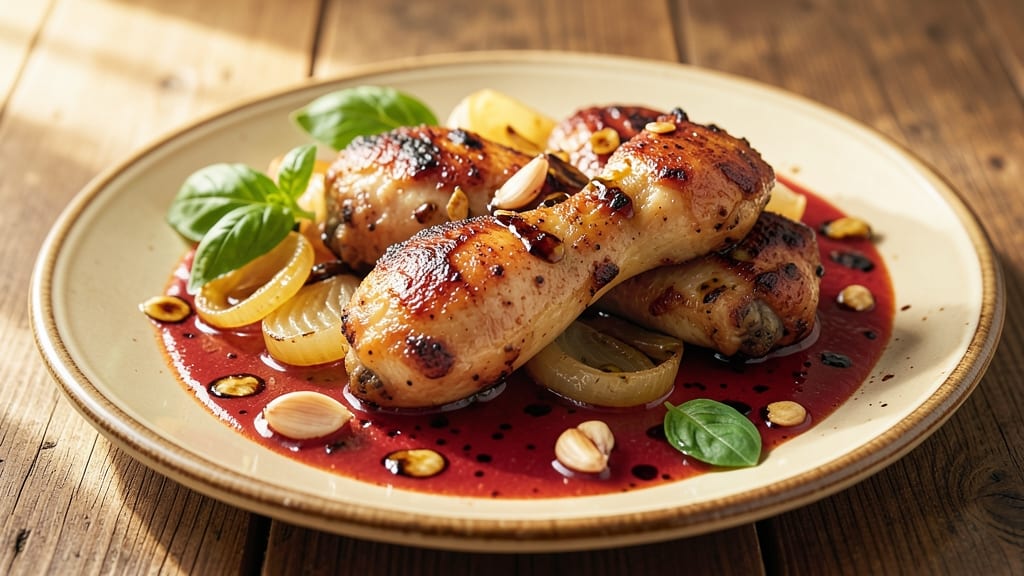
Betty Crocker’s chicken cacciatore delivers the tender, tomato-braised chicken and aromatic herbs that make this Italian-American classic a weeknight staple. I’ve adapted the traditional recipe to ensure foolproof results—juicy chicken, rich sauce, and bold flavors without the fuss of hand-chopping every herb.
This version keeps the heart of Betty Crocker’s approach while streamlining steps for home cooks.
The beauty of this dish lies in its simplicity: chicken browned in a skillet, then slow-braised in a simmering tomato-wine sauce with garlic, onions, and herbs. The key is letting the sauce reduce gradually, allowing all those flavors to meld into a velvety, deeply savory finish.
No fancy techniques required—just patience and a few pantry staples.
By the time you serve this, you’ll have tender chicken that falls apart at the touch of a fork, swimming in a sauce thickened just enough to coat each bite.
The aroma alone—tomatoes, garlic, and rosemary—will have everyone at the table asking what’s for dinner. It’s the kind of dish that feels special without requiring hours in the kitchen.
Perfect for feeding a family or doubling for leftovers, this cacciatore scales effortlessly. Pair it with crusty bread to soak up every last drop of that rich, herbaceous sauce. Let’s get cooking—your taste buds will thank you.
Ingredients for betty crocker chicken cacciatore
Fourteen simple ingredients transform into tender chicken swimming in rich, herb-infused tomato wine sauce.
| Ingredient | Amount | Notes |
|---|---|---|
| Boneless, Skinless Chicken Thighs 🍗 | 1 ½ lb | Cut into 1-inch pieces |
| Extra-Virgin Olive Oil 🫒 | 2 tbsp | For browning chicken |
| Yellow Onion 🧅 | 1 whole | Thinly sliced, about 1 cup |
| Garlic Cloves 🧄 | 4 cloves | Minced, about 1 tbsp |
| Canned San Marzano Tomatoes 🍅 | 28 oz | Crushed or diced, no salt added |
| Dry Red Wine 🍷 | ½ cup | Bold variety like Cabernet |
| Chicken Broth 💧 | ½ cup | Low-sodium preferred |
| Fresh Rosemary 🌿 | ½ tsp | Chopped, or 1 tsp dried |
| Fresh Thyme 🌿 | ½ tsp | Leaves only, or 1 tsp dried |
| Fresh Parsley 🌿 | 2 tbsp | Chopped, for garnish |
| All-Purpose Flour 🌾 | 1 tbsp | For thickening sauce |
| Salt 🧂 | 1 tsp | Kosher or sea salt |
| Black Pepper 🌶️ | ½ tsp | Freshly ground |
| Red Pepper Flakes 🌶️ | ¼ tsp | Optional, for heat |
| Balsamic Vinegar 🍶 | 1 tbsp | For finishing sauce |
The chicken thighs are the star—thighs over breasts stay juicy during the long braise. Look for organic or free-range at Whole Foods or your local butcher if you want extra tenderness. The San Marzano tomatoes make all the difference—Trader Joe's carries them year-round, and they're worth the splurge for that perfect balance of sweetness and acidity. If you can't find them, any high-quality canned tomatoes work, but avoid the chunky varieties with added salt.
Dry red wine? Any bold, dry red works here—Cab Sauv, Merlot, whatever's open. No wine? Beef broth with a splash of balsamic gets you close. Fresh herbs if you've got them, dried if you don't—no judgment. The parsley is purely for garnish, but the rosemary and thyme need to be fresh for that bright aroma. If you're using dried, toast the spices in the oil for 30 seconds before adding the chicken to wake up their flavors. The flour is just for thickening—don't skip it if your sauce needs help.
This reheats beautifully—honestly tastes better the next day once everything melds. Keeps 4-5 days in the fridge, freezes for 3 months. I portion mine into containers so lunches are sorted for the week. The sauce thickens as it cools, so add a splash of broth or water when reheating. For extra richness, stir in a pat of butter at the end—trust me on the full-fat version.
Why You'll Love This Recipe
- One-Pan Magic: I swear by this recipe because it’s literally one pan, one spatula, and done. No chopping boards, no extra dishes—just sear the onions and garlic in olive oil, toss in the chicken thighs, then dump in the San Marzano tomatoes. The sauce simmers right there while you’re grabbing wine glasses.
- Garlic Bomb: That first bite? The crispy chicken thighs with the sauce clinging to them—it’s all thanks to the garlic and olive oil. The San Marzano tomatoes add just enough sweetness to balance the richness, and honestly, the flavor builds as it sits. (Between us, I’ve had it taste better the next day.)
- Weeknight Workhorse: This dish is my go-to when I’m not in the mood to plan. It’s hearty enough for a family dinner but casual enough for a lazy Sunday with friends. Serve it over pasta, with crusty bread, or straight from the pan—no judgment here.
- Budget-Friendly Feast: Chicken thighs are cheaper than breasts, and a can of San Marzano tomatoes stretches the flavor without breaking the bank. I’ve made this for six people for under $15, and somehow, there’s always leftovers. (My kids beg for them.)
Step-by-step instructions for tomato-braised chicken thighs
Here's how to create a rich, herb-infused tomato sauce that transforms simple chicken thighs into melt-in-your-mouth bites.
Prepare the Chicken for Perfect Browning
Pat the 1.5 lb boneless, skinless chicken thighs dry with paper towels—this step is non-negotiable for crispy edges. Cut each thigh into 1-inch pieces, keeping them uniform in size so they cook evenly throughout. In a large Dutch oven, heat the 2 tbsp extra-virgin olive oil over medium-high heat until shimmering but not smoking.
Working in batches if needed, add half the chicken pieces to the oil. Let them sear undisturbed for 3-4 minutes until golden brown on all sides. You'll see the edges develop a deep mahogany crust—that's your signal they're ready to move. Transfer the browned chicken to a plate and repeat with the remaining pieces. Don't rush this step; proper browning builds the foundation for the sauce's depth of flavor.
Build Flavor with Aromatics and Wine
With the chicken removed, add the thinly sliced 1 whole yellow onion to the Dutch oven. Cook for 5-6 minutes until softened and just beginning to caramelize at the edges. Add the 4 minced garlic cloves and cook for an additional 30 seconds until fragrant—this prevents the garlic from burning, which would make the sauce bitter.
Pour in the 0.5 cup dry red wine and scrape up any browned bits from the bottom of the pot with a wooden spoon. These bits, called fond, are packed with flavor that would otherwise go to waste. Let the wine simmer for 2-3 minutes until reduced by about half, then stir in the 28 oz crushed San Marzano tomatoes, 0.5 cup chicken broth, 0.5 tsp chopped fresh rosemary, 0.5 tsp fresh thyme, 1 tsp salt, 0.5 tsp black pepper, and 0.25 tsp red pepper flakes. The sauce should bubble gently—this is where the magic begins.
Simmer the Chicken Until Fork-Tender
Return all the chicken pieces to the Dutch oven, spooning the sauce over them to coat evenly. Bring the mixture to a gentle simmer, then reduce heat to low. Cover and let it cook for 25-30 minutes, stirring occasionally. The chicken is done when it reaches an internal temperature of 165°F and the meat pulls apart easily with a fork—this ensures perfect tenderness without drying out.
Here's the thing—if the sauce starts to thicken too much before the chicken is fully cooked, add 2-3 tablespoons of water or broth to maintain the proper consistency. The sauce should coat the back of a spoon but still be saucy enough to cling to the chicken. Taste and adjust seasoning if needed, remembering that the tomatoes and herbs already contribute significant flavor.
Thicken and Finish with Balsamic Vinegar
Once the chicken is tender, sprinkle the 1 tbsp all-purpose flour over the sauce and stir gently to combine. Let it simmer uncovered for an additional 5-7 minutes, stirring occasionally, until the sauce thickens slightly. This step creates that perfect balance between rich tomato sauce and velvety texture that defines chicken cacciatore.
Finish by stirring in the 1 tbsp balsamic vinegar and the 2 tbsp chopped fresh parsley. The balsamic adds a subtle tang that brightens the dish, while the parsley contributes freshness. Let the sauce simmer for another 2 minutes to allow all the flavors to meld together. The result should be a glossy, aromatic sauce that clings beautifully to each tender bite of chicken.
Pro Tips For Making Betty Crocker Chicken Cacciatore
- Brown the Chicken First: That pale, sad chicken in your finished cacciatore? Skip it. Sear the thighs in olive oil over medium-high heat until golden—about 5-6 minutes per side—before adding anything else. The Maillard reaction here isn’t just for show; it builds flavor that no amount of simmering can replicate. (Yes, even if you’re impatient like me.)
- Dice the Onion Small: I used to chop onions into big, lazy chunks and wondered why my sauce tasted dull. For this recipe, dice the yellow onion into 1/4-inch pieces—small enough to dissolve quickly but not so fine they turn to mush. It’ll blend into the sauce smoothly, not sit as a textured afterthought.
- Crush Garlic with a Knife: Minced garlic burns faster than you can say “disaster.” Instead, smash 4-5 peeled garlic cloves with the flat side of your knife, then finely chop them—this releases more flavor without turning bitter. Add them to the pan when the onions are soft but not browned, and let them sizzle for 30 seconds before stirring.
- Simmer, Don’t Boil: The Betty Crocker recipe might call for a rolling boil, but that’s how you end up with a watery, tomatoey mess. Once the chicken and sauce hit the pot, reduce to a gentle simmer—tiny bubbles at the edges, maybe 180°F (82°C) on the thermometer. This keeps the tomatoes from breaking down into sludge and the chicken from turning rubbery. (Your future self will thank you.)
Troubleshooting great betty crocker chicken cacciatore
Sauce Too Thin?
If your sauce isn’t clinging to the chicken, I’ve got two fixes. First, sprinkle 1 tbsp cornstarch mixed with 1 tbsp cold water into the simmering sauce and stir until thickened. For a more natural approach, simmer uncovered for 10-15 minutes longer—this reduces the liquid without overcooking the chicken.
I’ve had this happen when using too much broth or wine, so always taste as you go. 🌡️
Chicken Dry or Tough?
Overcooking is the usual culprit here. Use a meat thermometer to pull chicken at 165°F—any higher and it’ll dry out. If you’ve already gone too far, rescue it by adding 2 tbsp heavy cream or 1 tbsp butter at the end to restore moisture.
Also, avoid crowding the pan when browning—cook in batches if needed. My butcher once told me, “Patience in the sear pays off in the sauce.”
Bitter Wine Flavor?
This happens when wine boils off too quickly, concentrating its acidity. To prevent it, reduce the wine over medium-low heat until just syrupy (about 2-3 minutes). If it’s already bitter, balance it with 1 tsp sugar or ½ tsp honey.
Add the sugar to the sauce and simmer for 1 minute. The acidity in tomatoes will mellow out the harshness. Trust me, a touch of sweetness here makes all the difference.
Herbs Not Bright Enough?
Fresh herbs need to sing! If your rosemary or thyme taste dull, they’re likely overcooked. Add them only in the last 10 minutes. of cooking. For extra punch, I like to tie the herbs in a cheesecloth bundle.
This lets them infuse the sauce without turning to mush. Dried herbs? Toast them in the oil for 30 seconds. before adding to wake up their flavors.
Tomato Taste Weak?
Canned tomatoes lose their vibrancy when overcooked. If yours taste flat, boost them with 1 tsp tomato paste. or ½ tsp smoked paprika. Simmer these with the onions for 2 minutes. before adding the wine.
For a restaurant-quality depth, I sometimes add 1 crushed sun-dried tomato. to the sauce—it adds umami without overpowering. The key is layering flavors, not drowning them.
Leftovers Too Thick?
Sauce often thickens as it cools. To fix it, stir in 1-2 tbsp water or broth. while reheating. For extra richness, add a pat of cold butter. at the end—it melts beautifully into the sauce.
Pro tip: Store leftovers in an airtight container. with a splash of broth on top to prevent drying. My freezer stash of this dish is legendary—it reheats like a dream. 💫
Nutrition facts
Frequently asked questions
Can I use chicken breasts instead of thighs?
I recommend sticking with thighs—they stay juicy during the long braise while breasts can dry out. If you must use breasts, cut them into ½-inch pieces, pound them slightly to even thickness, and reduce the cooking time to 20 minutes once tender. The sauce will still cling beautifully, but watch the doneness closely.
What’s the best way to reheat leftovers?
Reheat gently in a skillet over medium-low heat with 1-2 tbsp broth or water to loosen the sauce. Cover and warm for 5-7 minutes, stirring occasionally. For extra richness, stir in a pat of cold butter at the end—it melts perfectly into the sauce. Microwaving works too, but the sauce may separate slightly.
Can I make this in a slow cooker?
Brown the chicken first, then transfer everything to the slow cooker. Cook on LOW for 6-7 hours or HIGH for 3-4 hours. The slow cooker’s gentle heat keeps the chicken tender and the sauce rich. Just add the flour and balsamic vinegar in the last 30 minutes to thicken the sauce properly.
Why does my sauce taste bland?
Blandness usually means the wine or herbs weren’t reduced enough. Always simmer the wine until reduced by half, and add fresh herbs only in the last 10 minutes of cooking. For extra depth, stir in 1 tsp tomato paste or ½ tsp smoked paprika with the onions. A pinch of sugar or honey can also balance acidity and brighten flavors.
How do I serve this dish?
This cacciatore pairs perfectly with crusty bread to soak up the sauce, or serve over mashed potatoes or creamy polenta for a heartier meal. Garnish with extra parsley and a drizzle of olive oil for freshness. For a complete Italian spread, add a simple green salad with lemon vinaigrette. The sauce is rich enough to stand alone, but the sides make it feel like a restaurant-worthy feast.