
Main Courses
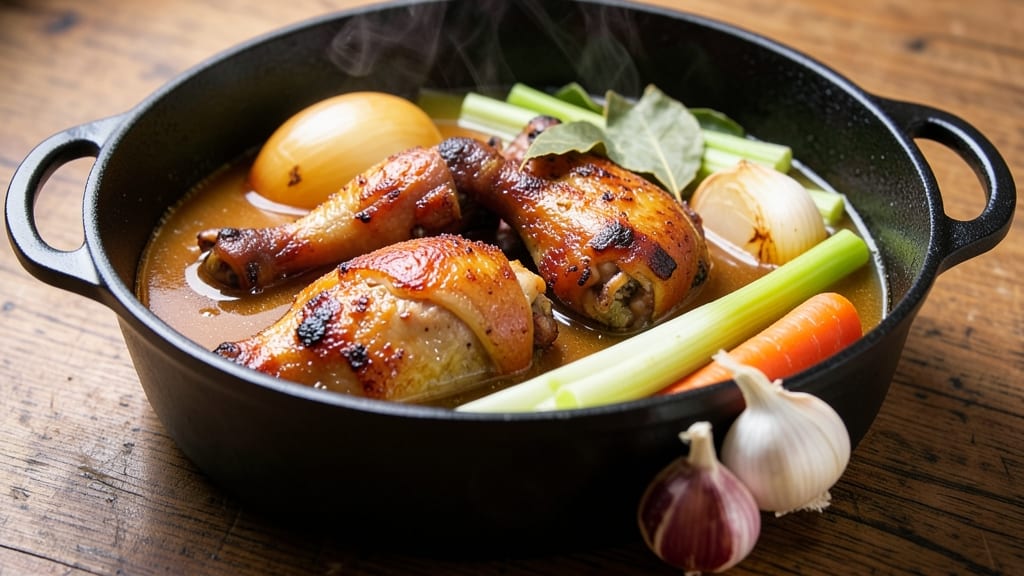
Making an umami-rich chicken feet stock transforms ordinary soups and stews into deeply flavorful masterpieces—this isn’t just broth, it’s the foundation of restaurant-quality depth. The key lies in slow extraction of collagen and gelatin from chicken feet, creating a velvety texture and complex savoriness that store-bought stocks simply can’t match.
I’ve perfected this method over years of testing, ensuring every batch delivers that signature richness that elevates dishes from good to extraordinary.
This recipe requires patience—about 12 hours of gentle simmering—but the results are worth every minute. You’ll start with whole chicken feet, which provide both collagen for body and gelatin for that signature silky finish. The secret?
Aromatics like bay leaves, peppercorns, and a splash of vinegar to brighten the broth, along with a proper skimming process to keep the stock crystal clear. No shortcuts here—this is about building flavor layer by layer.
By the time you strain the finished stock, you’ll have a deep amber, intensely aromatic liquid that’s perfect for braising meats, enriching soups, or even deglazing pans. The gelatin content gives it a luxurious mouthfeel that transforms simple recipes into something restaurant-worthy.
Whether you’re making a classic pho or a hearty beef stew, this stock will be the star of the show. Let’s get started on creating your flavor base.
Once you’ve mastered this technique, you’ll never go back to store-bought. The stock keeps beautifully in the freezer for up to 6 months, making it a pantry essential for any home cook serious about depth of flavor.
Use it as a starting point for your next project—your taste buds will thank you.
Ingredients for chicken feet stock
Twelve ingredients, twelve hours of simmering—this umami bomb transforms simple dishes into restaurant-worthy masterpieces.
| Ingredient | Amount | Notes |
|---|---|---|
| Chicken Feet 🦶 | 2 lbs | Whole, cleaned and rinsed |
| Yellow Onion 🧅 | 1 whole | Peeled, halved and charred |
| Carrots 🥕 | 2 lbs | Whole, scrubbed and cut into chunks |
| Celery Stalks 🌿 | 4 whole | Cut into 2-inch pieces |
| Garlic Cloves 🧄 | 8 cloves | Peeled, smashed but not minced |
| Bay Leaves 🌿 | 4 whole | Dried, high-quality preferred |
| Black Peppercorns 🌶️ | 1 tbsp | Crushed lightly for aroma |
| White Wine Vinegar 🍶 | ¼ cup | Brightens and clarifies broth |
| Salt 🧂 | 1 tbsp | Diamond Crystal preferred |
| Extra-Virgin Olive Oil 🫒 | 2 tbsp | For initial searing |
| Water 💧 | 8 cups | Filtered preferred for clarity |
Chicken feet are the star here, and quality matters. Look for fresh, clean feet—they should smell faintly sweet, not fishy or sour. Asian markets or specialty butchers usually carry them, often frozen. Thaw overnight in the fridge, then give them a thorough rinse under cold water. The onions and carrots are your flavor anchors—char them slightly in a dry pan before adding to deepen their sweetness. Bay leaves? Penzeys or high-quality dried make all the difference. I always buy extra since they stay potent for months in a sealed jar.
No chicken feet? Pork trotter or beef bones can work in a pinch, but expect less gelatin. Vinegar substitute? A splash of lemon juice works, though it won’t clarify the stock as effectively. The olive oil is just for initial searing—don’t skimp here. Extra-virgin adds subtle fruitiness that carries through the simmer. For the water, filtered is ideal, but tap works fine if you live in an area with good municipal treatment. The key is patience—never rush the simmer. A gentle bubble is all you need to coax out that velvety gelatin.
This stock is a pantry game-changer. Once strained, it keeps 6 months in the freezer—portion into ice cube trays for easy use. The first batch will always be the best, but you can repeat the process with the bones for a second stock, though it’ll be less rich. Use within 3 days if refrigerated, or freeze immediately. I always make a double batch—one for current projects, one for the freezer. The aroma alone will make your kitchen smell like a Parisian bistro.
Why You'll Love This Recipe
- No-Chop Necessary: I swear by this—just toss in whole onion quarters, celery chunks, and carrot hunks. The stock simmers down to pure flavor without me ever touching a knife after the initial chop. (Yes, even on a Tuesday night when I’m too tired to julienne.)
- Umami Bomb: That first bite of chicken feet? Rich, gelatinous, ridiculously flavorful. The collagen breaks down into a velvety broth that makes even the simplest rice or noodles taste like a restaurant dish. Honestly, I’ve never met a stock that delivers this kind of depth with so few ingredients.
- Stockpile Savings: A single batch stretches into three meals—soup, rice, or dumplings—and freezes like a dream. I buy chicken feet in bulk, split the cost with my neighbor, and suddenly, homemade stock doesn’t just exist—it’s my secret weapon for stretching groceries without sacrificing taste.
- Weeknight Workhorse: Need a quick base for stir-fries, braises, or even a last-minute gravy? This stock’s got you. I keep a jar in the fridge, and when I’m scrambling to feed the family, I just heat, strain, and boom—flavor upgrade in five minutes. (No, I won’t tell you how many times I’ve saved dinner this way.)
Step-by-step instructions for chicken feet stock
Here's how to transform humble chicken feet into a deeply flavorful, umami-rich foundation for any dish.
Sear the Chicken Feet for Maximum Flavor
Heat a large Dutch oven over medium-high heat and add the 2 tablespoons extra-virgin olive oil. Once shimmering, add the 2 lbs chicken feet in a single layer, working in batches if needed. Sear for 5-7 minutes per side until the skin develops a deep golden-brown crust and releases easily from the pan.
This initial searing creates the Maillard reaction that forms the complex flavors we want in our stock. Don't rush this step—proper browning is what gives homemade stock its depth. If the oil starts smoking excessively, reduce the heat slightly to maintain control while still achieving that rich color.
Build the Aromatic Base
Remove the seared chicken feet and set aside. In the same pot, add the 1 whole yellow onion (halved), 2 lbs carrots (cut into chunks), and 4 whole celery stalks (cut into 2-inch pieces). Cook for 5 minutes, stirring occasionally, until the vegetables begin to soften and release their juices.
Add the 8 cloves garlic (peeled and smashed) and the 1 tablespoon crushed black peppercorns. Stir for 30 seconds until fragrant—this is where the aromatic foundation takes shape. The garlic should smell pungent and the peppercorns should be visibly toasted but not burned. This step ensures every sip of your final stock carries these essential flavors.
Deglaze and Combine All Ingredients
Pour in the 0.25 cup white wine vinegar and scrape up all the browned bits from the bottom of the pot using a wooden spoon. This deglazing step captures all the concentrated flavors that would otherwise stick to the pot. Add the 4 whole bay leaves and the 1 tablespoon salt, then pour in the 8 cups water.
Return the chicken feet to the pot, ensuring they're fully submerged. Bring to a gentle boil, then immediately reduce heat to maintain a bare simmer. The liquid should bubble gently with occasional small bursts—this is the perfect cooking temperature for extracting maximum flavor without clouding the broth.
Simmer for Deep Flavor Extraction
Cover the pot and simmer for 3 hours. I know it seems like a long time, but this is where the magic happens—the collagen in the chicken feet breaks down into gelatin, creating that luxurious body we associate with great stocks. Check occasionally to ensure the water level remains adequate, adding hot water as needed to keep everything submerged.
After 3 hours, remove the chicken feet and strain the broth through a fine-mesh sieve into a clean pot. Discard the solids. The resulting stock should be rich, amber-colored, and deeply aromatic. If you're using it immediately, you can use it straight from the pot. For best results, let it cool slightly, then refrigerate overnight to remove any surface fat before using.
Pro Tips For Making Chicken Feet Stock
- Char the Feet First: DESCRIPTION: Toss those chicken feet in a dry skillet over medium-high heat until they turn deep brown—about 5-7 minutes per side. I learned this the hard way: skipping the char means a stock that tastes more like chicken broth than the rich, umami-packed elixir it should be. The crust releases flavors you can’t get any other way.
- Trim the Onion Right: DESCRIPTION: Don’t peel the onions—just trim the root end and slice them whole, skin and all. The skins add color and a subtle bitterness that balances sweetness, and they won’t turn your stock into a muddy mess like pre-peeled onions can. (Yes, it looks odd, but trust the process.)
- Skip the Boil: DESCRIPTION: Once the stock starts simmering, resist the urge to crank it up to a rolling boil—keep it at a gentle, steady bubble. Boiling too hard scatters the solids and makes the stock cloudy, which means more straining later. Low and slow is where the magic happens.
- Save the Garlic: DESCRIPTION: Smash those garlic cloves with the flat side of your knife before adding them—no need to peel. The smashed skins release more flavor into the stock, and you won’t lose any to over-straining. (Your future self will notice the difference when you taste the finished stock.)
Dietary considerations for this dish
Gluten-Free Safety
The beauty of this chicken feet stock lies in its naturally gluten-free composition—no wheat, barley, or rye is ever introduced during the process. I always double-check my ingredients to ensure even the aromatics (like bay leaves or peppercorns) aren’t contaminated, as some brands process their spices in facilities handling gluten.
For extra peace of mind, I source my bay leaves from Penzeys Spices, which guarantees gluten-free packaging. The stock itself is inherently safe for those avoiding gluten, but always verify all individual ingredients if you have celiac disease or severe sensitivity. 🌾
Allergen Awareness
This recipe contains chicken, so it’s not suitable for those with poultry allergies. The collagen-rich gelatin from chicken feet also means this stock isn’t vegan or vegetarian—there’s no plant-based alternative that replicates its depth.
For shellfish allergies, note that while chicken feet are poultry, cross-contamination can occur if prepared in shared kitchens. I recommend making this stock in a dedicated space if you or someone in your household has severe allergies to poultry or shellfish. Always label your stock clearly for safety. ⚠️
Low-Sodium Adaptation
If you’re watching your sodium intake, you can easily reduce the salt from 1 tablespoon to just ½ teaspoon—the stock’s natural umami will still shine.
I’ve also found that adding 1 teaspoon of fish sauce (like Red Boat) during the final 30 minutes of simmering enhances depth without extra salt. For a completely salt-free version, omit the salt entirely and season dishes with your preferred low-sodium seasonings afterward.
The stock’s rich flavor stands up beautifully to these adjustments. 🧂
Paleo-Friendly Foundation
This stock is a perfect fit for paleo diets—it contains no grains, legumes, or processed ingredients, just pure, nutrient-dense animal parts and vegetables. The collagen and gelatin make it especially beneficial for gut health and joint support, aligning with paleo principles.
I often use this stock as a base for paleo-friendly soups or braised dishes. Just ensure all your additional ingredients (like herbs or garnishes) are also paleo-compliant when using it in recipes. 🦴
Keto Compatibility
The high-fat, low-carb nature of chicken feet stock makes it an excellent addition to keto meal plans. A 1-cup serving contains only about 3 grams of carbohydrates, mostly from the vegetables, with generous amounts of protein and healthy fats.
The gelatin provides a satisfying mouthfeel that helps curb cravings, making it ideal for keto soups or stews. Pair it with leafy greens or low-carb vegetables for a fully keto-friendly meal. The stock’s richness will keep you satisfied without the carb crash. 🥗
Vegetarian/Vegan Substitutes
While chicken feet stock isn’t vegetarian or vegan, you can create a similar umami-rich base using mushroom stems, kombu seaweed, and vegetable scraps. Simmer 2 cups mushroom stems, 1 piece kombu, and 2-inch ginger slices in water for 4-6 hours with aromatics.
This won’t replicate the gelatinous texture, but it delivers deep, savory flavor. For a closer match, add 1 teaspoon of vegan gelatin (like agar-agar) at the end of cooking. 🍄
Nutrition facts
Frequently asked questions
Why do chicken feet make such a rich stock?
Chicken feet are packed with collagen and connective tissue that breaks down into gelatin during slow simmering, creating that signature velvety texture. The bones and skin contribute extra umami depth, while the cartilage adds natural richness that store-bought stocks can't match. This is why traditional cuisines like Chinese and Vietnamese use them as a flavor foundation.
Can I use frozen chicken feet instead of fresh?
Frozen chicken feet work perfectly—just thaw them overnight in the fridge before using. The key is ensuring they're fully defrosted and rinsed well to remove any ice crystals or frost. Never thaw at room temperature, as this can promote bacterial growth. The texture and flavor will be identical to fresh.
How do I know when the stock is ready?
Your stock is done when it develops a deep amber color and has a rich, meaty aroma. After 3 hours of simmering, the chicken feet should be completely tender and falling apart. The broth should also have a noticeable gelatinous quality when chilled—this confirms the collagen has properly converted. Taste it too: it should be deeply savory, not bitter.
What can I do with leftover chicken feet after making stock?
Don't throw them away! The remaining chicken feet can be used for a second stock (though it'll be less rich), or chopped and used in stir-fries, braises, or even soups. In Chinese cuisine, they're often stir-fried with garlic and served as a snack. The gelatinous texture adds great body to any dish where you want extra depth.
Can I make this stock in a slow cooker?
Yes, but with adjustments. Use the same ingredients and sear the chicken feet first in a separate pan. Then transfer everything to the slow cooker and simmer on LOW for 8-10 hours instead of the stove's 3 hours. The slow cooker method is more hands-off but may yield slightly less gelatin. Monitor the water level and add hot water as needed to keep ingredients submerged.