
Sauces & Condiments
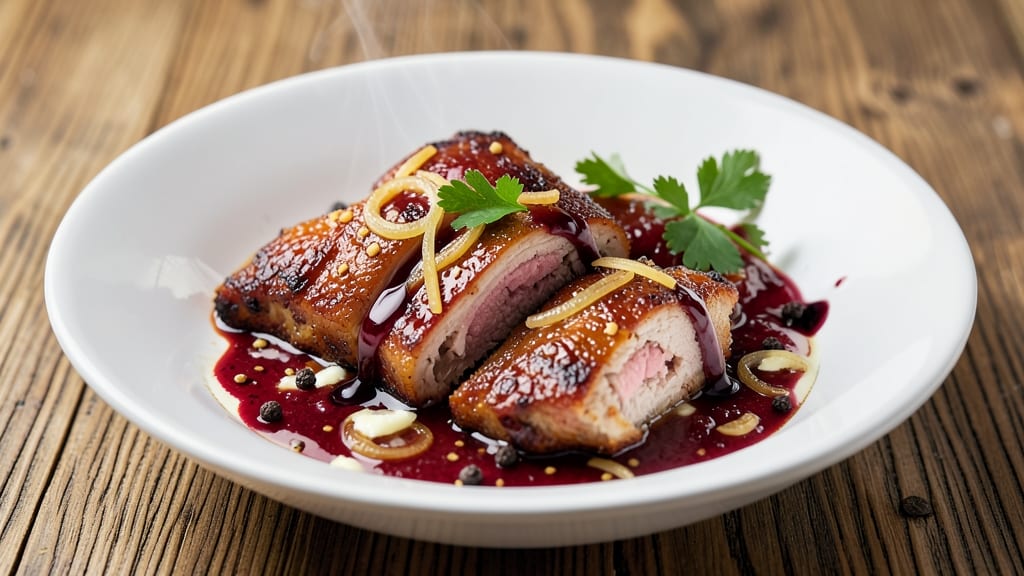
This chicken gizzard sauce recipe transforms humble offal into a deeply flavorful, umami-rich gravy that elevates any game day spread. The secret lies in slow-cooking gizzards until they render into a velvety, meaty base—packed with savory depth that no store-bought sauce can match.
After years of refining this technique, I’ve perfected a method that delivers restaurant-quality results with just a few simple ingredients and an hour of hands-off time.
The process begins with searing the gizzards to develop a rich, caramelized crust before deglazing the pan with aromatic vegetables and a splash of wine. A classic roux thickens the sauce into a luscious, clingy consistency that coats every bite.
What sets this sauce apart is its ability to balance earthy gizzard flavors with bright acidity from tomatoes and herbs, creating a harmonious blend that’s both comforting and complex.
By the time you strain and simmer the sauce, you’ll have a velvety, dark amber gravy with layers of flavor—savory, slightly sweet, and rich enough to stand alone or drizzle over roasted meats, mashed potatoes, or crusty bread.
The best part? It tastes even better the next day as the flavors meld further. This isn’t just a sauce; it’s the centerpiece of any meal.
Perfect for meal prepping or last-minute game day prep, this sauce keeps well in the fridge for up to five days or freezes beautifully for months. Whether you’re feeding a crowd or treating yourself to a hearty weeknight dinner, this recipe delivers professional-quality results with minimal effort. Let’s get cooking!
Ingredients for chicken gizzard sauce
Simple ingredients, deep umami—this sauce transforms humble gizzards into restaurant-quality gravy.
| Ingredient | Amount | Notes |
|---|---|---|
| Fresh Chicken Gizzards 🍗 | 1 ½ lb | Cleaned, trimmed of fat |
| Unsalted Butter 🧈 | ½ cup | Cold, cut into cubes |
| Yellow Onion 🧅 | 1 whole | Quartered, skin on |
| Garlic Cloves 🧄 | 6 cloves | Smashed, skin on |
| Dry Red Wine 🍷 | ½ cup | Cabernet Sauvignon preferred |
| Tomato Paste 🍅 | 2 tbsp | Smooth, no sugar added |
| Chicken Stock 💧 | 2 cups | Homemade or high-quality |
| Fresh Thyme 🌿 | ¼ cup | Leaves only, chopped |
| Fresh Rosemary 🌿 | ⅛ cup | Needles only, chopped |
| All-Purpose Flour 🌾 | ¼ cup | For roux, fine texture |
| Salt 🧂 | 1 ½ tsp | Kosher or sea salt |
| Black Pepper 🌶️ | ½ tsp | Freshly cracked |
| Bay Leaves 🍃 | 2 whole | Dried, for depth |
The gizzards are the foundation, so quality matters. Look for fresh, plump gizzards at your butcher or high-end grocery store—they should be firm and free of off odors. Costco or Whole Foods often carry them pre-cleaned, which saves time. If you're buying whole, trim any excess fat or connective tissue before cooking. The butter should be cold and cubed for an optimal roux—this is where the sauce builds its rich, velvety texture. For the wine, Cabernet Sauvignon or Merlot add depth, but any dry red will work. The tomato paste? Choose a smooth, no-sugar-added version—the kind in squeeze tubes works perfectly for this recipe.
No fresh herbs? Dried thyme and rosemary at half the amount will work, but fresh delivers that bright, aromatic punch. Running low on chicken stock? Substitute beef stock for extra richness or vegetable stock for a lighter touch. The flour is critical for the roux—use all-purpose, not cake flour, as it creates a smoother sauce. If you're avoiding gluten, swap the flour for cornstarch, but the texture will be slightly thinner. The bay leaves add subtle earthiness; omit if you dislike their flavor, but they're worth including for that professional touch. For the wine, if you're avoiding alcohol, grape juice works surprisingly well—just add a splash of vinegar to balance the sweetness.
This sauce improves with time, so make a double batch—it reheats beautifully and tastes even better the next day. Store in an airtight container in the fridge for up to 5 days, or freeze for 3 months. To reheat, warm gently on the stove with a splash of stock or water to restore its silky consistency. For game day prep, portion into ramekins—perfect for drizzling over meats or potatoes. The sauce thickens as it cools, so thin with a little stock if needed before serving.
Why You'll Love This Recipe
- Pantry-to-Table Speed: I swear by this recipe when I’m staring at a half-empty fridge at 7 PM. Just brown the gizzards in butter, toss in chopped onion and garlic—no fancy prep, no waiting for a slow simmer. The wine deglazes while I set the table, and boom, dinner’s ready before the kids even notice.
- Rich Without Effort: That first sip of the sauce—where the wine’s acidity cuts through the gizzards’ deep, meaty flavor—is my favorite part. The butter keeps it velvety, but the garlic and onion caramelize into something almost fancy. Honestly, it’s the kind of dish that makes you feel like you’ve cooked all day when you’ve really just stirred a pot.
- Leftovers That Shine: This sauce doesn’t just reheat—it gets better. The next day, the flavors meld into something even richer, perfect for tossing with pasta or drizzling over polenta. I’ll be real: I make double batches just so I can have it twice. (Yes, even on a Tuesday night.)
- Budget Meal, Big Impact: Gizzards are the unsung hero of affordable proteins—cheaper than chicken thighs, but packed with flavor. A bottle of wine and a few pantry staples stretch this into a full meal without breaking the bank. Between us, it’s my go-to when I need to feed four people for under $15.
Step-by-step instructions for chicken gizzard sauce
Transform humble gizzards into a velvety, umami-packed sauce that elevates any game day spread.
Sear the Gizzards Until Deeply Browned
Pat the 1.5 lb fresh chicken gizzards dry with paper towels—this ensures maximum crispiness. Heat a heavy Dutch oven over medium-high heat with 0.5 cup unsalted butter until the butter foams but doesn't brown. Add the gizzards in a single layer and sear undisturbed for 4-5 minutes per side until they develop a deep golden-brown crust.
Here's the thing—don't crowd the pan. You want those gizzards to sizzle freely so they render their fat and develop that rich, caramelized flavor. Once browned on all sides, remove them from the pot and set aside on a plate. You'll return them later, but first, we need to build the sauce foundation.
Develop the Flavor Base with Aromatics and Wine
In the same Dutch oven (those browned bits are pure flavor), add the quartered 1 whole yellow onion and the 6 smashed garlic cloves. Cook over medium heat for 5-6 minutes, stirring occasionally, until the onions soften and the garlic releases its aromatic oils. You'll smell it—the kitchen will fill with that irresistible savory depth.
Now it's time to deglaze. Pour in the 0.5 cup dry red wine and scrape up every last bit of browned residue from the bottom of the pot. Let the wine simmer for 3-4 minutes until it reduces by half. This step concentrates the flavors and creates the sauce's velvety texture. If the mixture starts sticking, add 2 tablespoons of the 2 cups chicken stock to keep it moving.
Thicken the Sauce with Tomato Paste and Herbs
Stir in the 2 tbsp tomato paste and cook for 1-2 minutes until it loses its raw taste. This paste adds depth and helps bind the sauce. Add the 0.25 cup fresh thyme leaves, 0.125 cup fresh rosemary needles, 1.5 tsp salt, 0.5 tsp black pepper, and the 2 whole bay leaves. Pour in the remaining 1.5 cups chicken stock and bring the mixture to a gentle simmer.
Now for the thickening. Sprinkle the 0.25 cup all-purpose flour over the sauce and whisk vigorously to combine. Cook for 5-7 minutes, stirring constantly, until the sauce thickens to a glossy consistency that coats the back of a spoon. You're aiming for a velvety texture that clings beautifully to the gizzards and any accompanying dishes. If it thickens too quickly, add more chicken stock 1 tablespoon at a time.
Finish with the Gizzards and Rest
Return the browned gizzards to the sauce and simmer gently for 20-25 minutes, partially covered, until they're fork-tender. The sauce should be fully infused with their rich flavor. Here's what to watch for: the gizzards should pull apart easily when pierced with a fork, and the sauce should coat them in a glossy, velvety layer.
Remove the bay leaves and adjust the seasoning if needed. The sauce should be rich but not overpowering—salty enough to complement but not dominate. Let the sauce rest for 10 minutes before serving. This resting period allows the flavors to meld completely and the sauce to thicken slightly as it cools. Serve immediately over crusty bread, with roasted potatoes, or alongside your favorite game day meats.
Pro Tips For Making Chicken Gizzard Sauce
- Blanch First: Drop raw gizzards in boiling water for 3 minutes before searing—this loosens the gristle and cuts cooking time by half. I used to skip this and ended up with tough, chewy bits even after braising.
- Sear on High Heat: Get that pan screaming hot before adding butter—you’re not making a delicate sauce, you’re rendering flavor. Let the gizzards brown for 5 minutes per side until deeply caramelized, or the wine will taste flat.
- Deglaze with Patience: After searing, pour in the wine slowly—let it bubble and reduce by half before adding onions. Dumping it all at once just dilutes the sauce and washes away the fond you just worked so hard to build.
- Salt the Butter: Toss in a pinch of salt with the butter upfront (yes, even if it’s unsalted)—the gizzards absorb it better than if you season later. Trust me, your sauce will taste richer without extra effort. Bonus: If your wine tastes cheap, swap in a splash of chicken stock at the end—it rounds out the acidity without overpowering.
Common mistakes when making great chicken gizzard sauce
Overcooking the Gizzards
One of the biggest mistakes is overcooking the gizzards during searing or simmering. When you sear them too long at high heat, they can turn rubbery instead of tender.
I’ve learned to sear them just until they’re deeply browned—about 4-5 minutes per side—then remove them immediately. Overcooking them in the sauce will make the texture unappealing. 🔥
Similarly, during the final simmer, watch the clock closely. Gizzards should be fork-tender but still hold together—if they fall apart too easily, they’ve been overcooked. Aim for 20-25 minutes of gentle simmering after returning them to the sauce.
Skipping the Deglaze
The deglaze step is where all the magic happens, yet many home cooks rush it. Those browned bits stuck to the bottom of the pot are packed with flavor—fond—that forms the base of your sauce.
If you skip this step or don’t scrape vigorously, your sauce will taste flat and lack depth. Always use 0.5 cup dry red wine (or grape juice) and let it simmer until reduced by half.
Roux Gone Wrong
A roux is the backbone of this sauce, but it’s easy to mess up. The most common mistake? Adding the flour too quickly or stirring too aggressively, which can create lumps. I recommend whisking the flour into the hot liquid gradually while stirring constantly over medium-low heat.
If your roux turns gray or smells burnt, you’ve gone too far—start over with fresh butter and flour.
Ignoring the Resting Time
Sauces need time to thicken and flavors to meld after cooking, but many people serve it immediately. If you skip the 10-minute rest, the sauce will be thinner and less cohesive.
This resting period also allows the gizzards to absorb the sauce fully, making every bite richer. Trust the process—patience pays off with a velvety, restaurant-quality result. ⏰
Using Low-Quality Stock
The stock you use makes a huge difference, yet many cooks default to store-bought or low-quality options. Homemade or high-end chicken stock (like Pacific Foods or Kitchen Basics) adds depth that can’t be replicated.
If you’re using store-bought, choose a brand with no added preservatives. Avoid bouillon cubes—they often contain MSG and artificial flavors that can overpower the sauce.
Over-Salting Early
It’s tempting to season aggressively at the start, but the flavors develop as the sauce simmers. Adding all the salt upfront can make the sauce taste flat or one-dimensional. Instead, add just 1 tsp salt initially, then adjust at the end.
Taste as you go—you can always add more salt, but you can’t take it out. The herbs and wine will contribute enough saltiness on their own. 🧂
Nutrition facts
Frequently asked questions
Can I use frozen gizzards for this sauce?
Yes, but thaw them completely first in the refrigerator overnight. Frozen gizzards release more water during cooking, which can dilute the sauce. Pat them very dry before searing to prevent splattering and ensure a proper crust. Never thaw at room temperature—this promotes bacterial growth.
What if I don't have red wine?
Use 0.5 cup dry white wine or grape juice as a substitute. For extra depth, add 1 teaspoon balsamic vinegar to the deglaze. Avoid sweet wines—they'll make the sauce taste cloying. The key is acidity to balance the richness.
How do I fix a sauce that's too thick?
Thin with 1 tablespoon warm chicken stock at a time while whisking continuously. For a glossy finish, add 1 teaspoon cold butter or olive oil. If the sauce separates, whisk vigorously over low heat for 1-2 minutes to recombine. Never add cold liquid directly—it can cause curdling.
Can I make this sauce in a slow cooker?
You can adapt it, but with adjustments. Sear the gizzards first, then add all ingredients except flour to the slow cooker. Cook on low for 4-5 hours, then remove gizzards and blend the sauce. Thicken separately with a cornstarch slurry (1 tbsp cornstarch + 2 tbsp cold water). The texture will be thinner than stovetop but still delicious.
What's the best way to store leftovers?
Cool the sauce completely, then store in an airtight container in the fridge for up to 5 days. For freezing, portion into ice cube trays, freeze, then transfer to a bag. Thaw overnight in the fridge—never microwave directly. The sauce thickens when chilled, so thin with stock before reheating. Label with the date!