
Main Courses
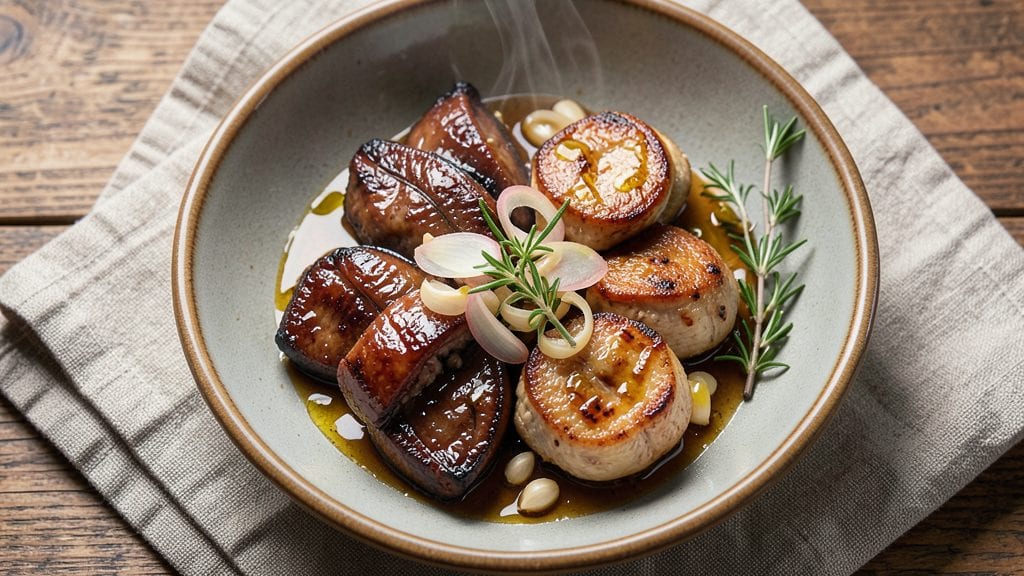
This chicken liver and gizzard recipe transforms humble offal into rich, earthy bites with a crispy pan-sear that rivals any restaurant dish. The secret lies in proper preparation—cleaning, marinating, and cooking them just right to unlock their deep, savory potential.
I’ve perfected this method over years of testing, ensuring every bite delivers that satisfying contrast between tender meat and golden crust.
The process begins with thorough cleaning and soaking to remove any impurities, followed by a marinade that tenderizes the meat while building flavor. Pan-searing in batches ensures even cooking and that coveted crispiness, while a simple braising option offers a hands-off alternative for those who prefer slower methods.
This dish isn’t just about technique—it’s about respecting the ingredients and letting their natural richness shine.
What you’ll end up with is a plate of crispy, caramelized edges and juicy interiors, perfect for serving alongside roasted potatoes, caramelized onions, or a tangy mustard sauce. The earthy depth of the offal pairs beautifully with bold flavors, making this a standout main course for adventurous eaters.
Whether you’re cooking for a special dinner or simply exploring new flavors, this recipe delivers professional results with minimal fuss.
Pair it with a crisp white wine or a bold red to complement the dish’s depth, and don’t forget to save the pan drippings for a quick pan sauce.
The versatility of this recipe makes it ideal for weeknight dinners or weekend feasts—just follow the steps carefully, and you’ll be rewarded with a dish that’s both impressive and deeply satisfying.
Ingredients for chicken liver and gizzard
Transform humble offal into restaurant-worthy bites with these carefully selected ingredients—each playing a crucial role in texture and flavor.
| Ingredient | Amount | Notes |
|---|---|---|
| Fresh Chicken Livers 🍗 | 1 lb | Trimmed of connective tissue |
| Chicken Gizzards 🍗 | 1 lb | Cleaned and membrane removed |
| Butter 🧈 | ½ cup | Unsalted, cold for searing |
| Shallots 🧅 | 3 whole | Minced, for marinade |
| Garlic Cloves 🧄 | 4 cloves | Minced, for marinade |
| Dry Sherry 🍷 | ½ cup | Or substitute white wine |
| Fresh Thyme 🌿 | ¼ cup | Leaves only, chopped |
| Fresh Parsley 🌿 | ¼ cup | Chopped, for garnish |
| Diamond Crystal Kosher Salt 🧂 | 1 ½ tsp | For seasoning and marinade |
| Freshly Ground Black Pepper 🌶️ | 1 tsp | Coarsely ground |
| Extra-Virgin Olive Oil 🫒 | 2 tbsp | For pan-searing |
| Lemon Juice 🍋 | 1 tbsp | Freshly squeezed |
| Heavy Cream 🥛 | ¼ cup | For pan sauce (optional) |
| All-Purpose Flour 🌾 | 2 tbsp | For dredging (optional) |
The quality of your offal is non-negotiable. Fresh, high-quality chicken livers and gizzards from a trusted butcher—like those at Whole Foods or your local specialty market—ensure optimal texture and flavor. Look for vibrant color and minimal impurities; the livers should be deep red, while gizzards should be firm with no off odors. If you're unsure about cleaning them yourself, many butchers offer pre-cleaned options for an extra fee. For the best results, source ingredients within 24 hours of cooking to preserve freshness. The butter should be cold and unsalted to achieve that perfect crispy crust during searing.
Substitutions require finesse. Dry sherry can be replaced with equal parts white wine or even chicken stock, though the depth of flavor will differ. Fresh herbs are ideal, but dried thyme and parsley at one-third the amount will suffice in a pinch. For those avoiding dairy, omit the butter and use olive oil for searing, though the crust won't be as golden. If you prefer a hands-off approach, skip the dredging flour and rely solely on the marinade. The lemon juice is critical—it brightens the earthy flavors, so never skip it. For a richer pan sauce, consider adding a splash of brandied cream instead of heavy cream.
Proper storage extends usability. Unused offal can be refrigerated for 2 days in an airtight container, or frozen for up to 3 months in a sealed bag. Once cooked, these crispy bites reheat beautifully—simply warm in a skillet with a splash of water or broth for 2-3 minutes to restore crispiness. The marinade leftovers can be reduced by half and frozen for future use. For optimal freshness, prepare the dish the day it's served, as the texture softens upon reheating. Save the pan drippings immediately for a quick pan sauce—simmer with a splash of cream and a pinch of salt for an elegant finish.
Why You'll Love This Recipe
- No Fuss, Big Payoff: I swear by this recipe—just trim the gizzards, slice the livers, and toss them in a hot pan with butter, shallots, and garlic. No marinating, no fussing, no waiting around. The butter renders fast, the aromatics bloom in minutes, and suddenly you’ve got a dish that feels fancy without the effort.
- Rich, Earthy Magic: That first bite? The livers melt like velvet while the gizzards hold their shape, all wrapped in a sauce that’s buttery, garlicky, and just salty enough. Honestly, it’s the kind of flavor that makes you pause mid-bite—like discovering a hidden gem in your own kitchen.
- Weeknight or Weekend Star: This recipe works everywhere. Throw it over toast for breakfast, serve it with crusty bread for a lazy Sunday brunch, or pair it with polenta for a hearty dinner. My kids even ask for it on school nights—(yes, even on a Tuesday night)—because it’s that universally satisfying.
- Budget-Friendly Powerhouse: You’re getting two protein-packed cuts for the price of one, and they freeze like a dream. I’ve made a big batch on sale, portioned it out, and reheated it for days without losing a bit of that golden crust. Not the prettiest, but the taste makes up for it—and so does the savings.
Step-by-step instructions for chicken liver and gizzard preparation
Transform these rich offal cuts into luxurious, crispy bites using precise technique and bold flavors.
Prepare and Marinate the Offal
Begin by thoroughly trimming all connective tissue from the 1 lb fresh chicken livers and removing membranes from the 1 lb chicken gizzards. Rinse them under cold water and pat completely dry with paper towels—this step is critical for achieving crispy exteriors. In a large bowl, combine the 3 whole shallots and 4 cloves garlic cloves, both minced, with 0.25 cup fresh thyme, 1.5 tsp diamond crystal kosher salt, and 1 tsp freshly ground black pepper. Add the 0.5 cup dry sherry and 1 tbsp lemon juice, then stir to create a vibrant marinade.
Place the prepared livers and gizzards in the marinade, ensuring they're fully coated. Cover and refrigerate for at least 4 hours, or preferably overnight. This extended marinating time tenderizes the meat and infuses it with deep, earthy flavors. The acidity from the sherry and lemon juice also helps break down any remaining connective tissues, ensuring a more delicate texture.
Dredge and Sear for Crispy Texture
Remove the offal from the marinade and pat dry once more with paper towels. In a shallow dish, combine the 2 tbsp all-purpose flour with an additional 0.5 tsp diamond crystal kosher salt and 0.25 tsp freshly ground black pepper. Lightly dredge each piece, shaking off any excess flour—this creates a delicate crust that will crisp beautifully during searing.
Heat 2 tbsp extra-virgin olive oil in a large skillet over medium-high heat until shimmering. Add the 0.5 cup butter and allow it to foam and brown slightly, about 1-2 minutes. Working in batches to avoid overcrowding, add the dredged livers and gizzards to the pan. Sear undisturbed for 2-3 minutes per side until developing a deep golden-brown crust and reaching an internal temperature of 145°F. The butter should bubble vigorously, creating a rich, nutty aroma that signals perfect searing.
Deglaze and Finish with Creamy Sauce
Remove the seared offal from the pan and set aside on a warm plate. Immediately reduce the heat to medium-low and pour in any remaining marinade from the bowl. Scrape up the browned bits from the bottom of the pan with a wooden spoon—these flavorful fond bits are essential for building depth in the sauce. Allow the marinade to simmer for 3-4 minutes until reduced by half, intensifying its flavor.
Stir in the 0.25 cup heavy cream and simmer for an additional 2 minutes until the sauce thickens slightly. Return the livers and gizzards to the pan, spooning the sauce generously over the top. Let everything heat through for 1 minute, then transfer to serving plates. Garnish with 0.25 cup fresh parsley, chopped, and serve immediately while still crispy and sizzling.
Pro Tips For Making Chicken Liver And Gizzard
- Sear Gizzards First: I learned this the hard way—gizzards take longer to cook than livers, so sear them first in a cold pan until they release their blood, then remove them. This prevents your livers from turning into a sad, watery mess while the gizzards finish.
- Trim Gizzards Like a Pro: Skip the guesswork: cut open each gizzard, scrape out the grit and connective tissue with your fingers (wear gloves—it’s messy), then rinse thoroughly under cold water. This makes all the difference when they’re tender, not chewy.
- Low and Slow Finish: After searing, drop everything into a pot with just enough liquid (broth, water, or wine) to barely cover the bottom. Simmer covered on low heat—high heat turns livers rubbery, and gizzards stay tough if rushed.
- Butter in Stages: Don’t dump all the butter at once. Melt half first to coat the pan, then add the rest after the livers start to brown—this keeps them from steaming instead of searing. (Yes, even if you’re impatient like me.)
Creative variations of chicken liver and gizzard
French-Inspired Confit
For a hands-off approach, try the classic French method of confit. After marinating the livers and gizzards as directed, submerge them in 4 cups neutral oil (like avocado oil) in a heavy pot. Slow-cook at 275°F for 1.5 hours until tender.
The result is silky, melt-in-your-mouth texture with none of the crispy crust—perfect for serving with a Dijon mustard sauce. I like to finish these with a quick sear in butter just before serving to restore some texture contrast. 🥘
Italian Saffron Version
Infuse your marinade with ½ tsp saffron threads steeped in 2 tbsp warm water for 10 minutes before adding to the shallots and garlic. This Italian twist adds a luxurious golden hue and subtle floral aroma that pairs beautifully with the earthy offal.
Serve with a side of creamy polenta or roasted cherry tomatoes to complement the saffron’s brightness. The saffron also enhances the natural richness of the livers. 🌿
Smoky BBQ Glaze
Swap the sherry marinade for a smoky BBQ glaze by combining ½ cup BBQ sauce (like Sticky Fingers), 1 tbsp smoked paprika, and 1 tbsp apple cider vinegar. After searing, brush the offal with this glaze and broil for 3-4 minutes until caramelized.
The sweet-tangy-smoky flavors transform this into a Southern-inspired dish that’s perfect for game day or tailgating. Pair with cornbread and pickled onions for a full spread. 🔥
Spicy Moroccan Tagine
Transform this into a fragrant tagine by adding 1 tsp ground cumin, 1 tsp ground coriander, and ½ tsp cayenne pepper to the marinade.
After searing, transfer the offal to a tagine or heavy pot with 1 cup chicken broth, 1 diced onion, and 2 tbsp honey. Simmer uncovered for 20 minutes until the sauce reduces to a glossy glaze. Garnish with cilantro and serve with warm couscous.
The warm spices and honey create a completely different flavor profile. 🌶️
Crispy Parmesan Crust
For an extra indulgent twist, coat the dredged offal in 2 tbsp grated Parmesan cheese before searing. The cheese creates a golden, crispy crust that adds umami depth. I like to use Parmigiano-Reggiano for its rich, nutty flavor.
Serve with a lemon-herb butter sauce to cut through the richness. This variation works especially well with the French confit method for a restaurant-worthy presentation. 🧀
Vegetarian Adaptation
For a vegetarian version, replace the offal with mushroom medley (cremini, shiitake, and oyster mushrooms) that have been marinated and seared in the same way. The earthy flavors of mushrooms mimic the richness of liver and gizzards beautifully.
Use the same marinade and searing technique, then finish with the creamy sauce. This adaptation is perfect for those avoiding meat while still craving that deep, savory satisfaction. 🍄
Nutrition facts
Frequently asked questions
Why do I need to soak chicken livers and gizzards before cooking?
Soaking removes any bitter impurities and blood that can make the meat taste metallic or off. The 4-hour minimum soak in cold water (or overnight in the marinade) also helps tenderize the dense muscle fibers, especially important for gizzards. This step is non-negotiable for the best texture and flavor!
Can I cook chicken livers and gizzards together, or should I separate them?
They can absolutely cook together—they complement each other's flavors beautifully! The livers cook faster (2-3 minutes per side) while gizzards need 4-5 minutes. Start gizzards first in the pan, then add livers when the gizzards are nearly done. This ensures both are perfectly cooked without overcrowding the pan.
What if my chicken livers turn gray during cooking?
Gray livers mean they've been overcooked—they should be deep brown with a crispy crust. The internal temperature should reach 145°F for perfect doneness. If you see gray, remove them immediately and finish with a quick sear in butter. This often happens when cooking in batches or with too-high heat. Keep a meat thermometer handy!
How do I store leftovers safely?
Cool the cooked offal to room temperature within 2 hours, then refrigerate in an airtight container for up to 3 days. For longer storage, freeze for up to 3 months. To reheat, warm in a skillet with a splash of water or broth for 2-3 minutes—never microwave, as it destroys the crispy texture. The pan sauce can be reheated separately.
What's the best way to serve these with sides?
Pair with classic accompaniments like creamy mashed potatoes, caramelized onions, or crusty bread to soak up the sauce. For a complete meal, add a simple green salad with lemon vinaigrette. The earthy flavors also work beautifully with roasted root vegetables or polenta. A crisp white wine (like Sauvignon Blanc) or bold red (Cabernet Sauvignon) complements the dish perfectly.