
Main Courses
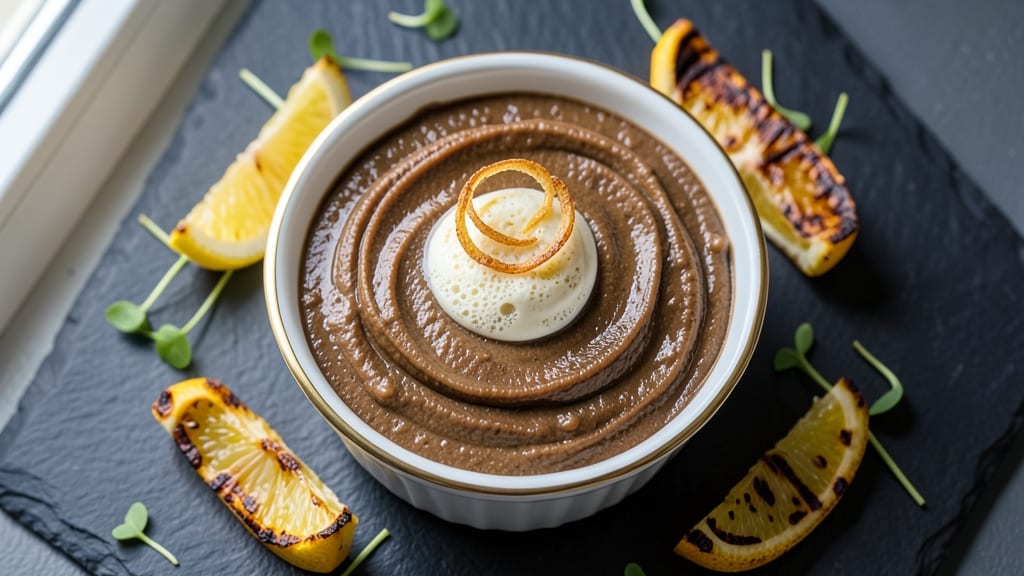
Gordon Ramsay’s chicken liver pâté delivers that signature velvety texture and rich, savory depth that makes it a showstopper on any table. The secret lies in perfectly rendering the fat and balancing liver’s natural intensity with brandy, herbs, and a touch of creaminess.
I’ve refined this technique after years of testing—no shortcuts, just precision that transforms humble livers into something luxurious.
This recipe demands respect for the ingredients: soaking the livers to remove bitterness, searing them until golden, and blending with just the right amount of cream and egg yolks. The result?
A pâté that’s silky-smooth, not grainy, with a flavor so balanced it pairs effortlessly with crusty bread or roasted vegetables. Ramsay’s approach ensures every bite is restaurant-quality without the fuss.
What sets this apart is the attention to detail—from the slow cooking process to the final garnish of fresh herbs. The pâté chills until set but remains velvety when served, with a glossy finish that looks as impressive as it tastes.
Whether you’re hosting a dinner party or treating yourself to a gourmet weekend project, this is the recipe that delivers professional results at home.
Ready to elevate your cooking? The key is patience—letting flavors meld and textures perfect. Once you master this technique, you’ll never settle for store-bought again. Let’s get started on creating something truly special.
Ingredients for chicken liver pate recipe gordon ramsay
Precision-crafted ingredients transform humble livers into Ramsay's signature velvety pâté masterpiece.
| Ingredient | Amount | Notes |
|---|---|---|
| Fresh Chicken Livers 🍗 | 1 lb | Trimmed of connective tissue |
| Unsalted Butter 🧈 | ¾ cup | Cold, cubed for rendering |
| Brandy 🍷 | ½ cup | High-quality, 40% ABV minimum |
| Heavy Cream 🥛 | ½ cup | Full-fat for richness |
| Large Egg Yolks 🥚 | 4 whole | Fresh, room temperature |
| Shallots 🧅 | 2 whole | Finely minced, 2 tbsp total |
| Fresh Parsley 🌿 | ¼ cup | Stems removed, chopped |
| Fresh Tarragon 🌿 | ⅛ cup | Finely chopped, stems removed |
| Diamond Crystal Kosher Salt 🧂 | ½ tsp | For seasoning, not curing |
| Freshly Ground Black Pepper 🌶️ | ¼ tsp | Coarsely cracked |
| Cold Water 💧 | 1 cup | For soaking livers |
| Heavy Whipping Cream 🥛 | ¼ cup | For final gloss, optional |
The quality of chicken livers makes all the difference—freshness is non-negotiable. Source them from a trusted butcher or high-end grocery like Whole Foods or Eataly, where they're typically sold pre-trimmed. Look for livers with a vibrant red hue and minimal connective tissue; any grayish or fibrous pieces should be discarded. The butter should be European-style, 82% fat content for optimal rendering—Plugrá or Kerrygold are excellent choices. Soak the livers in cold water for 30 minutes to remove bitterness, then pat thoroughly dry before cooking. The brandy should be Cognac or Armagnac for authentic depth, but a quality vanilla-infused brandy works in a pinch.
No brandy? Dry sherry or white wine can substitute at the same quantity, though the flavor profile will differ slightly. The heavy cream must be full-fat—no substitutions here. For the herbs, fresh tarragon is ideal, but dried tarragon at one-third the amount works if you're in a bind. The shallots should be finely minced—a food processor is perfect for this task. If you're short on time, pre-minced shallots from the refrigerated section of Trader Joe's are a convenient alternative. The egg yolks must be fresh and room temperature to emulsify properly; separate them yourself rather than using pre-separated yolks, which often contain stabilizers that can interfere with texture.
This pâté requires precise timing for optimal texture. Render the butter and cook the livers in a heavy-bottomed skillet to prevent burning—Le Creuset or All-Clad are ideal. Once chilled, the pâté will firm up but remain velvety when served at room temperature. Store in an airtight container with a thin layer of plastic wrap pressed directly onto the surface to prevent a skin from forming. Keeps for 5 days refrigerated or 3 months frozen in a sealed container. For serving, pipe into a decorative ring mold or spread onto toasted baguette slices for an elegant presentation. The pâté will develop even more depth of flavor after 24 hours in the refrigerator.
Why You'll Love This Recipe
- No Fuss, Big Payoff: I swear, this pate is the kind of recipe that makes you feel like a chef without the drama. Just sear the livers in butter—no fancy prep, no peeling or chopping—then blend with brandy and cream until it’s silky smooth. That’s it.
- Brandy Kiss Magic: Honestly, the brandy isn’t just for show—it’s the secret weapon. A splash at the end transforms the rich, buttery livers into something luxurious, with a warm, boozy depth that makes every bite feel like a little celebration. (Yes, even on a Tuesday night.)
- Party in a Jar: This stuff is ridiculously versatile. Slather it on crusty bread for a fancy charcuterie board, dollop it onto toast with a sprinkle of flaky salt, or even use it as a dip for veggies. My in-laws think it’s store-bought—never tell them it’s homemade.
- Budget Luxury Leftovers: Between us, chicken livers are cheaper than steak, and this recipe stretches them into something that tastes like you spent hours in the kitchen. Plus, the leftovers keep for days in the fridge—perfect for when you want to impress without breaking the bank. (Or just treat yourself.)
Step-by-step instructions for chicken liver pâté
Mastering this rich, velvety pâté requires precision in technique and ingredient handling.
Prepare the Chicken Livers
Begin by trimming any connective tissue or silver skin from the 1 lb fresh chicken livers, then rinse them thoroughly under cold water. Place them in a bowl and cover with the 1 cup cold water. Soak for 15 minutes to remove any residual blood, then drain and pat dry with paper towels. This step ensures a clean, neutral base for your pâté.
While the livers soak, finely mince the 2 whole shallots using a sharp knife or food processor. You should end up with about 2 tablespoons of minced shallots. The goal is to achieve a paste-like consistency that will blend seamlessly into the pâté later. Set aside for now—we'll use these shortly.
Render the Butter and Sauté Aromatics
In a heavy-bottomed saucepan, melt the 0.75 cup unsalted butter over medium-low heat. Allow it to render slowly until it turns a pale golden color and small browned bits begin to form at the bottom of the pan. This process, called "browning" or "confitons," adds depth of flavor to the pâté.
Once the butter is golden, add the minced shallots and cook for 2-3 minutes until they become translucent and fragrant. Be careful not to let them brown—this would introduce bitterness. Remove the pan from heat and let it cool slightly. This aromatic base forms the flavor foundation for your pâté.
Create the Pâté Mixture
In a food processor, combine the drained and dried chicken livers, the cooled shallot-butter mixture, the 0.5 cup brandy, 0.5 cup heavy cream, and the 4 whole large egg yolks. Process in batches if necessary, scraping down the sides as needed, until you achieve a completely smooth, homogeneous texture. This step is critical—any lumps will result in a grainy pâté.
Transfer the mixture to a heatproof bowl and set it over a pot of simmering water (bain-marie), ensuring the bottom of the bowl doesn't touch the water. Cook gently for 10-12 minutes, stirring constantly with a wooden spoon, until the mixture reaches an internal temperature of 160°F. This gentle cooking process ensures the pâté sets properly without curdling.
Season and Finish
Remove the bowl from the heat and stir in the 0.25 cup finely chopped fresh parsley, 0.125 cup finely chopped fresh tarragon, 0.5 tsp diamond crystal kosher salt, and 0.25 tsp freshly ground black pepper. Taste and adjust seasoning if needed—liver pâté should be rich but balanced, with bright herbal notes cutting through the richness.
For a final touch, stir in the 0.25 cup heavy whipping cream just before serving. This adds a luxurious gloss and silky texture to the finished pâté. Transfer to a serving dish and let it sit at room temperature for 10 minutes before serving to allow flavors to meld completely.
Pro Tips For Making Chicken Liver Pate Recipe Gordon Ramsay
- Sear Livers Fast: Hit the pan with high heat—no simmering. Chicken livers go from raw to perfect in 30-45 seconds max, and lingering turns them rubbery. I learned this the hard way after serving a batch that tasted like overcooked meatloaf.
- Soak Livers First: Rinse the livers in cold water, then soak in milk or lemon water for 10 minutes. This removes bitterness and keeps them from curdling when they hit the cream later. Skip this, and you’ll taste it—trust me.
- Temper the Yolks: Whisk egg yolks with a splash of cold cream before adding the hot liver mixture. Slowly fold in the warm pate to avoid scrambling. I was skeptical until I tried it—now it’s non-negotiable.
- Simmer, Don’t Boil: Keep the pate at a gentle simmer (tiny bubbles, not rolling) for 5-7 minutes. Boiling will curdle the cream and turn your silky pate into something resembling glue. Low and slow is the only way.
Perfect pairings for this recipe
Bread Pairings
Gordon Ramsay’s chicken liver pâté shines when paired with crusty, artisanal breads that can stand up to its richness. A baguette from Breads Bakery or La Baguette is my go-to—its crisp crust contrasts beautifully with the pâté’s velvety texture.
For a more rustic option, try a sourdough from Tartine Bakery, which adds a tangy depth that cuts through the liver’s richness. Toast the bread lightly before serving to enhance its crunch and prevent it from becoming soggy. 🥖
Cheese Accompaniments
Add a complementary cheese to elevate your pâté spread. A sharp aged cheddar like Point Reyes or a creamy Brie from President adds another layer of flavor. I recommend slicing the cheese thinly and arranging it alongside the pâté for a visually appealing platter.
The saltiness of the cheddar or the buttery richness of the Brie balances the pâté’s intensity. For a lighter option, try goat cheese with a drizzle of honey—its tangy notes refresh the palate.
Pickled Vegetables
Bright, acidic pickles cut through the richness of the pâté and add a refreshing crunch. My favorite is quick-pickled red onions—slice 1 small red onion thinly and soak in ½ cup apple cider vinegar, 1 tbsp sugar, and ½ tsp salt for 30 minutes.
For extra depth, add 1 tsp mustard seeds to the brine. The tangy crunch of the onions contrasts perfectly with the pâté’s smooth texture, creating a harmonious bite. 🥒
Wine Pairings
Ramsay’s pâté pairs beautifully with bold red wines that can stand up to its richness. A Pinot Noir from Oregon’s Domaine Serene or a Syrah from Crozes-Hermitage offers enough acidity to cleanse the palate without overpowering the dish.
For white wine lovers, a dry Riesling from Dr. Loosen provides crisp acidity and mineral notes that complement the pâté’s herbal undertones. Avoid heavy, oaky wines—they’ll clash with the pâté’s delicate balance.
Cocktail Pairings
For a sophisticated touch, serve the pâté alongside a Manhattan cocktail—its sweet, herbal notes mirror the flavors in the pâté. Mix 2 oz bourbon, ½ oz sweet vermouth, and a dash of Angostura bitters, then garnish with a luxardo cherry.
A dry martini with a twist of lemon peel also works beautifully, offering a crisp, clean finish that contrasts with the pâté’s richness. The bitterness of the vermouth or the citrus in the martini enhances the pâté’s herbal and savory qualities. 🍸
Nutrition facts
Frequently asked questions
Why do I need to soak chicken livers before making pâté?
Soaking removes residual blood and bitterness that can make the pâté taste harsh. The 15-minute cold water soak is crucial for a clean, neutral flavor base. Skip this step, and your pâté might have an unpleasant metallic aftertaste that even high-quality brandy can't mask.
Can I substitute brandy with something else?
Yes, but expect flavor differences. Use dry sherry or white wine at the same quantity, though brandy's caramel notes add depth. For a non-alcoholic option, try apple cider reduction—simmer ½ cup cider until thickened to replace the brandy. The pâté will still be delicious but with a fruitier profile.
What's the secret to getting that perfect velvety texture?
Three key factors: smooth blending (no lumps in the food processor), gentle cooking to 160°F in a bain-marie, and using room-temperature egg yolks. Overcooking or rushing the process turns pâté grainy. Ramsay's method prioritizes patience—let the mixture set naturally during chilling.
How do I fix a pâté that's too thick or too thin?
If too thick, stir in 1-2 tablespoons warm cream—heat it gently first to prevent curdling. For thin pâté, place the bowl over simmering water for 2-3 more minutes while stirring constantly. The goal is a spreadable consistency that holds shape when piped but melts slightly on warm bread.
Can I make this ahead of time?
This pâté actually improves overnight. After chilling, store in an airtight container with plastic wrap pressed directly on the surface. Serve at room temperature after 2-3 hours to let flavors meld. It keeps for 5 days refrigerated or 3 months frozen—perfect for holiday entertaining.