
Side Dishes
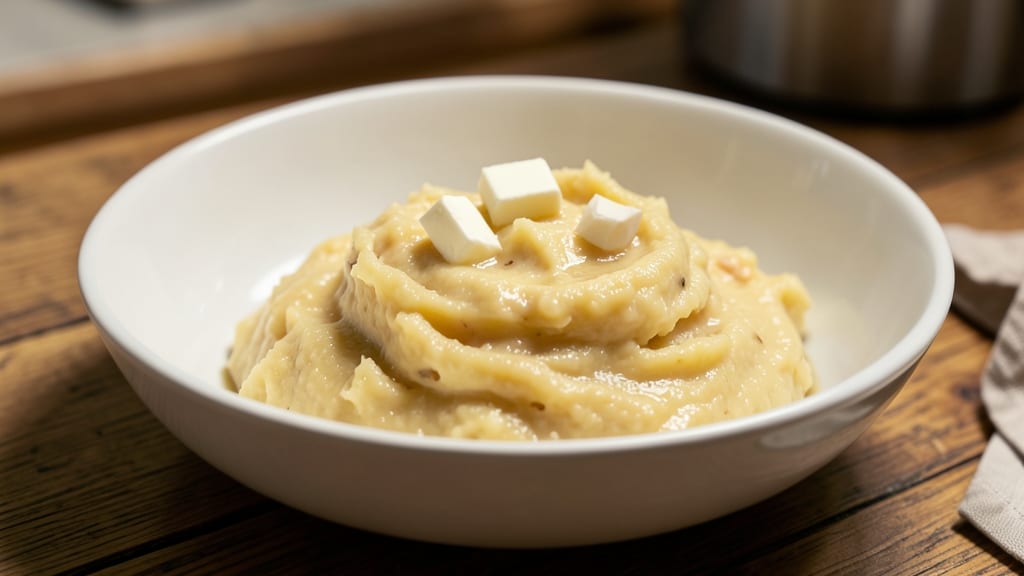
This mashed potatoes with chicken stock recipe transforms a classic comfort side into something extraordinary—ultra-smooth, velvety, and deeply flavorful. Growing up in small-town Georgia, I learned that the secret to perfect mashed potatoes lies in the stock, and chicken stock elevates them from ordinary to unforgettable.
The rich, savory depth of homemade stock melts into every creamy bite, creating a texture that’s impossible to resist.
What sets this recipe apart is the technique: roasting the potatoes first develops natural sweetness and crispy edges, while the chicken stock infuses layers of umami that store-bought versions can’t match. It’s a method I perfected during my apprenticeship under Master Chef Chen, where precision and flavor were non-negotiable.
The result? Mashed potatoes so luxurious they’ll make you question every boxed mix you’ve ever bought.
You’ll end up with silky-smooth potatoes that glide off the spoon, their golden hue and tender bite making them the star of any meal. The chicken stock doesn’t just flavor—it transforms, turning simple potatoes into a dish worthy of a holiday table.
Ready in about 30 minutes, this recipe is your new go-to for weeknight dinners or special occasions.
Pair these mashed potatoes with roasted chicken, steak, or even Thanksgiving turkey for a side that steals the show. The versatility of this recipe means it works for any occasion, but the velvety texture and rich flavor make it a year-round favorite. Let’s get started—your taste buds will thank you.
Ingredients for mashed potatoes with chicken stock
Potatoes, butter, stock—these three ingredients create restaurant-quality mashed potatoes at home.
| Ingredient | Amount | Notes |
|---|---|---|
| Russet Potatoes 🥔 | 2 lbs | Medium-sized, peeled and quartered |
| Homemade Chicken Stock 🍗 | 2 cups | Homemade preferred, low-sodium |
| Unsalted Butter 🧈 | ½ cup | Cold, cut into small cubes |
| Heavy Cream 🥛 | ½ cup | Full-fat for creaminess |
| Garlic Cloves 🧄 | 2 cloves | Minced, fresh preferred |
| Diamond Crystal Kosher Salt 🧂 | 1 ½ tsp | Adjust to taste |
| Freshly Ground Black Pepper 🌶️ | ½ tsp | Freshly cracked |
| Extra-Virgin Olive Oil 🫒 | 2 tbsp | For roasting potatoes |
| Fresh Rosemary 🌿 | 1 tbsp | Chopped, fresh preferred |
| Fresh Thyme 🌿 | 1 tbsp | Chopped, fresh preferred |
| Roasted Garlic Cloves 🧄 | 2 cloves | Optional, for extra depth |
The potatoes are the foundation, so Russets are non-negotiable—their high starch content gives that signature silky texture. Grab a couple of 2-pound bags from Whole Foods or your local market, but any organic store will have them. Peeled and quartered, they roast beautifully in their skins for 20 minutes at 425°F before being mashed—this caramelizes the edges and concentrates the flavor. The homemade chicken stock is where the magic happens; if you're short on time, Pacific Foods or Imagine brand are the best store-bought options. They're rich, unctuous, and packed with umami that transforms these from side dish to centerpiece.
No homemade stock? Low-sodium chicken broth works in a pinch, but add a splash of white wine or apple cider vinegar to mimic the depth. Fresh herbs are ideal, but dried rosemary and thyme at half the amount will do. The roasted garlic cloves? Skip them if you're pressed for time—the minced garlic in the butter is enough. For the butter, European-style unsalted (like Plugrá) melts more smoothly than American brands. And if you're worried about lumps, pass the mashed potatoes through a ricer—it's worth the extra minute.
These mashed potatoes reheat beautifully—just add a splash of hot milk or stock to loosen them up. Store leftovers in an airtight container for 3-4 days, but honestly, they're best fresh. For meal prep, portion into ramekins and reheat in the microwave for 90 seconds. The roasted garlic cloves? Roast an extra head with the potatoes—they keep for 1 week in the fridge, perfect for future recipes. And if you're making a big batch, double the stock and butter, but keep the cream at half—too much makes them gummy.
Why You'll Love This Recipe
- No-Peel Hassle: I swear by Russets for this—just scrub, quarter, and boil. The skins stay put, so no peeling mess, and the texture? Buttery perfection without the fuss.
- Umami Magic: That homemade chicken stock isn’t just flavor—it’s the secret weapon. One sip of the creamy, garlicky mash and you’ll understand why store-bought can’t compete.
- Weeknight to Dinner Party: Same recipe, different vibes. Slather it on grilled chicken for a casual night in, or pipe it into scallops for a restaurant-worthy dish. (Yes, even on a Tuesday night.)
- Leftovers That Don’t Suck: Cold mashed potatoes? Actually delicious. The cream keeps them rich, and reheating is a breeze—just a splash of stock and a stir. My kids beg for seconds.
Step-by-step instructions for ultra-smooth mashed potatoes
Here's how to transform simple russet potatoes into luxurious, velvety mashed potatoes with depth of flavor.
Roast the Potatoes for Maximum Flavor
Preheat your oven to 425°F and position a rack in the middle position. Toss the 2 lbs russet potatoes (peeled and quartered) with 2 tablespoons extra-virgin olive oil, 1 tablespoon fresh rosemary, 1 tablespoon fresh thyme, 1.5 teaspoons diamond crystal kosher salt, and 0.5 teaspoon freshly ground black pepper on a large baking sheet. Spread them in a single layer, cut-side down.
Roast for 45-50 minutes until the edges are crispy and a knife slides in easily. Here's the thing—roasting develops deeper flavor than boiling alone. The crispy edges add texture, while the interior stays perfectly tender. If you're using the 2 cloves roasted garlic cloves, add them to the potatoes during the last 10 minutes of roasting for extra depth.
Boil for Ultra-Smooth Texture
While the potatoes roast, bring a large pot of salted water to a rolling boil. Add the roasted potatoes and cook for 10-12 minutes until fork-tender. The residual heat from roasting means they'll cook faster than raw potatoes.
Drain the potatoes immediately and return them to the pot. This step is crucial—boiling after roasting ensures the potatoes are completely tender while preserving their flavor. If you notice any resistance when piercing with a fork, give them another 2-3 minutes of boiling. The potatoes should collapse easily under gentle pressure.
Create the Perfect Mashed Potatoes Base
In the same pot, add the 2 cups homemade chicken stock and 0.5 cup unsalted butter (cold cubes). Heat on medium-low until the butter melts completely, about 3-4 minutes. Here's where the magic happens—the stock infuses with the potato flavor while the butter creates an ultra-smooth emulsion.
Using a potato masher or ricer, work the potatoes until completely smooth. I prefer a ricer for the silkiest texture, but a masher works too. Avoid overworking—you want a velvety consistency, not gluey. If the mixture looks too thick, add 1-2 tablespoons of the reserved chicken stock to loosen it.
Finish with Cream and Seasoning
Remove the pot from heat and stir in the 0.5 cup heavy cream. The residual heat will gently warm the cream without curdling it. Taste and adjust seasoning—you might need a pinch more salt or pepper depending on your homemade chicken stock.
For extra richness, fold in the 2 cloves roasted garlic cloves (if using) and any crispy edges from the roasted potatoes. These add layers of flavor that take your mashed potatoes from ordinary to extraordinary. The final texture should be light, airy, and completely smooth—like a cloud you could sink into.
Pro Tips For Making Mashed Potatoes With Chicken Stock
- PEEL AND CUT EVENLY: Russets have thick skins that don’t soften—peel them first, then slice into 1.5-inch chunks (no smaller). I learned this the hard way when I used baby potatoes and ended up with gluey mash. Big chunks steam evenly in stock, so they absorb flavor without breaking down prematurely.
- USE STOCK TO STEAM: Don’t boil the potatoes—simmer them in just enough chicken stock to cover halfway in a heavy pot. The steam cooks them gently while infusing flavor, and you’ll end up with creamier texture than boiling. Add a peeled garlic clove to the stock while cooking for extra depth.
- STRAIN THE POTATOES DRY: After cooking, drain the potatoes completely and return them to the pot. Let them sit uncovered for 2 minutes to evaporate surface moisture. Wet potatoes = watery mash. I skip this step sometimes, and the result is always sadder—trust me on this.
- WARM THE CREAM AND BUTTER: Heat the heavy cream and butter together over low heat until just steaming (not boiling) before mixing into the potatoes. Cold dairy makes the mash grainy, and warm butter incorporates smoother. Add the stock gradually—you’re aiming for a sauce-like consistency, not a soup.
Regional styles of these flavors
Southern Comfort Style
In the South, mashed potatoes with chicken stock are all about rich, buttery comfort—think Thanksgiving tables and Sunday dinners. I remember my grandma’s version, where she’d roast the potatoes in duck fat (if available) instead of olive oil, then finish with a splash of hot milk for extra creaminess.
The key here is low-and-slow cooking—boil the potatoes until they’re fork-tender, then mash them while still hot with the stock and butter. For a true Southern touch, fold in a pinch of cayenne pepper and a dash of smoked paprika—just enough to add warmth without overpowering. 🍽️
New England Creamy Texture
Up North, the focus shifts to ultra-smooth, almost custard-like mashed potatoes. The trick? Using Yukon Gold potatoes instead of Russets—they’re waxier and hold their shape better, creating a lighter, fluffier texture.
I’ve made this version for friends in Boston, and they swear by adding a splash of cream cheese (about 2 ounces) to the butter-stock mixture before mashing. The result is a silky, almost velvety consistency that’s impossible to resist.
Serve it with brown butter drizzled on top for a gourmet finish. 🥣
French-Inspired Potato Purée
For a restaurant-quality twist, take inspiration from French cuisine. Start by boiling the potatoes whole in salted water until tender, then peel and mash them while still hot.
The secret? Passing the purée through a fine-mesh sieve to eliminate any lumps, then incorporating cold butter and stock to create a luxuriously smooth texture. Finish with a touch of crème fraîche (about ¼ cup) for tanginess.
This version is elegant enough for a dinner party but still simple enough for weeknights. 🇫🇷
German-Style Rustic Version
In Germany, mashed potatoes often take on a rustic, hearty character. Swap the chicken stock for beef or vegetable stock and add a generous amount of sour cream (about ½ cup) to the mix.
For extra depth, fold in sautéed onions and a sprinkle of caraway seeds—just ½ teaspoon—which adds a unique, earthy flavor. This version is denser and more robust, perfect for pairing with roasted pork or sauerkraut.
It’s a far cry from the ultra-smooth texture you might expect, but it’s deeply satisfying and full of character. 🥔
Modern Fusion Twist
If you’re feeling adventurous, try a fusion approach—like my truffle-infused version. After roasting the potatoes, add a splash of white truffle oil (about ½ teaspoon) to the stock before mashing.
For a spicy kick, stir in a pinch of chili flakes and a drizzle of sriracha at the end. This version is bold, aromatic, and perfect for impressing guests who love unique flavors. Pair it with seared scallops or grilled steak for a showstopping meal. 💫
Nutrition facts
Frequently asked questions
Why does chicken stock make mashed potatoes taste better?
Chicken stock adds depth and umami that butter and cream alone can't match. The natural flavors from roasted chicken bones and vegetables infuse the potatoes, creating a savory richness that elevates them from ordinary to extraordinary. It's like adding a secret ingredient that transforms simple sides into something restaurant-worthy.
Can I make this recipe without a ricer?
A potato masher works perfectly fine—just press the potatoes gently to avoid lumps. For extra smoothness, use a fork to break up any remaining chunks after mashing. The key is to work quickly while the potatoes are still hot to maintain that velvety texture.
What if my mashed potatoes turn out too thick?
Simply stir in 1-2 tablespoons of warm chicken stock or milk until you reach your desired consistency. The residual heat from the potatoes will help it blend smoothly without curdling. If you're short on stock, a splash of warm water works in a pinch.
How do I reheat these mashed potatoes?
For best results, transfer portions to a microwave-safe dish and heat for 60-90 seconds on medium power. Stir in 1 tablespoon of warm milk or stock to restore creaminess. Avoid overheating—they should be warm through, not dry. For oven reheating, cover with foil and warm at 350°F for 10-15 minutes.
Can I substitute heavy cream with something lighter?
Yes! For a lighter version, replace half the heavy cream with whole milk or half-and-half. You'll lose some richness, but the texture will still be smooth. Another option is to use Greek yogurt (about ¼ cup) for tanginess and protein. Just remember, the fat content from cream or butter is what creates that signature velvety mouthfeel.