
Appetizers
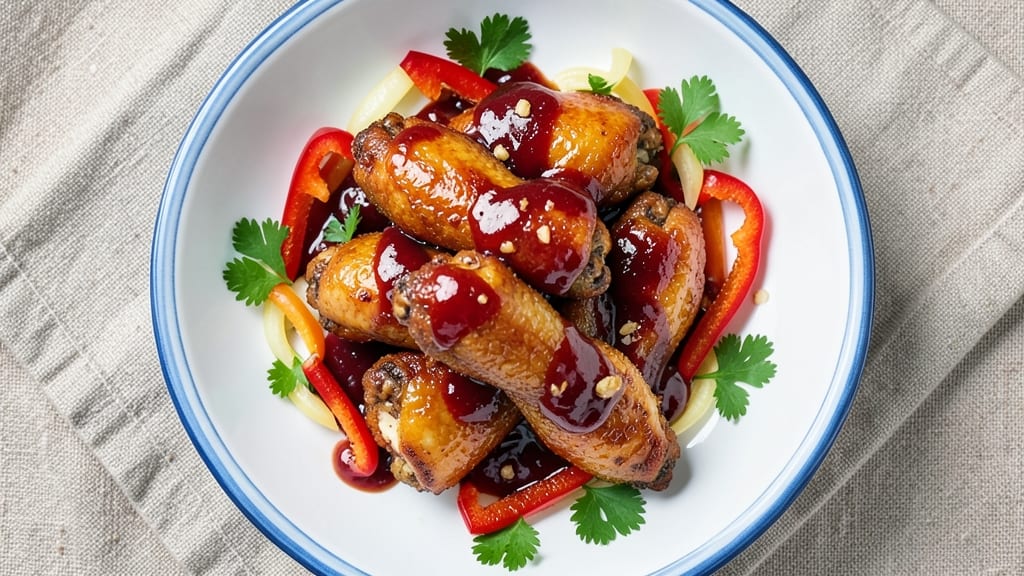
This Chinese recipe for sweet and sour chicken wings reveals how a perfect glaze—sticky, sweet, and tangy—elevates simple wings into a showstopping dish.
The secret lies in double-frying for crispy wings and balancing tangy, sweet, and umami flavors in the sauce—something I perfected after years of trial and error in home kitchens.
This recipe delivers the perfect harmony of textures: crispy, golden wings paired with a glossy, clinging sauce that doesn't drip away.
The process starts with a simple marinade that tenderizes the chicken, followed by a two-stage frying technique to ensure crispy edges without greasy interiors. The sauce, made from scratch, combines vinegar, sugar, and a touch of cornstarch for that signature sticky consistency.
What sets this apart is the patience in reducing the sauce just enough to coat the wings evenly—a step many shortcut recipes skip.
By the time you serve these wings, your guests will be reaching for seconds as they experience the contrast of crispy skin and tender meat, all enveloped in a glossy, tangy-sweet glaze.
The sauce clings perfectly, not pooling at the bottom of the plate, and the balance of flavors—bright, sweet, and slightly sour—makes every bite addictive. This is the kind of dish that elevates game day or weekend gatherings from ordinary to extraordinary.
Serve with toothpicks for easy handling, drizzle extra sauce over the top for presentation, and pair with steamed rice or cucumber salad to balance the richness. The recipe scales effortlessly for crowds, and leftovers reheat beautifully—though I can’t promise they’ll last that long. Let’s get cooking!
Ingredients for sweet and sour chicken wings chinese
Fourteen ingredients transform simple wings into restaurant-quality Chinese sweet and sour perfection.
| Ingredient | Amount | Notes |
|---|---|---|
| Chicken Wings 🍗 | 2 lb | Split into drumettes and flats, skin-on |
| White Vinegar 🍶 | ½ cup | Distilled for tangy brightness |
| Granulated Sugar 🍚 | ¾ cup | White or brown, packed lightly |
| Cornstarch 🌾 | 2 tbsp | For sauce thickening |
| Ketchup 🍅 | ¼ cup | Heinz preferred for consistency |
| Soy Sauce 🍜 | ¼ cup | Light or all-purpose |
| Vegetable Oil 🫒 | 3 cups | For double-frying, high smoke point |
| Garlic Cloves 🧄 | 4 cloves | Minced for marinade |
| Ginger Root 🌿 | 1 tbsp | Freshly grated, aromatic |
| Sesame Oil 🥜 | 1 tbsp | Toasted for aroma |
| Salt 🧂 | 1 ½ tsp | Diamond Crystal preferred |
| Black Pepper 🌶️ | ½ tsp | Freshly cracked |
| Red Bell Pepper 🌶️ | 1 whole | Diced for sauce color |
| Green Onion 🧅 | 3 whole | Sliced for garnish |
The chicken wings deserve premium treatment—look for free-range options at Whole Foods or your local butcher for superior texture. Split each wing into drumettes and flats, ensuring even cooking. For the sauce, Heinz ketchup provides consistent flavor, but homemade is ideal if you're ambitious. The sugar should be packed lightly to avoid clumping, and cornstarch from bulk bins offers the best thickening power. Double-frying requires two batches of oil—first for tenderizing, second for crisping—so plan accordingly. Fresh ginger and garlic elevate the marinade, so don't substitute with powders unless necessary.
No white vinegar? Rice vinegar or apple cider vinegar work in a pinch, though flavor will differ slightly. Short on ketchup? Tomato paste plus a splash of vinegar mimics the tang. The red bell pepper adds color and subtle sweetness—omit if you prefer a deeper red hue, but the sauce will lack visual appeal. For a vegetarian twist, swap wings for tofu or cauliflower florets, though cooking times will vary. The sauce should reduce to a glossy, syrupy consistency—cornstarch slurry is key to achieving that signature stickiness without pooling.
Store leftover wings in an airtight container for 3-4 days, though they're best enjoyed fresh. The sauce reheats beautifully—simply warm over medium heat with a splash of water. For presentation, drizzle extra sauce over the wings and garnish with sesame seeds or sliced green onions. These wings freeze exceptionally well—portion into single servings before freezing for up to 3 months. Double-frying creates crispy edges, but if you're short on oil, bake the wings at 425°F for 25 minutes after the initial fry for a lighter alternative.
Why You'll Love This Recipe
- One-Pan Magic: I swear by this recipe because it’s literally one pan, one sauce, and done. No messy bowls or extra steps—just toss the wings in a mix of sugar, vinegar, and ketchup, let them crisp up, then glaze them with that sticky-sweet sauce. Honestly, my kids think I’m a genius for making something that looks fancy with so little effort.
- Tangy-Sweet Balance: That first bite? Crispy, juicy, and bursting with flavor—the vinegar cuts through the sugar, the ketchup adds depth, and the cornstarch slurry gives it that perfect glossy finish. It’s not too sweet, not too sour; it’s the kind of dish that makes you reach for another wing before you even realize it.
- Game for Any Gathering: Need a crowd-pleaser for game night? A last-minute dinner? This recipe scales like a dream. Double the batch for 10 people or halve it for a lazy Tuesday—it’s always a hit. My college friends still ask for it, years later, and I’ve never had to explain why it’s so good.
- Budget-Friendly Leftovers: Chicken wings are cheap, and this sauce stretches far. Make a big batch, store the leftovers, and reheat them in the oven—crispy again in minutes. Between us, I’ve fed a family of five for under $15 with this, and no one complains about the taste. That’s a win.
Step-by-step instructions for sweet and sour chicken wings
Here's how to achieve that signature glossy glaze—sticky, sweet, and perfectly balanced every time.
Prepare the Chicken Wings for Double-Frying
Pat the 2 lb chicken wings dry with paper towels, removing any excess moisture from the skin. Separate into drumettes and flats, leaving the skin intact. In a small bowl, combine 4 cloves minced garlic cloves, 1 tbsp freshly grated ginger root, 1.5 tsp salt, and 0.5 tsp freshly cracked black pepper. Rub this mixture evenly over the wings, coating both the meat and skin. Let them marinate at room temperature for 30 minutes—this ensures maximum flavor penetration.
Heat 1 cup vegetable oil in a deep skillet or Dutch oven to 350°F. Working in batches to avoid crowding, fry the wings for 4-5 minutes until the skin is golden brown and crispy. The key here is maintaining that exact temperature—any hotter and the skin burns before the meat cooks through. Transfer the fried wings to a paper towel-lined plate to drain excess oil, but leave them on the plate for now.
Create the Glossy Sweet and Sour Sauce
In a medium saucepan, combine 0.5 cup white vinegar, 0.75 cup granulated sugar, 0.25 cup ketchup, 0.25 cup soy sauce, and 1 tbsp toasted sesame oil. Bring to a boil over medium-high heat, stirring constantly until the sugar fully dissolves. Here's where the magic happens: reduce the heat to medium-low and let it simmer for 8-10 minutes until the mixture thickens to a syrupy consistency. You're aiming for a glossy, slightly sticky glaze that coats the back of a spoon.
While the sauce simmers, finely dice the 1 whole red bell pepper into small, even pieces—this will add both color and a subtle crunch to the finished dish. Stir the diced bell pepper into the sauce during the last 2 minutes of simmering. Remove from heat and set aside. The sauce should be vibrant red with a smooth, velvety texture—if it's too thick, add 1 teaspoon water at a time until it reaches the right consistency.
Double-Fry for Extra-Crispy Wings
Return the fried wings to the skillet and add 2 more cups vegetable oil, enough to submerge them halfway. Increase the heat to 375°F and fry for an additional 2-3 minutes—this second fry ensures the wings are fully cooked through while maintaining that perfect crispiness. The wings should float slightly in the oil, indicating they're ready. Drain on a fresh paper towel-lined plate and keep them warm in a 200°F oven while you prepare the final glaze.
Here's the critical step: toss the warm wings in the prepared sauce, coating them thoroughly. The residual heat from the wings will help the sauce cling to every surface. For extra shine, transfer the wings to a baking sheet and broil for 1-2 minutes on high heat, watching closely to prevent burning. This final step intensifies the caramelization of the glaze, giving it that signature restaurant-quality gloss.
Finish and Garnish for Presentation
Slice the 3 whole green onion into thin rings and set aside. Return the glazed wings to the skillet over low heat and toss them gently with the sauce for 1-2 minutes until everything is evenly coated. The sauce should now be sticky and clinging to the wings in glossy strands. If it's too thin, simmer for an additional 1 minute to thicken slightly. Taste and adjust seasoning—you may need a pinch more salt or a splash of white vinegar to balance the sweetness.
Transfer the wings to a serving platter and garnish with the sliced green onion rings. Serve immediately while the glaze remains sticky and vibrant. The wings should be crispy on the outside with tender, juicy meat underneath, perfectly balanced between sweet, tangy, and slightly savory flavors. For best results, serve with extra sauce on the side for dipping.
Pro Tips For Making Sweet And Sour Chicken Wings Chinese
- Blanch Wings First: Drop raw wings in boiling water for 30 seconds before frying—this stops them from curling into tight knots while cooking. I learned this after wrestling with half-cooked, twisted wings that refused to crisp properly.
- Mix Vinegar Last: Stir the white vinegar into your sauce after removing the pan from heat, or it’ll cook off and leave your dish tasting flat. I once added it too early and ended up with a weird, muted sweetness instead of that bright tang.
- Slurry Cornstarch Cold: Whisk cornstarch into cold water first to avoid lumps—hot liquid turns it into glue. My grandmother swore by this, and she was right: the sauce thickens smoothly, not clumps like I used to get when rushing.
- Double-Check Sugar: Taste the sauce before frying the wings—too much sugar burns fast, turning your glossy glaze into sticky caramel. I’ve ruined batches by skipping this step, so now I adjust it early, even if it means eating a spoonful raw.
Essential equipment for this recipe
Deep Fryer Essentials
For perfect sweet and sour wings, a deep fryer is my go-to tool—it maintains consistent oil temperature and handles large batches effortlessly. I use a Presto 02700 26-Quart Aluminum Deep Fryer because it heats oil evenly and has a built-in thermometer.
If you prefer stovetop, a heavy-bottomed Dutch oven like All-Clad works well, but monitor the oil temperature closely with a candy thermometer. 🌡️
Oil Selection Matters
Use vegetable oil or peanut oil for double-frying—both have high smoke points (400°F+) and neutral flavors. Avoid olive or canola oil, which burn too easily. I buy Crisco Vegetable Oil in bulk for cost savings, but Mazola is another reliable brand.
For the second fry, keep the oil at 375°F—any lower and the wings won’t crisp properly.
Thermometer Accuracy
A digital instant-read thermometer like ThermoWorks Thermapen One is worth the investment—it ensures precise oil temperatures (±1°F accuracy). Cheaper dial thermometers are less reliable. I’ve ruined batches of wings when oil was too hot or too cool, so never skip this step.
For budget-friendly options, the Taylor Precision Products analog thermometer works but requires calibration checks.
Double-Fry Setup
You’ll need two separate fry sessions: first at 350°F for 4-5 minutes, then at 375°F for 2-3 minutes. Use a wire cooling rack to drain wings between fries—this prevents soggy skin.
I keep a paper towel-lined tray nearby to blot excess oil before the second fry. A kitchen timer helps track fry times accurately, especially when cooking multiple batches.
Sauce Thickening Tools
For that signature sticky glaze, a whisk and small saucepan are essential. I use a OXO Good Grips Whisk for smooth blending, and a stainless steel saucepan (like All-Clad) prevents scorching. To test sauce consistency, dip a spoon in—it should coat the back smoothly without dripping.
A cornstarch slurry (mix 1 tbsp cornstarch + 1 tbsp water) is my secret weapon for adjusting thickness mid-cook.
Garnish and Serve
For presentation, slice green onions with a sharp chef’s knife (I love the Victorinox Fibrox) and toast sesame seeds in a dry skillet for 30 seconds. Serve wings on a wooden board or slate platter for an authentic Chinese bistro vibe.
A tongs set with silicone tips makes tossing wings in sauce easier without damaging the crispy skin. 💡
Nutrition facts
Frequently asked questions
Why does the sauce need to be simmered for so long?
Simmering the sauce for 8-10 minutes is key to developing that signature sticky, glossy texture. The sugar and cornstarch work together to create a thick, syrupy consistency that clings perfectly to the wings. Skipping this step often results in a runny sauce that pools at the bottom of the plate instead of coating the wings evenly.
Can I make this recipe without double-frying?
Yes, but your wings won't be as crispy! For a single-fry method, bake the wings at 425°F for 25 minutes after the initial fry (or skip the first fry entirely). The sauce will still taste great, but the texture will be more tender than crispy. Double-frying is what gives these wings that authentic restaurant-quality crunch.
How do I fix a sauce that's too thin or too thick?
For a too-thin sauce, mix 1 tbsp cornstarch + 1 tbsp water into a slurry and stir it in while simmering. For a too-thick sauce, add 1 tsp water at a time until it reaches the right consistency. The perfect sauce should coat the back of a spoon smoothly—neither dripping nor clumping.
Can I use boneless wings for this recipe?
Boneless wings work, but the cooking time will be shorter (3-4 minutes per fry) since they cook faster. The texture will be more tender than crispy, but the sauce will still cling beautifully. For best results, use drumettes or flats with the skin left on for that classic texture.
What's the best way to reheat leftover wings?
Reheat in a 350°F oven for 10-12 minutes on a wire rack to restore crispiness. Avoid microwaving—they'll turn soggy. For extra shine, drizzle a little water over the wings before reheating and cover loosely with foil. The sauce reheats well too, just warm it in a saucepan over low heat with a splash of water.